
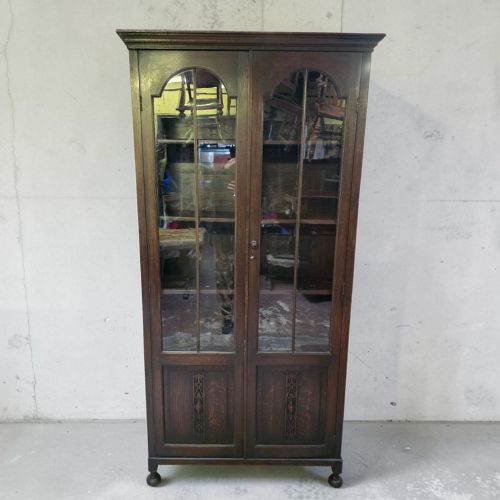
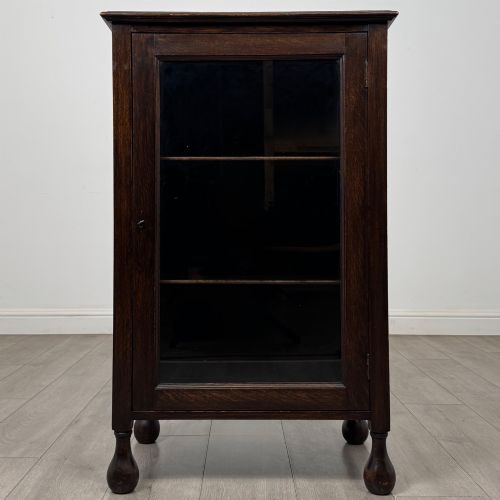
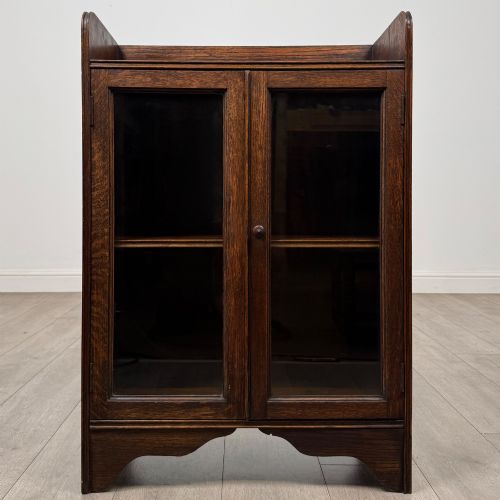
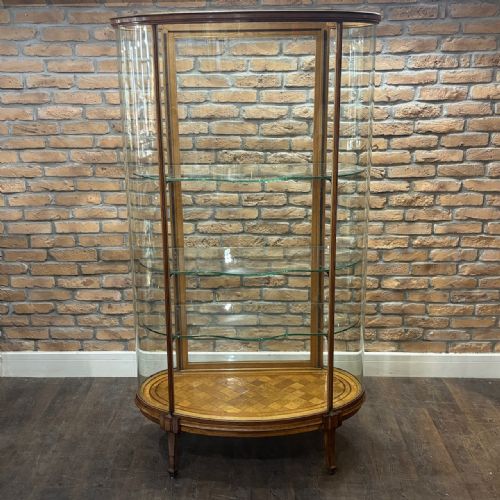




Vintage Oak Vitrine
A vintage oak vitrine brings character and clear glass display space to a room, housing collections securely while showing them off to full advantage.
Vintage Oak Vitrine
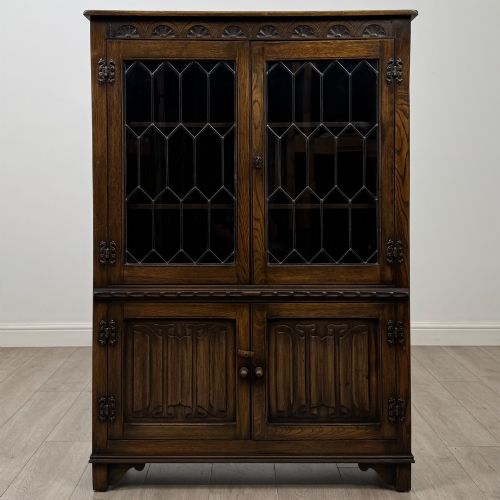
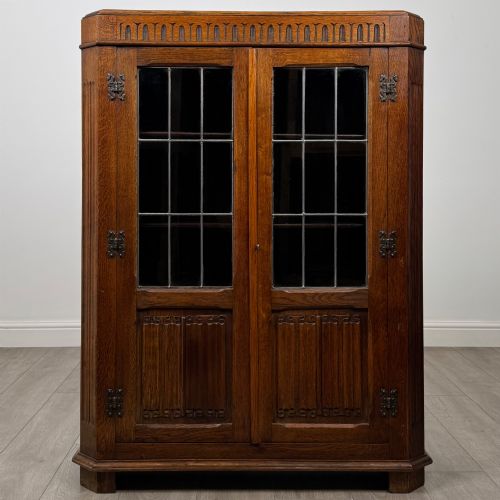
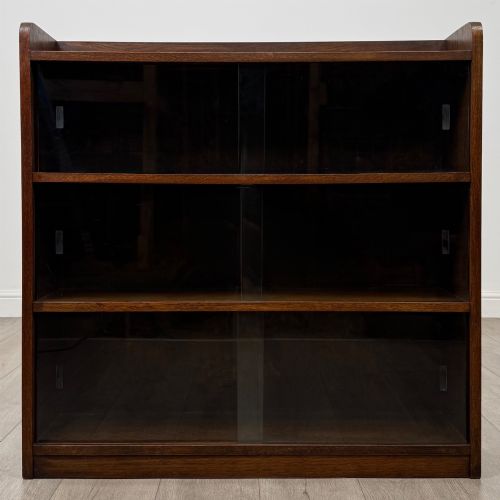
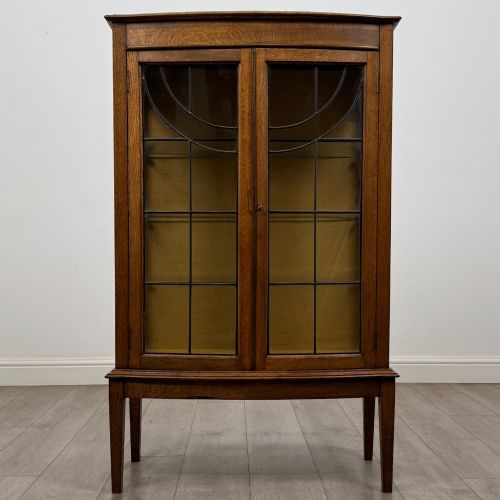
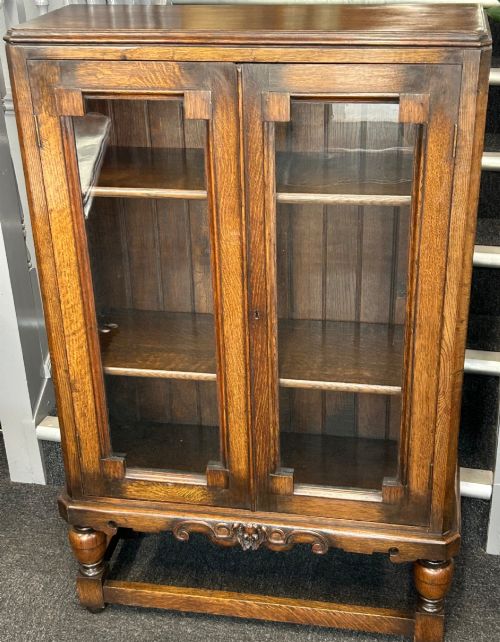
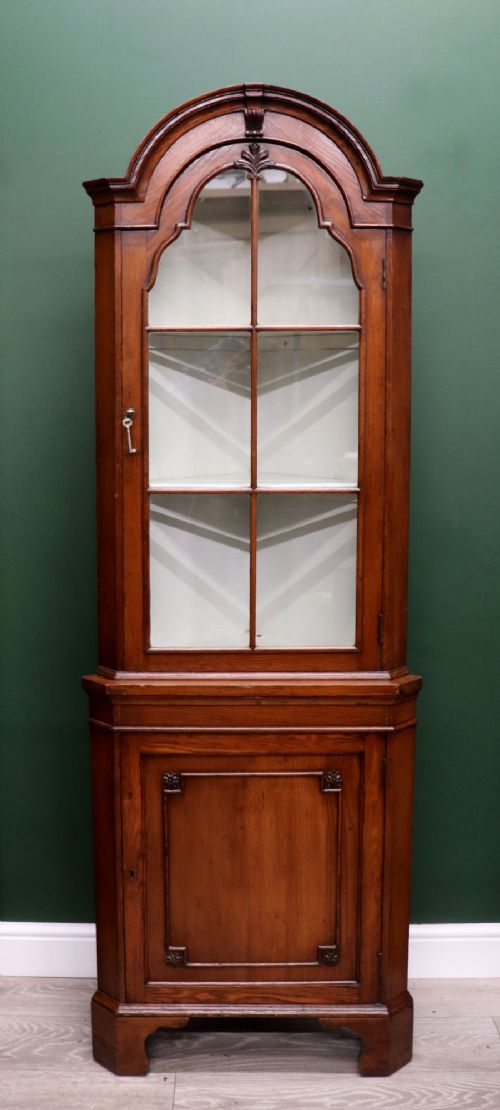
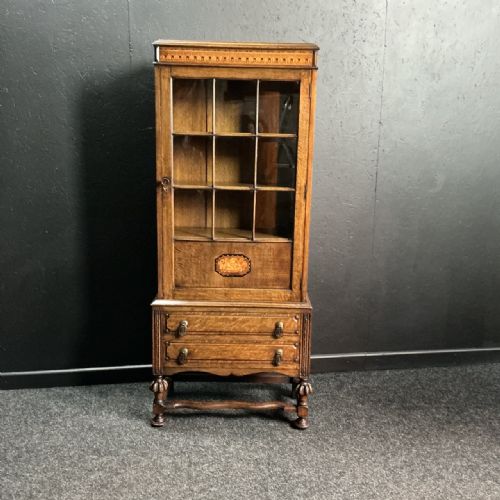
When searching for a vintage oak vitrine, buyers encounter floor standing cabinets, bookcases with glass doors, and corner units designed to display books, ceramics, or curiosities. These pieces serve as practical storage while keeping prized possessions visible through glazed panels.
The selections span various periods including Edwardian, Victorian, and 1930s interwar eras, alongside earlier styles like Jacobean Revival and French Provincial. Edwardian floor cabinets and 1930s glazed bookcases appear frequently on this page.
Origins stretch across Britain, France, and North Europe, encompassing domestic furniture alongside commercial shop display cases and museum pieces. Buyers find both two-door upright cupboards and compact corner cabinets adapted for home interiors.
How they were made
Construction relies primarily on solid oak and oak veneer frameworks, paired with glass panels for doors and sides to maximise visibility. Structural integrity is reinforced using iron, brass, and lead fittings.
Decorative details employ traditional techniques such as heavy carving, linenfold panelling, and painted sign-writing applied for commercial brands or institutions. Some examples feature limed finishes or stylistic revivals drawing on Tudor and Jacobean motifs.
Listings feature oak, oak veneer, and glass construction across Edwardian, Victorian, and 1930s interwar periods.
What varies in quality
The calibre of a vitrine depends on the selection of the timber, whether solid English oak or decorative oak veneer, and the crispness of carved details such as linenfold panels or geometric mouldings. Superior examples demonstrate careful proportion in their glazing bars and well-fitted doors.
Hardware contributes significantly to the distinction between pieces, with original brass handles, hinges, and leaded glass turning standard storage into notable craftsmanship. Provenance, such as commercial shop origins or specialised sign-writing, elevates the historical interest of individual cabinets.
F Sage And Co
The Vintage Oak Vitrine Glossary
- Vitrine
- A glass-fronted cabinet or case used for displaying fine objects or collections. These pieces protect delicate items from dust while offering unobstructed views from multiple angles.
- Linenfold
- A style of wood carving that mimics the appearance of folded linen fabric, commonly seen on panels from revivalist periods. This technique adds texture and depth to flat wooden surfaces.
- Glazing
- The fitting of glass into windows or cabinet doors to enclose a space. In these cabinets, wooden or leaded bars divide the glass panes into geometric patterns.
- Oak veneer
- A thin layer of superior oak glued over a secondary timber base to provide a figured surface. This method creates decorative grain patterns while maintaining structural stability.
- Jacobean Revival
- A design style drawing inspiration from early seventeenth-century English furniture, characterised by dark oak, geometric mouldings, and sturdy turnings. Cabinetry in this style emphasises weight and traditional craftsmanship.
Vintage Oak Vitrine: Frequently Asked Questions
How do I clean the glass safely?
Use a soft microfiber cloth and a mild glass cleaner sprayed onto the cloth rather than directly onto the cabinet. This prevents moisture from seeping into the wooden frames or old lead work.
Take care around painted sign-writing or antique leaded joints to avoid damaging fragile historical surfaces during routine maintenance.
Can these cabinets support heavy books?
Many pieces combine display functions with bookcase storage, featuring sturdy wooden shelving capable of holding moderate weights. Solid oak construction provides dependable support for everyday volumes.
Distributed weight prevents shelving from bowing over time, though delicate antique veneers benefit from sensible loading limits.
Are the glass panels original?
Older cabinets frequently retain their original window glass, which may display minor ripples, bubbles, or variations in thickness. These subtle irregularities help confirm the age of the piece.
Replacement panes are sometimes fitted during restoration work to ensure safety and structural stability for modern use.
How do I place a corner cabinet?
Floor standing corner units slot neatly into unused room junctions, making efficient use of space while drawing the eye upward. Measure both wall angles carefully before placement to ensure a flush fit.
Keep these cabinets away from direct heat sources and strong sunlight to protect the oak timber and any interior fabric linings from fading or drying out.