
Narrow Glazed Bookcase
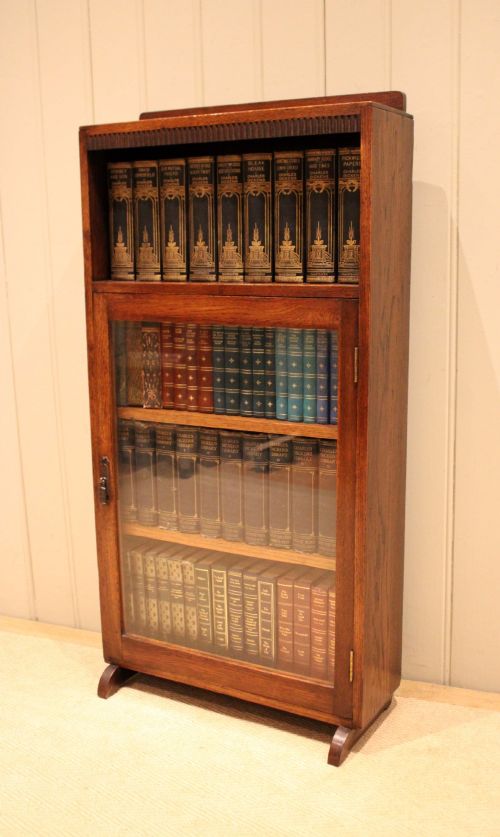
A narrow glazed bookcase provides upright book storage and display while taking up minimal wall space in a room.
Narrow Glazed Bookcase
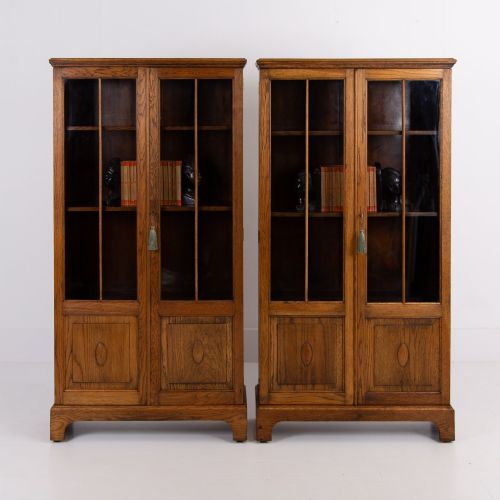
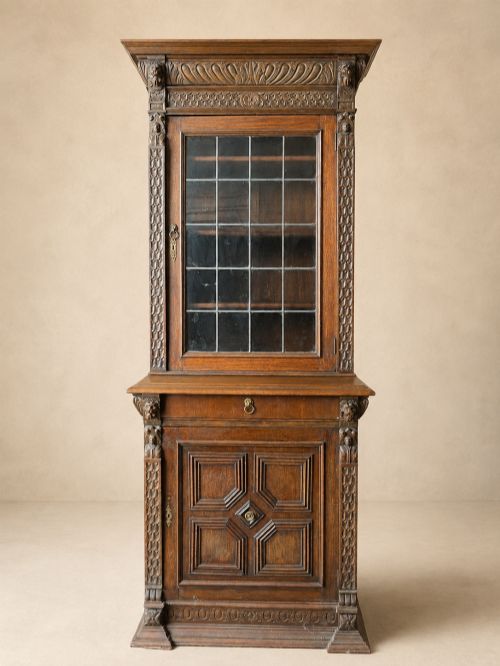
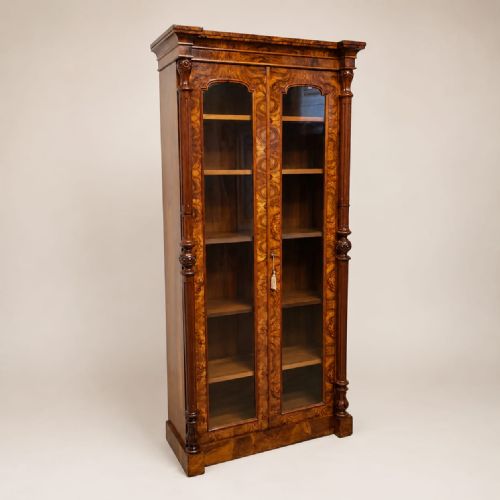
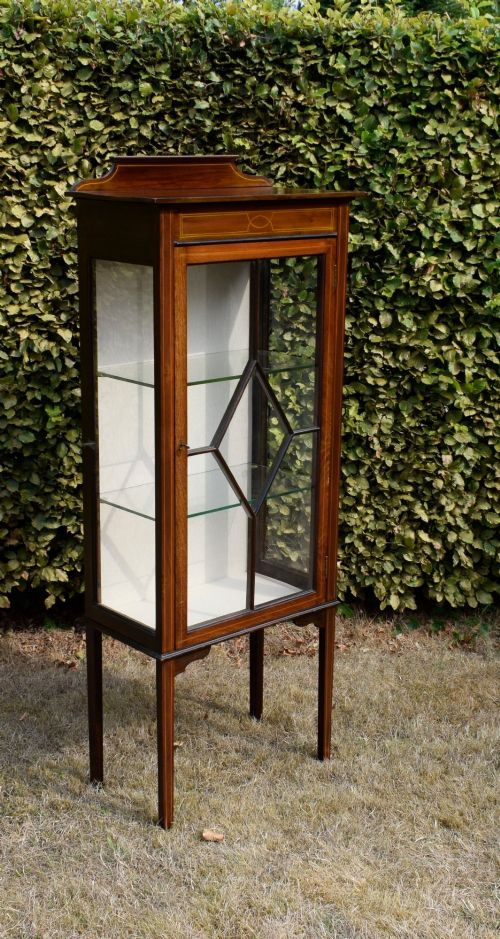
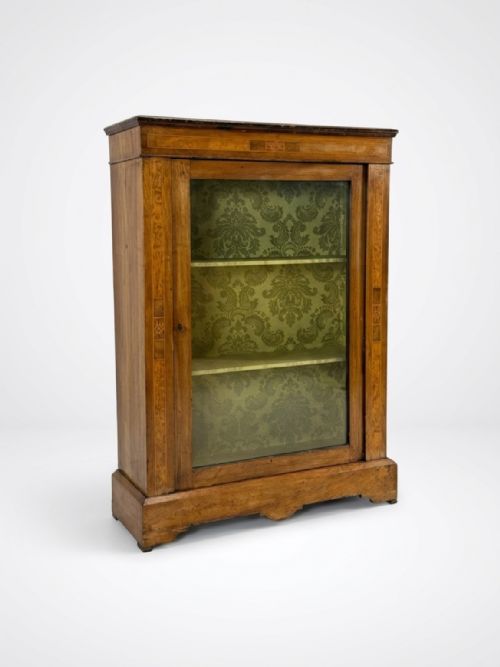
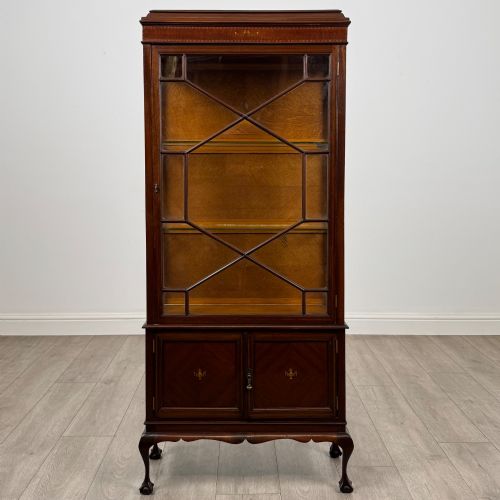
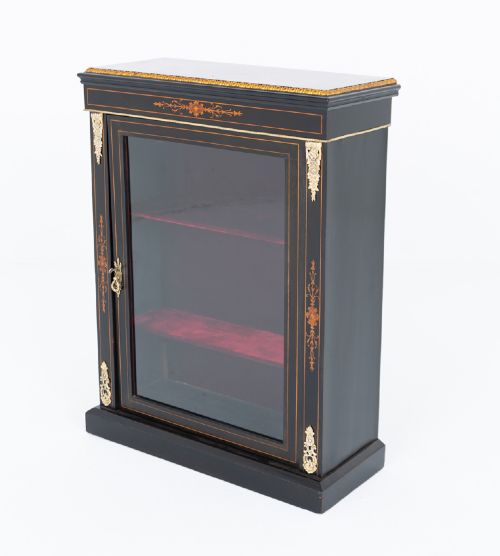
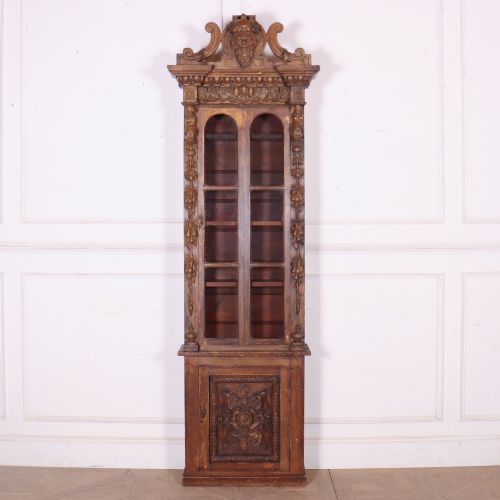
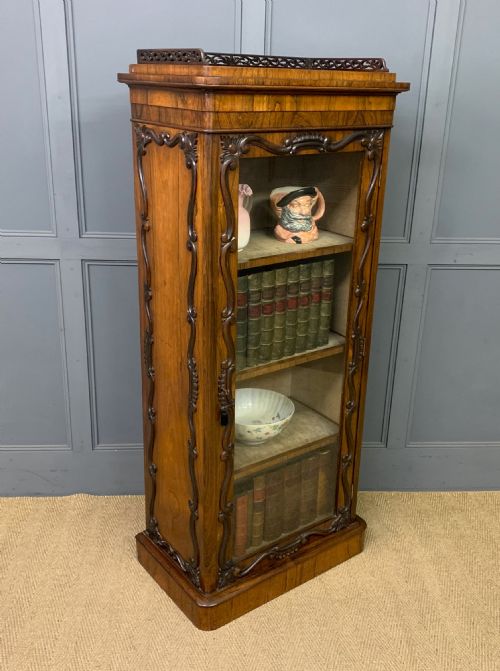
A narrow glazed bookcase is a tall, compact piece of furniture designed to house books and display objects behind glass doors. When you search for this phrase, you encounter pieces spanning the nineteenth and twentieth centuries, including Victorian and Edwardian examples.
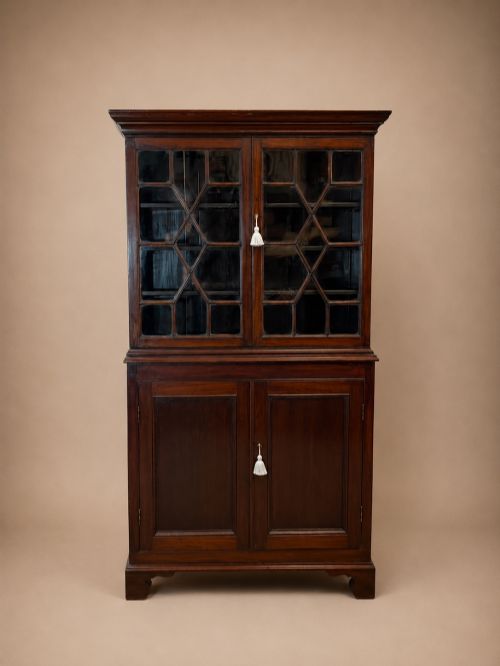
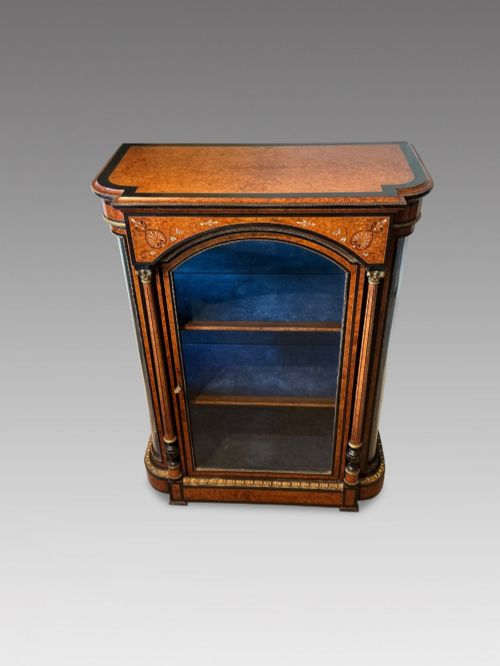
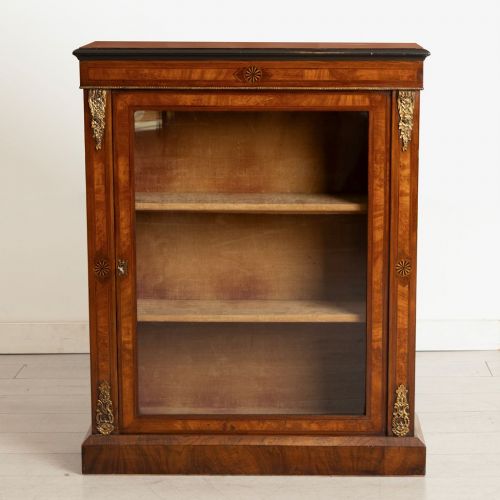
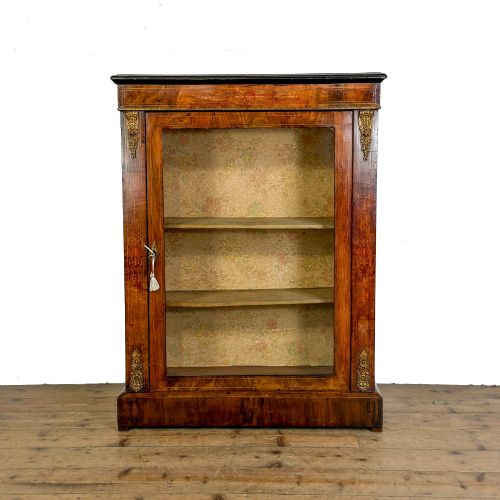
The selection ranges from freestanding pier cabinets and slim display units to tall bookcases built with lower cupboards. Walnut, mahogany, and oak form the primary wood choices across these vertical storage formats.
Victorian and Edwardian workshops produced many of these slender cabinets, often incorporating glazed doors to protect volumes from dust while maintaining a clear view of the interior shelves.
How they were made
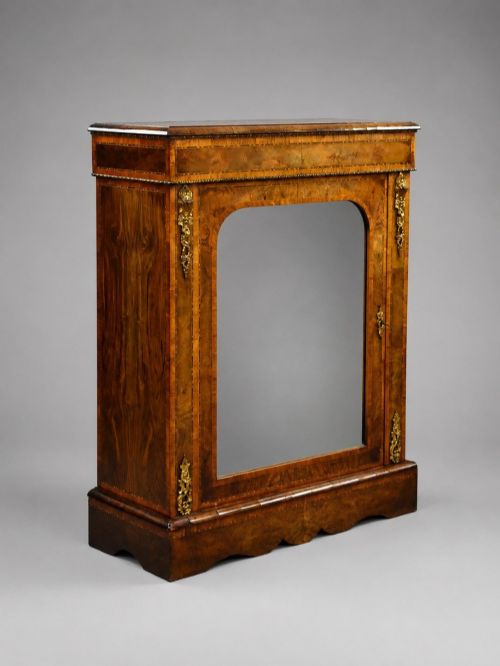
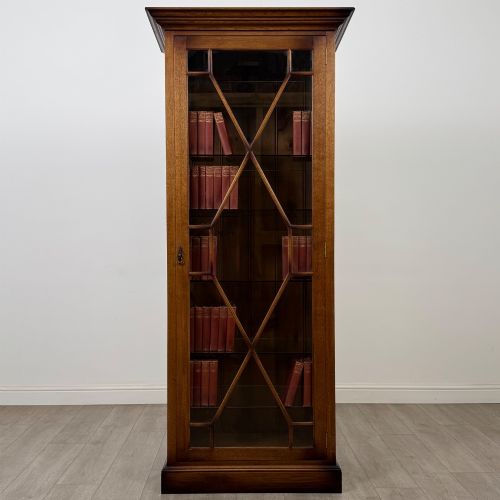
Cabinet makers utilised solid timbers and decorative veneers such as burr walnut, rosewood, and mahogany over supportive framing. Glass panels were fitted into wooden doors or delicate astragal frameworks to enclose the upper sections.
Inlay work, brass mounts, and ebonised finishes frequently decorated the exterior surfaces of Victorian and Edwardian models. Carved details and painted finishes also appear on pieces originating from regional English and continental workshops.
Narrow Glazed Bookcase Retail Price Guide 2026
Typical asking prices for narrow glazed bookcase among the pieces listed under this phrase on Sellingantiques today, from the lower quarter to the upper quarter. They describe what is for sale here now, not the wider market.
Some nineteenth-century cabinets include hidden compartments behind the shelves for storing secret letters and small valuables.
What varies in quality
The refinement of the timber selection and the precision of the veneer matching dictate the visual weight of the piece. Figures in walnut or mahogany display greater depth on cabinets where timber grain is carefully aligned across the doors and frame.
Joinery execution in the drawer linings and door frames separates standard utility furniture from finer exhibition pieces. Integrated marquetry, satinwood stringing, and well-cast ormolu mounts signal a higher grade of manufacture.
James Winter·Gillows of Lancaster·Minty
The Narrow Glazed Bookcase Glossary
- Astragal glazed
- A glass door divided into smaller panes by narrow wooden bars called glazing bars. This method creates a grid pattern across the front of the bookcase.
- Pier cabinet
- A low or tall slender cabinet designed to stand against the wall space between windows. These pieces frequently feature glass doors and decorative inlays.
- Burr walnut
- Timber taken from the wart-like growth on a walnut tree, yielding highly figured grain patterns. Cabinet makers prized this wood for decorative veneering.
- Ebonised
- Wood stained or treated to imitate ebony. This dark finish gained popularity during the Victorian period for display cabinets.
- Marquetry
- The art of applying pieces of veneer to a structure to form decorative patterns. Craftsmen utilised various coloured woods to create floral or geometric designs.
Narrow Glazed Bookcase: Frequently Asked Questions
Where should I place a narrow glazed bookcase?
These compact cabinets suit tight wall spaces, hallways, or corners where a standard bookcase would prove too wide. Their vertical proportions maximise storage without dominating the room.
Position them away from direct sunlight to protect antique timber veneers and book bindings from fading over time.
How do I clean the glass and wood?
Dust the timber surfaces regularly with a soft, dry cloth to prevent dirt accumulation. Avoid silicone sprays or harsh chemical polishes that can damage older finishes.
Clean the glass panes using a mild glass cleaner applied to a cloth rather than sprayed directly onto the surface, protecting the surrounding wood.
Can these cabinets hold heavy books?
Most narrow bookcases feature adjustable or fixed wooden shelving designed for standard volumes. Assess the thickness and support of each shelf before loading heavy or folio-sized books.
Distribute weight evenly across the shelves to prevent bowing in older timber boards.
How do I identify the wood type?
Examine the grain pattern, colour, and weight of the timber visible on the exterior and interior surfaces. Mahogany typically shows a reddish-brown tone with fine straight lines, while walnut exhibits darker, swirling figures.
Veneered surfaces require close inspection at the edges to distinguish the primary face wood from the underlying secondary timber.