

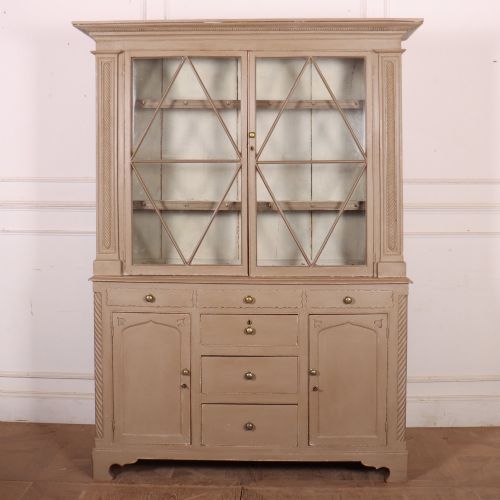

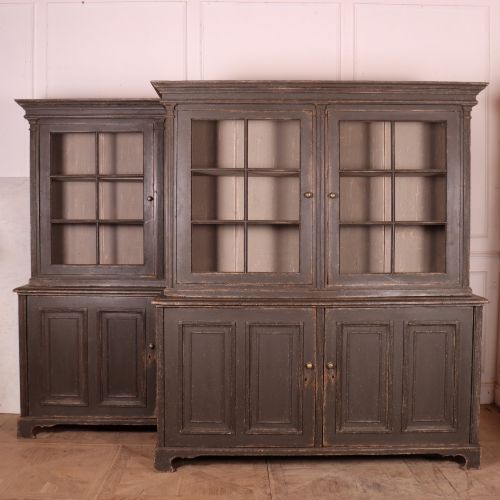
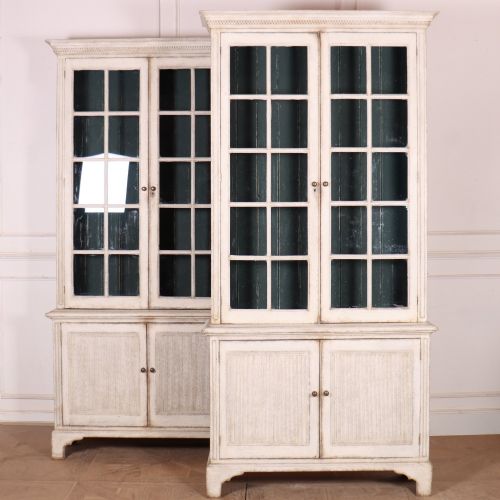
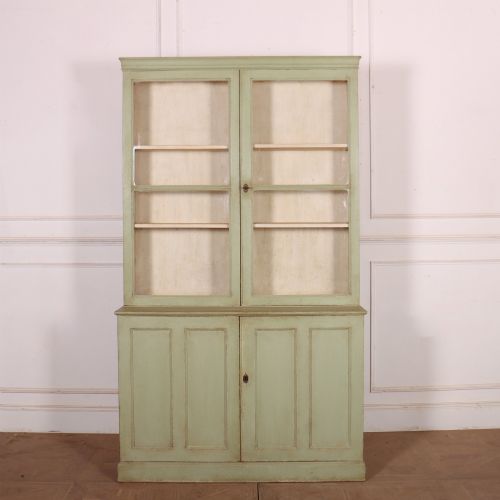
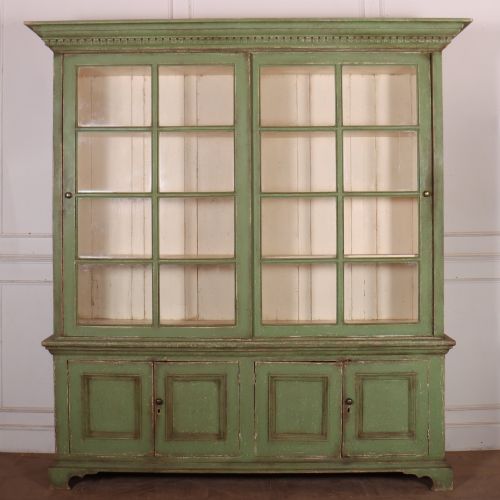
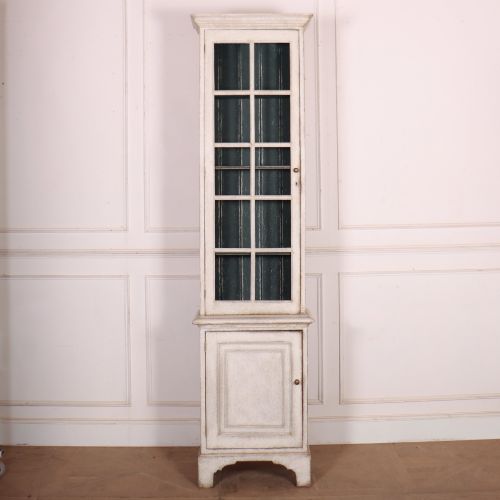
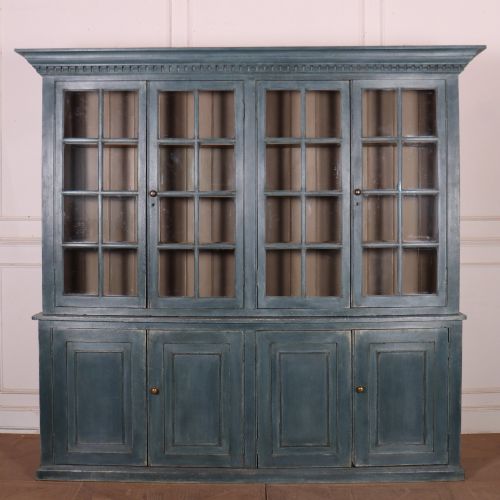
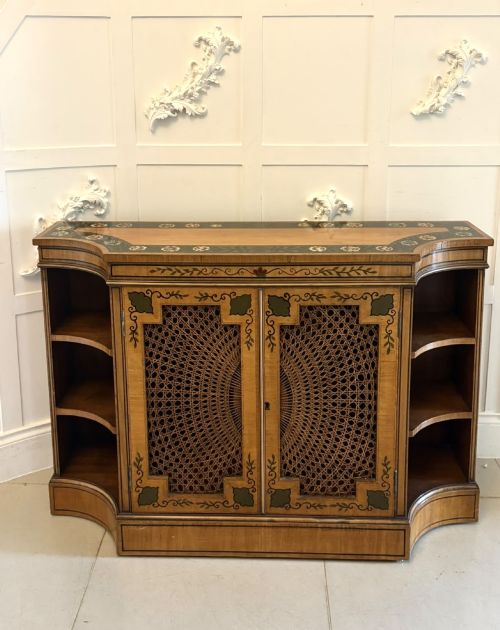
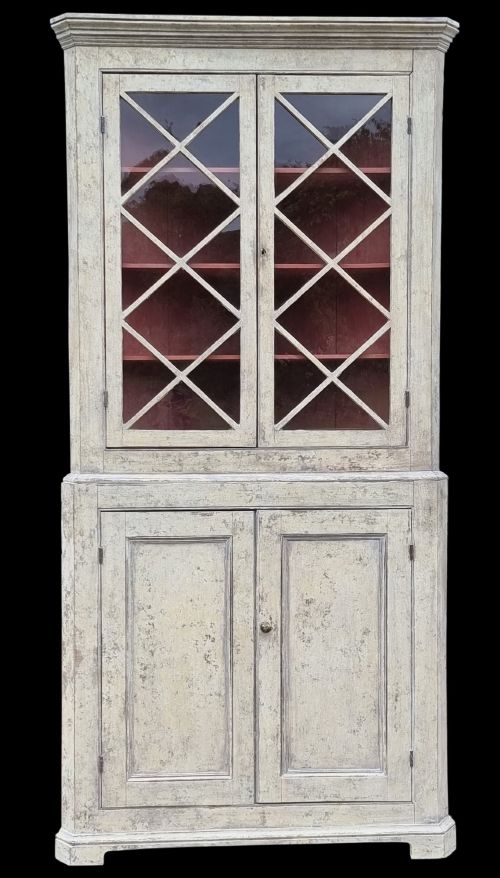
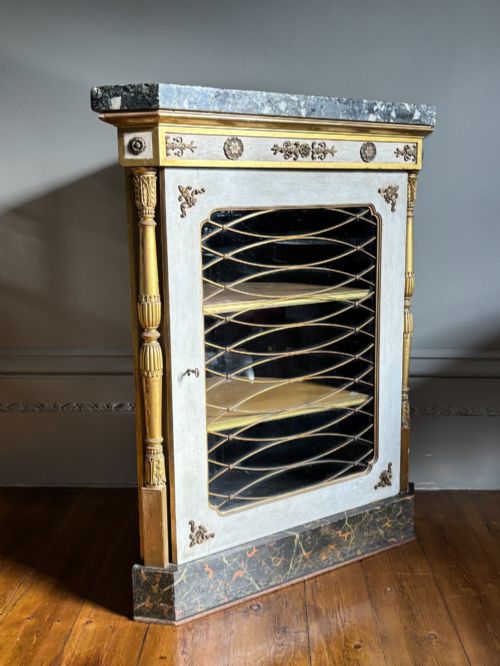
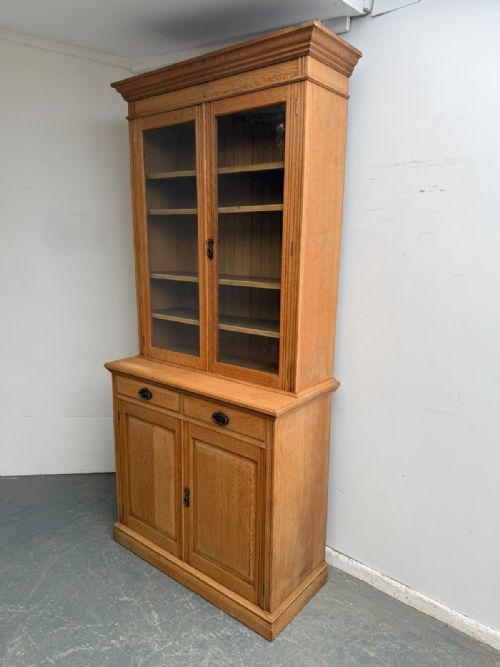
Painted Display Cabinet
When you search for a painted display cabinet, you are looking at glazed timber furniture designed to showcase porcelain and decorative objects behind glass.
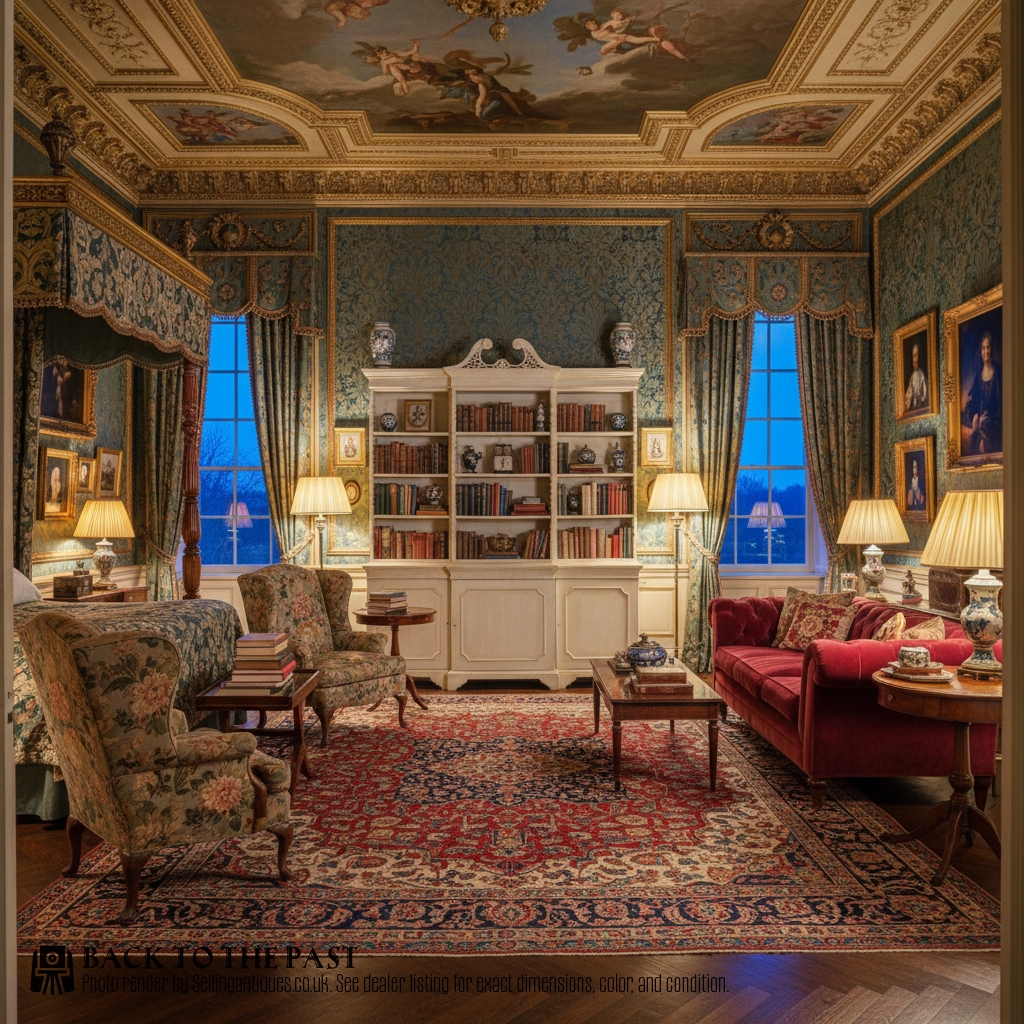
Painted Display Cabinet
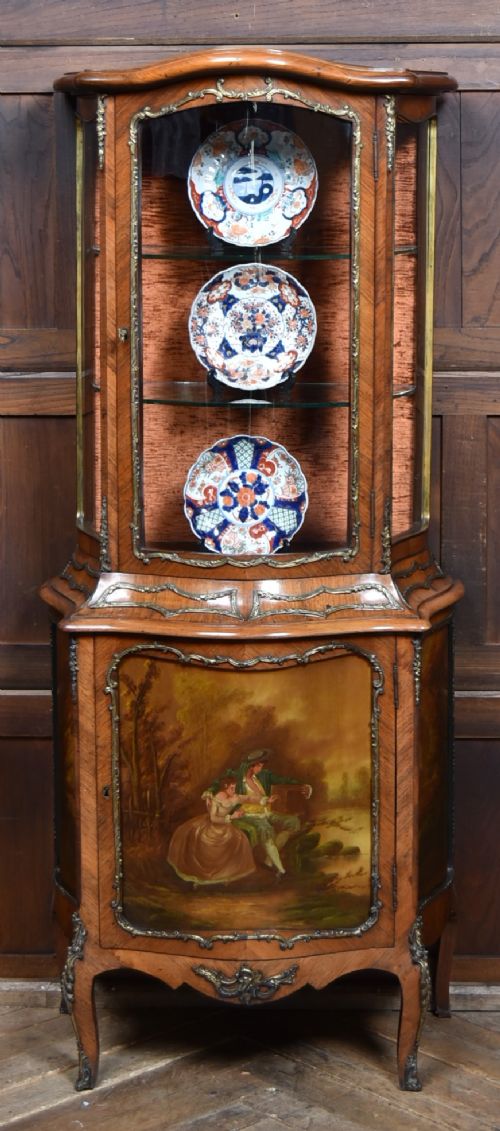
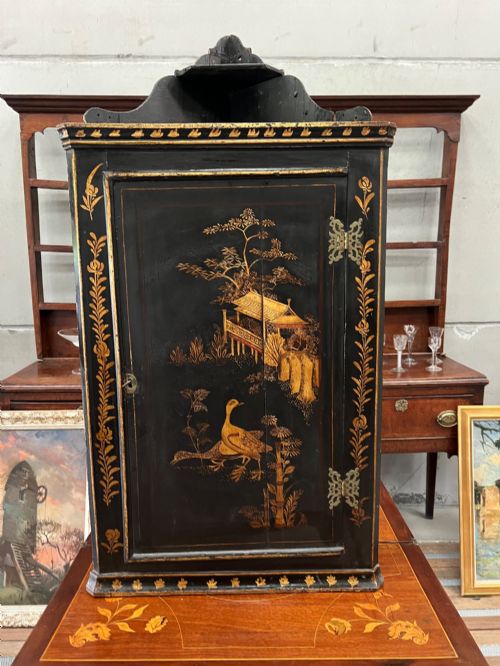
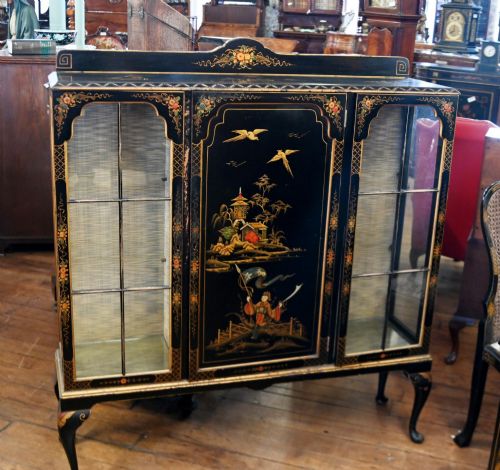
A painted display cabinet brings together timber carcases and glass glazing to exhibit collections of ceramics and small ornaments within domestic rooms. These pieces emerge in forms such as breakfront bookcases, corner cupboards, wall étagères, and freestanding vitrines from various periods.
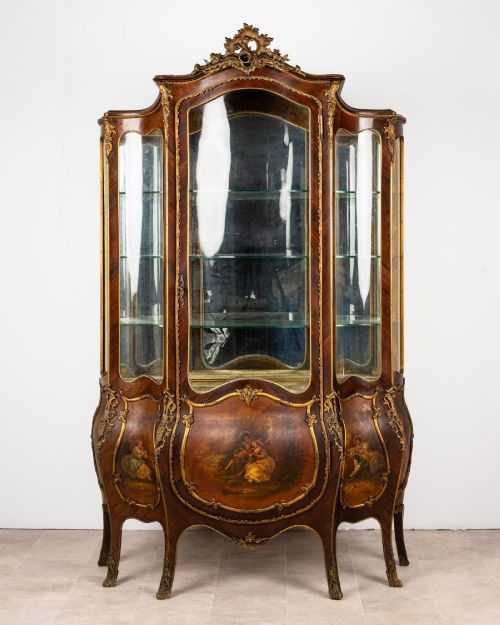
The selection ranges widely across stylistic revivals and vernacular traditions. Pieces span from Edwardian satinwood satin-finished demi-lune cabinets and Victorian mahogany designs to French Vernis Martin bombé vitrines and rustic pine kitchen cupboards.
Makers and workshops across Britain, France, Sweden, and China utilised traditional joinery to produce these storage forms. Buyers encounter items featuring glazed doors, open shelving, and painted or lacquered surfaces tailored for interior display.
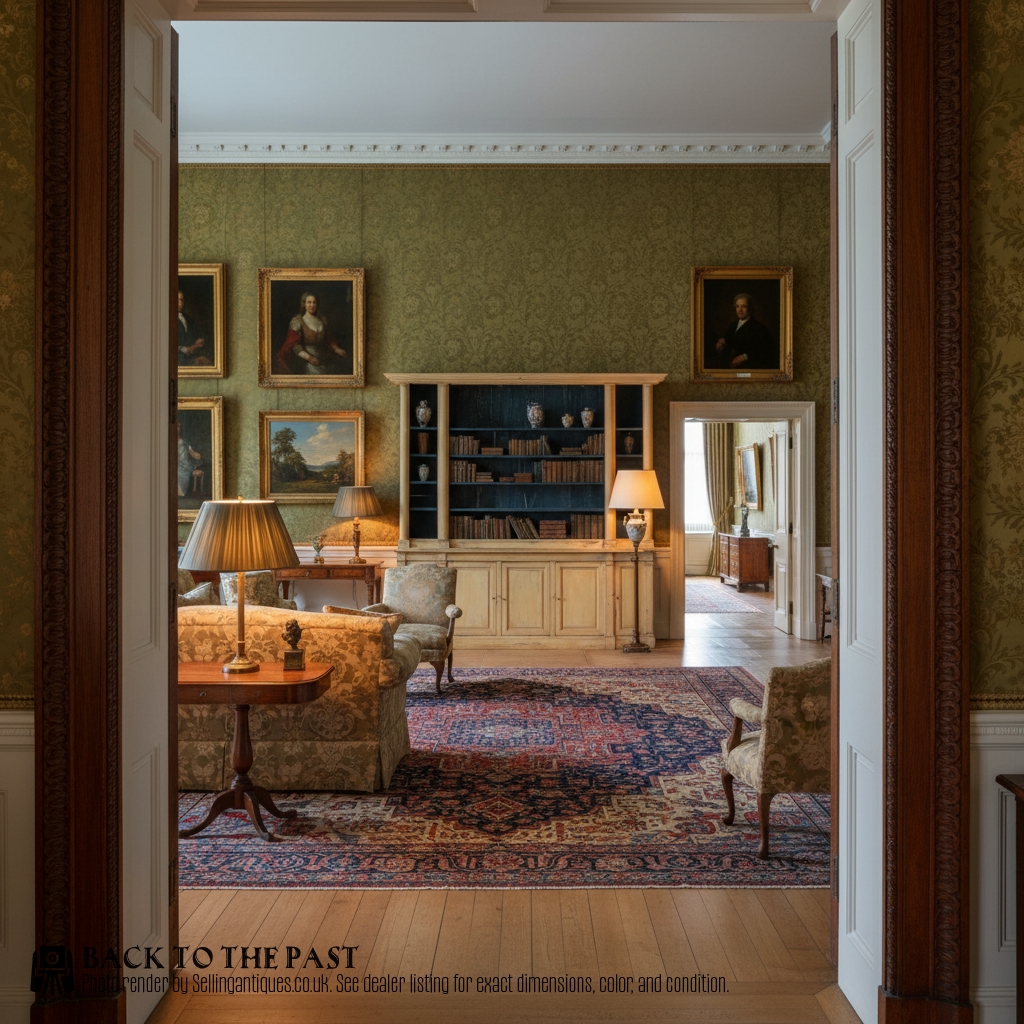
Materials and Construction
Carcases rely on foundational timbers such as mahogany, satinwood, pine, and oak, frequently embellished with gilt bronze mounts, ormolu, marble tops, and brass hardware. Glass panels are secured within astragal glazing bars to form the viewing doors.
Surface treatments define the visual identity of these items. Workshops applied original hand-painted decoration, red lacquer, gold leaf, and Vernis Martin finishes over wood substrates to achieve distinct aesthetic impacts.
Painted Display Cabinet Retail Price Guide 2026
Typical asking prices for painted display cabinet among the pieces listed under this phrase on Sellingantiques today, from the lower quarter to the upper quarter. They describe what is for sale here now, not the wider market.
Several items on this page were built specifically to house delicate bird and fruit plates painted by named ceramic artists.
Quality and Execution
The degree of refinement in a painted display cabinet rests upon the execution of the hand-painted decoration and the choice of primary timber. Finer examples display detailed floral or figurative motifs on satinwood or mahogany rather than plain or distressed pine surfaces.
Structural complexity also dictates the tier of the piece. Breakfront configurations, serpentine fronts, and bespoke hardware such as branded locks elevate the object above standard utilitarian cupboards.
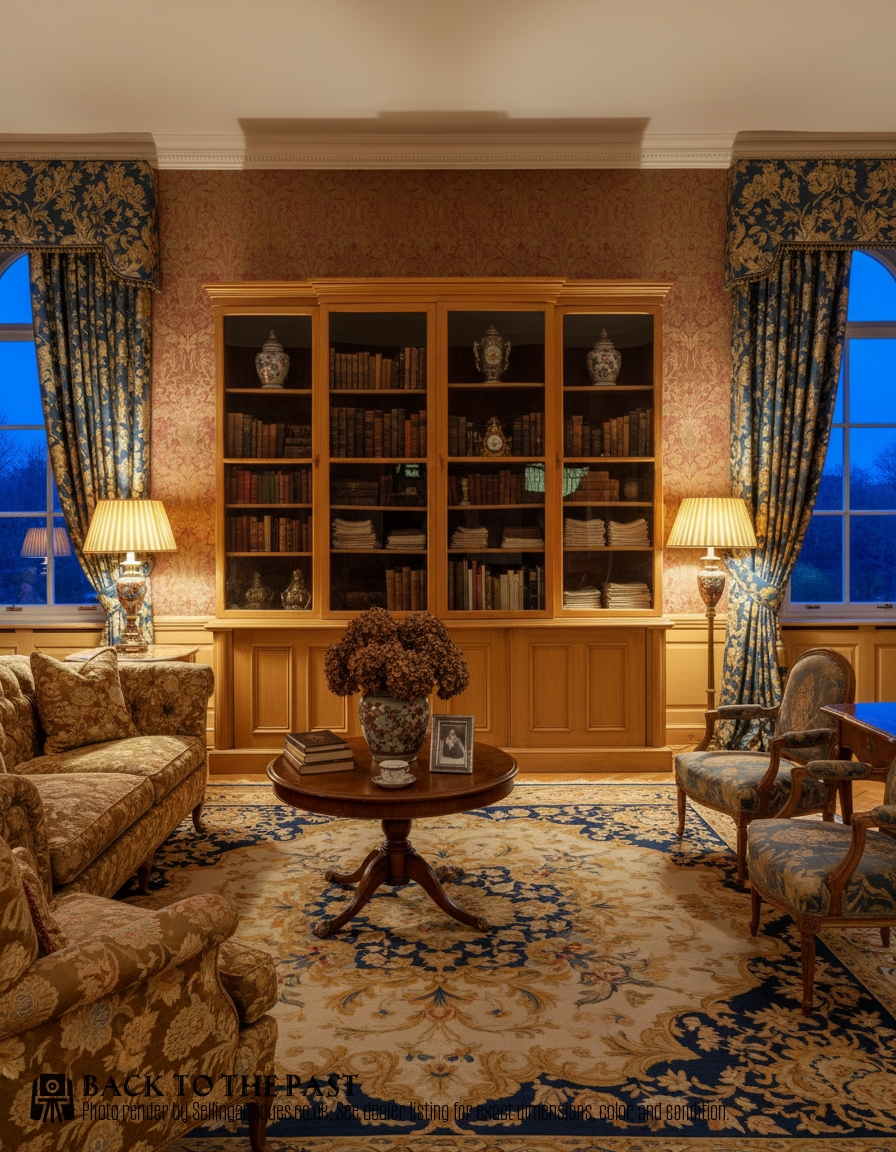
Hampton & Sons London·Hobbs & Sons·Royal Worcester·H & R Daniel·Royal Crown Derby·Meissen·Wedgwood·Berlin
The Painted Display Cabinet Glossary
- Astral Glazed
- Windows or cabinet doors divided into smaller glass panes by wooden framing bars known as astragals.
- Vernis Martin
- A simulated Japanese lacquer technique developed in eighteenth-century France and emulated in later revival furniture.
- Bombé
- A swelling, outward-curving furniture shape associated with continental cabinet making.
- Vitrine
- A glass-fronted display cabinet specifically built for exhibiting porcelain and small objects.
- Demi-Lune
- A half-moon shape used for table and cabinet footprints designed to sit flat against a wall.
Painted Display Cabinet: Frequently Asked Questions
What were painted display cabinets used for originally?
These furnishings were created to house and protect valuable porcelain collections, decorative plates, and cabinet cups from dust while keeping them visible in drawing rooms and dining parlours.
Over time, collectors adapted them to display diverse objects, combining functional storage with interior decoration.
How do I identify a Victorian piece?
Victorian cabinets often utilise dense timbers like mahogany and incorporate glazed doors with traditional joinery methods characteristic of the nineteenth century.
They frequently feature original painted decoration or dark wax finishes applied over pine and hardwood carcases.
Where should I place a cabinet in my home?
Position your cabinet away from direct sunlight to protect painted surfaces and delicate interior contents from fading over time.
Ensure the floor is level so that heavy glazed doors hang true and close evenly against the timber frame.