


Antique Kitchen Hutch
An antique kitchen hutch brings utilitarian heritage into domestic spaces, offering sturdy storage and display surfaces formed from timber.
Antique Kitchen Hutch
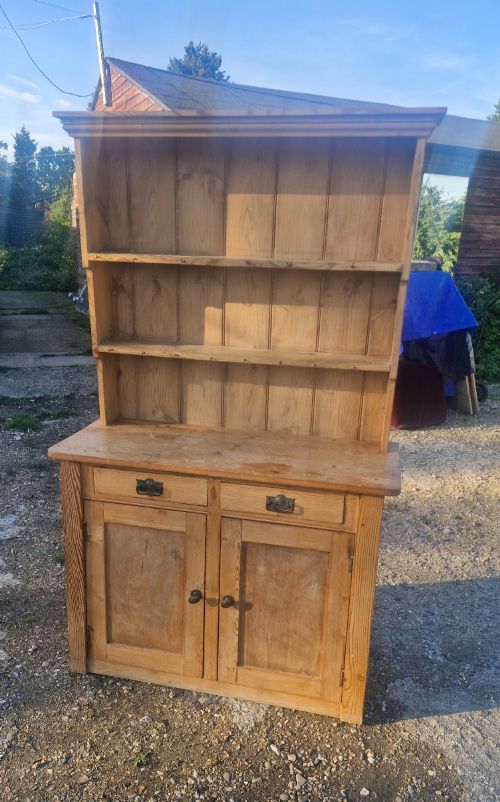
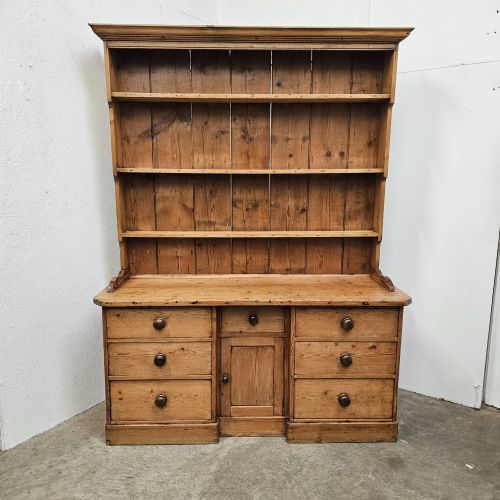
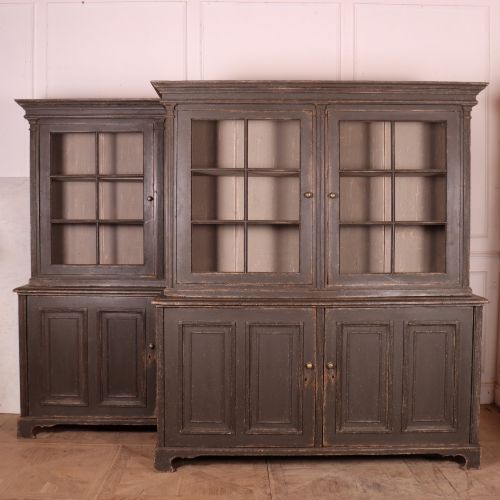
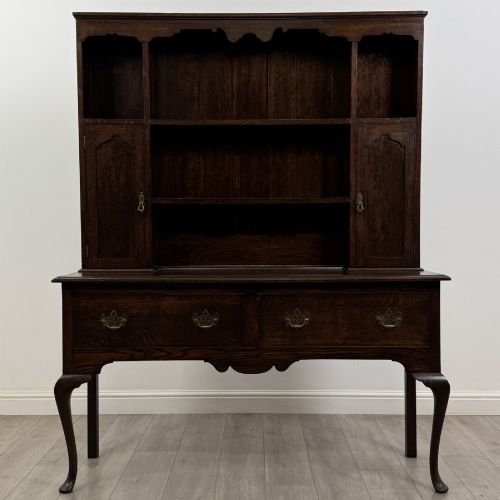
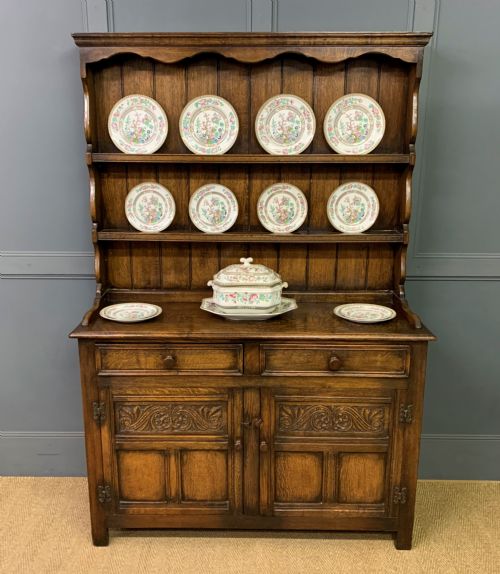
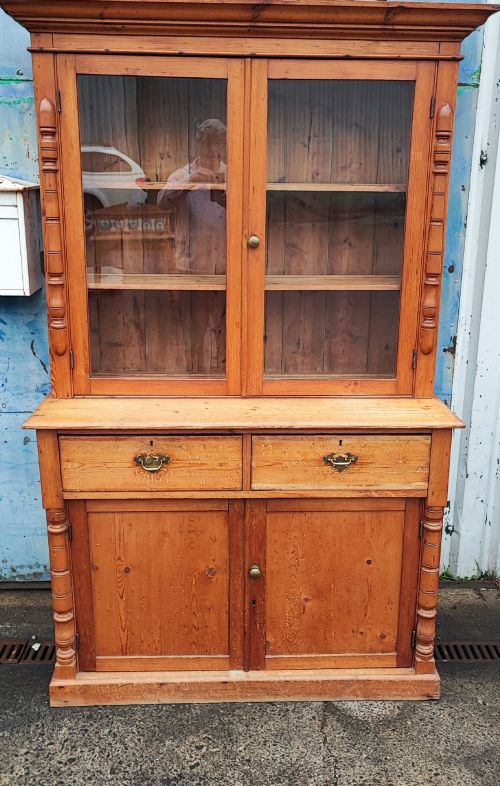
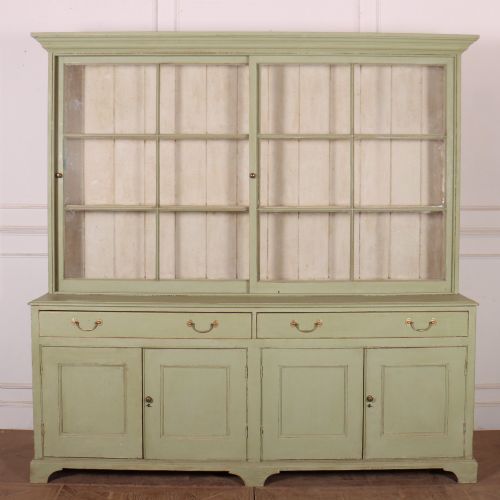
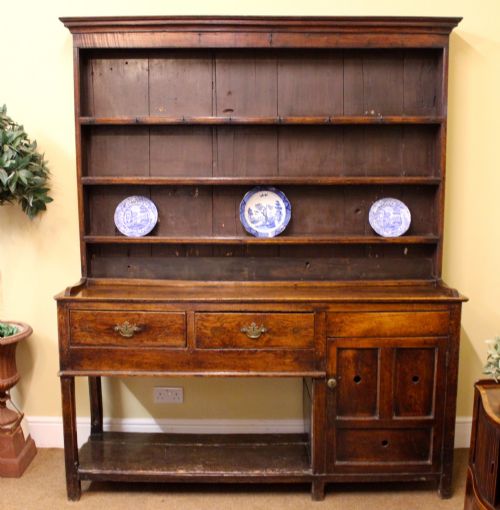
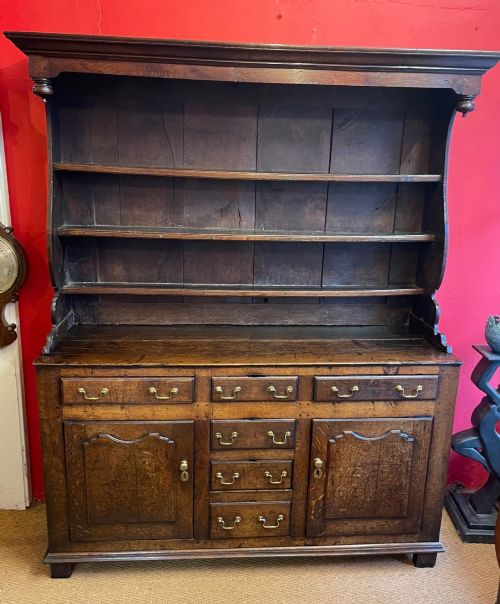
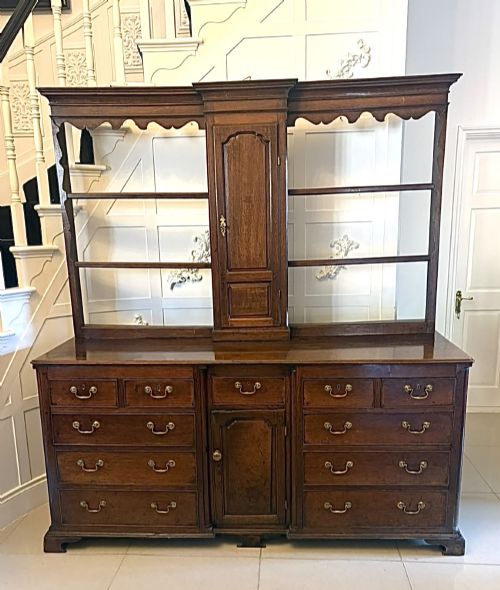
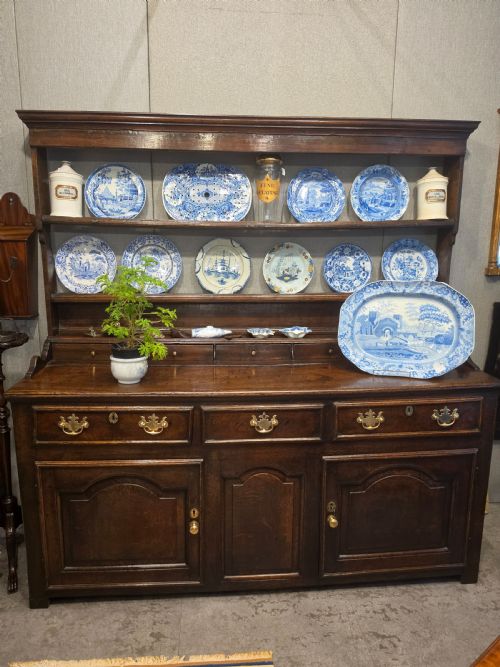
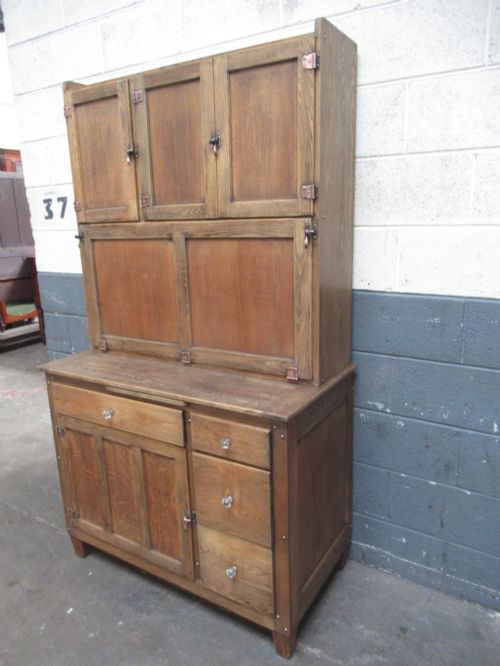
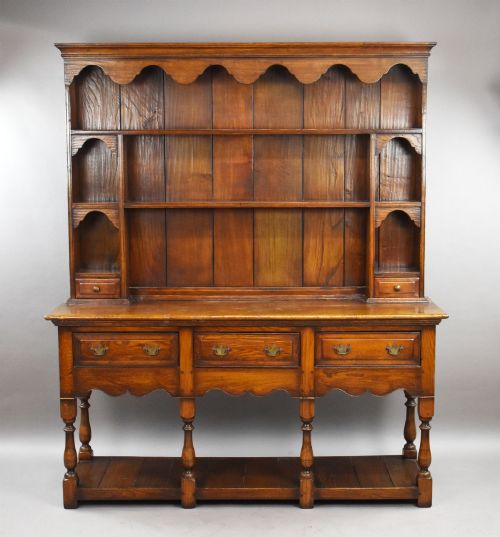
The search for an antique kitchen hutch encompasses substantial storage furniture designed for culinary and domestic utility, predominantly appearing in regional British and European forms. These pieces combine lower cabinets or drawer sections with upper plate racks or shelving units, originating from periods spanning the eighteenth, nineteenth, and early twentieth centuries. The listings demonstrate that buyers most frequently encounter vernacular pine and oak examples, often described as dressers, featuring open shelving or glazed doors.
Regional variations dominate the selection, with Welsh, English Country, and French Provincial pieces appearing alongside Arts and Crafts designs. Formats range from massive multi-door configurations to very small cottage models, reflecting the diverse domestic scales of their original environments. The primary function remains the housing and display of household ceramics and provisions, utilising solid timber construction built for daily service.
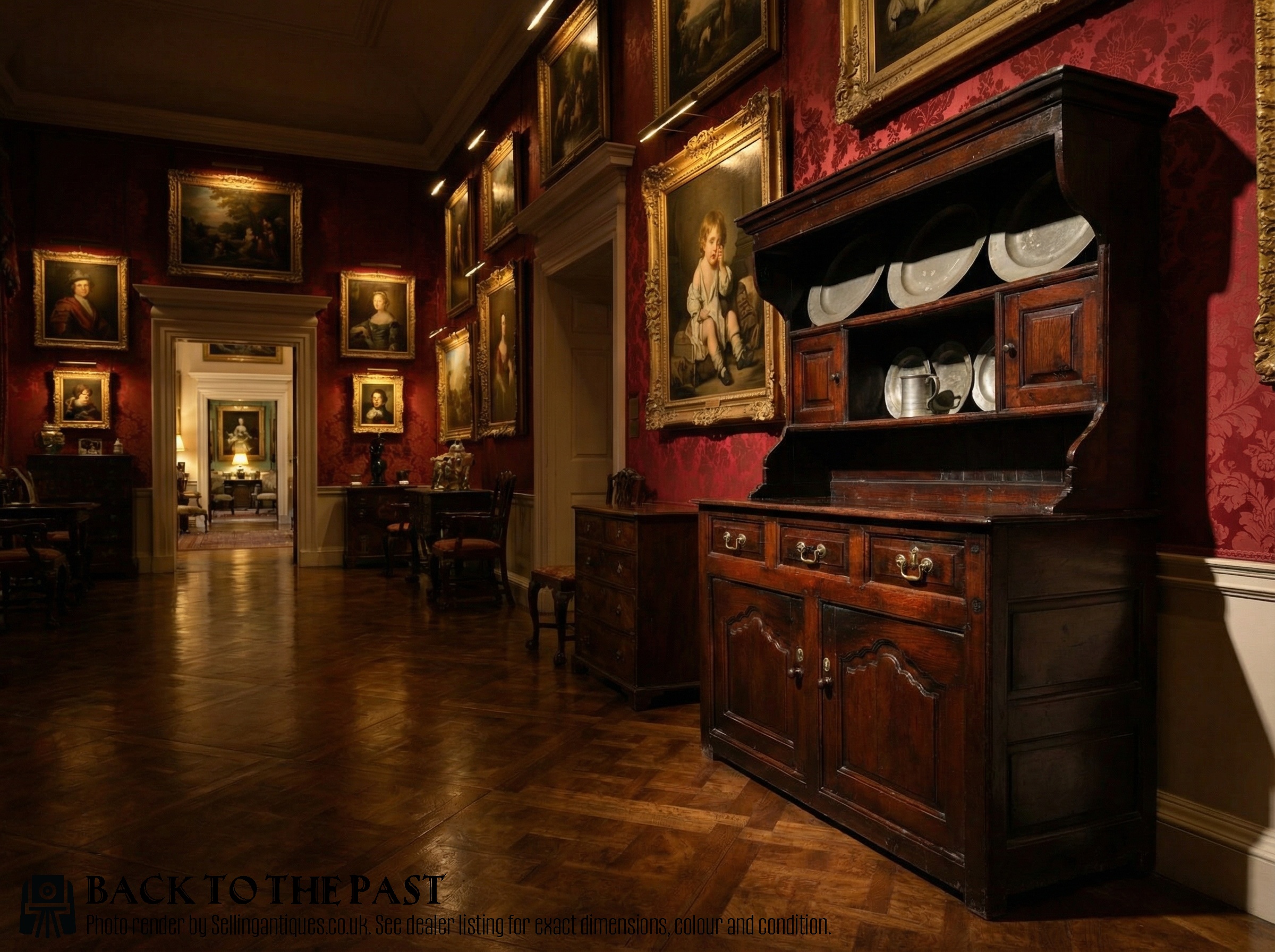
Materials and construction methods
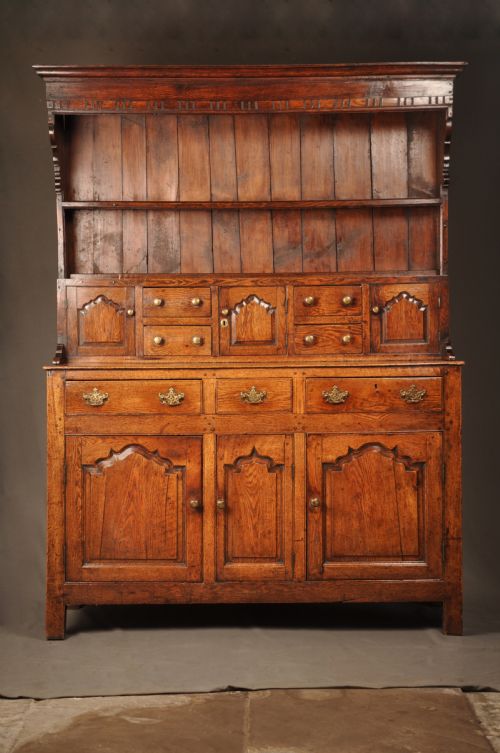
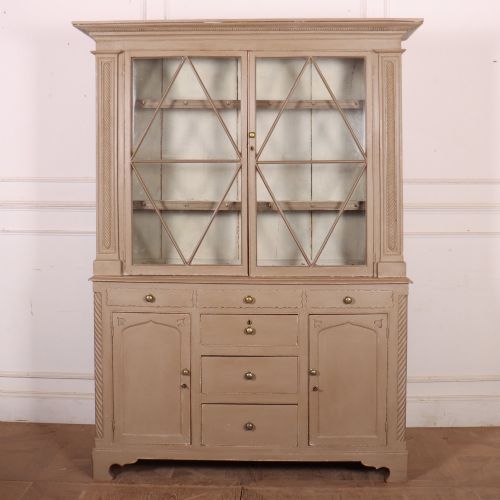
Construction relies heavily on native hardwoods and softwoods, principally oak and pine, supplemented by walnut, mahogany, and fruitwoods. Artisans utilised traditional joinery techniques suited to heavy domestic service, creating robust two-piece carcasses that separate upper plate racks from lower base cabinets. Surface treatments vary widely from waxed patinas and natural grain finishes to historical painted schemes in cream, teal, or folk art designs.
Hardware and secondary elements incorporate brass pulls, iron hinges, ceramic details, and glass panes for upper glazed doors. Structural articulation ranges from plain country framing to intricate carved details, such as green man motifs, breakfront drawers, and inlaid woodwork found in Snowdonia examples. The structural integrity depends on the density of the timber and the precision of the hand-cut joints.
Antique Kitchen Hutch Retail Price Guide 2026
Typical asking prices for kitchen hutch among the pieces listed under this phrase on Sellingantiques today, from the lower quarter to the upper quarter. They describe what is for sale here now, not the wider market.
Materials range from glazed glass and brass hardware to folk art painted pine in regional Alpine and Scandinavian styles.
Assessment of quality
Quality in these storage units rests upon the integrity of the timber selection and the retention of original surfaces. Pieces displaying uncompromised patination, untouched hardware, and coherent regional vernacular design stand apart from heavily altered examples. The depth of the timber grain and the crispness of hand-carved details signal superior craftsmanship.
Proportion and scale dictate the visual success of the piece, where harmonious balance between the upper plate rack and the lower base cabinet marks superior design. The presence of original painted finishes or stable, aged wax coatings preserves the historical authenticity that distinguishes finer workshops.
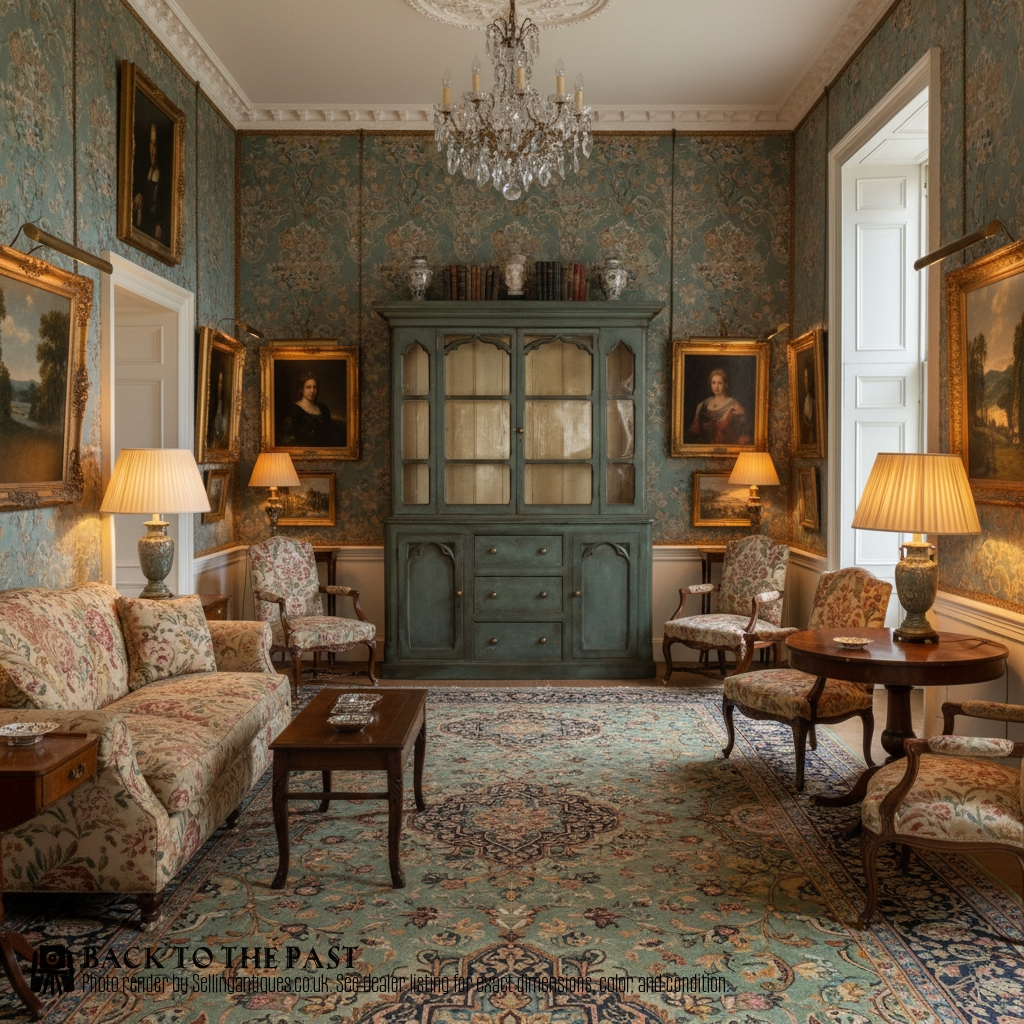
Heals of London
The Antique Kitchen Hutch Glossary
- Plate rack
- An upper wooden shelving unit designed to display plates and platters vertically. These racks typically feature grooved plate rails to prevent crockery from slipping.
- Belly rack
- A vernacular cabinet form featuring a protruding central lower section or drawer arrangement. This style provides increased storage capacity in the base.
- Patina
- The surface sheen and coloration developed through decades of handling, polishing, and natural oxidation. A desirable patina indicates genuine age and minimal surface disruption.
- Breakfront
- A cabinet design where the central section projects forward from the flanking outer sections. This architectural arrangement adds depth and visual interest to the piece.
- Vernacular
- Domestic furniture built by regional craftspeople using local materials and traditional methods rather than following high-style metropolitan patterns.
Antique Kitchen Hutch: Frequently Asked Questions
How do I date an antique kitchen hutch?
Dating relies on examining construction methods, timber species, and design characteristics recorded across the eighteenth to early twentieth centuries. Earlier pieces often feature hand-cut joints and native oak, while later Victorian and Edwardian examples incorporate pine and machine-sawn elements.
Hardware styles, backboard construction, and painted finishes also provide chronological markers. Comparing regional traits helps narrow the manufacturing period.
What is the difference between a hutch and a dresser?
In regional British and European terminology, pieces combining lower storage cabinets with upper plate racks are primarily termed dressers. The search phrase often groups these versatile storage units interchangeably with hutches and cabinets.
Both forms serve the dual purpose of concealing kitchen provisions and displaying ceramic tableware. The distinction generally lies in regional dialect rather than structural function.
Are these pieces suitable for modern kitchens?
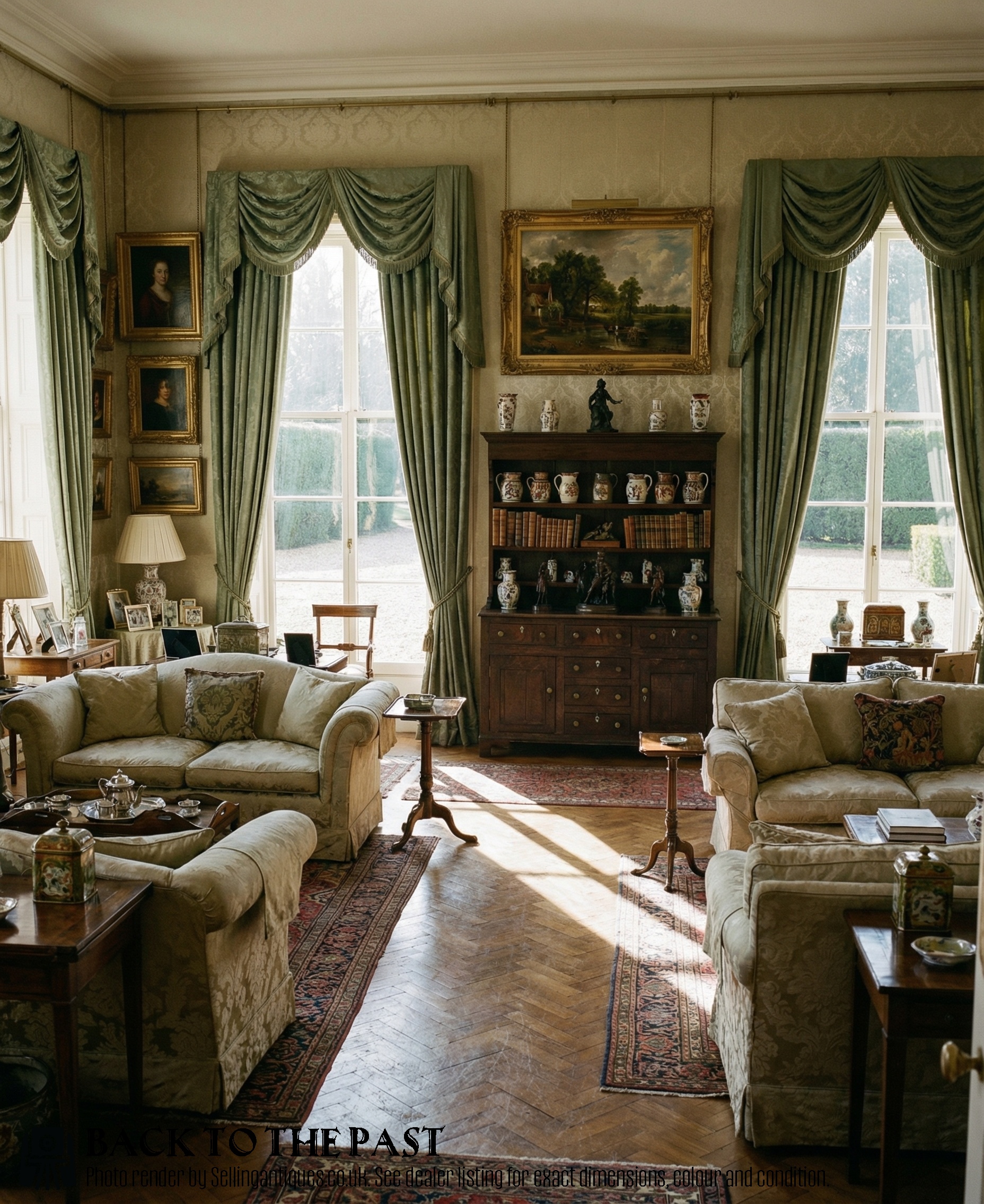
These robust wooden cabinets integrate effectively into contemporary domestic interiors by providing generous surface space and vertical storage. Their substantial timber construction handles daily use while adding historical character to modern spaces.
Proper placement requires measuring ceiling heights and floor space to accommodate larger two-piece formats. Open shelving and glazed upper doors offer practical display areas for everyday dishware.
How should I care for a painted pine hutch?
Preserving historical painted surfaces requires avoiding harsh chemical cleaners and modern solvent-based polishes. Dusting with a dry or slightly damp microfiber cloth maintains the finish without lifting fragile pigments.
Keeping the timber away from direct heat sources and extreme humidity prevents wood movement and flaking paint. Waxed pine surfaces benefit from periodic application of natural beeswax to nourish the grain.