
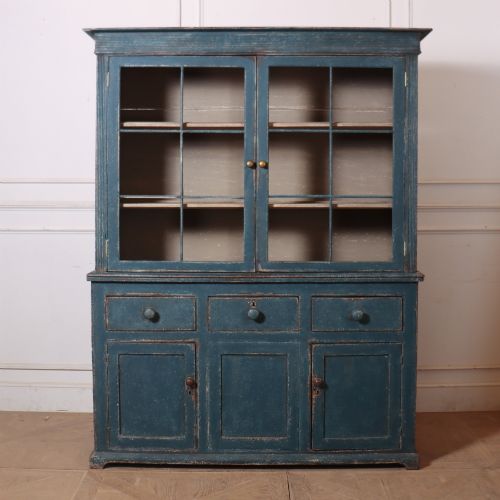


West Country Dresser
A west country dresser brings robust provincial charm to a room, offering generous storage alongside distinctive regional character.
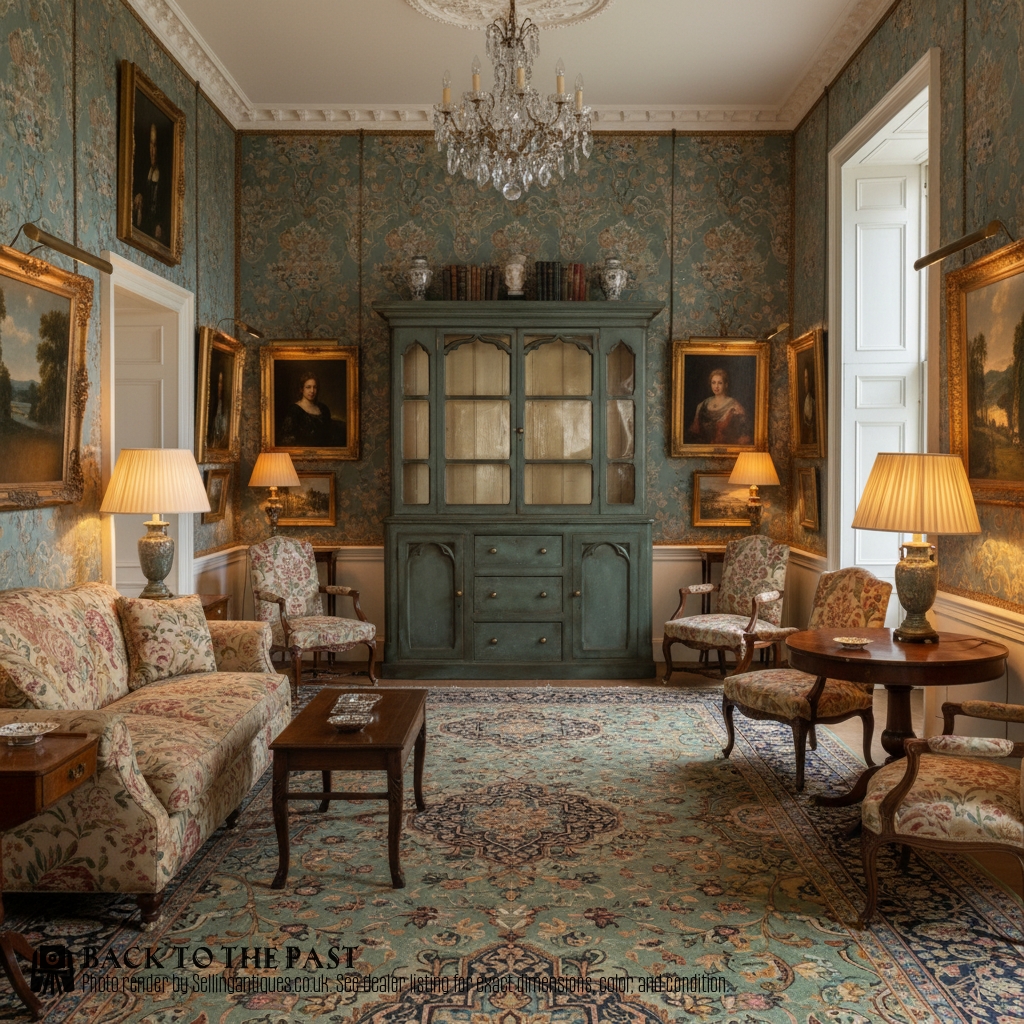
Defining the West Country Dresser
A west country dresser serves as a traditional focal point for storage and display, originating from the counties of the English southwest. These pieces combine lower cupboards or drawer bases with upper plate racks, sometimes configured with glazed doors or entirely open shelving.
Buyers encounter forms ranging from substantial 18th-century kitchen furniture to Victorian pine examples and simpler dresser bases without upper sections. The regional vernacular shows in the proportions and the practical layout designed for rural domestic life.
The style spans periods including the 18th century, the Victorian era, and around eighteen-fifty, reflecting practical craftsmanship across generations. Kitchen dressers and farmhouse variants dominate the selection, often associated with English provincial design traditions.
Materials and Construction
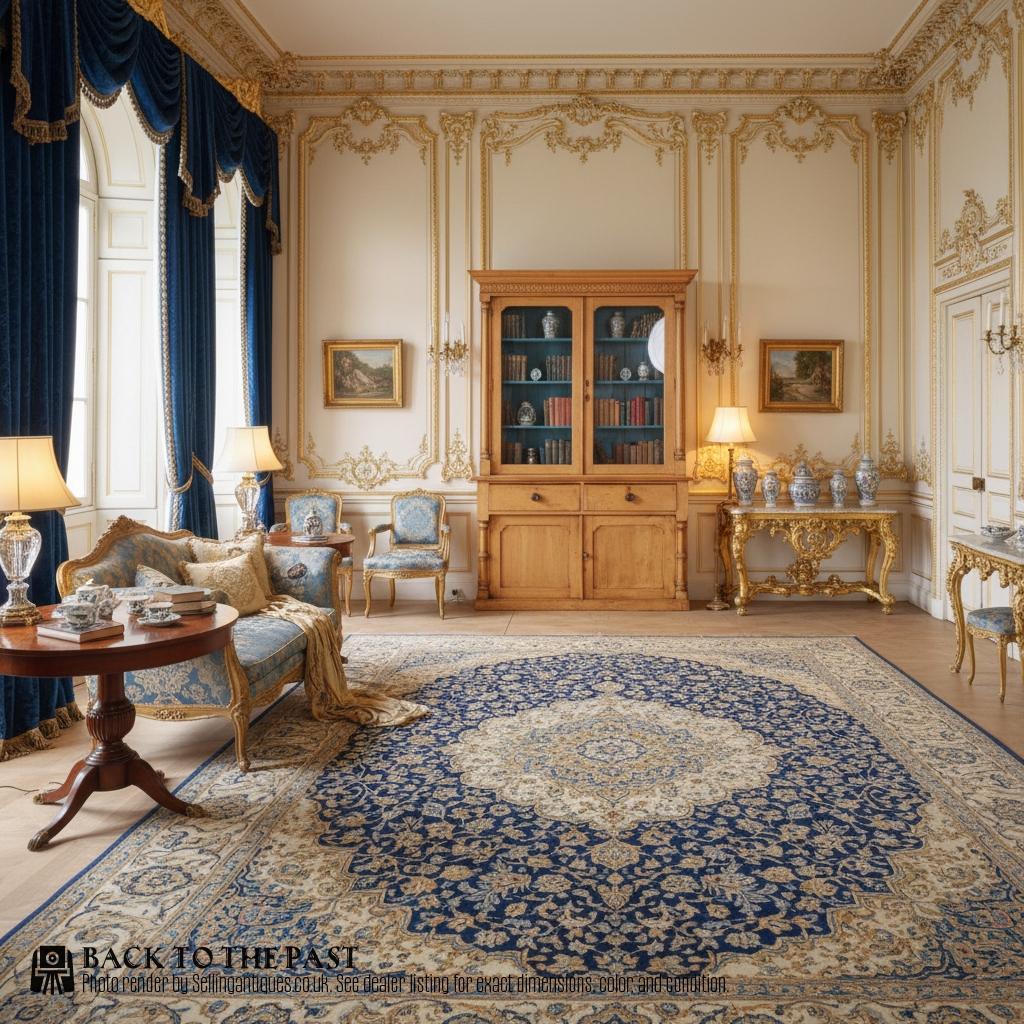
Makers constructed these regional pieces primarily in solid pine, oak, elm, and occasionally mixed woods suitable for everyday utility. Surfaces frequently retain original painted finishes, scraped interior paint, or grained exteriors applied during the nineteenth century.
Hardware details incorporate brass fixtures, whilst glazed sections utilise glass panels set into wooden frames to enclose the upper storage area. Construction techniques prioritise functional durability, resulting in sturdy bases and stable frameworks intended for heavy domestic service.
Retail Price Guide 2026
Typical UK retail prices for west country dresser, calculated from the Sellingantiques database of over a million retail prices indexed since 2003. This retail price guide relies exclusively on Sellingantiques data; no external sources or auction records are used, so the figures do not describe the wider market.
Listings feature pine, oak, and elm alongside glass and brass, spanning the eighteenth and nineteenth centuries.
Assessing Quality and Character
The distinction between examples lies in the survival of original painted surfaces, untouched patination, and timber selection. Pieces retaining their early glazed top sections command attention for their completeness and visual impact within a room.
Proportion and scale also define the hierarchy, ranging from compact two-drawer side tables to enormous farmhouse constructions. Intact period brassware and original internal paint finishes further elevate the integrity of a piece.
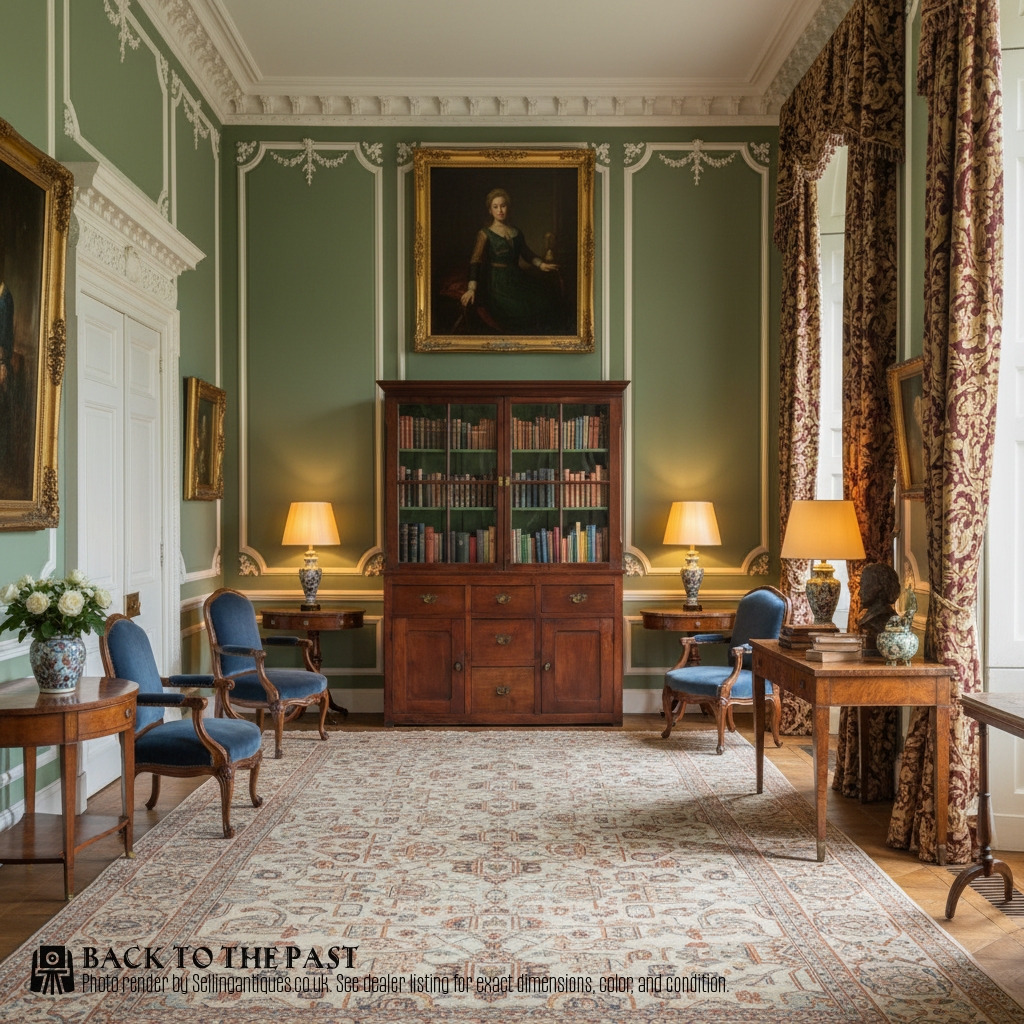
The West Country Dresser Glossary
- Dresser base
- The lower section of a dresser featuring drawers and cupboards without the upper plate rack. Many survive independently as sideboards.
- Glazed top
- An upper cabinet section fitted with glass doors, designed to display ceramics while protecting them from dust.
- Plate rack
- Open shelving fitted to the top of a dresser, historically used for standing plates upright during storage.
- Original paint
- A surface finish applied during the period of manufacture that has survived without later repainting, highly valued by collectors.
- Provincial
- Furniture made in regional workshops outside London, displaying local styles and practical construction methods.
Frequently Asked Questions
What is a west country dresser?
A west country dresser is a traditional storage unit from southwest England, combining a drawer or cupboard base with an upper plate rack or glazed cabinet.
These pieces reflect local vernacular furniture traditions, often constructed from pine, oak, or elm for farmhouse and kitchen use.
How were they used historically?
Historically, these items served as central storage hubs in kitchens and farmhouses for tableware, dry goods, and cooking utensils.
The open racks and glazed upper sections allowed families to display ceramic plates while keeping everyday items within easy reach.
How do I live with one?
Living with a west country dresser involves integrating its substantial proportions and practical storage into modern dining rooms, kitchens, or living spaces.
The shelves and cupboards provide functional space for displaying crockery or storing linens while anchoring the room with rustic character.
How do I identify the period?
Identifying the period requires examining the construction methods, timber choices, and hardware styles alongside regional design traits.
Earlier 18th-century examples often display simpler joinery and heavier timbers, whereas Victorian pieces may incorporate glazed top sections and original grained paint finishes.