
Vintage Kitchen Dresser
A vintage kitchen dresser grounds a room with practical storage and honest display, offering open plate racks and deep lower cupboards built for daily utility.
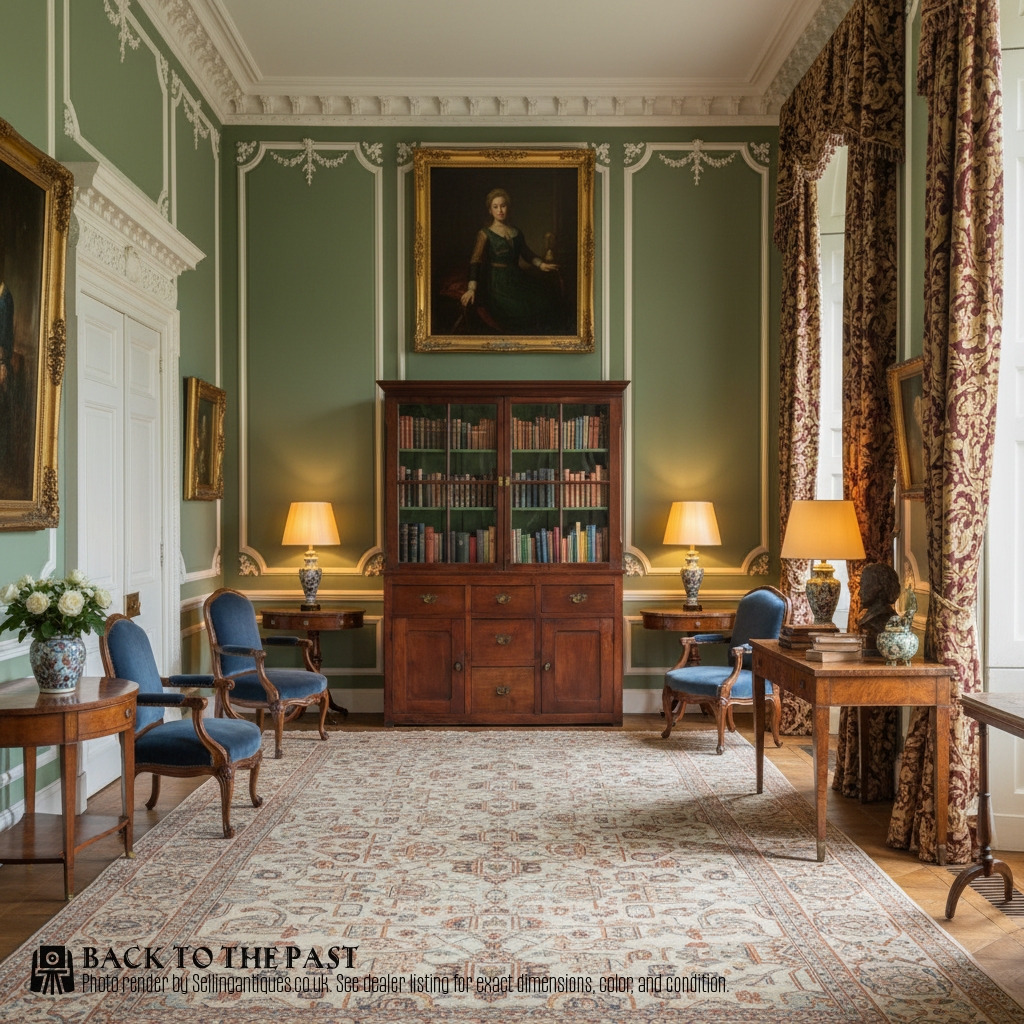
Vintage Kitchen Dresser
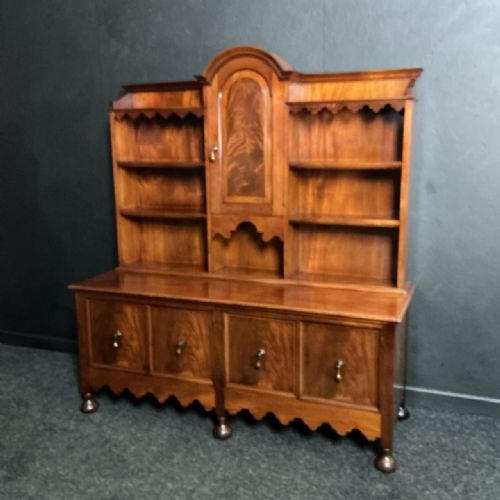
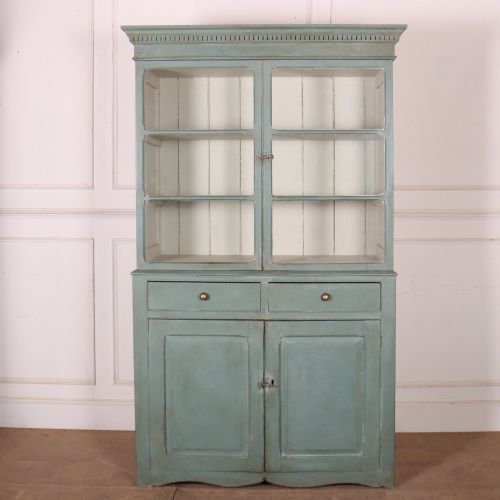
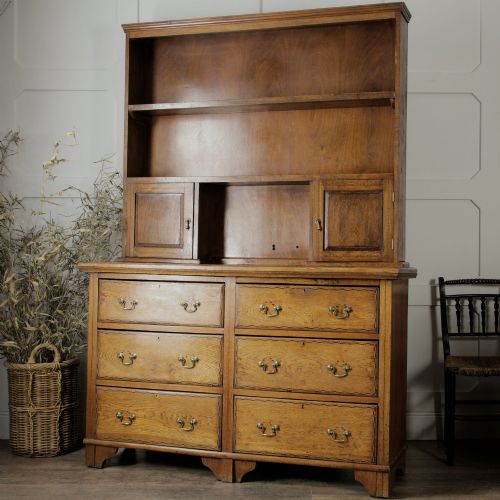
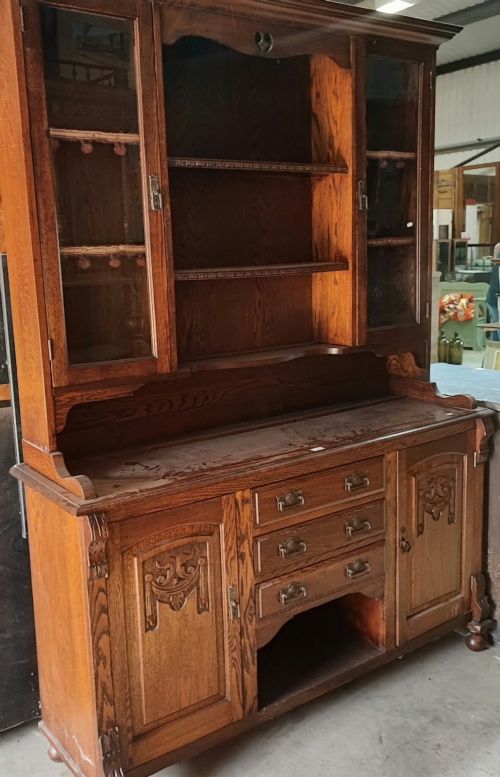
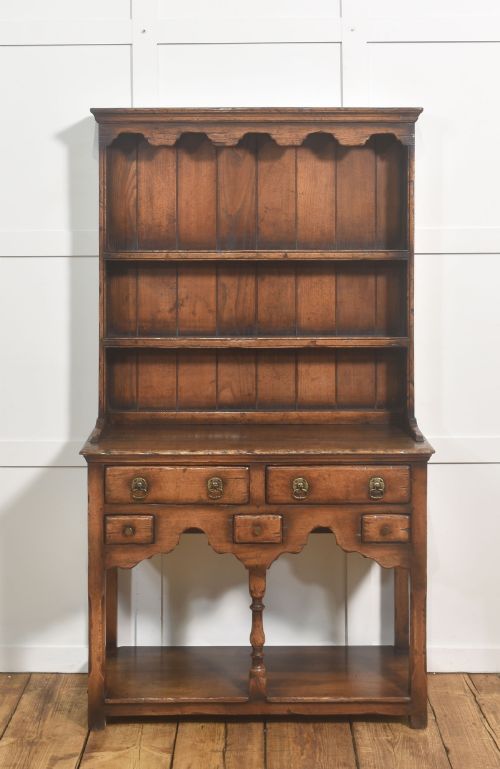
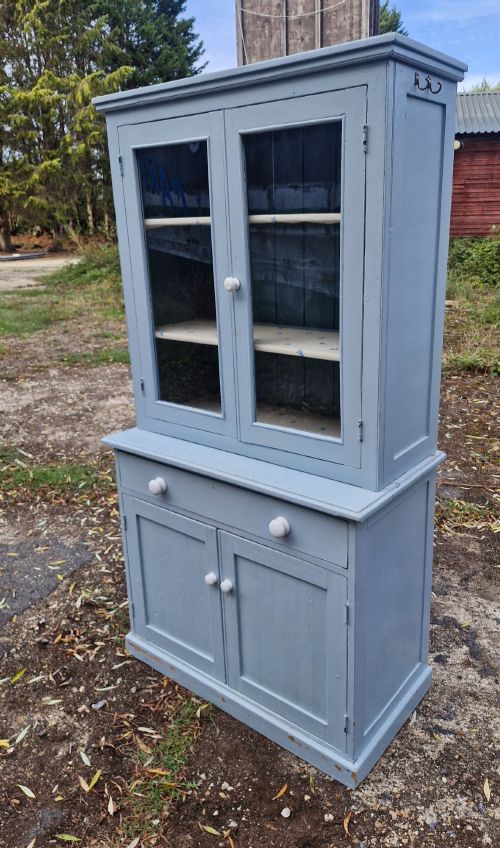
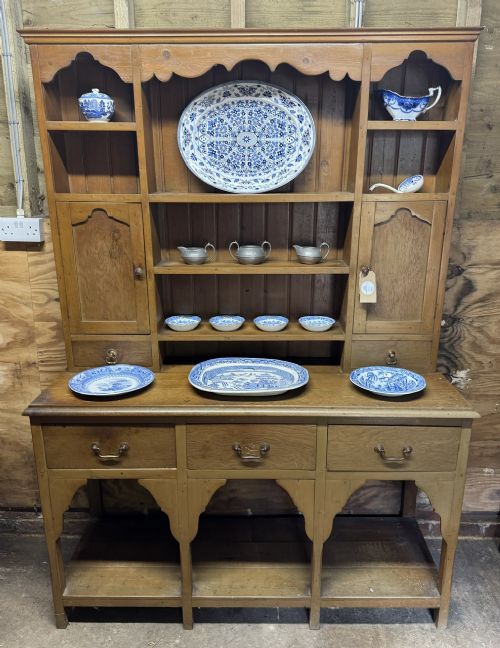
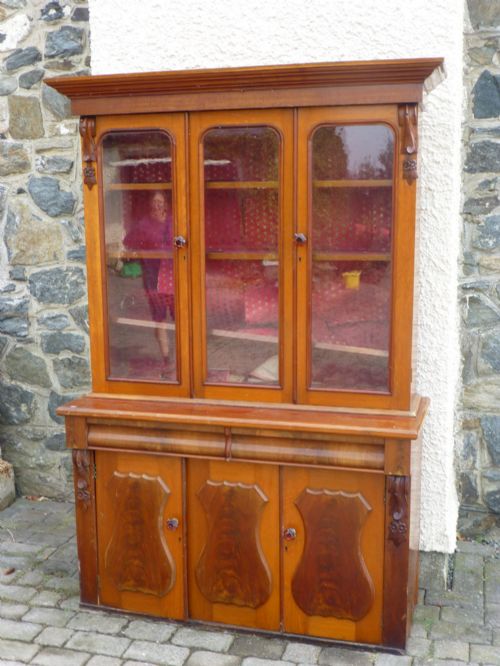
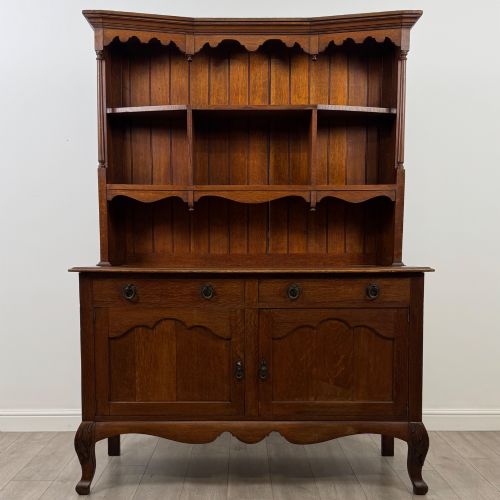
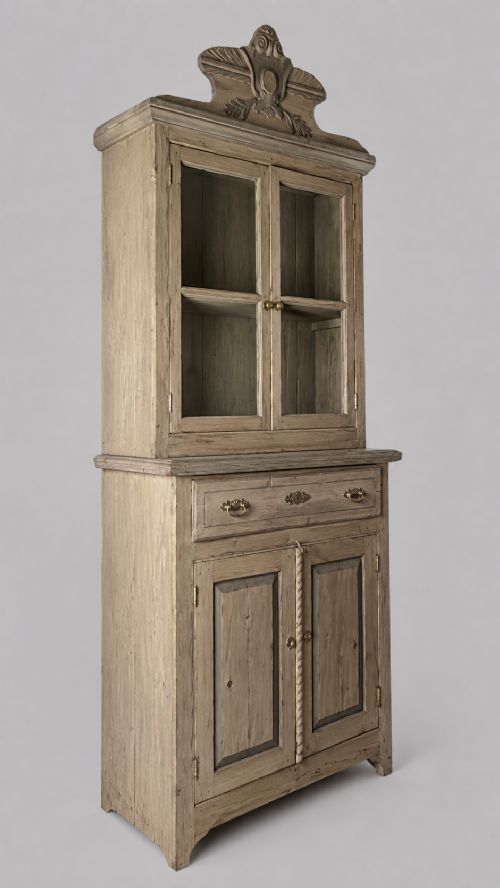
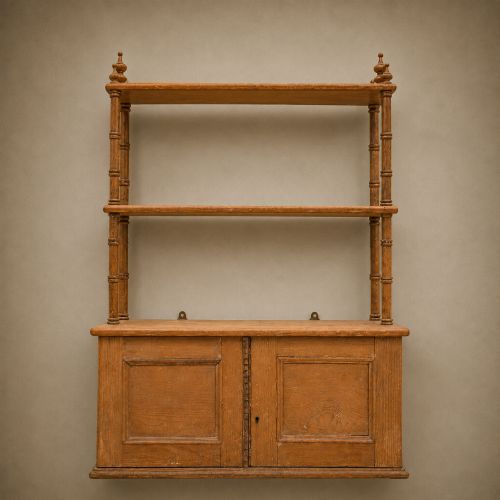
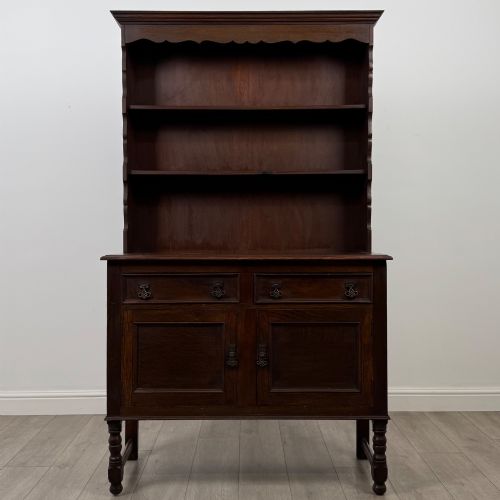
When you search for a vintage kitchen dresser, you encounter substantial furniture designed to store tableware and food provisions in domestic settings. These pieces combine lower storage cabinets or drawer bases with upper plate racks, open shelving or glazed display bookcases.
The selections span multiple centuries and regional traditions, ranging from heavy 18th century oak formats to softer 19th century pine examples. You frequently meet pieces carrying regional descriptors such as Welsh, Scottish, or French provincial origins.
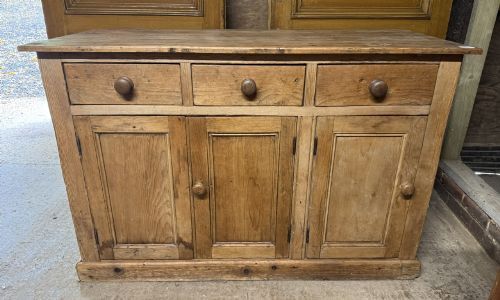
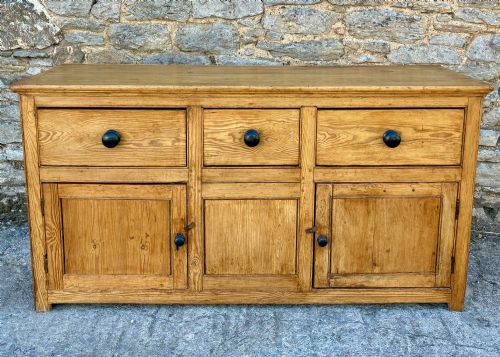
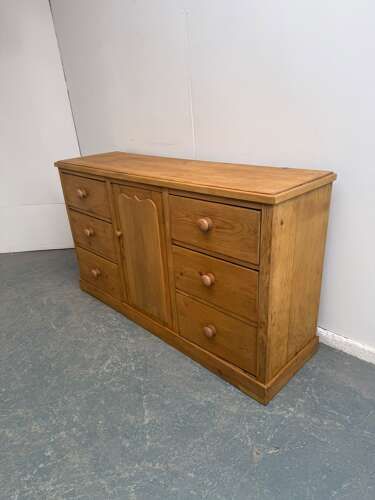
Forms divide into two distinct structural types: single-piece tall cupboards and two-part constructions featuring a separable base and upper rack. Potboard bases and dresser bases without upper shelving also appear regularly within domestic kitchen inventories.
Materials and construction methods
Construction relies heavily on native hardwoods and softwoods, predominantly oak and pine, alongside occasional fruitwood, mahogany, walnut, and tiger oak. Cabinet makers utilised solid timber boards for structural integrity, incorporating brass and iron hardware for hinges and drawer pulls.
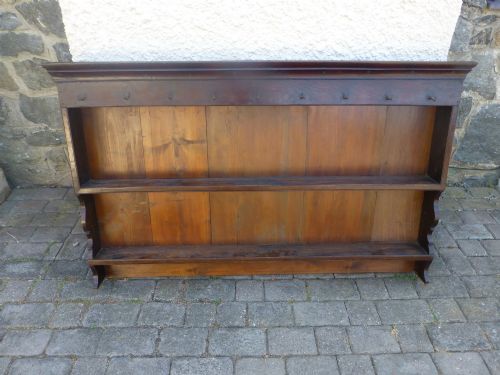
Surface finishes vary between natural waxed patinas, unpainted honey tones, and original or later decorative paint layers. Glazed upper doors utilise fitted glass panes, while traditional plate racks feature grooved wooden ledges designed to secure ceramic plates upright.
Vintage Kitchen Dresser Retail Price Guide 2026
Typical asking prices for vintage kitchen dresser among the pieces listed under this phrase on Sellingantiques today, from the lower quarter to the upper quarter. They describe what is for sale here now, not the wider market.
Regional furniture styles include French provincial, Scottish, West Country, and Georgian country designs.
Assessing build quality and condition
Quality rests upon the integrity of the timber selection and the retention of original structural elements such as backboards, drawers, and brass fittings. Superior examples preserve their initial surface treatment, whether an uncompromised waxed finish or an authentic historical coat of paint.
Proportion and joinery distinguish standard utilitarian furniture from finer cabinet making. Well-executed dovetail joints in the drawers and balanced proportions between the upper display racks and lower cupboards indicate higher craftsmanship.
Hudson Bros
The Vintage Kitchen Dresser Glossary
- Potboard base
- A dresser base featuring a lower open slatted shelf near the floor, traditionally used for storing pots and pans. This platform sits raised on short feet or legs.
- Delft plate rack
- An upper wall-mounted or dresser-integrated shelving unit designed specifically to display ceramic plates. Grooves cut into the wooden ledges prevent plates from sliding forward.
- Dresser base
- The lower section of a kitchen dresser comprising cupboards and drawers without the accompanying upper shelving unit. These items function independently as sideboards or serving tables.
- Original patina
- The surface sheen and colour accumulated on wood through age, handling, and regular waxing over decades. This layer records the working history of the piece.
- Hoosier cabinet
- A specialised type of kitchen workstation designed to combine flour bins, spice jars, and work surfaces into a single freestanding unit. These originated in America during the early 20th century.
Vintage Kitchen Dresser: Frequently Asked Questions
How do I care for a waxed pine dresser?
Maintain a waxed pine surface by applying a clear bees-wax polish sparingly twice a year to nourish the timber and protect against moisture marks.
Avoid placing wooden furniture near direct heat sources or in fluctuating humidity to prevent the solid pine boards from splitting or warping.
Can I separate the top rack from the base?
Many two-part dressers allow you to lift the upper plate rack directly off the lower cabinet base for easier transport and placement within smaller rooms.
Older examples from earlier centuries may be pinned or permanently fixed together, requiring careful inspection of the internal joints before attempting disassembly.
How do I date an antique oak dresser?
Examine the construction methods of the drawers and backboards, noting whether boards show hand-planed marks or uniform machine-cut saw patterns.
Older pieces from the 18th century often feature pegged frame construction and hand-cut dovetails, whereas Edwardian and later items display standardised machine manufacturing.