

Antique Dresser with Rack
An antique dresser with rack combines a sturdy base cabinet for storage with open display shelving above, offering practical utility and timeless rustic character.

Antique Dresser with Rack
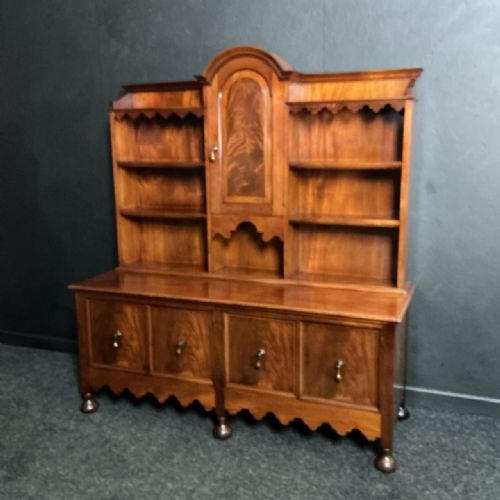
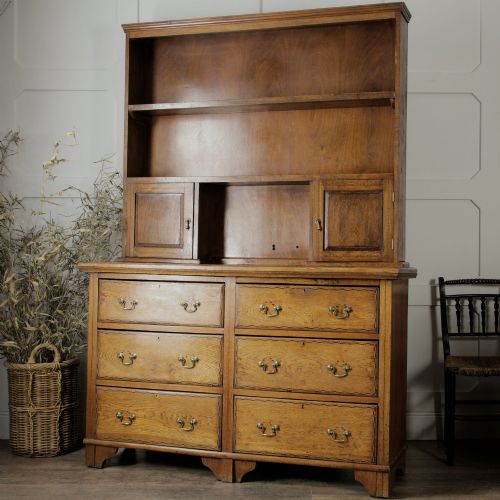
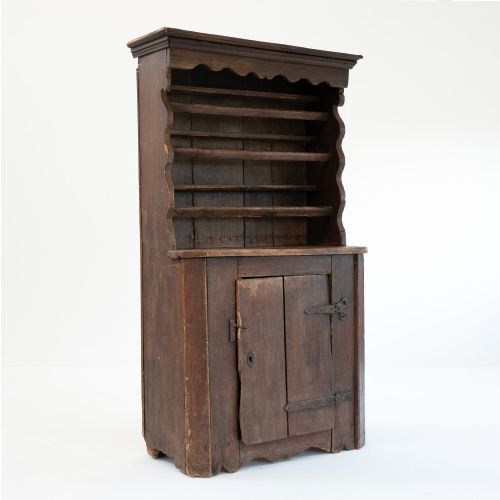
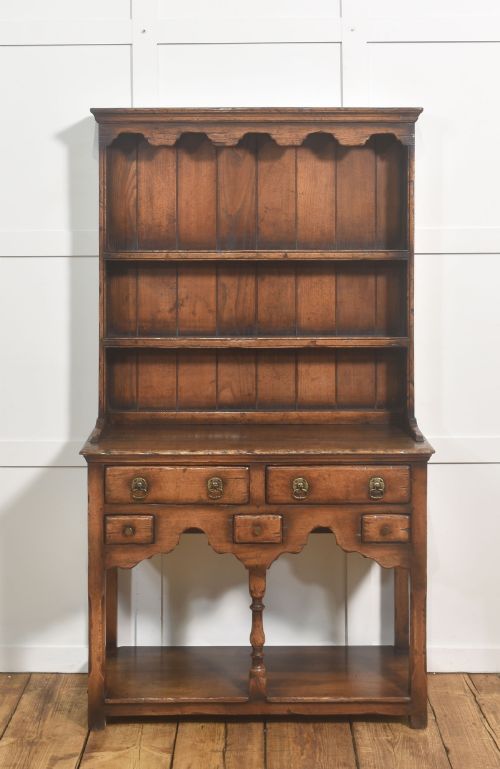
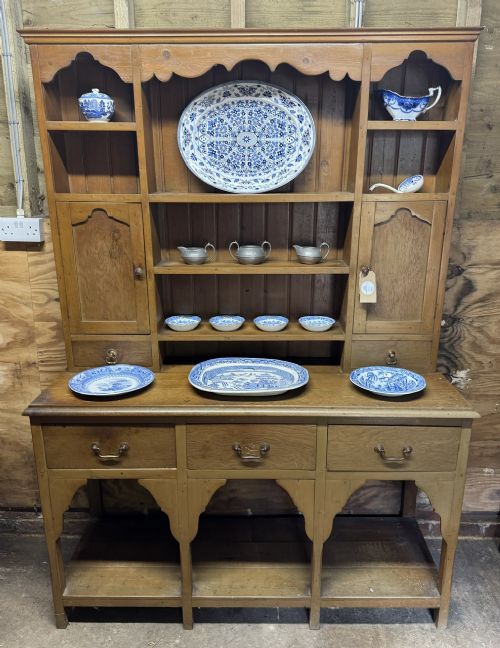
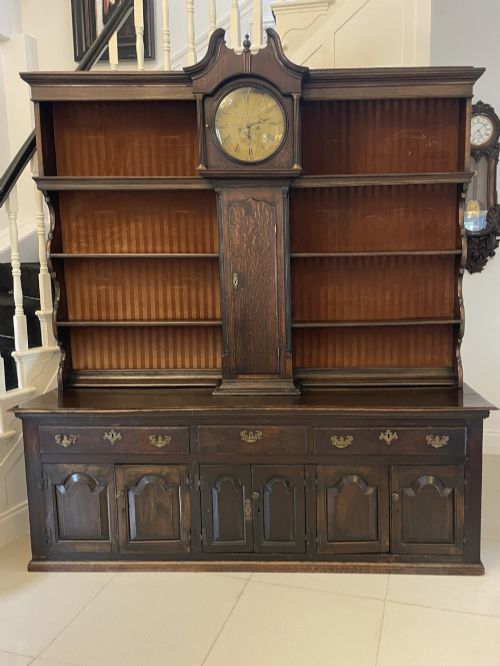
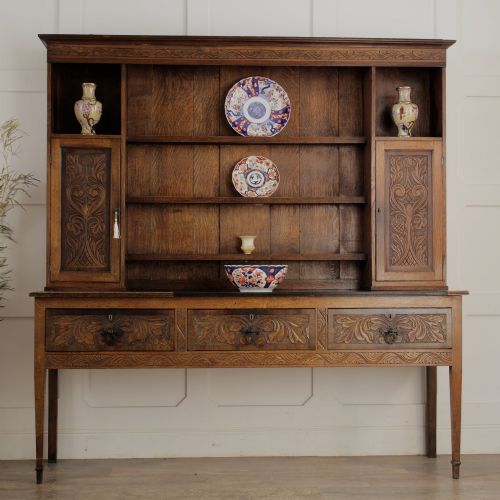
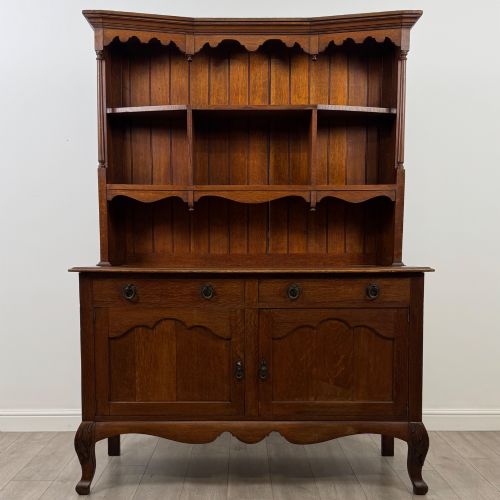
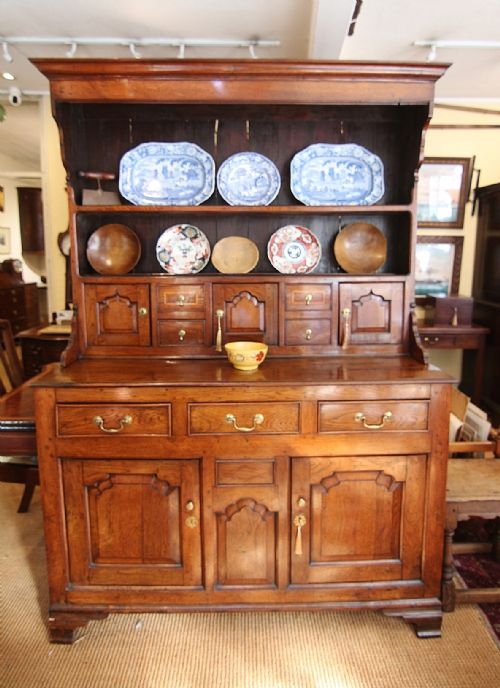
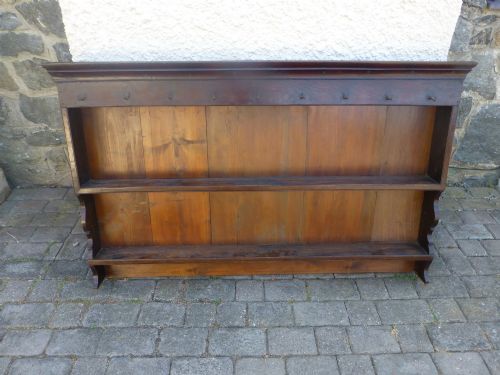
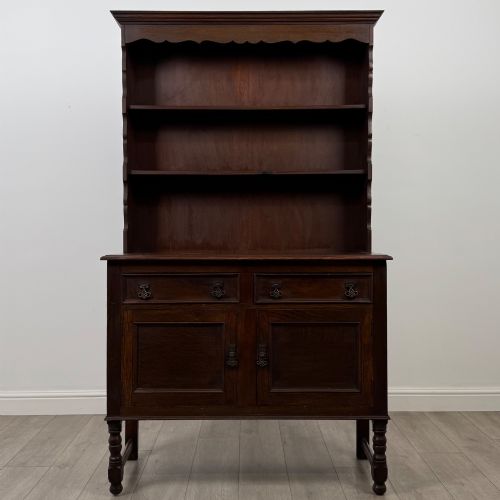
When you search for an antique dresser with rack, you encounter functional furniture designed for domestic storage and display, most frequently taking the form of a Welsh or country dresser. These pieces typically feature a lower base section fitted with drawers, cupboards, or an open potboard, surmounted by a matching plate rack with shelves.
The versions you meet on this page hail primarily from the eighteenth and nineteenth centuries, spanning Georgian, Victorian, and Edwardian periods. Regional variations such as Welsh, West Country, and Shropshire pieces appear regularly alongside English farmhouse examples.
Materials lean heavily toward solid timbers like oak, pine, and mahogany, often displaying regional construction traits and original surface patination. The combination of enclosed lower storage and open upper shelving makes these items central to traditional kitchen and dining room layouts.
How they were made
Cabinetmakers constructed these pieces using solid native timbers, predominantly oak and pine, supplemented by secondary woods like elm and mahogany for internal elements. Boards were hand-planed and joined using traditional techniques such as dovetailing for drawers and mortise and tenon joints for the main frames.
Hardware consists of brass drop handles, backplates, and iron fixings that secure the upper rack to the lower base. Surfaces received wax or oil finishes, which built up rich patination over generations of daily domestic use and cleaning.
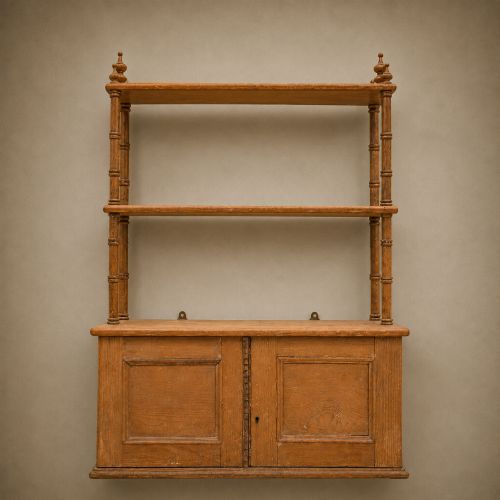
The inventory includes various forms such as potboard bases, breakfront drawer arrangements, and open wall shelving units.
What varies in quality
Quality in these items rests upon the integrity of the timber selection and the degree to which the rack and base belong together originally. Pieces retaining their unassociated upper and lower sections display harmonious proportions and consistent wear patination across both components.
The sophistication of the base construction also dictates standing, with open potboard designs and breakfront drawer arrangements representing more ambitious craftsmanship than simpler utilitarian sideboards. Furthermore, the presence of original brassware, intact cornice mouldings, and untouched surface patination elevates a piece above those with extensive replaced elements.
The Antique Dresser with Rack Glossary
- Potboard
- An open slatted lower shelf positioned beneath the base drawers of a dresser, historically used for storing heavy pots and pans. This feature is particularly characteristic of eighteenth-century vernacular furniture.
- Plate rack
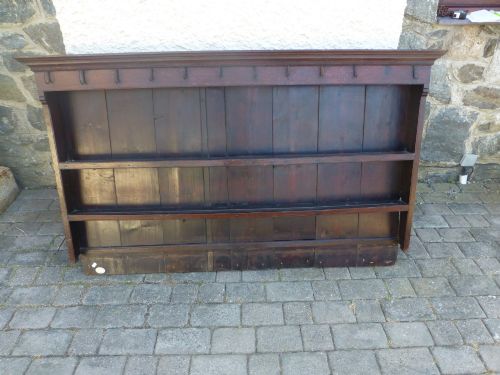
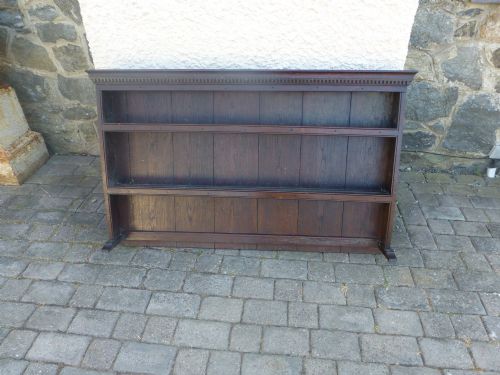
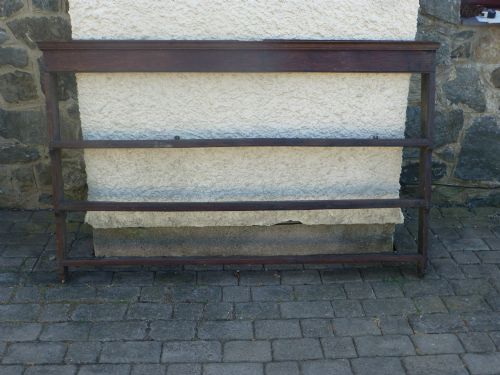
- The upper tiered shelving unit attached to the back of a dresser base, designed with grooved ledges to display ceramic plates upright. Racks often incorporate small spice cupboards or hook strips.
- Welsh dresser
- A specific regional form of kitchen dresser originating in Wales, traditionally featuring significant display space above a deep base fitted with drawers and cupboards. They frequently utilise local oak or pine.
- Patina
- The deep surface sheen and mellow colour developed by wood over centuries through handling, polishing, and oxidation. Original patination is a key indicator of age and untouched condition.
- Breakfront
- A furniture configuration where the central section projects forward from the flanking outer wings. This architectural layout appears on select larger drawer bases.
Antique Dresser with Rack: Frequently Asked Questions
Are the racks original to the bases?
Many dressers retain their original upper racks, though due to their separate construction, some racks and bases were paired together during their working lives. Examining the timber grain, colour, and wear patination helps determine if the two sections originated from the same workshop.
Evidence of historical fixing points on the back edges also indicates whether the rack has spent its entire existence mounted to that specific base. Experienced dealers look closely at these structural junctions to confirm authenticity.
How do I care for antique oak?
Antique oak benefits from simple, consistent maintenance using traditional beeswax applied sparingly with a soft cloth. Avoid modern silicone polishes and keep the wood away from direct heat sources and dramatic humidity shifts.
Allowing the surface to breathe preserves the historic patination accumulated over generations. Gentle buffing maintains the soft lustre without stripping away the character of the wood.
Where were regional dressers made?
Regional dressers emerged from various rural workshops across Britain, with distinct stylistic traits pointing to specific areas like North Wales, Shropshire, and the West Country. Makers utilised whatever local hardwoods were abundant, leading to noticeable variations in timber choice and base configuration.
Welsh vernacular examples often showcase distinct proportions and deep potboards suited to rural farmhouses. Recognising these regional idioms allows collectors to trace the geographic origins of unrecorded pieces.