


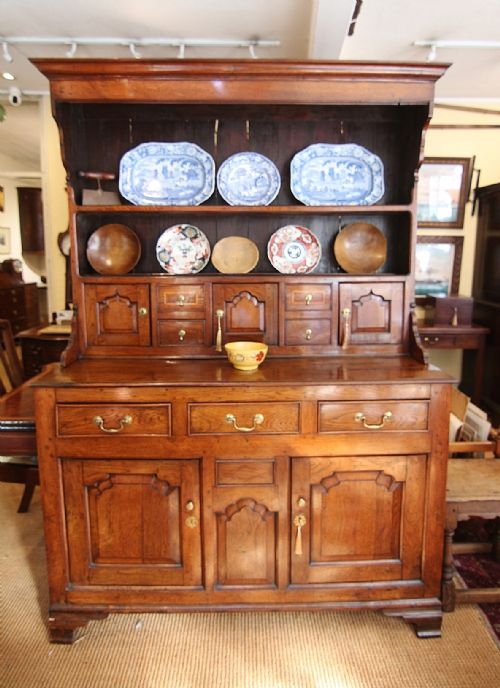
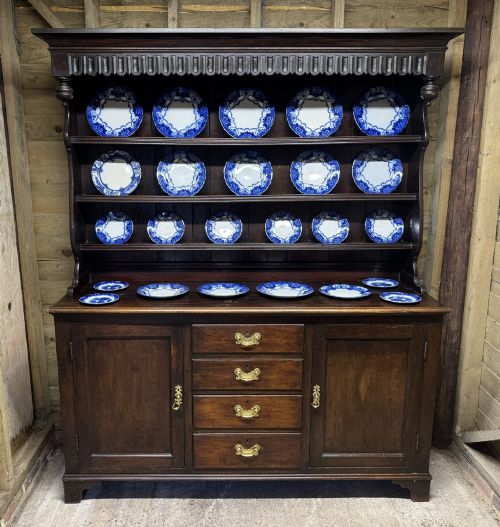
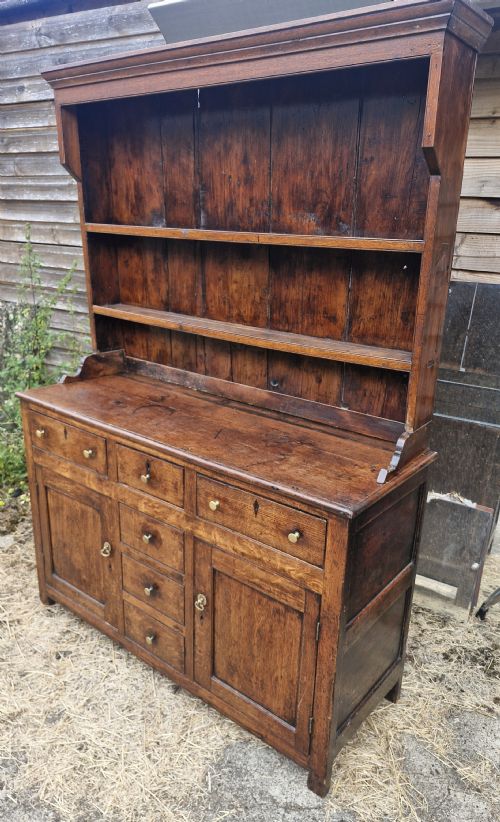
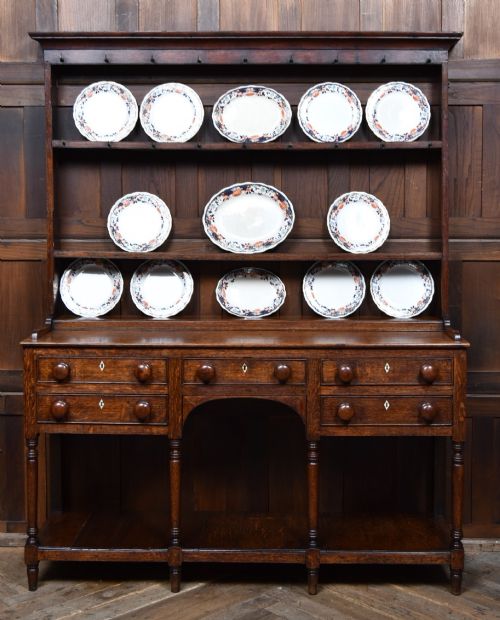
Georgian Kitchen Sideboard
When you look for a georgian kitchen sideboard, you are entering the world of robust country oak and pine dressers, potboard bases, and serving tables that anchor a room.
Georgian Kitchen Sideboard
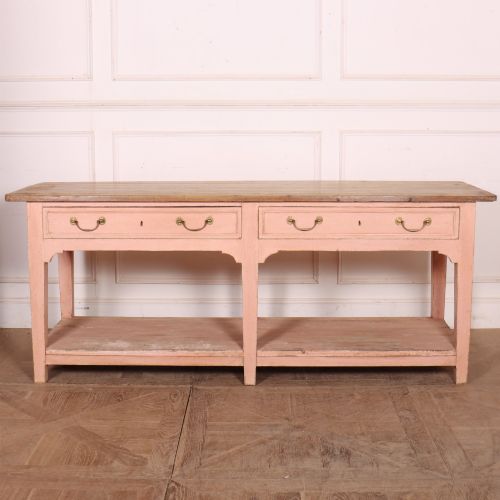
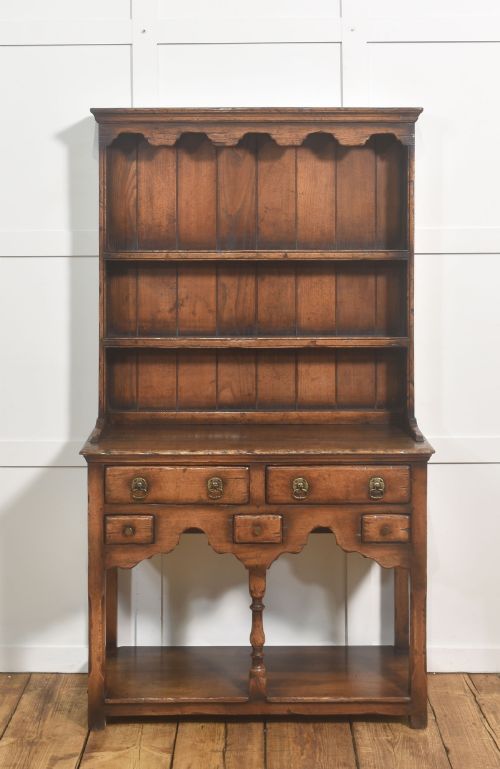
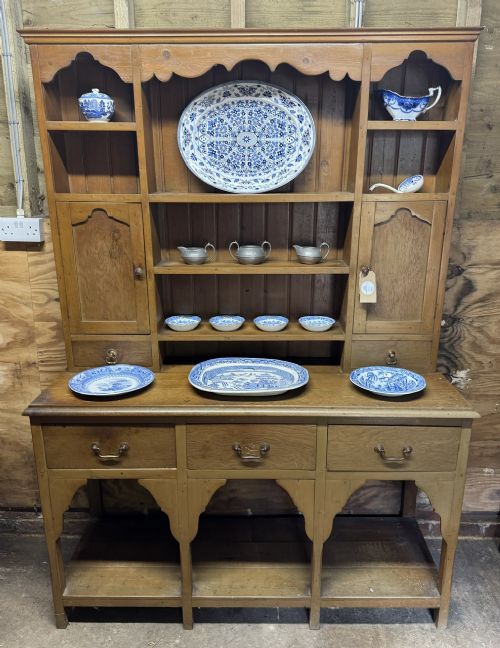
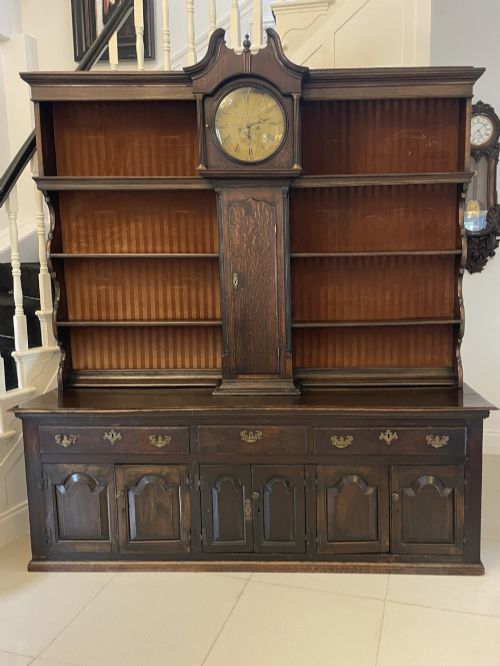
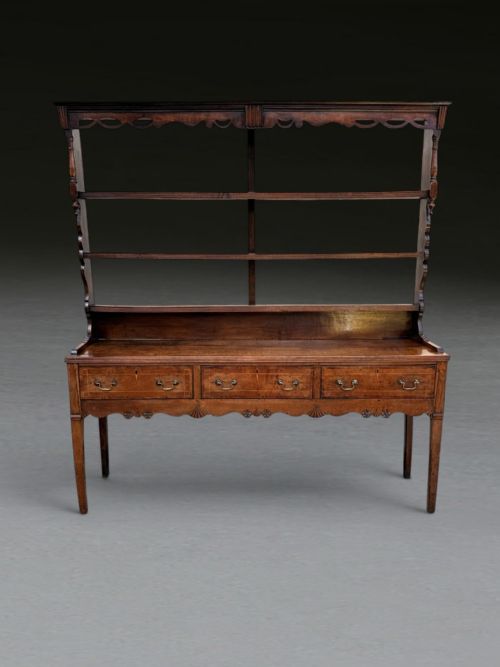
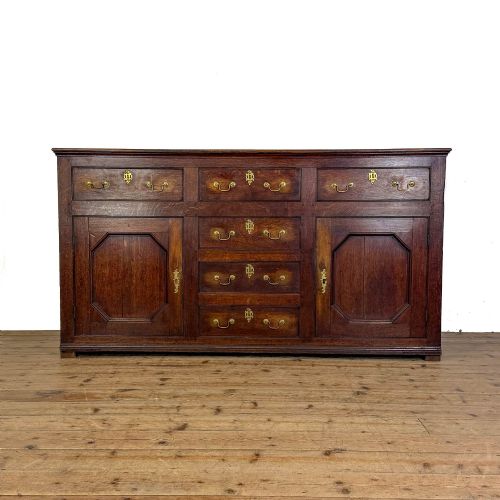
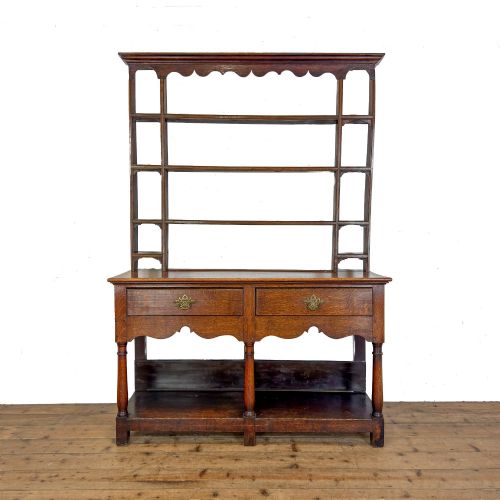
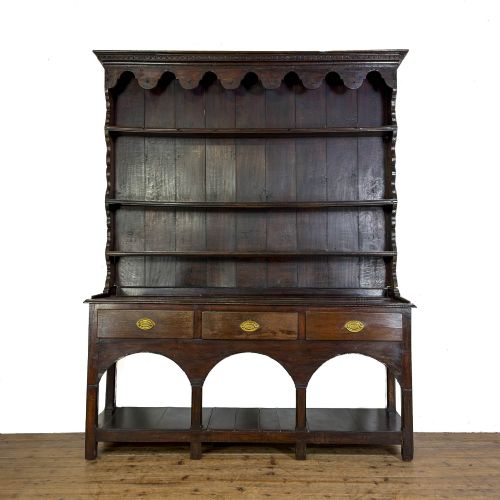
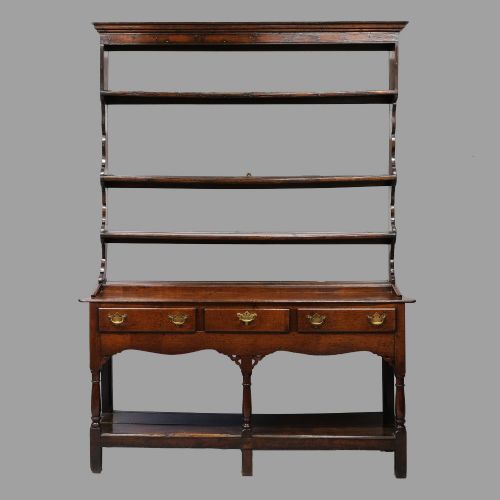
A georgian kitchen sideboard typically presents as a sturdy potboard dresser base, a serving table, or an open-backed kitchen dresser rooted in 18th century, Georgian, and 19th century traditions. These utilitarian items served the busy hubs of English, Welsh, and Scottish country houses, farmhouses, and cottages.
The version most commonly met on this page is the oak or pine dresser base and potboard sideboard, often originating from regional workshops in Wales, Shropshire, or Snowdonia. They combine deep drawers with open lower shelves or cupboards designed for heavy daily domestic use.
How they were made
Constructed primarily from native timbers such as oak, pine, and sycamore, these pieces rely on traditional joinery techniques suited to hard-wearing vernacular furniture. Regional makers selected solid boards for the tops and drawer fronts, frequently incorporating painted timber finishes or retaining an original waxed patina.
Hardware details typically include brass pulls or iron fittings, while structural accents involve pegged joints and hand-planed surfaces. Secondary woods like pine appear in internal drawer linings and backboards, reflecting sensible material economy.
Georgian Kitchen Sideboard Retail Price Guide 2026
Typical asking prices for georgian kitchen sideboard among the pieces listed under this phrase on Sellingantiques today, from the lower quarter to the upper quarter. They describe what is for sale here now, not the wider market.
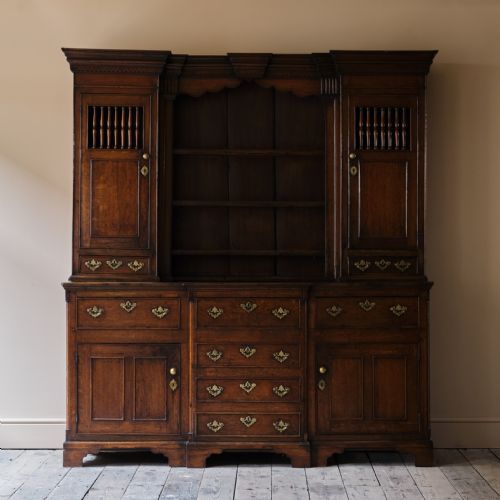
Several pieces preserve original bread and cheese ventilation slats, built specifically to keep dairy safe from farm mice.
What varies in quality
Quality rests in the integrity of the timber selection and the degree to which original surfaces, hardware, and structural members survive intact. Pieces displaying crisp regional traits, such as distinct breakfront drawers or inlaid details from Snowdonia and Llanrwst, stand apart from simpler utility items.
Proportion and domestic presence dictate the scale of desirability, where balanced drawer arrangements and open potboards retain their authentic architectural character. Altered boards, replaced bases, or heavy modern stripping diminish the historic value of the timber.
The Georgian Kitchen Sideboard Glossary
- Potboard base
- A dresser base featuring a low open shelf near the floor, traditionally used for storing pots and pans. This shelf sits raised on feet or integrated directly into the legs.
- Bread and cheese cupboard
- A regional vernacular form, notably from Llanrwst, incorporating perforated panels or specific ventilation for food storage. These pieces form a specialised subset of Welsh country furniture.
- Breakfront
- A cabinet or sideboard front where the central section projects forward from the flanking sides. This layout adds visual depth and often allows for graduated drawer sizes.
- Vernacular furniture
- Domestic items made by local country joiners using regional styles and readily available woods rather than following strict metropolitan cabinet-making rulebooks. These pieces prioritize practical utility over courtly fashion.
- Patina
- The deep surface sheen and colour built up over decades of polishing, handling, and exposure to light. An undisturbed surface remains a key indicator of age.
Georgian Kitchen Sideboard: Frequently Asked Questions
What is a potboard base?
A potboard base is an open-bottomed sideboard or dresser base featuring a lower shelf designed for heavy kitchen storage. Makers constructed them to keep domestic cookware off damp flagstone floors.
Over time, these sturdy lower shelves collected everyday culinary items, giving the form its distinctive utilitarian silhouette found across English and Welsh country houses.
How do I identify a Welsh dresser?
Welsh dressers typically display regional timber choices like local oak and pine, frequently accompanied by distinct architectural traits from areas such as Snowdonia or Llanrwst. They combine a lower serving or storage base with an upper plate rack.
Many examples feature specific local quirks in drawer arrangement, patination, and potboard configuration that separate them from English provincial equivalents.
Where were these sideboards used?
These pieces served as the central workstations in historical farmhouse kitchens, dairies, and country house pantries. Families used the broad timber tops for food preparation and serving.
The drawers and lower shelves held utensils, linens, and provisions, making these items the organizational backbone of the domestic interior.
How do I care for waxed pine?
Waxed pine requires gentle cleaning with a soft, dry cloth to remove dust without stripping the historic surface. Avoid modern silicone polishes that build up and dull the timber.
Periodic application of a traditional beeswax feed helps maintain the moisture and rich patina of older softwood surfaces.
What distinguishes George III pieces?
George III period furniture dates from the mid to late 18th century and early 19th century, marked by restrained classical proportions and robust construction. In country pieces, this translates to balanced drawer layouts and disciplined joinery.
Makers working in this era balanced functional vernacular needs with refined regional cabinetry standards.