


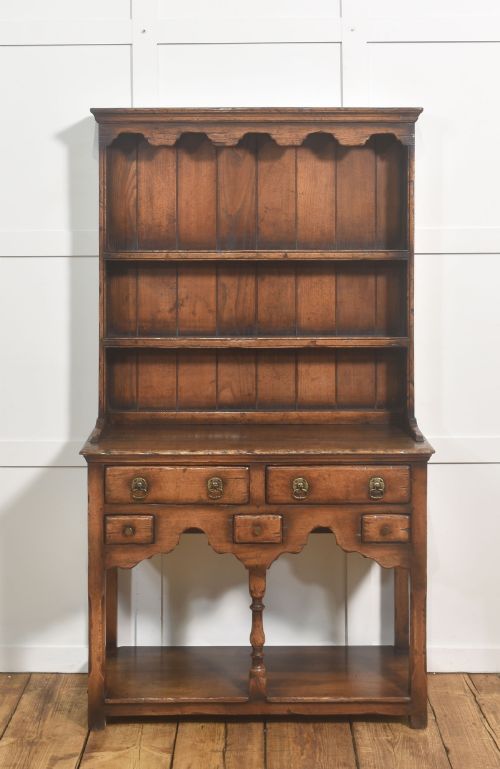
Antique Country Oak Dresser
An antique country oak dresser brings substantial utility and plain character to a room, offering deep drawers and open shelving.
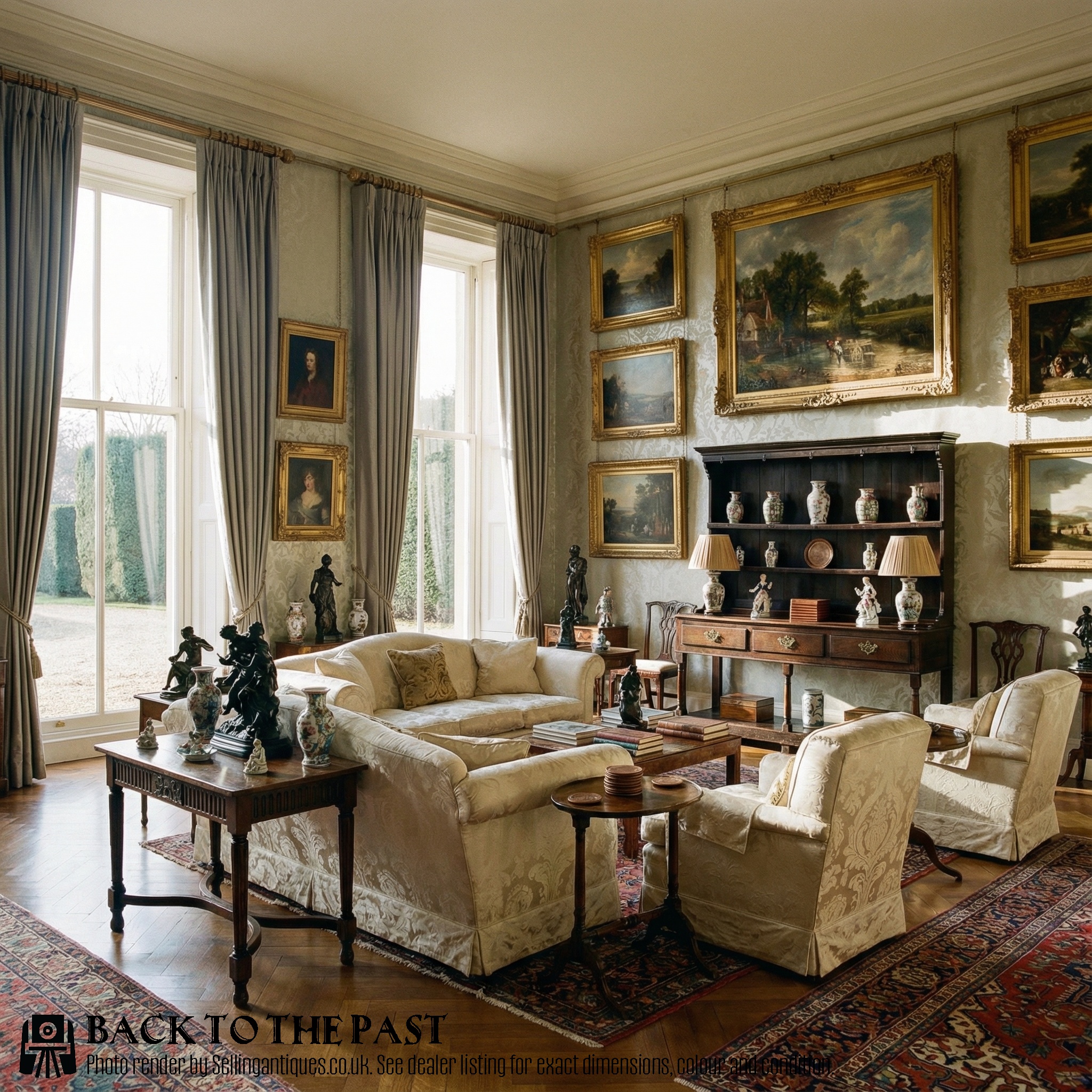
The Form and Character of the Antique Country Oak Dresser
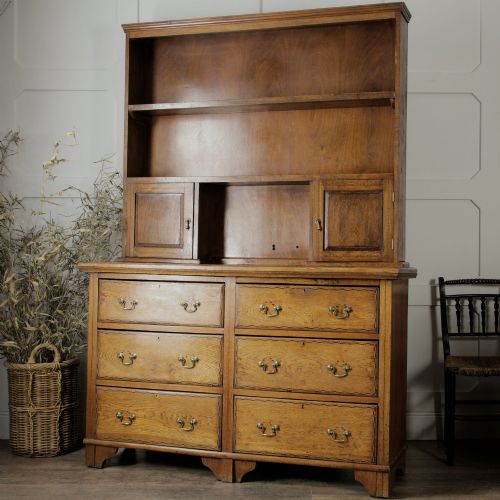
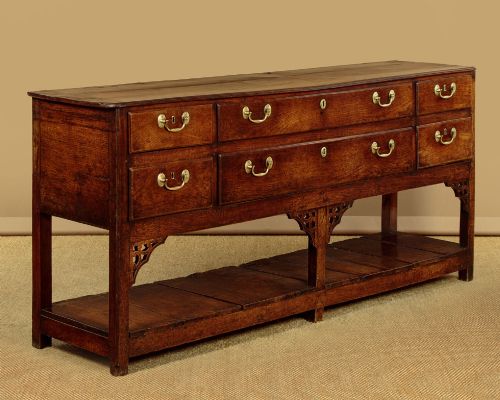
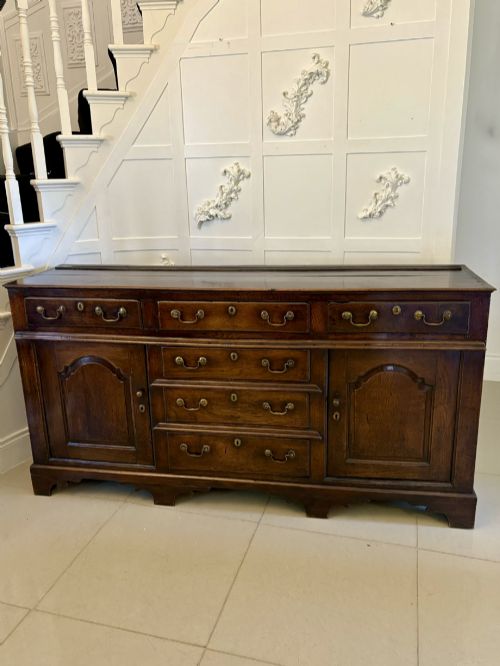
An antique country oak dresser serves as a primary storage and display unit, combining a lower sideboard base with an upper plate rack or open shelves.
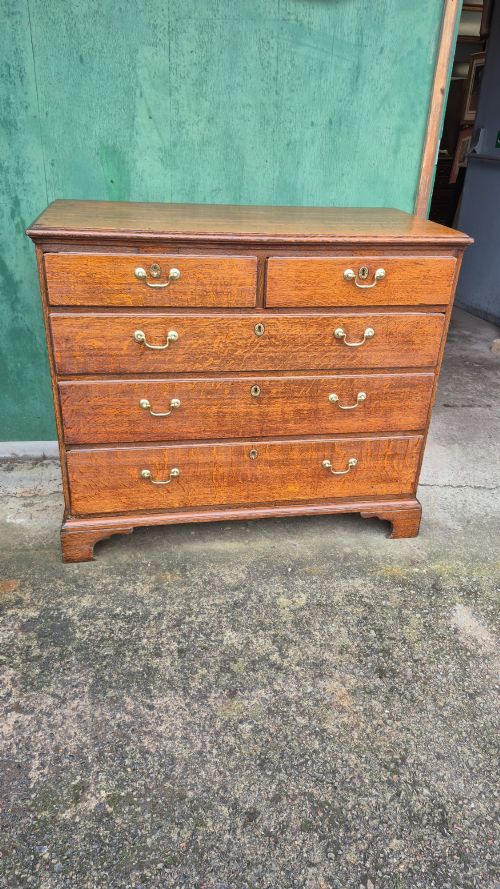
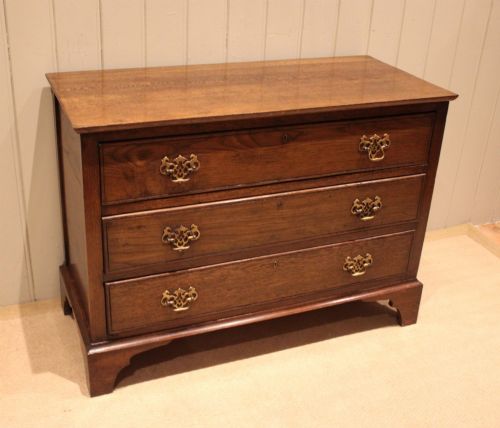
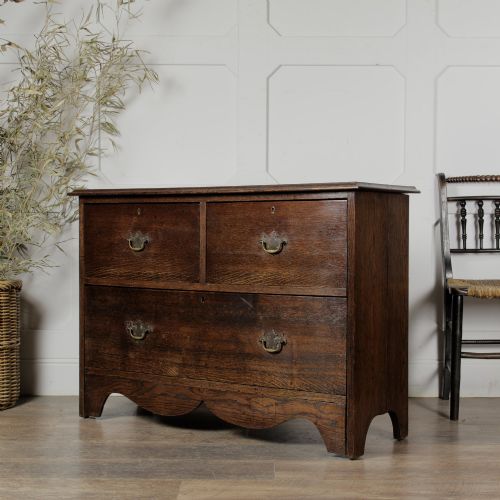
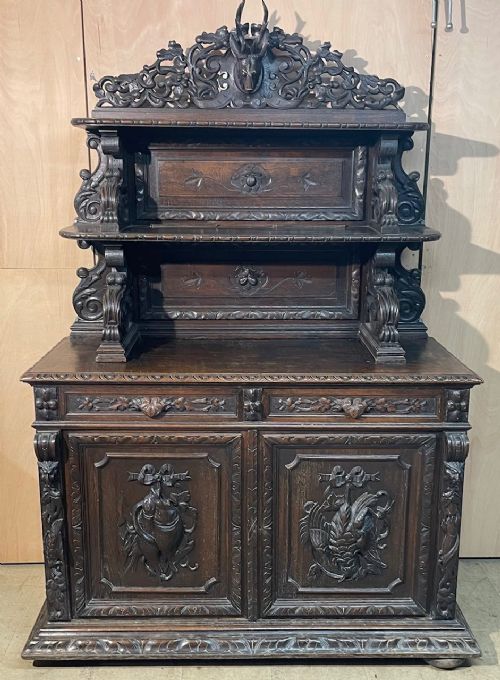
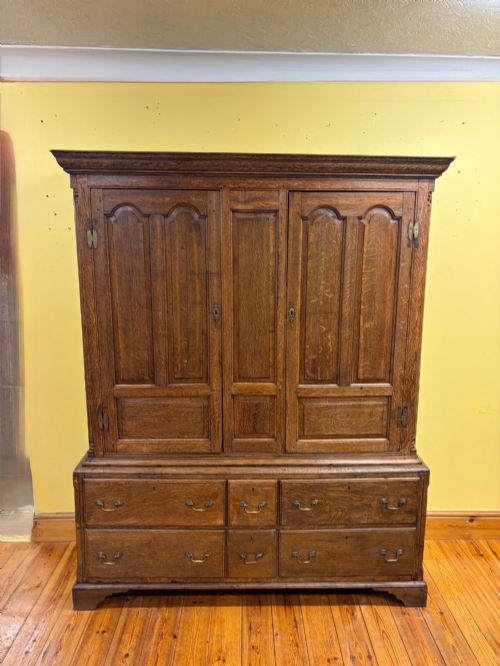
Buyers encounter numerous variations on this page, ranging from eighteenth-century Georgian vernacular bases to nineteenth-century Victorian plate back display cabinets.
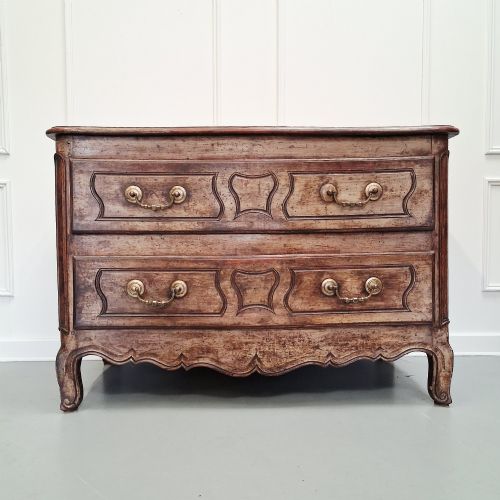
The regional examples span English, Welsh, and occasional continental origins, demonstrating local cabinet-making traditions through differing drawer arrangements and proportions.

Materials and Construction Methods
Cabinet-makers relied principally on solid oak, occasionally incorporating secondary timbers such as elm, burr elm, walnut, and deal for drawer linings and panels.
Hardware typically consists of brass handles, escutcheons, and hinges that secure heavy doors and drawers constructed using traditional joints.
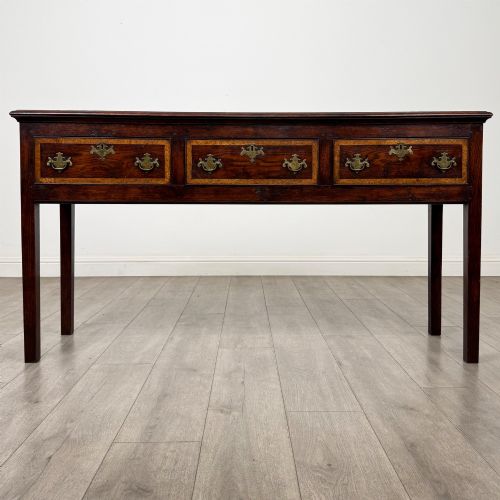
Surfaces display the natural grain of the wood, sometimes enhanced by marquetry inlay or specific finishes like limed oak.
Retail Price Guide 2026
Typical UK retail prices for country oak dresser, calculated from the Sellingantiques database of over a million retail prices indexed since 2003. This retail price guide relies exclusively on Sellingantiques data; no external sources or auction records are used, so the figures do not describe the wider market.
Several pieces are recorded with unique designs from circa seventeen sixty, reflecting the personal whims of rural joiners.
Distinctions in Quality and Design
Quality rests upon the proportion of the piece, the integrity of the timber selection, and the complexity of the vernacular design.
Examples with integrated original plate racks and desirable timber combinations, such as oak paired with burr elm marquetry, sit at the upper end of the scale.
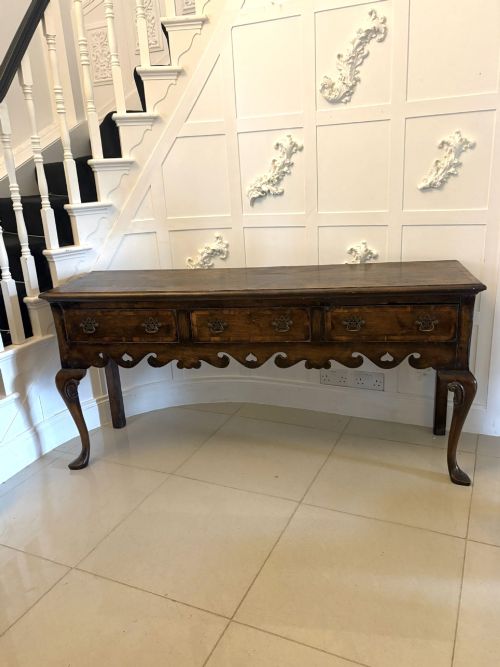
The refinement of the cabinetry, from simple boarded constructions to breakfront configurations with cabriole legs, dictates the distinction between standard cottage furniture and major country house pieces.
The Antique Country Oak Dresser Glossary
- Dresser base
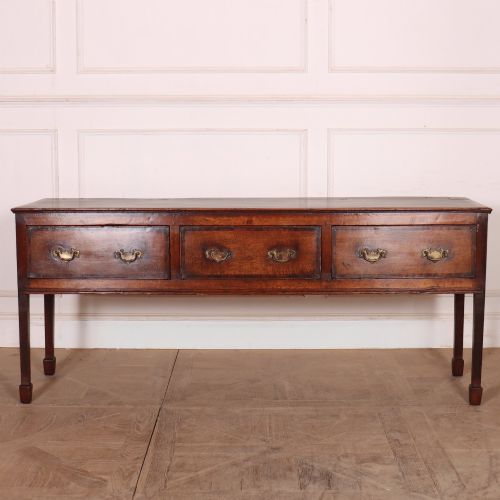
- The lower section of a dresser comprising cupboards and drawers without the upper plate rack. This form functioned as a standalone sideboard in the country kitchen.
- Welsh dresser
- A traditional tall unit featuring open shelves above a base of drawers and cupboards. These shelves display ceramic plates and pewter.
- Plate rack
- The upper open-shelved superstructure attached to a dresser. It holds dining plates upright against the wall.
- Breakfront
- A cabinet design where the central section projects forward from the flanking wings. This creates architectural depth.
- Cabriole leg
- A furniture leg that curves outward and then tapers inward, ending in a pad or foot. It derives from classical forms adapted by regional makers.
Frequently Asked Questions
What is a country oak dresser?
A country oak dresser is a heavy domestic storage unit made primarily from solid oak. It combines a low sideboard base with deep drawers for utensils alongside an upper display rack for plates.
These pieces originated in farmhouse kitchens and country houses, functioning as everyday working furniture before entering modern living spaces as decorative display cabinets.
How do I tell an 18th-century dresser from a Victorian one?
Eighteenth-century pieces typically display simpler, robust joinery with pegged construction and distinct vernacular details associated with the Georgian period. Timber patination tends to show deeper warmth and wear from long use.
Victorian dressers often introduce heavier carvings, limed finishes, or alternative proportions. They reflect nineteenth-century revival styles while maintaining the traditional farmhouse layout.
Did all dressers originally have plate racks?
Many dresser bases were manufactured and used without upper shelves, functioning strictly as sideboards or serving tables. The inclusion of a plate rack depends on the specific regional workshop and intended household use.
Some surviving pieces consist solely of the base or the open back plate rack separated over time.
How do I care for antique oak furniture?
Antique oak requires stable indoor humidity away from direct heat sources and strong sunlight to prevent the timber from splitting or warping. Regular dusting with a soft, dry cloth preserves the natural surface.
Applying traditional beeswax occasionally helps nourish the wood and maintain the deep historic lustre without building up synthetic residues.