
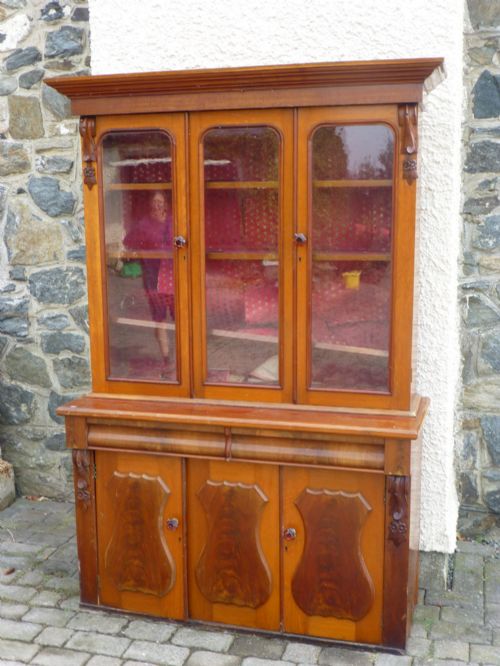
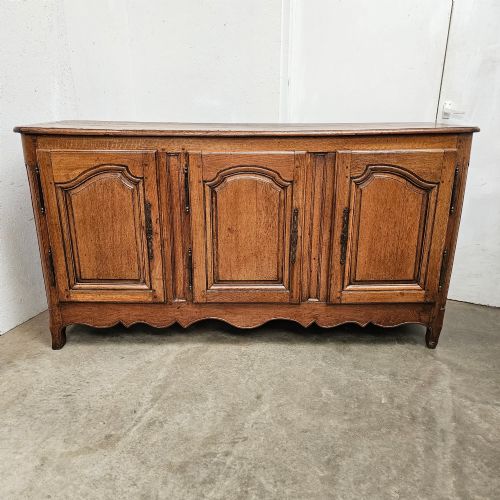
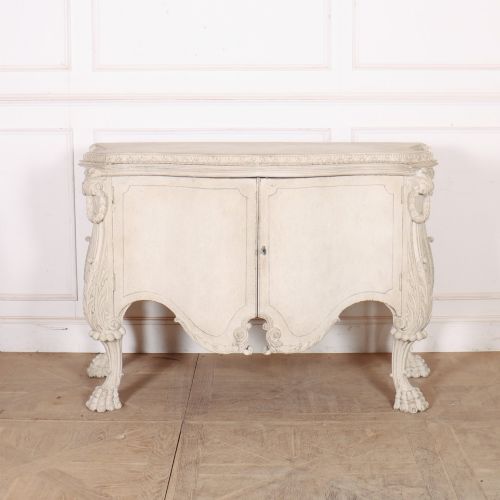
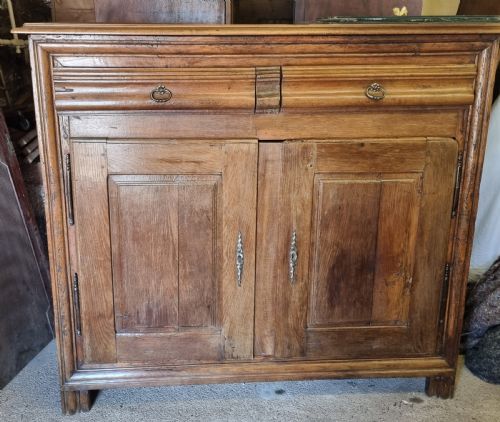
Country House Cupboard
A country house cupboard delivers honest utility with the reassuring presence of centuries past.
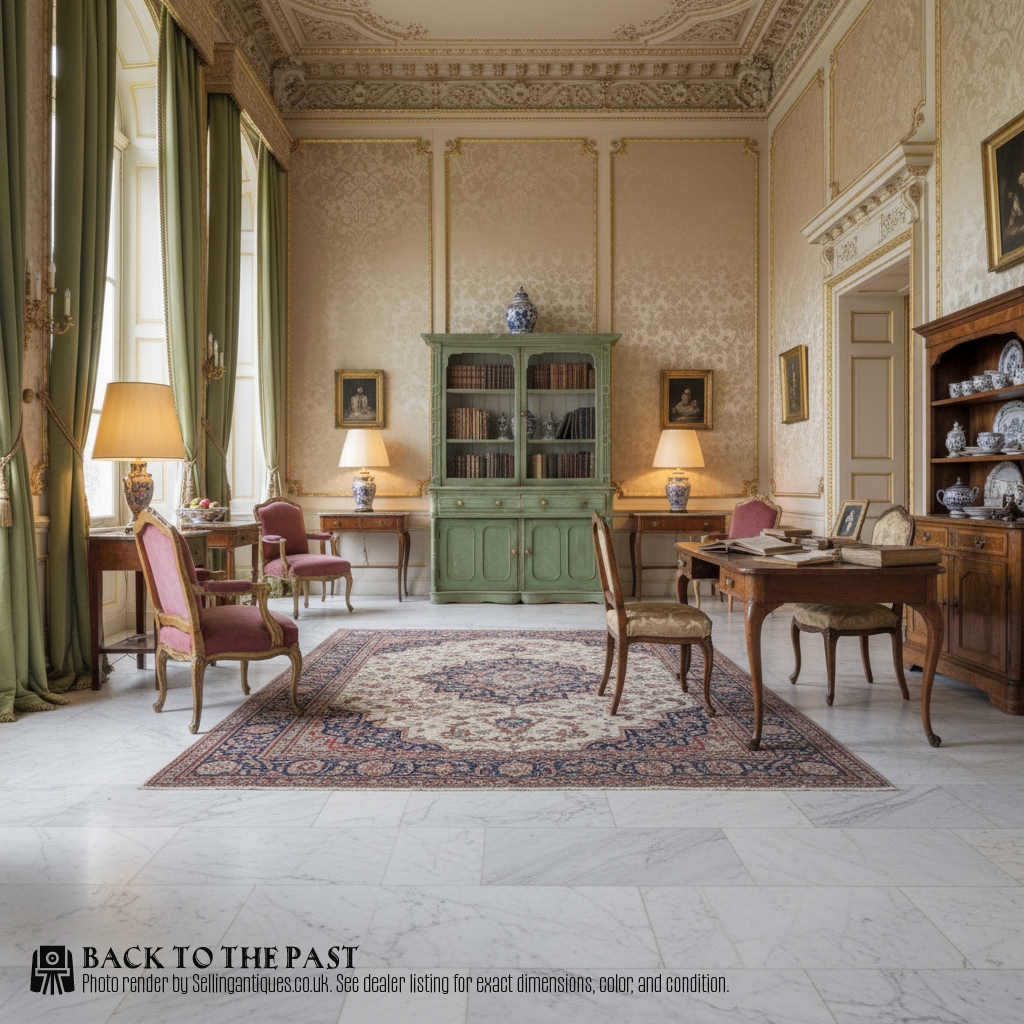
What They Are
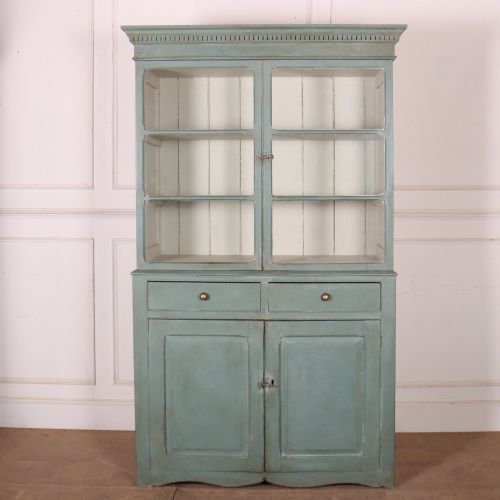
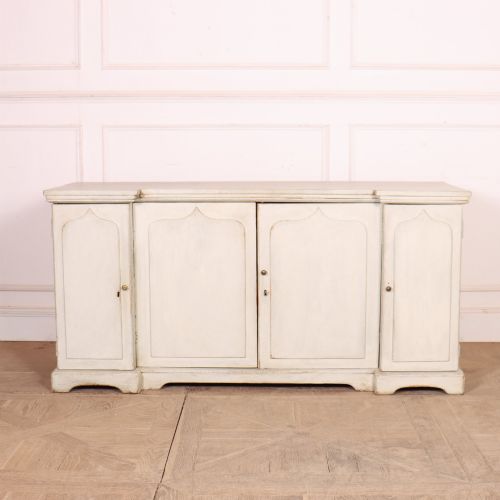
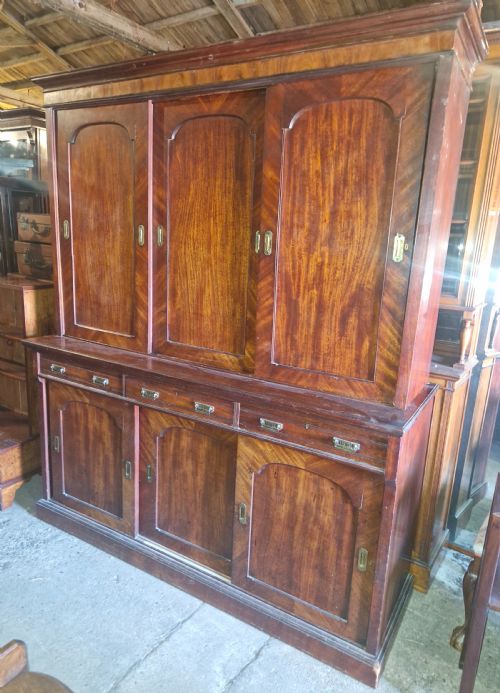
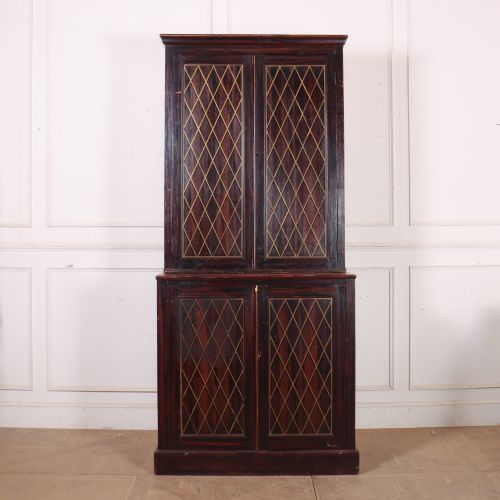
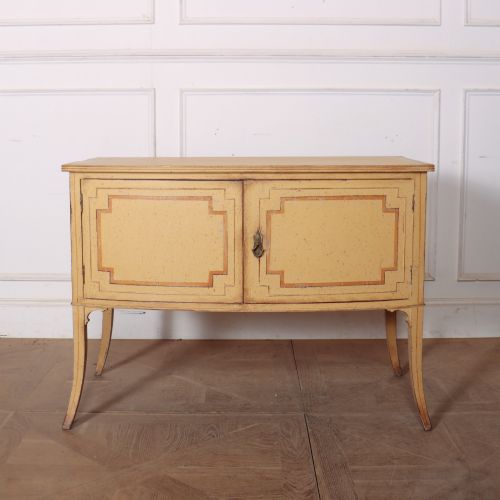
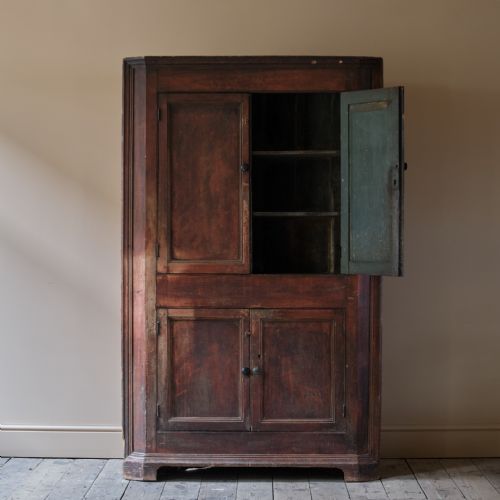
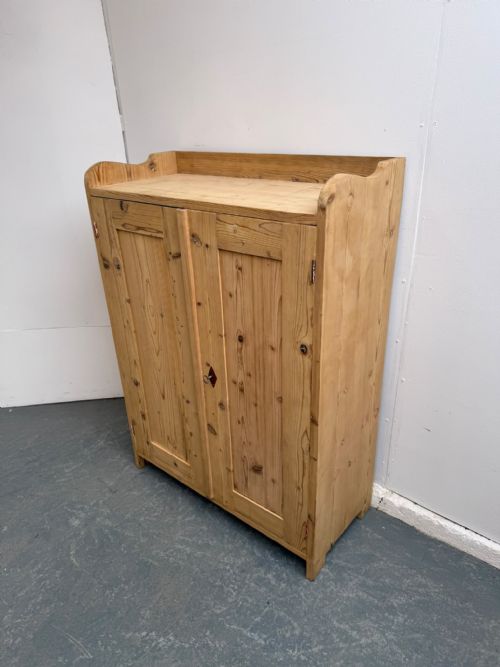
A country house cupboard encompasses robust storage furniture built for large domestic estates, ranging from expansive housekeepers' cupboards to kitchen dressers and corner units. These pieces served hardworking domestic spaces rather than formal reception rooms, prioritizing volume and accessibility for household stores.
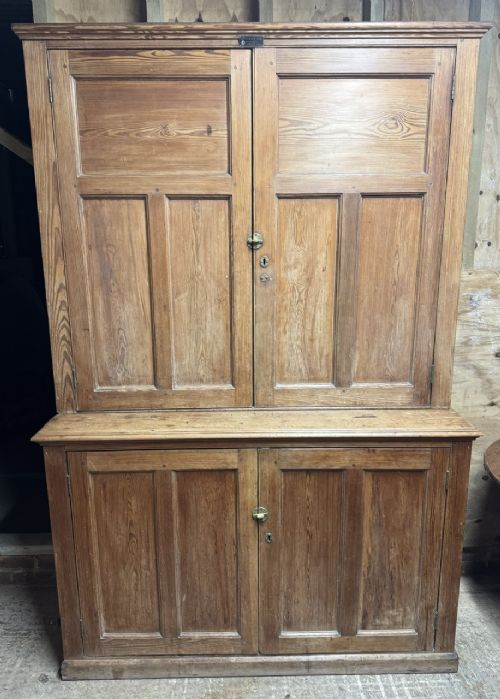
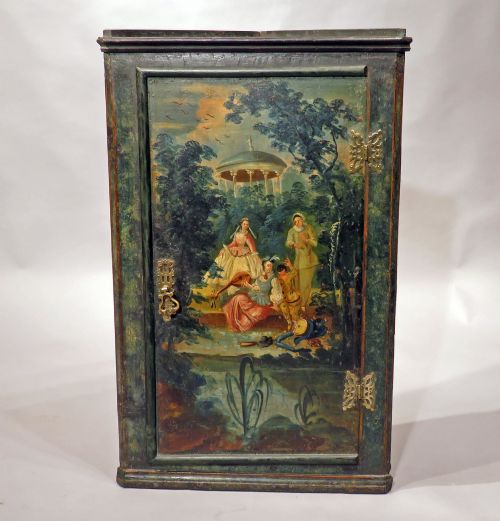
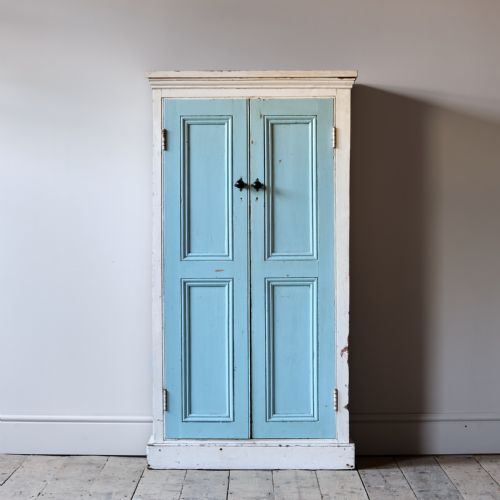
The most common examples encountered here are vernacular pine and oak pieces originating from English regions like the West Country and Yorkshire, alongside select continental examples. They frequently appear in original paint finishes, historic oak grain effects or stripped wood, reflecting generations of practical service.
How They Were Made
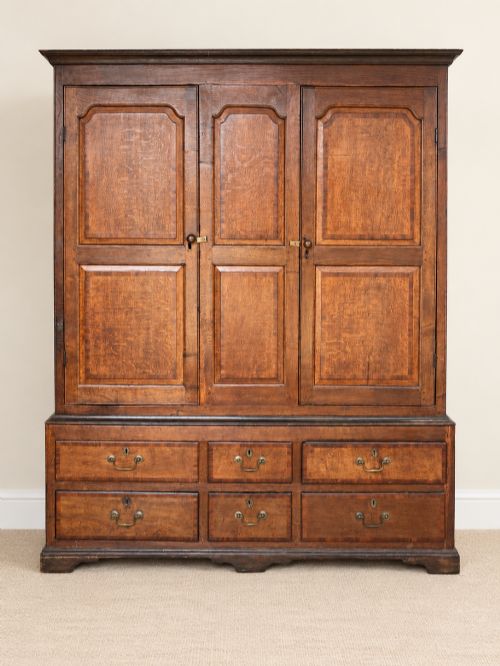
Joiners and regional cabinetmakers constructed these cupboards using solid timbers such as pine, oak, ash, pitch pine and burr walnut, joined with pegged mortise and tenon techniques. Iron hinges, brass handles and escutcheons secured heavy doors enclosing generous shelving and drawer arrangements.
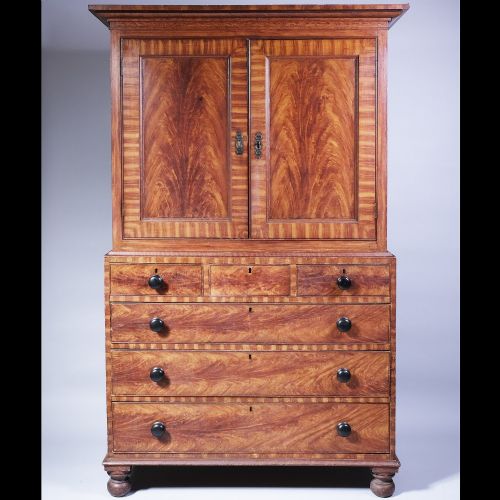
Surfaces were frequently finished with layers of lead-based paint, grain painting to imitate finer timbers, or left as bare scrubbed wood. Construction prioritized sturdy practicality, utilising thick panels and robust framing designed to withstand heavy daily use in sculleries, halls and larders.
Retail Price Guide 2026
Typical UK retail prices for country house cupboard, calculated from the Sellingantiques database of over a million retail prices indexed since 2003. This retail price guide relies exclusively on Sellingantiques data; no external sources or auction records are used, so the figures do not describe the wider market.
Listings feature pieces spanning the eighteenth, nineteenth and Victorian periods, constructed in pine, oak, ash, mahogany and walnut.
What Varies in Quality
Quality rests in the integrity of the timber selection and the retention of authentic regional characteristics, such as untouched original paint surfaces or honest patination on oak. Pieces retaining their original hardware and untouched interior shelving command greater appreciation among traditional collectors.
Proportion and scale distinguish finer vernacular pieces from purely utilitarian workshop output, with well-balanced door panels and restrained mouldings showing deliberate design. The presence of historic surface treatments, whether folk art painting or aged polish, defines the visual character of the upper tier.
The Country House Cupboard Glossary
- Housekeeper's cupboard
- A large storage cabinet traditionally used for linens, dry goods and provisions, typically featuring upper doors above a base of drawers or lower cupboards.
- Buffet deux corps
- A traditional two-stage French storage piece consisting of an upper cabinet resting upon a deeper lower cupboard section.
- Compactum
- A multi-compartment wardrobe or storage cabinet designed to maximise internal organisation for garments and accessories.
- Press cupboard
- A tall piece of furniture featuring enclosed shelving accessed by doors, historically utilised for storing folded clothing and household textiles.
Frequently Asked Questions
How were housekeepers cupboards used?
These large cupboards stood in domestic service areas to store household linen, blankets, china and dry provisions.
Their substantial interior capacity made them the central storage hub for the running of a large country home.
Where did these cupboards originate?
The pieces originate from various English regions, particularly the West Country and Yorkshire, as well as continental workshops.
Local timber availability and regional woodworking traditions heavily influenced their construction style and finish.
What woods are most common?
Pine and oak form the vast majority of surviving examples, alongside ash, pitch pine, teak and flame mahogany.
Makers utilised whichever native or imported hardwoods suited the intended function and location of the cabinet.
Are original paint finishes common?
Many examples survive with early or original painted surfaces, including folk art decoration and simulated wood graining.
These untreated or historic coatings provide crucial evidence of the piece's working life and aesthetic evolution.