
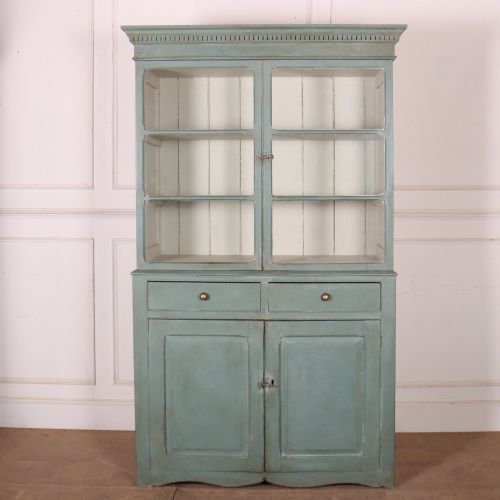
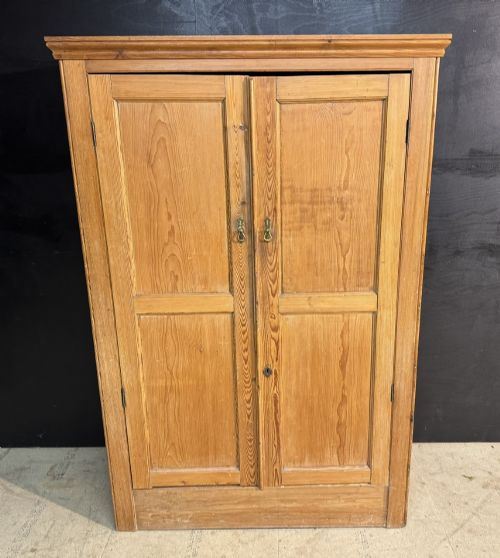
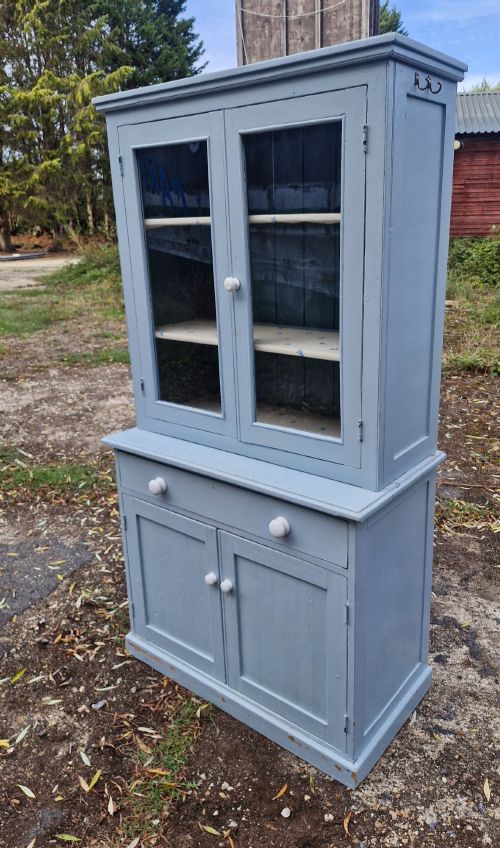
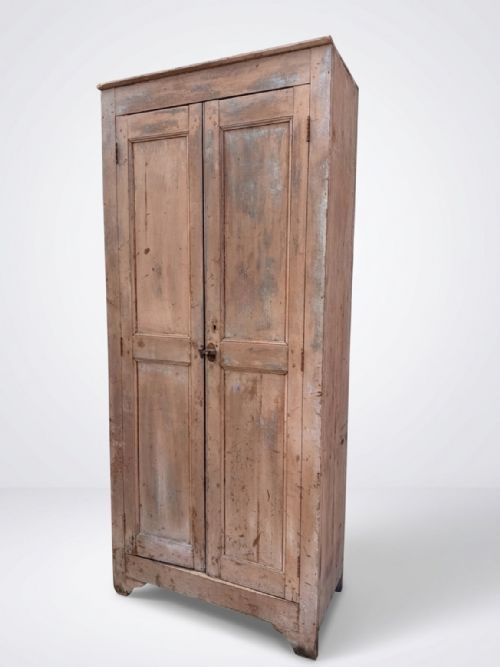
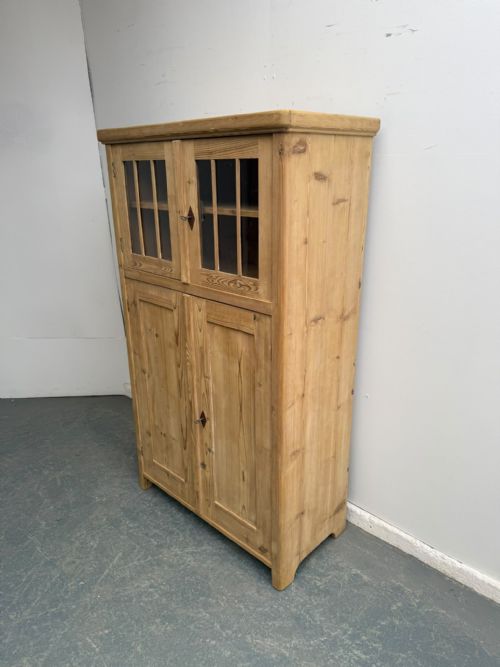
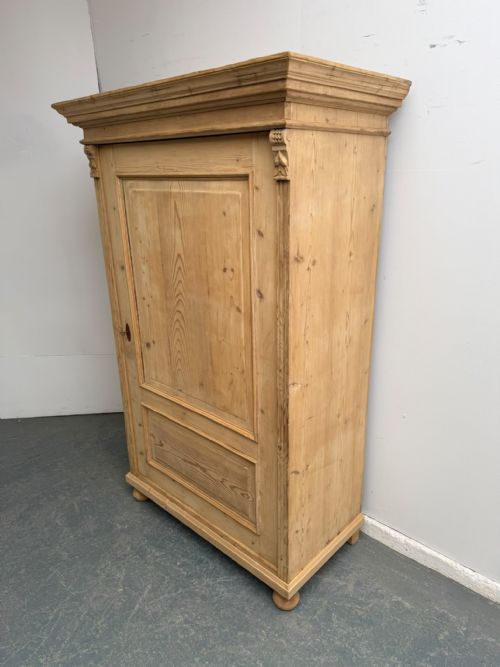
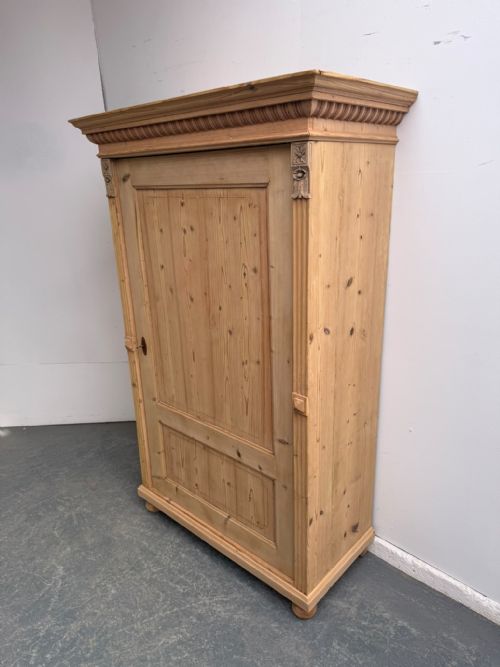
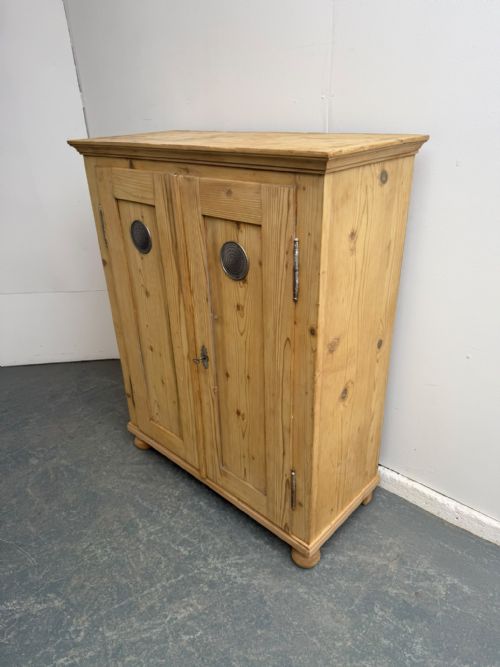
Vintage Larder Cupboard
A vintage larder cupboard provides sturdy utility for food storage, originating in country kitchens from the eighteenth century onwards.
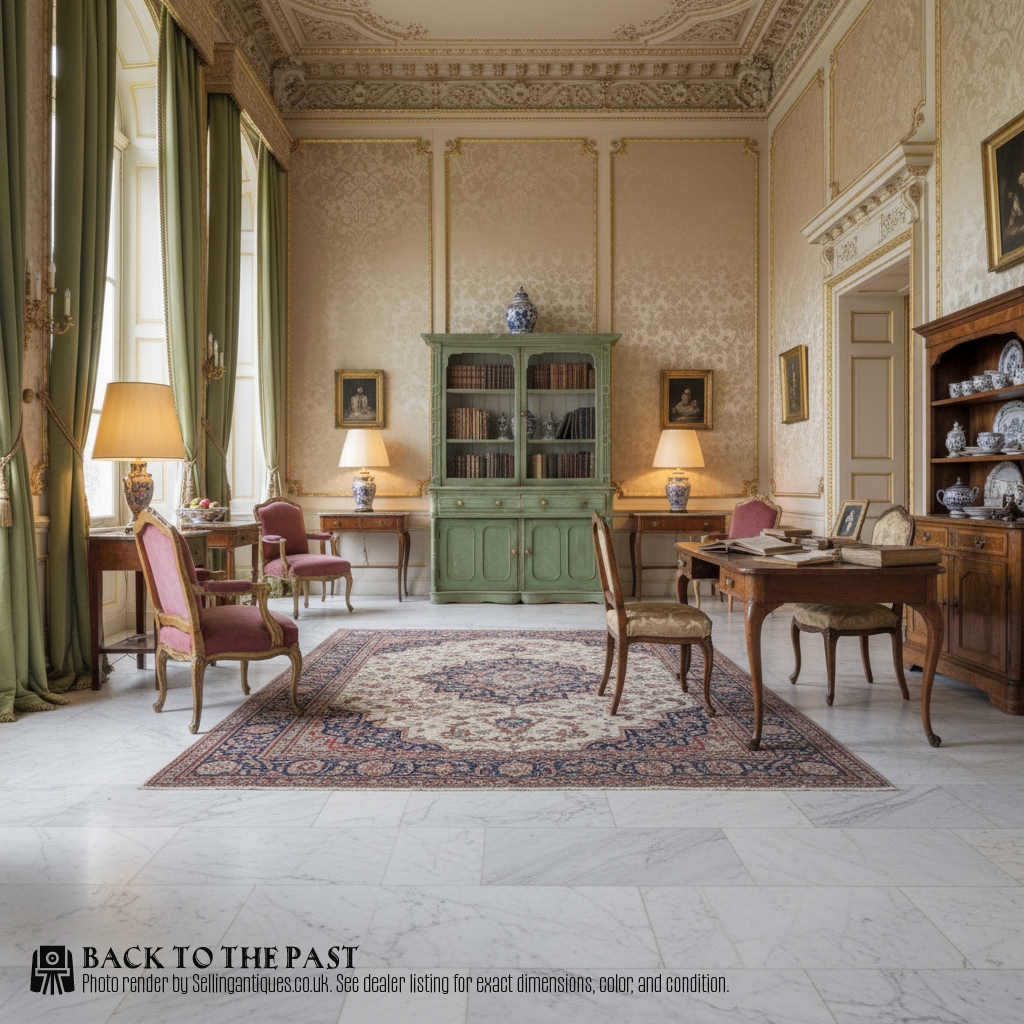
Vintage Larder Cupboard
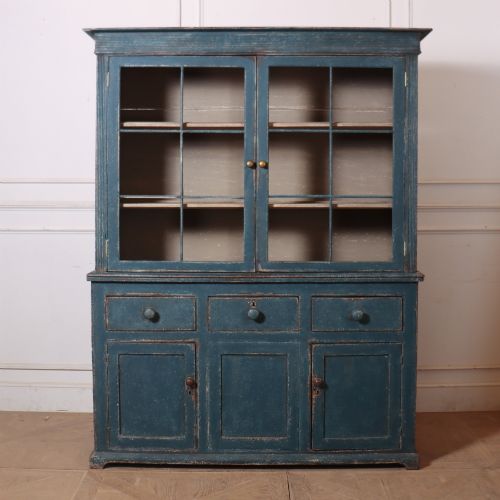
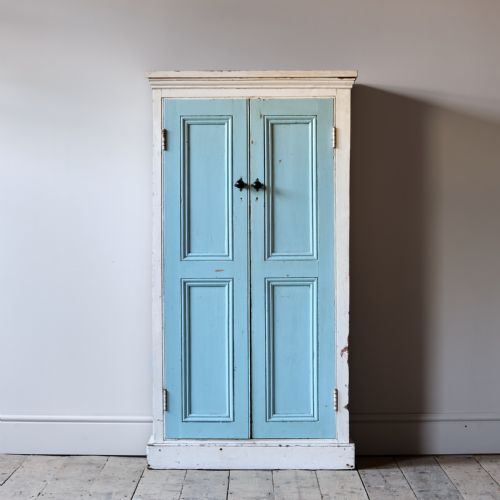
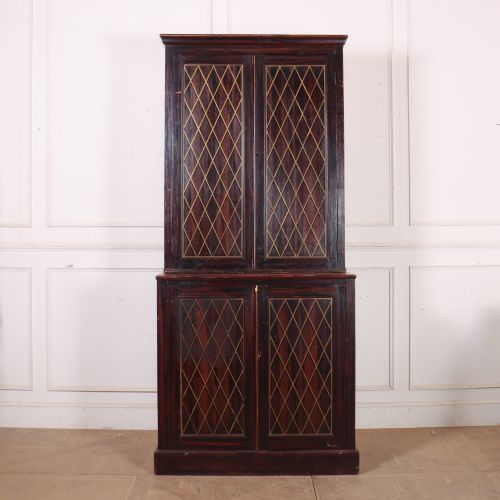
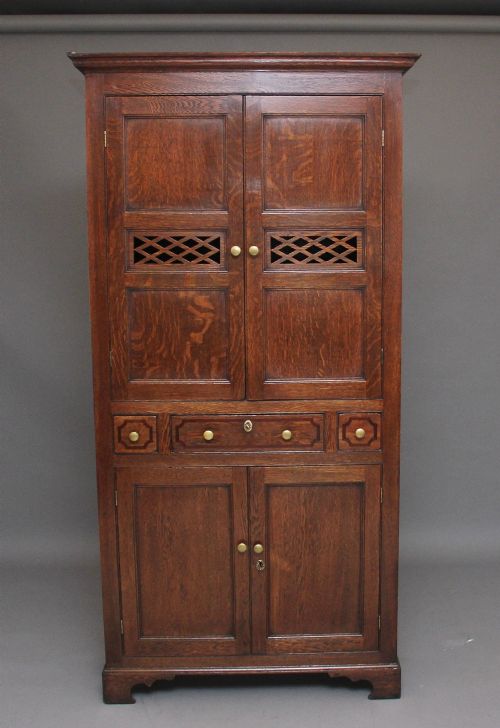
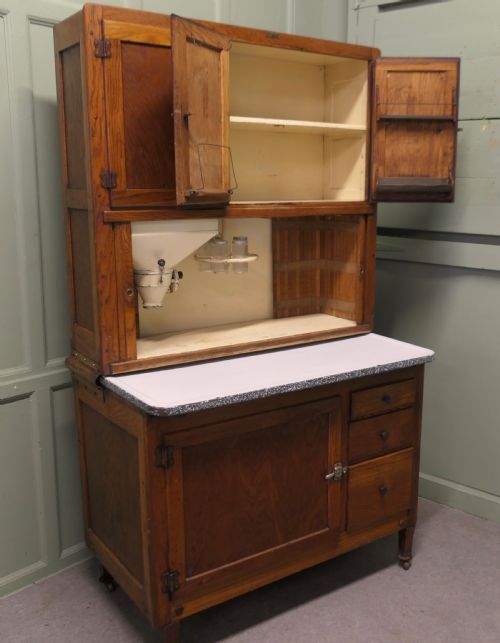
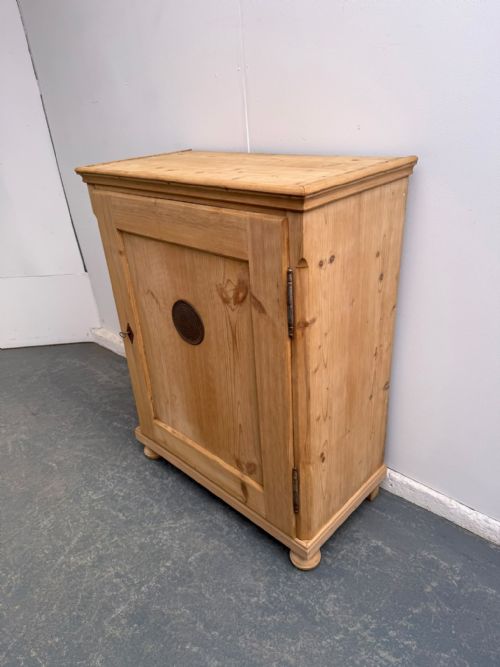
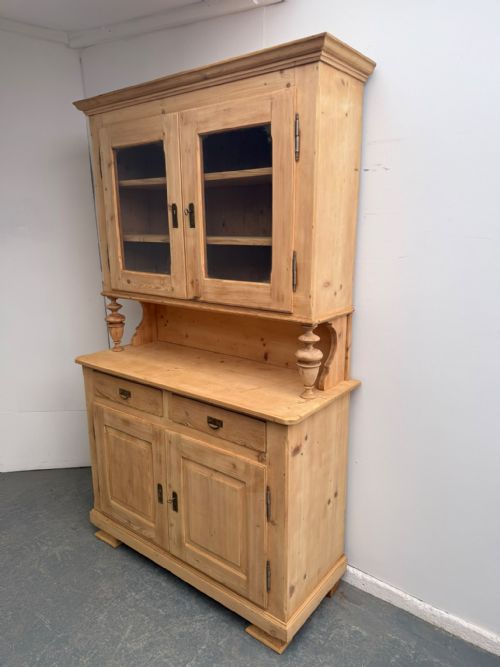
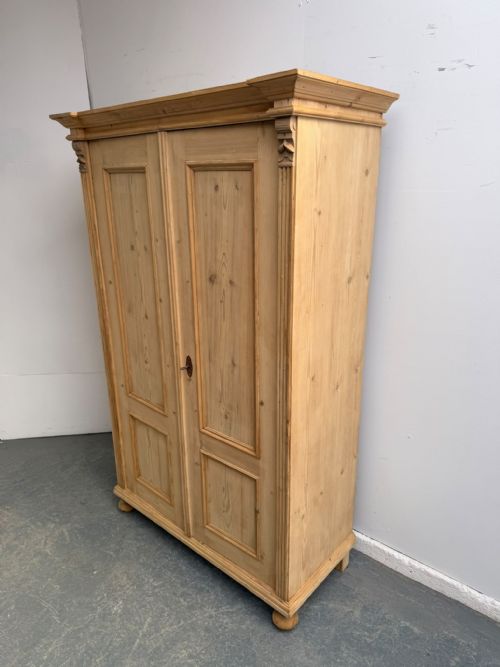
A vintage larder cupboard serves as a substantial storage piece designed originally to keep provisions cool and organised in domestic kitchens. Buyers searching for a vintage larder cupboard encounter various regional forms, including housekeeper cupboards, kitchen dressers, and two-part cabinets. These items mostly appear in pine, oak, and painted finishes originating from the nineteenth and early twentieth centuries.
The regional variety spans English, Scottish, French, and East European examples, reflecting local rural traditions in domestic storage furniture. Many pieces feature vented doors for air circulation around food stores, alongside internal shelving and cupboards designed for utilitarian purpose. The selection includes both grand multi-door storage cabinets and smaller single-door cupboards suited for compact spaces.
How they were made
Pine and oak form the structural foundation of these storage pieces, constructed by regional carpenters and cabinetmakers using traditional joinery methods. Many pieces survive with their original paint finishes or later historic painted surfaces in shades of green, grey, and cream.
Hardware details typically include brass or iron hinges, latches, and pulls that secure heavy doors and drawers. Glazed panels appear on upper sections of select cabinets, while perforated metal or pierced wooden vents provide essential airflow in food storage compartments.
Vintage Larder Cupboard Retail Price Guide 2026
Typical asking prices for vintage larder cupboard among the pieces listed under this phrase on Sellingantiques today, from the lower quarter to the upper quarter. They describe what is for sale here now, not the wider market.
Several cupboards retain their original ventilation screens designed to let cheese breathe without inviting mice indoors.
What varies in quality
Proportion and scale dictate the visual presence of a piece, with well-balanced cornices and harmonious door divisions setting finer examples apart. The handling of timber framing, such as neatly fielded panels and tight joints, indicates the maker's competence.
Surviving original ironmongery and uncompromised interior layouts contribute to the integrity of a storage cupboard. The character of the timber surface, whether mellow waxed pine or layered historic paint, determines the aesthetic depth of the object.
Hudson Bros
The Vintage Larder Cupboard Glossary
- Housekeeper's cupboard
- A large storage piece traditionally used in country houses for linen, dry goods, and household provisions. These tall cabinets usually feature multiple doors enclosing deep shelving.
- Fielded panel
- A wooden panel with bevelled edges that fits into a grooved frame, allowing the wood to expand and contract safely with changes in room temperature. This construction method adds depth and shadow to cupboard doors.
- Vented cupboard
- A storage cabinet incorporating pierced metal screens or slatted wood panels to permit air circulation. This feature kept food cool and fresh before mechanical refrigeration became common.
- Kitchen dresser
- A dual-purpose piece combining base cupboards with upper open shelves or glazed cabinets. These units displayed ceramics while storing everyday provisions below.
- Harlequin linen cupboard
- A storage unit that brings together mismatched doors or timbers from different periods or sources while functioning as a single piece of furniture.
Vintage Larder Cupboard: Frequently Asked Questions
What is a larder cupboard?
A larder cupboard is a tall storage unit designed to hold food provisions, dry goods, and kitchen equipment before the advent of fitted kitchens.
These pieces often include internal shelving, drawers, and ventilated doors to maintain airflow around perishable items.
How were these cupboards used?
Households utilised these cabinets to store flour, cured meats, spices, and crockery in domestic kitchens and sculleries.
The deep shelves and compartmentalised interiors kept provisions organised and protected from household pests.
How do I date a pine cupboard?
Dating relies on construction methods, timber preparation, hardware types, and nail technology visible inside the carcase.
Hand-sawn boards, early-style hinges, and original paint layers offer reliable clues to a nineteenth-century or earlier origin.
Can I paint a stripped pine cupboard?
Many of these pieces were historically painted, and applying a traditional paint finish matches their original rural character.
Preparation involves assessing the current surface, whether raw waxed pine or bare wood, to ensure proper paint adhesion.