







Painted Timber Sideboard
A painted timber sideboard brings enduring utility and character to a room, offering generous storage through substantial proportions and time-softened colour.
Painted Timber Sideboard
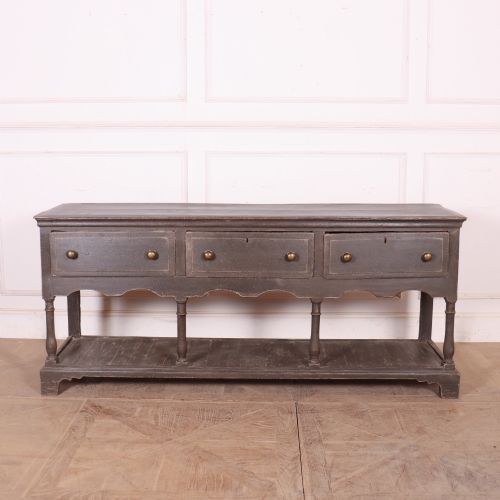
When you search for a painted timber sideboard, you encounter robust storage pieces spanning several centuries, including Georgian dresser bases, Welsh servers, and French commodes. These items hail from domestic and rural traditions across England, Wales, France, and Hungary, reflecting practical household needs.
The pieces on this page lean heavily towards country houses, farmhouses, and provincial workshops rather than formal urban drawing rooms. You will frequently find pine dresser bases, potboard bases, and multi-drawer banks that combine surface paint with honest timber construction.
Materials and construction
Joiners built these items primarily from pine and solid wood, fastening them with traditional methods suited to everyday domestic use. Iron and brass hardware, such as hinges and drawer pulls, completed the functional design of each cabinet or server.
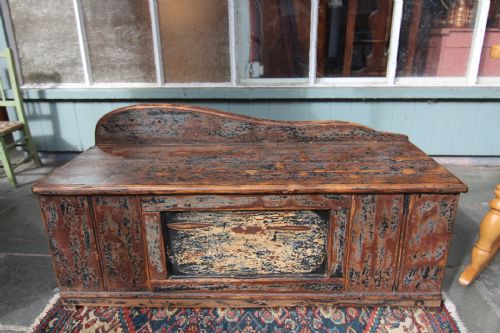
Surfaces received layers of paint, often applied in folk art traditions or muted country house palettes. Over generations, this paint has weathered and worn, revealing the underlying grain and earlier coats of pigment.
Painted Timber Sideboard Retail Price Guide 2026
Typical asking prices for painted timber sideboard among the pieces listed under this phrase on Sellingantiques today, from the lower quarter to the upper quarter. They describe what is for sale here now, not the wider market.
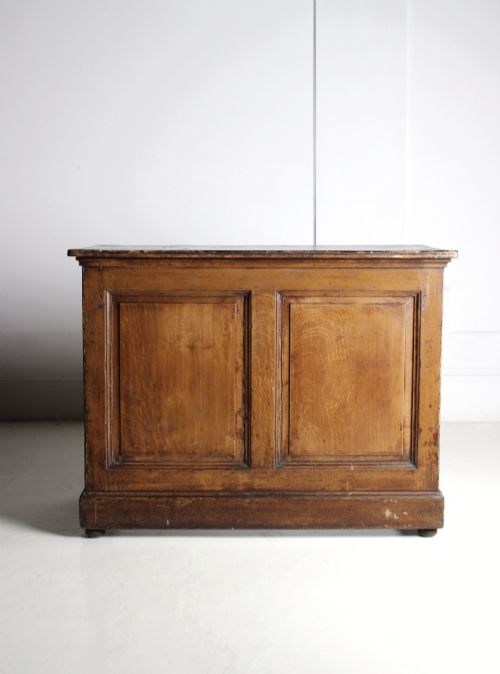
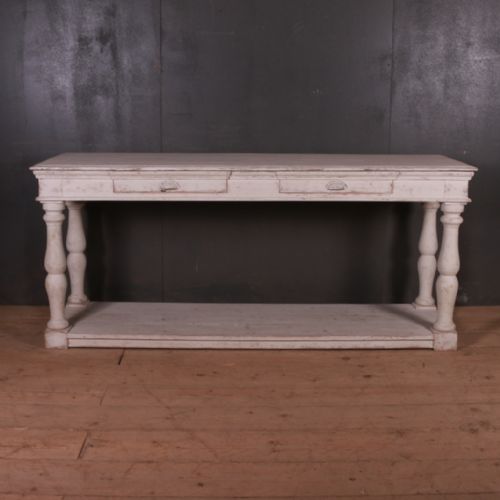
A twelve-drawer pine shop counter waits patiently to swallow up all your stray keys, receipts, and mysterious small hardware.
Judging quality and character
Quality rests in the integrity of the timber and the honesty of the painted surface, distinguishing period examples from later decorative treatments. A superior piece retains its original structure, authentic wear, and balanced proportions.
Finer items demonstrate thoughtful joinery details, such as dovetailed drawers and undisturbed backboards, alongside patination that speaks of genuine age. The harmony between the base wood and the surviving pigment dictates the overall visual strength of the piece.
The Painted Timber Sideboard Glossary
- Potboard base
- An open lower shelf fitted beneath the main counter of a dresser base, traditionally used for displaying heavy pottery and earthenware. This practical design allowed damp plates to dry in the air.
- Commode
- A low chest of drawers or cabinet originating from French tradition, typically featuring generous proportions and decorative surface finishes. These pieces served both storage and display functions in domestic interiors.
- Dresser base
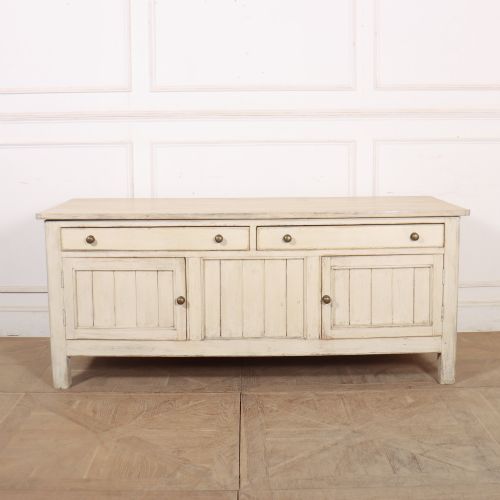
- The lower half of a traditional kitchen or dining room dresser, featuring cupboards and drawers beneath a solid wooden top. Unlike a full dresser, it omits the upper plate rack entirely.
- Patina
- The surface sheen and textural softening developed by wood and paint over decades or centuries of handling and cleaning. This quality cannot be faked quickly and marks genuine age.
Painted Timber Sideboard: Frequently Asked Questions
How were these sideboards used originally?
These pieces served as hardworking furniture in domestic kitchens, dining rooms, and shops for storing provisions, table linen, and everyday wares. Their sturdy tops provided extra workspace for food preparation or serving meals.
Over time, many transitioned from strictly utilitarian roles into prominent living spaces where their decorative painted surfaces could be appreciated.
How do I care for a painted timber piece?
Keep the wood away from direct heat sources and dramatic humidity shifts to prevent the timber from warping or splitting. Dust gently with a dry or slightly damp cloth, avoiding modern chemical polishes that can damage aged paint.
Allow the surface to age naturally, embracing the minor scuffs and marks that accumulate as part of the piece's ongoing history.
Are these pieces English or continental?
The selection includes both British examples, such as English and Welsh country pieces, and continental items originating from France and Hungary. Each regional tradition brings distinct proportions, hardware choices, and paint applications.
Examining the construction methods and timber types usually reveals whether a piece emerged from a provincial English workshop or a French farmhouse.
What defines a country house style?
Country house furniture values practical utility, comfort, and unpretentious materials over rigid formality. These pieces often feature regional vernacular designs that developed organically to suit rural homes.
Their appeal lies in this unforced character, where layers of historic paint and sturdy pine construction reflect generations of domestic life.