






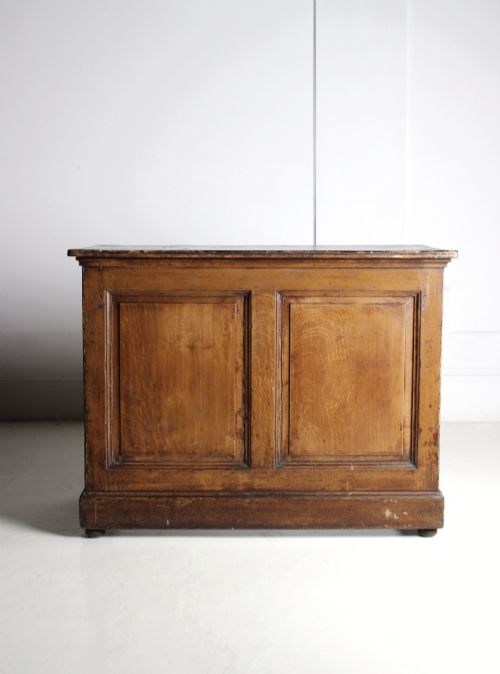

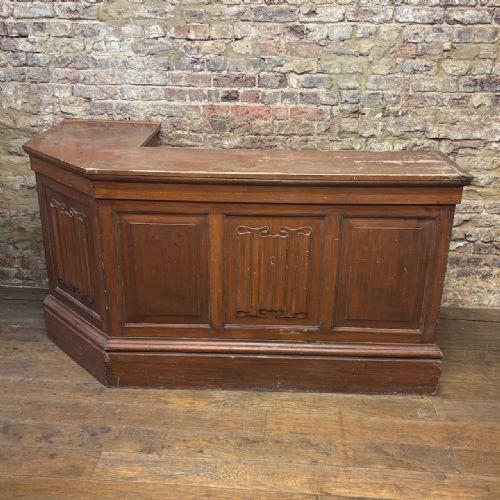
Antique Shop Counter
An antique shop counter brings utilitarian heritage and grounded presence into domestic interiors through time-worn timber and glass.
Antique Shop Counter
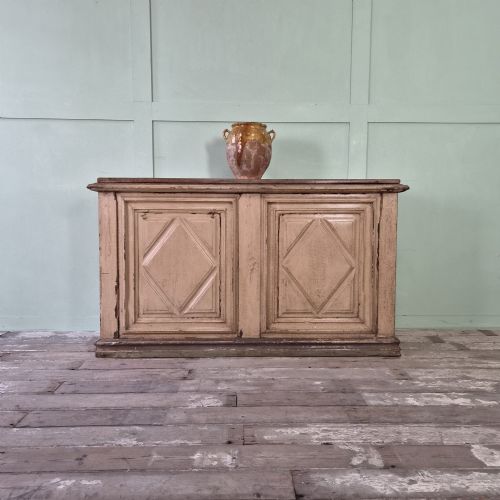
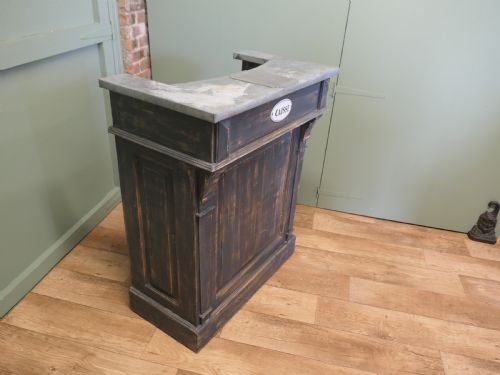
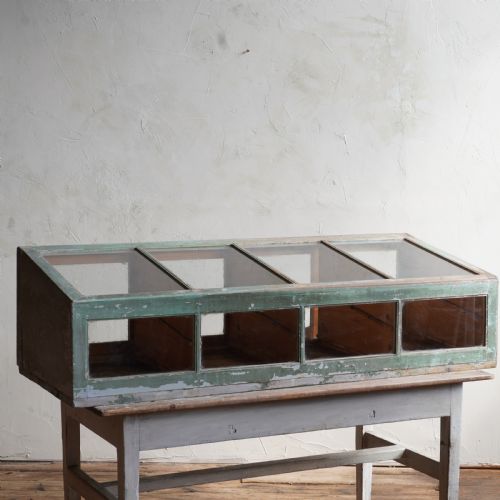
When you search for an antique shop counter, you encounter substantial commercial furniture designed to serve mercantile spaces across the nineteenth and early twentieth centuries. These pieces encompass freestanding floor units, glazed display cabinets, and multi-drawer storage fixtures built for trade.
The versions most frequently met on this page span Victorian and Edwardian periods, alongside later 1920s and 1930s commercial examples. You will discover oak, mahogany, and pine constructions originating from English workshops and continental makers.
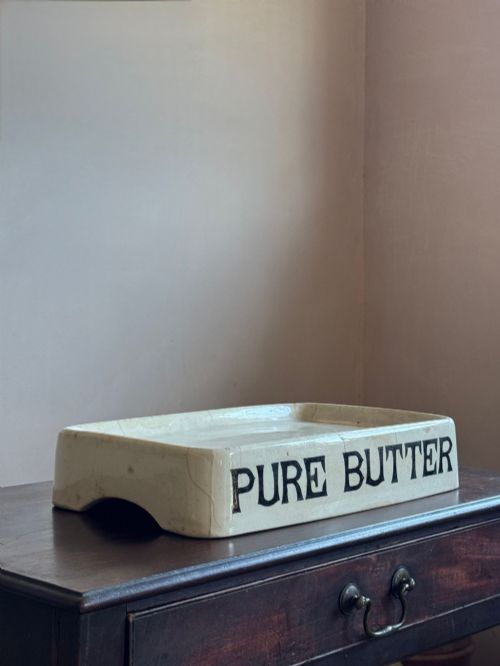
Beyond standard counters, the selection includes drapers' tables, countertop display cases, and specialised haberdashery fittings with numerous small drawers. Each form reflects the specific demands of historical retail, from apothecary storage to drapery display.
Materials and construction
Makers relied heavily on durable hardwoods like mahogany and oak for structural framework, alongside pine for internal carcases and secondary surfaces. Glazing was integrated extensively to protect delicate merchandise while offering clear visibility to customers.
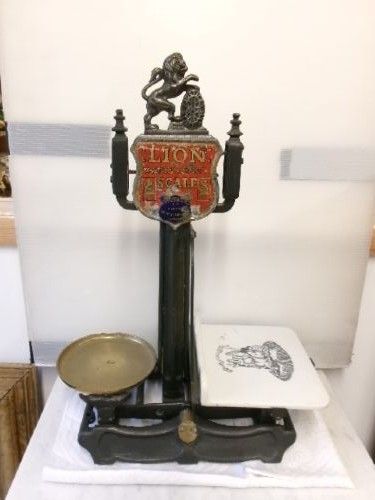
Hardware and secondary elements incorporate brass, cast iron, and chrome, supporting mechanisms such as sliding doors, till drawers, and beam scales. Original surface treatments frequently include distressed painted finishes, gilt decoration, and polished timber patination.
Antique Shop Counter Retail Price Guide 2026
Typical asking prices for shop counter among the pieces listed under this phrase on Sellingantiques today, from the lower quarter to the upper quarter. They describe what is for sale here now, not the wider market.
One towering mannequin once watched over a Parisian lingerie shop before finding its way to the antique market.
Evaluating craftsmanship and integrity
Superior examples demonstrate robust joinery and thoughtful detailing, such as bow-end glazing, mirrored interiors, and integrated multi-drawer configurations that remain fully operational. The retention of original painted finishes or authentic maker branding significantly elevates a piece's historical integrity.
Lower-tier items often display heavy commercial alterations, replaced glass panes, or degraded secondary timbers resulting from decades of heavy retail use. The distinction lies in how intact the original commercial hardware, paneling, and structural framing remain.
F. Sage & Co·W & T Avery·Dudley & Co·G H Gledhill Halifax·Mappin & Webb
The Antique Shop Counter Glossary
- Haberdashery counter
- A multi-drawer retail fixture traditionally used for storing small sewing notions and textiles. These units often feature numerous shallow drawers designed for organisation.
- Toleware
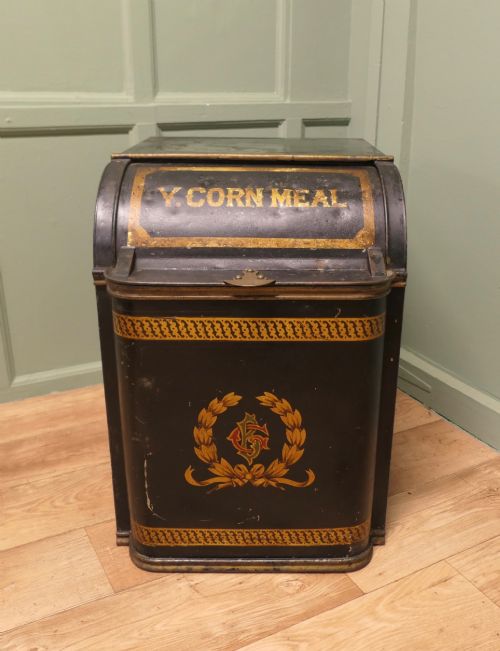
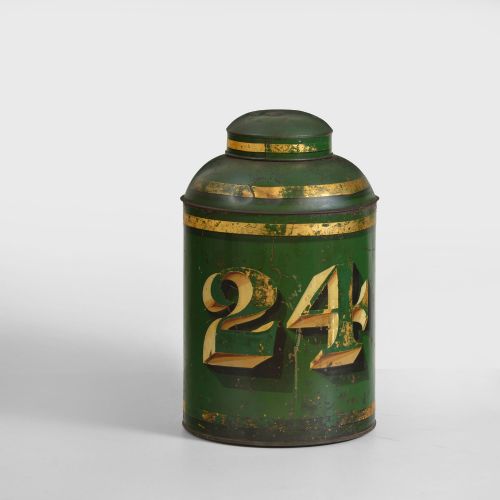
- Painted or japanned metalware, frequently tin, decorated with techniques like Chinoiserie. It appears on storage canisters and shop boxes from the nineteenth century.
- Bow end
- A curved cabinet or counter termination that softens the rectangular profile. This shape allowed smoother customer flow and enhanced visibility.
- Draper's table
- A long, sturdy wooden table utilised in fabric mercantiles for measuring and cutting cloth. They typically feature utilitarian lower shelves or banks of shallow drawers.
Antique Shop Counter: Frequently Asked Questions
What is an antique shop counter?
An antique shop counter is a heavy-duty commercial furnishing built to handle retail transactions and merchandise display in historical stores. These pieces were constructed to withstand daily use by merchants and shopkeepers.
Today, they function as substantial kitchen islands, reception desks, or statement storage furniture in residential and commercial interiors. Their generous proportions and integrated drawers provide practical utility alongside historical character.
How do I date an old shop counter?
Dating relies on examining the timber species, construction techniques, hardware, and stylistic indicators such as Edwardian inlays or Victorian proportions. Oak and heavy mahogany dominate earlier nineteenth-century examples, while chrome and lighter formats emerge by the 1930s.
Maker plaques, patent stamps on locks or scales, and characteristic joinery methods help narrow down the decade of production. Comparing the piece against documented institutional fittings provides further chronological context.
Were these counters used in specific trades?
Many counters were tailored to particular mercantile trades, including drapers, grocers, chemists, and jewellers. Haberdashery units required dozens of small drawers for threads and buttons, while confectioners utilised glazed display cases.
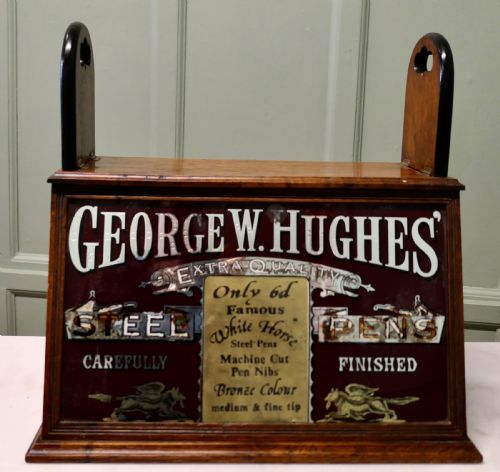
Specialised hardware like brass beam scales, till mechanisms, and advertising signage often accompanied specific trades. These functional requirements determined the internal layout and exterior form of each counter.
How do I care for a painted wooden counter?
Care involves maintaining stable indoor humidity levels to prevent timber movement and cracking in aged pine or oak carcases. Gentle dusting with a dry cloth protects fragile original painted finishes and gilt decorations from unnecessary wear.
Avoiding direct sunlight and excessive moisture preserves the integrity of historic varnishes and patinated surfaces. Periodic application of appropriate wax feeds exposed hardwood timbers without harming distressed paintwork.