



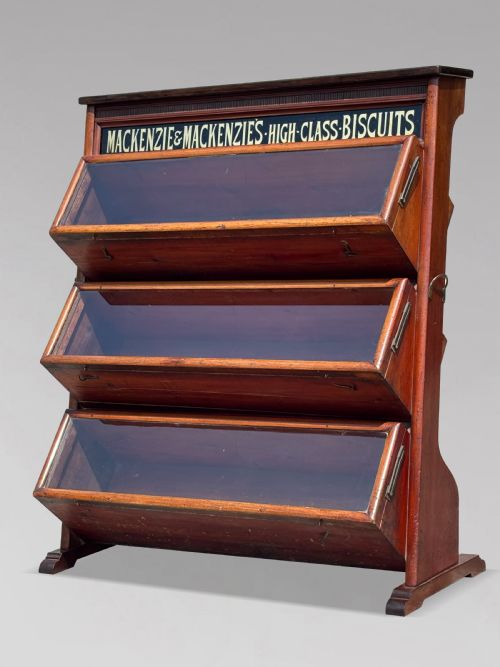


Antique Retail Counter
An antique retail counter anchors a room with hard-wearing timber and glass, offering functional display space rooted in commercial history.
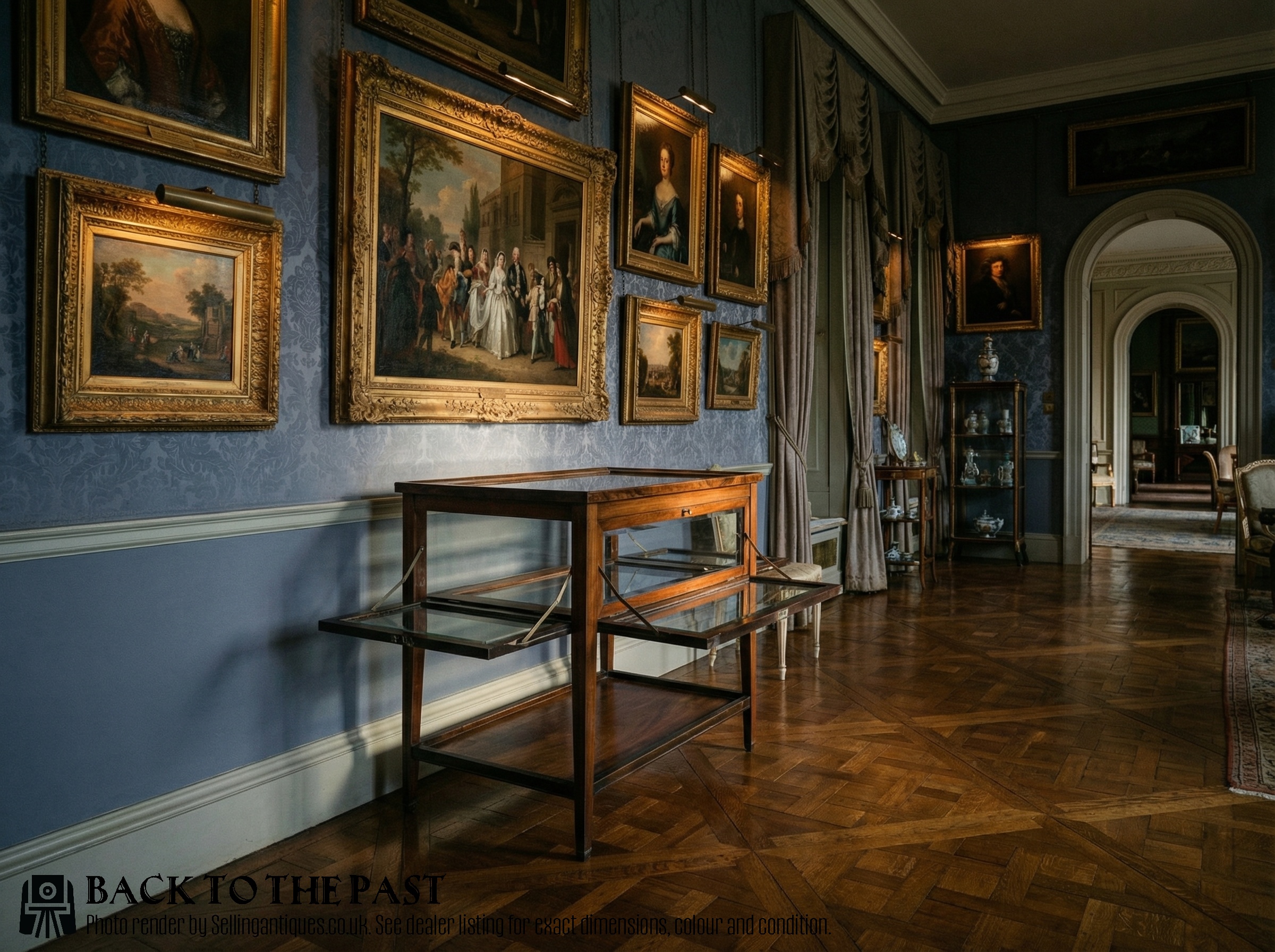
Antique Retail Counter
An antique retail counter is a piece of shop furniture built for serving customers and exhibiting goods. When you search for an antique retail counter, you encounter substantial furniture designed to withstand daily trade.
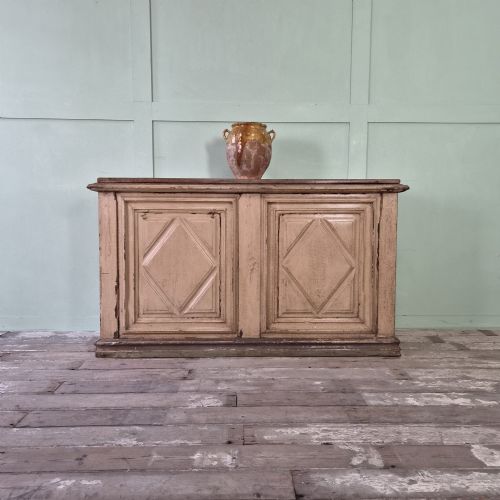
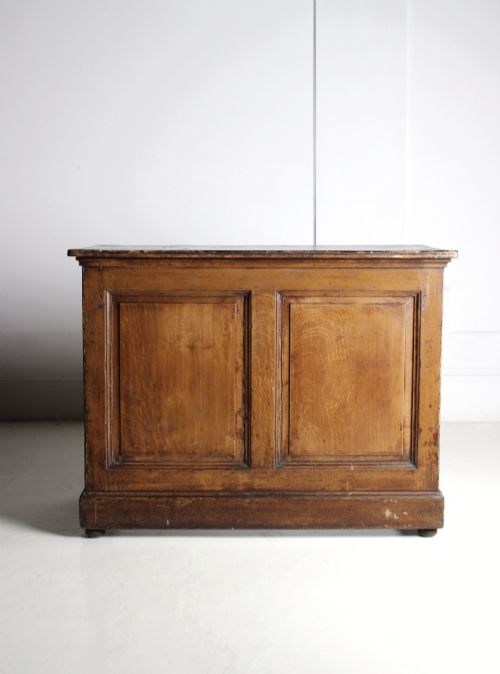
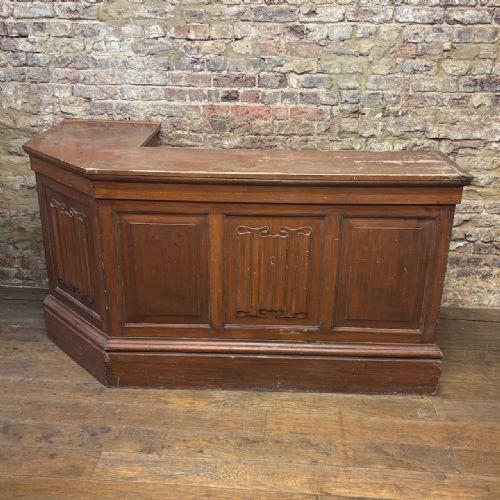
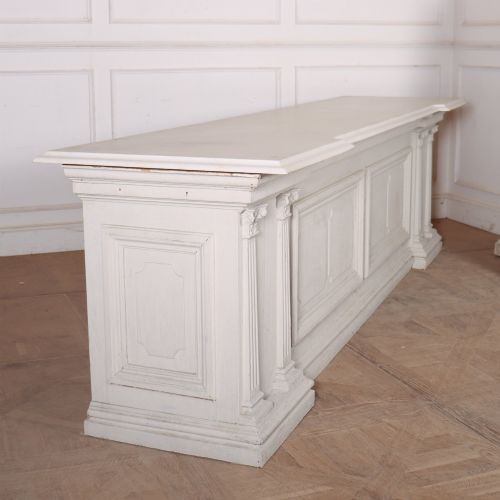
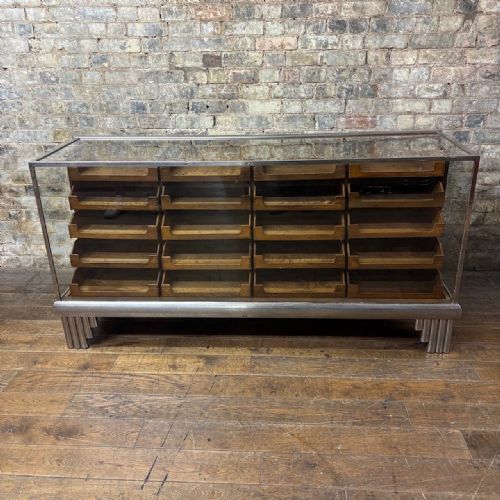
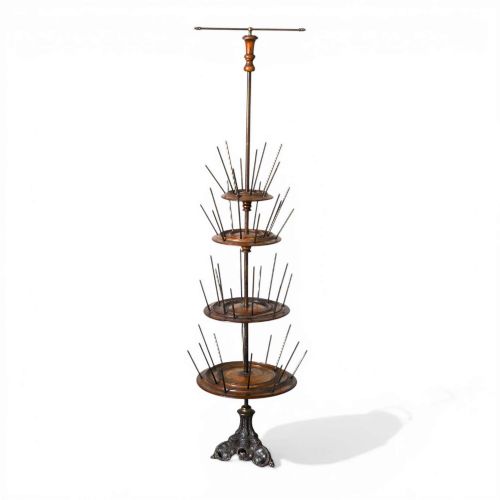
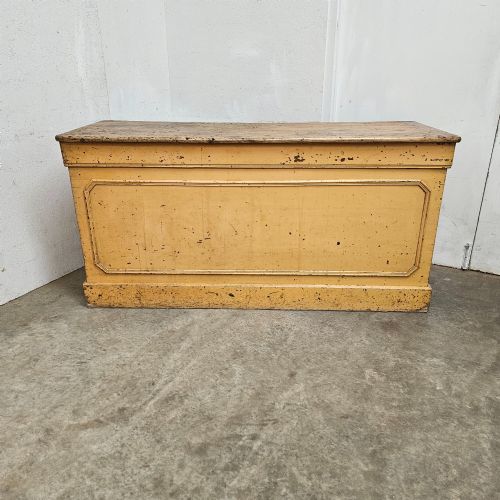
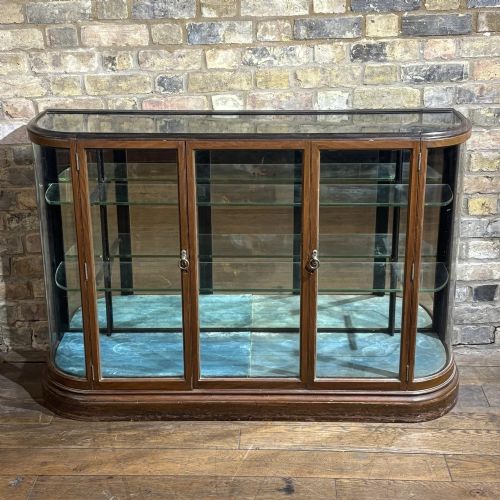
The pieces appearing here span the Victorian era, the nineteenth century, nineteen hundred, and the nineteen twenties. Forms range from shop serving counters and display cabinets to drapers counters.
Origins include French provincial and Adam style designs alongside commercial pieces. The most frequent encounters are timber shop counters and display counters built from mahogany, pine, and hardwood.
How they were made
Construction relies on timber frames utilising mahogany, pine, and hardwood. These materials provide the structural integrity required for heavy commercial use.
Glass panels are integrated to showcase goods while protecting them from handling. Additional components include original paint finishes and brass hardware.
Antique Retail Counter Retail Price Guide 2026
Typical asking prices for retail counter among the pieces listed under this phrase on Sellingantiques today, from the lower quarter to the upper quarter. They describe what is for sale here now, not the wider market.
Materials recorded across these listings include mahogany, pine, paint, brass, timber, hardwood, and glass.
What varies in quality
Quality rests in the integrity of the timber framing and the preservation of original surfaces such as paint and brass work. Pieces retaining their structural robustness and unblemished glass display areas represent the higher end of the range.
The refinement of the style, from plain commercial utility to Adam style detailing or French provincial character, dictates the distinction between standard shop furniture and finer display pieces.
The Antique Retail Counter Glossary
- Drapers counter
- A long shop counter historically used in textile retail for measuring and cutting cloth. These often feature generous timber tops and deep storage configurations.
- Adam style
- A neoclassical design style popularised in the eighteenth century, characterised by symmetrical geometry and classical ornamentation. Pieces in this manner show more formal decorative restraint.
- Display cabinet
- A case enclosed wholly or partially in glass designed to exhibit merchandise while keeping it secure. These sit either upon a base or directly on another counter surface.
- Hardwood
- Dense timber derived from broad-leaved trees, chosen for furniture requiring high durability. Mahogany is a prime example found in these commercial pieces.
Antique Retail Counter: Frequently Asked Questions
What is a drapers counter used for?
A drapers counter served as the central work surface in textile shops where cloth was measured and folded before sale. The long timber top provided ample space for handling rolls of fabric.
Beneath the surface, these counters often incorporated shelving or drawers to organise stock and haberdashery items out of the customer's immediate view.
How do I date a shop counter?
Dating relies on identifying timber types, construction methods, and stylistic cues present in the piece. Victorian examples often display heavier proportions and traditional joinery.
Later pieces from the nineteen twenties lean towards streamlined commercial utility, while nineteenth-century items may feature hand-applied paint and provincial detailing.
Are these counters suitable for home use?
These counters adapt well to domestic interiors as kitchen islands, sideboards, or statement storage furniture in large living spaces. Their robust construction handles everyday domestic demands with ease.
Glass-topped versions allow for the display of collections or personal items, bringing a distinct commercial character into a residential setting.
What woods were used for retail counters?
Cabinet makers utilised dense timbers such as mahogany and various hardwoods to withstand the heavy wear of retail environments. Pine also served as a primary structural wood, frequently painted.
Oak appears in countertop display cabinets designed for smaller goods like cigars. The choice of material depended on the shop's budget and the desired aesthetic.