


Edwardian Glazed Display Case
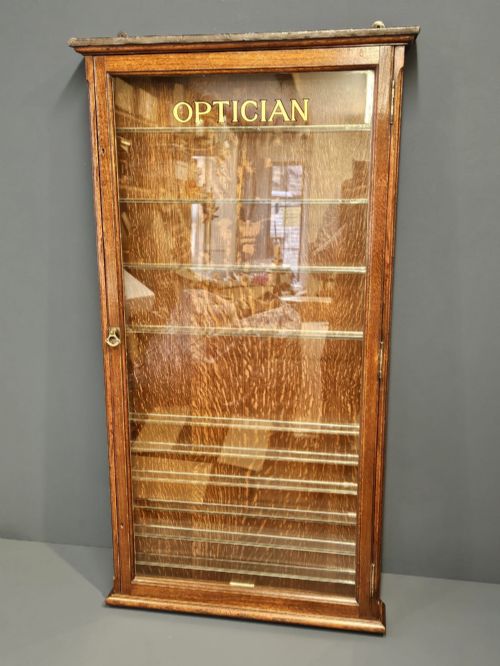
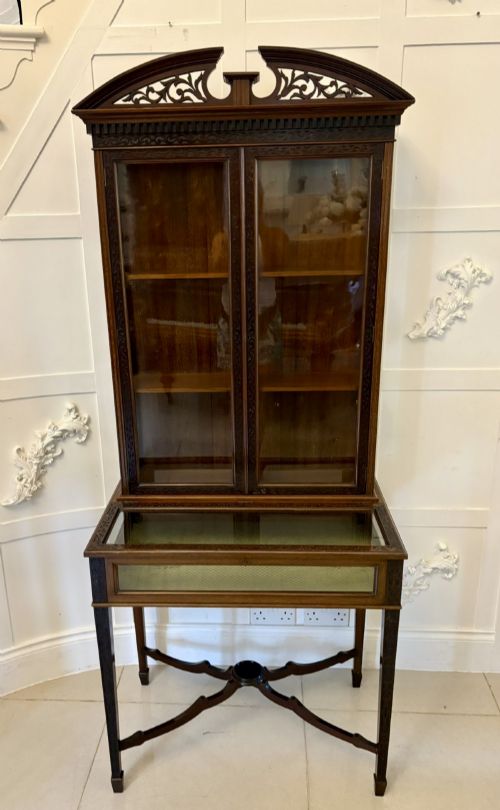
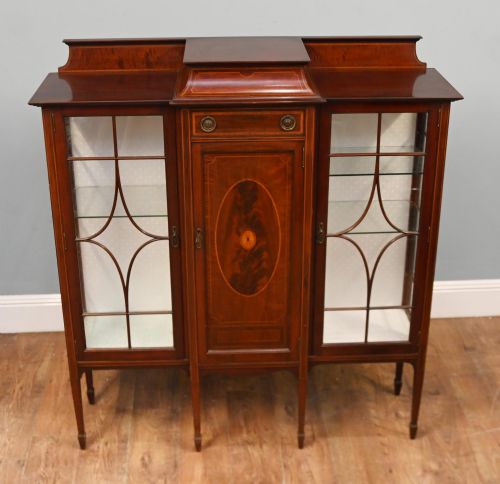
When you search for an edwardian glazed display case, you are looking at timber furniture made to show off porcelain, books and collected curiosities.
Edwardian Glazed Display Case
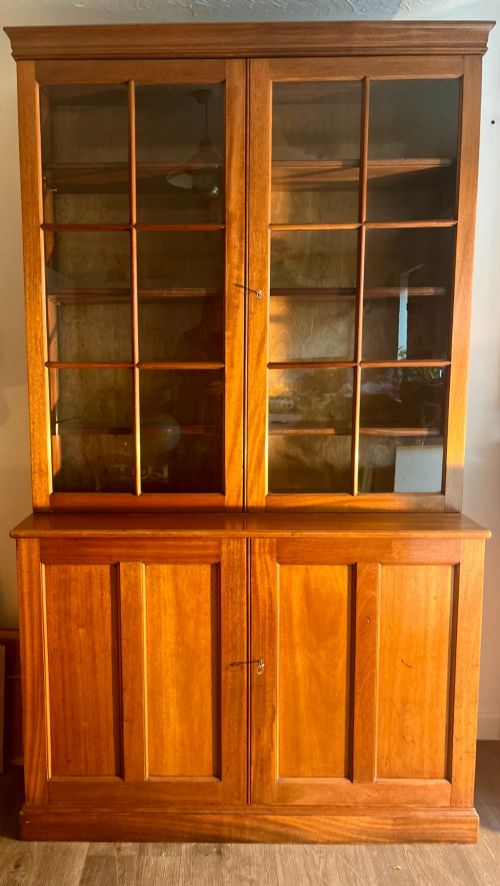
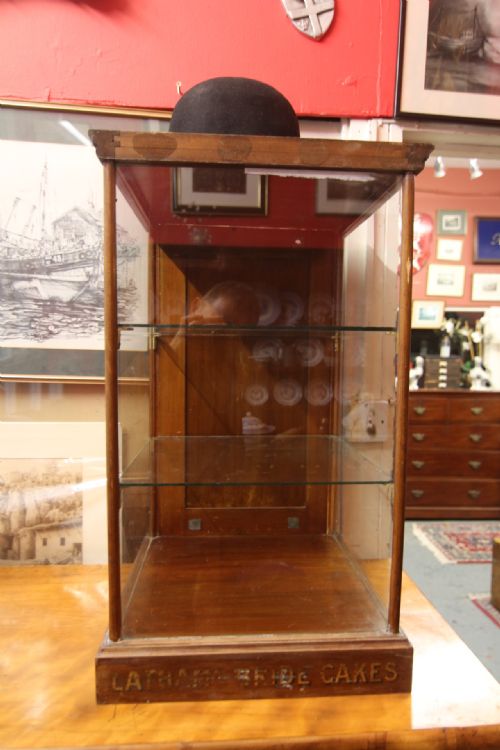
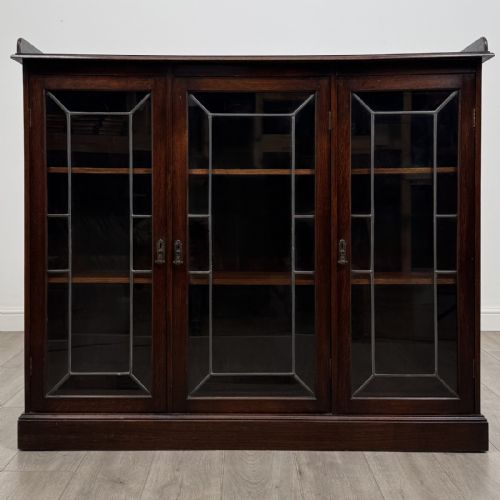
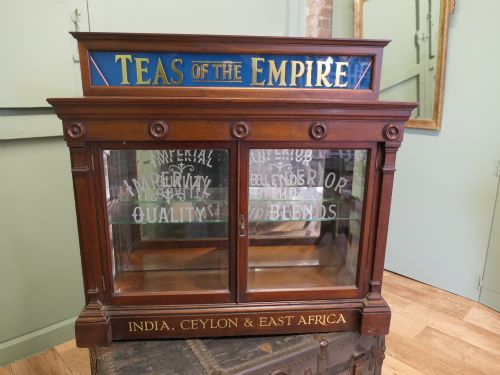
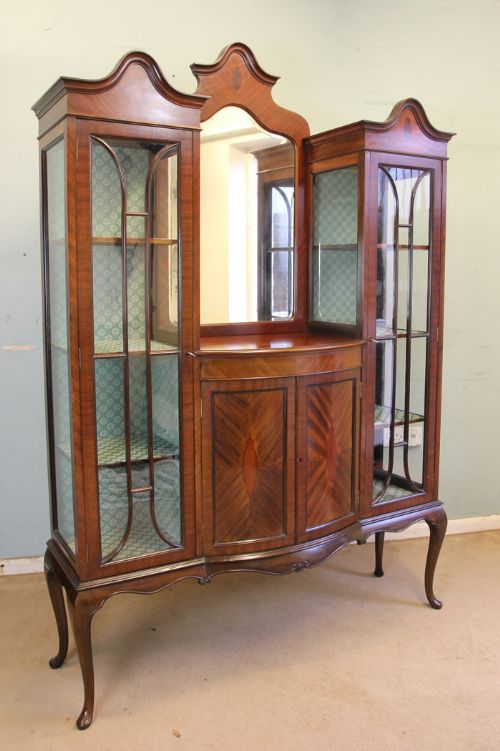
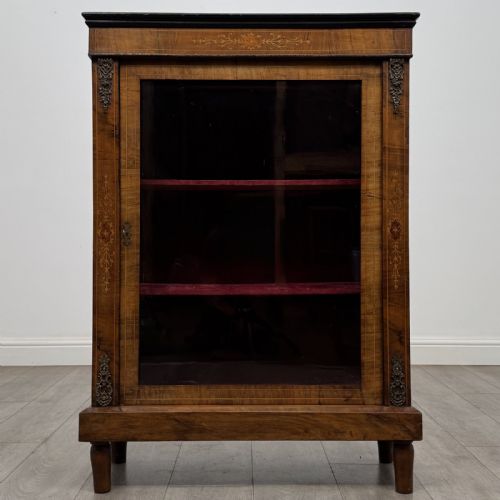
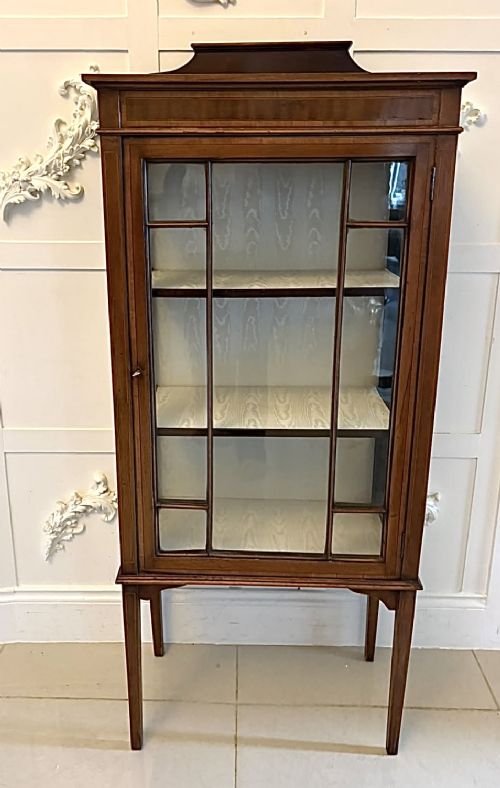
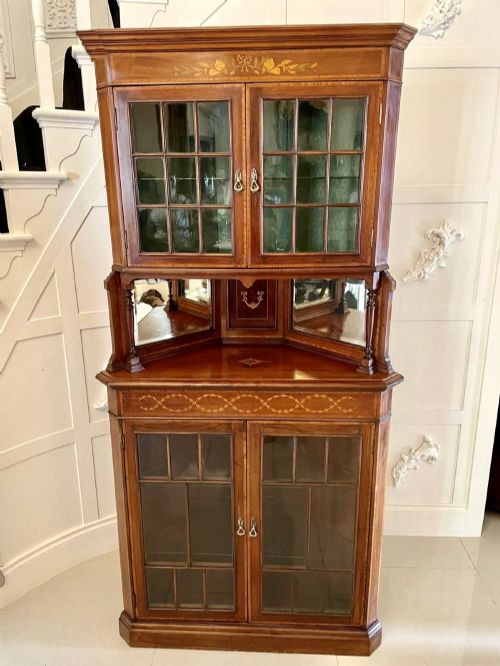
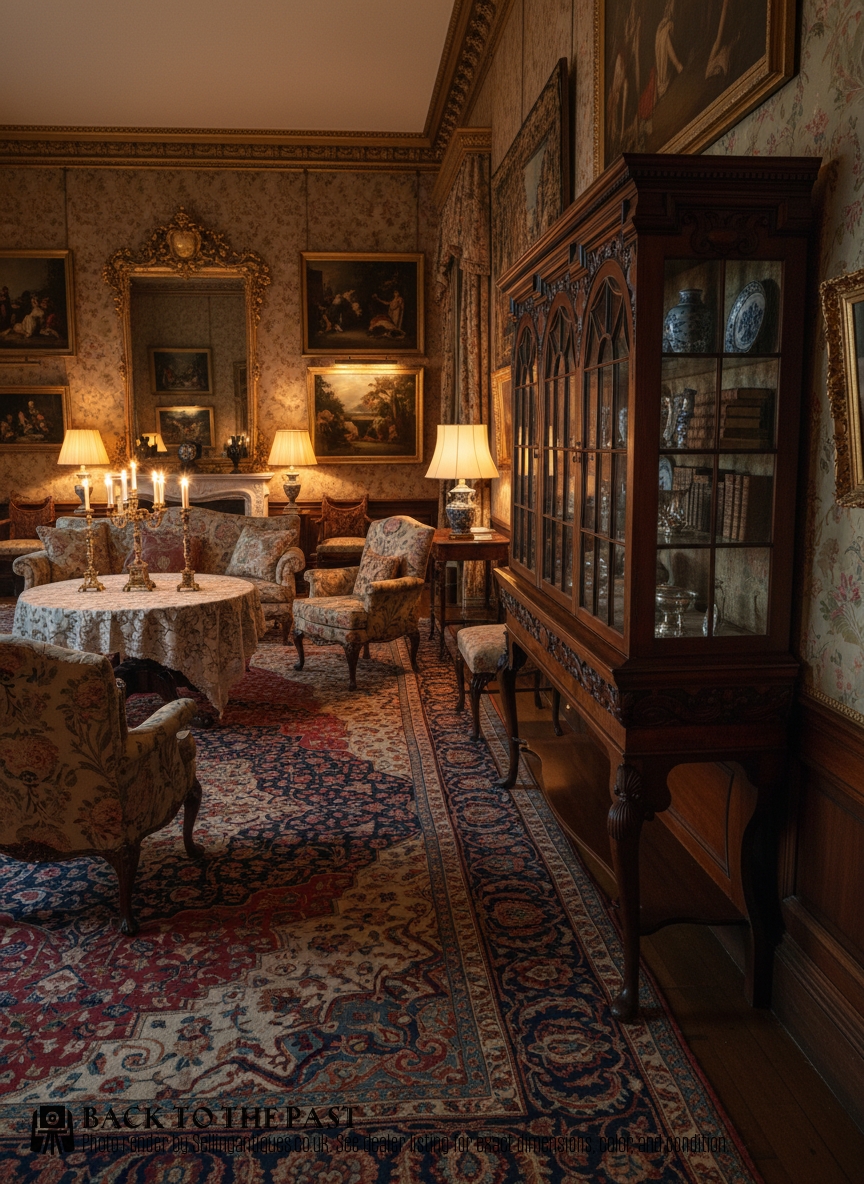
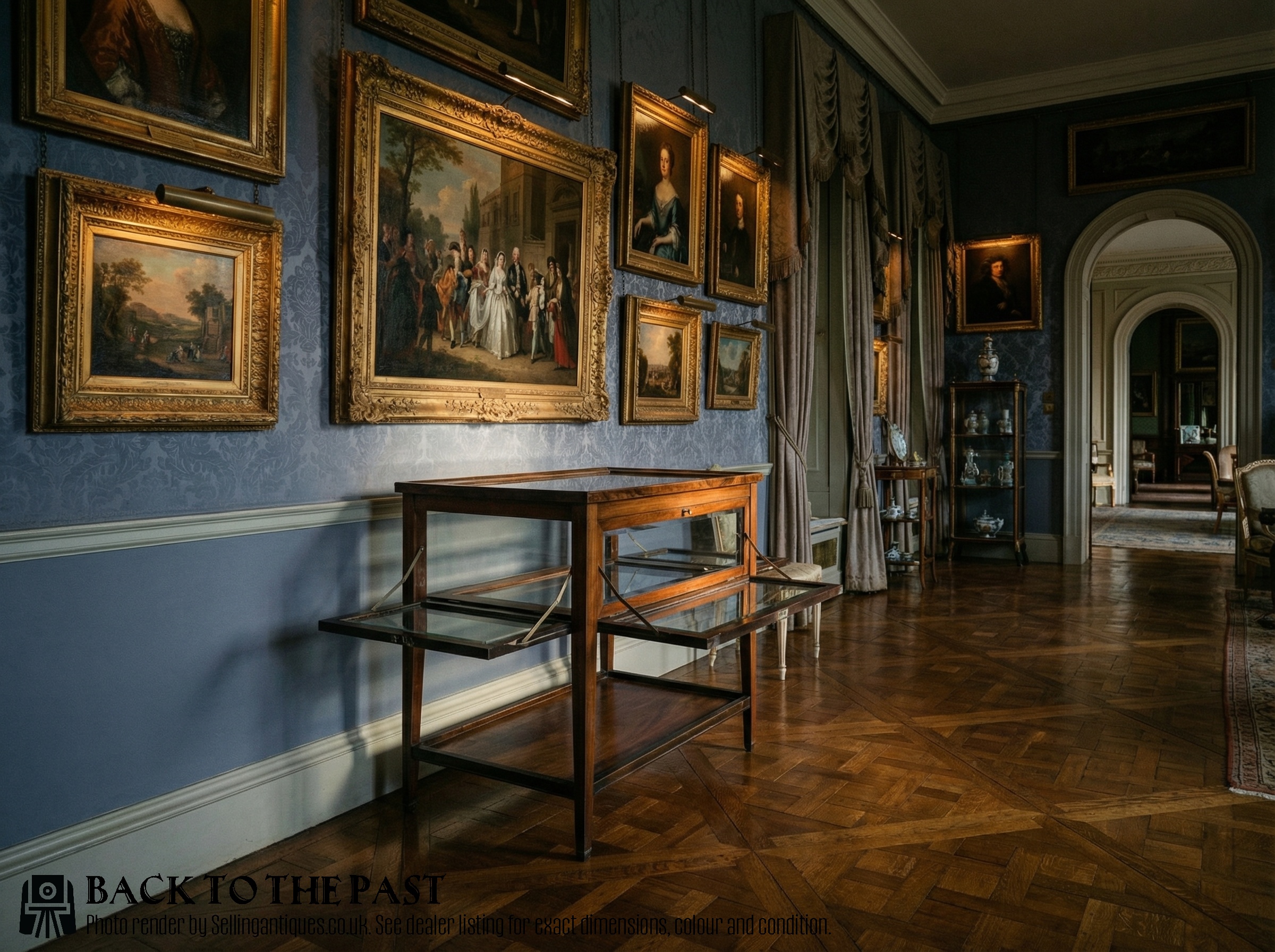
An edwardian glazed display case encompasses tall freestanding cabinets, floor-standing corner cupboards, and low side pieces built to protect treasured objects behind glass. The listings here draw heavily on the Edwardian period itself, alongside related Victorian and early twentieth-century examples that share the same refined proportions.
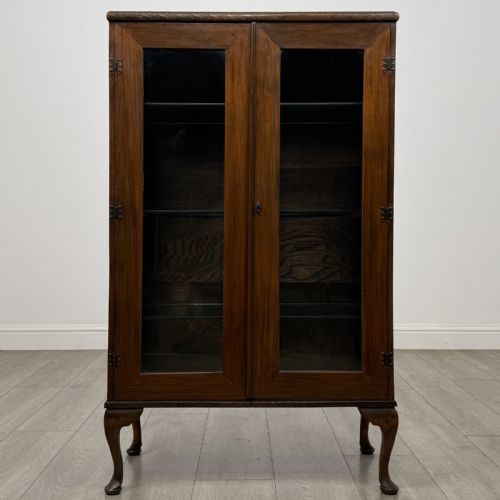
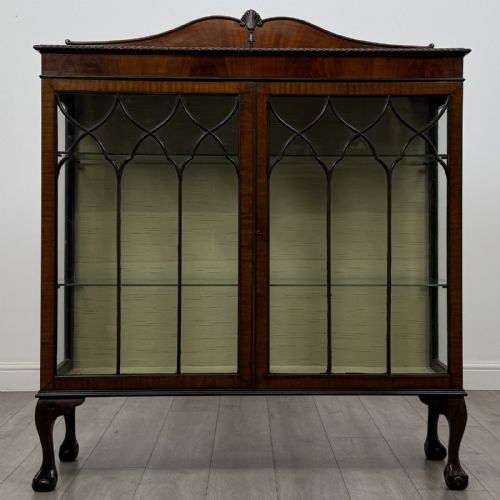
Most pieces you meet on this page are constructed from mahogany, often enhanced with satinwood inlay or glazed with delicate astragal bars, though walnut and oak variants appear frequently. Formats range from upright breakfront bookcases to glazed china cabinets and glazed display tables designed for tabletop viewing.
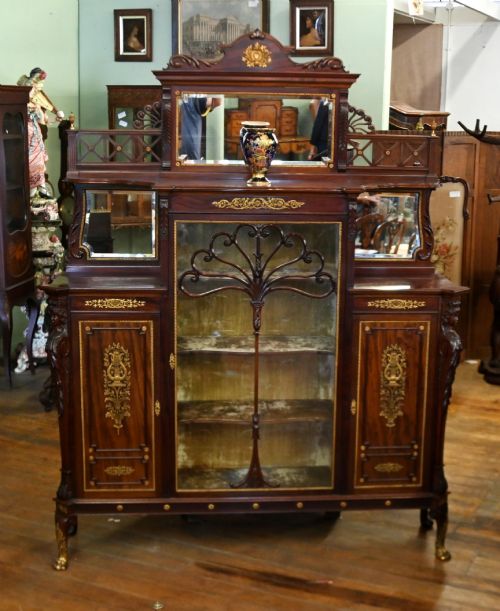
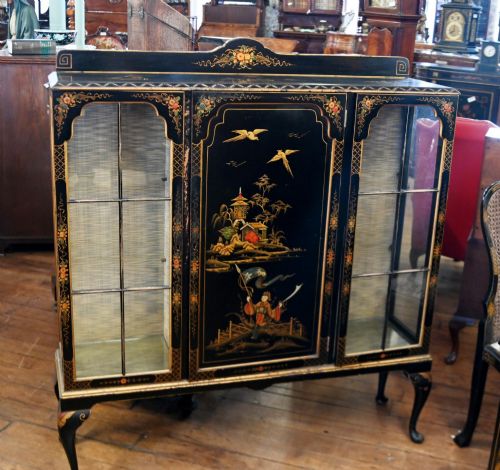
Makers of this era looked back to earlier eras, resulting in strong Sheraton Revival, Chippendale style, and occasional Art Nouveau or Chinoiserie influences applied to standard display furniture. These cabinets served the domestic need for orderly display in formal drawing rooms and libraries.
Materials and Construction
Cabinet makers relied primarily on solid and veneered timbers, using mahogany and walnut as foundational woods while applying finer satinwood for decorative stringing and inlaid motifs. Brass hardware, gilt metal mounts, and bronze details were utilised to accent locks, handles, and structural joints.
Glazing techniques defined the visual weight of each piece, utilising individual glass panes held by timber astragal bars or fitted into large single-door frames. Interior surfaces were often lined with fabric to create a soft backdrop for displayed ceramics and books.
Edwardian Glazed Display Case Retail Price Guide 2026
Typical asking prices for edwardian glazed display case among the pieces listed under this phrase on Sellingantiques today, from the lower quarter to the upper quarter. They describe what is for sale here now, not the wider market.
Listings feature woods spanning mahogany, walnut, oak, satinwood, and ebonised timber alongside glass and brass fittings.
Distinctions in Quality
Quality rests in the crispness of the timber inlay, the refinement of carved mahogany details, and the overall balance of proportion rather than simple age or size. Superior pieces feature tightly figured wood veneers, balanced grain matching across doors, and fine astragal glazing bars.
Internal joinery and secondary timbers reveal the maker's hand, where tight dovetailing in drawers and substantial adjustable shelving separate standard utility cabinets from fine parlour pieces. The integration of gilt metal mounts and painted serpentine fronts further distinguishes higher-tier examples.
The Edwardian Glazed Display Case Glossary
- Astragal
- Moulding used to hold panes of glass within a glazed door. These narrow timber strips form geometric patterns across the front of cabinets.
- Bijouterie table
- A glass-topped display table designed for small valuables and trinkets. They often feature hinged lids and fabric-lined interiors.
- Breakfront
- A cabinet design where the central section projects forward from the flanking wings. This layout adds architectural depth to large bookcases and display cases.
- Pier cabinet
- A narrow cabinet designed to stand against the wall space between windows. These pieces are frequently glazed and lined with fabric.
- Sheraton Revival
- A late nineteenth and early twentieth century style emulating the neoclassical furniture of Thomas Sheraton. It relies on satinwood inlay and tapered legs.
Edwardian Glazed Display Case: Frequently Asked Questions
What fits inside an edwardian glazed display case?
These cabinets suit porcelain collections, glassware, books, and small decorative objects that benefit from dust-free protection and visible storage.
Adjustable shelving found in many models allows the interior height to accommodate varying sizes of china or book bindings.
Where should I place a display cabinet?
Drawing rooms, dining rooms, and hallways provide traditional settings where natural light illuminates the glass panels without direct solar heat.
Freestanding and corner variants adapt well to different room layouts, making efficient use of wall space.
How do I identify a sheraton revival style?
Sheraton revival pieces feature light wood inlays, satinwood banding, and straight tapered legs supporting rectilinear mahogany frames.
Cabinet makers of the Edwardian era favoured this neoclassical revival for its light, elegant appearance.
Are the shelves adjustable on these cabinets?
Many surviving examples include adjustable wooden or glass shelving supported by traditional rack-and-pinion systems or metal shelf studs.
This adaptability accommodates taller volumes or stacked china sets depending on what you choose to exhibit.