
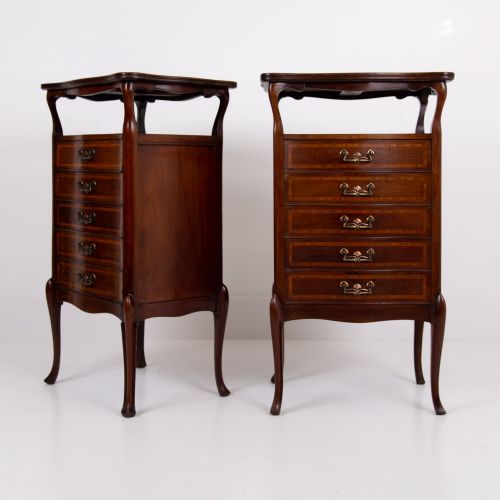
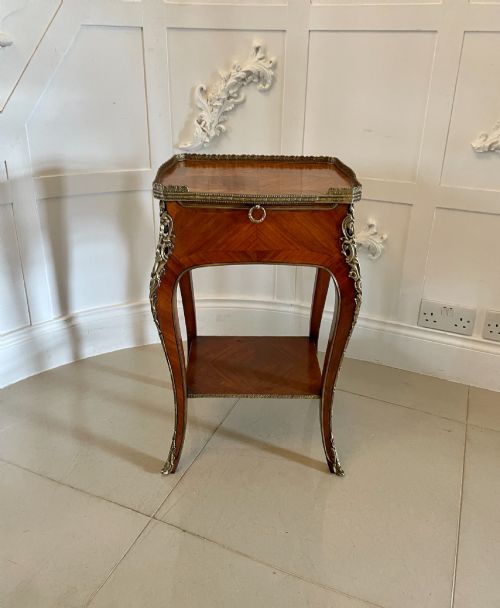
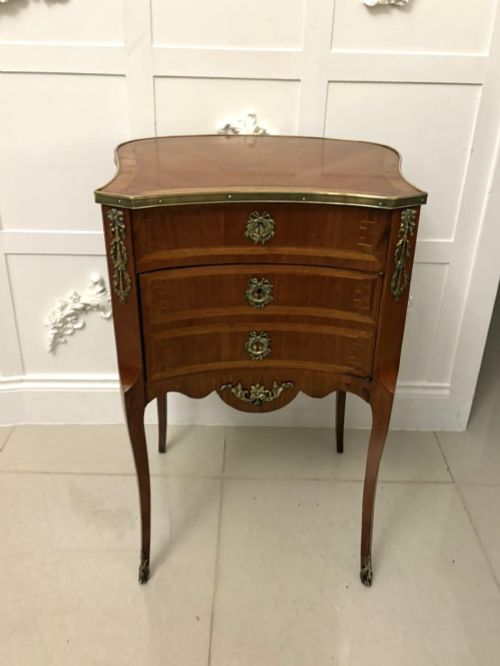
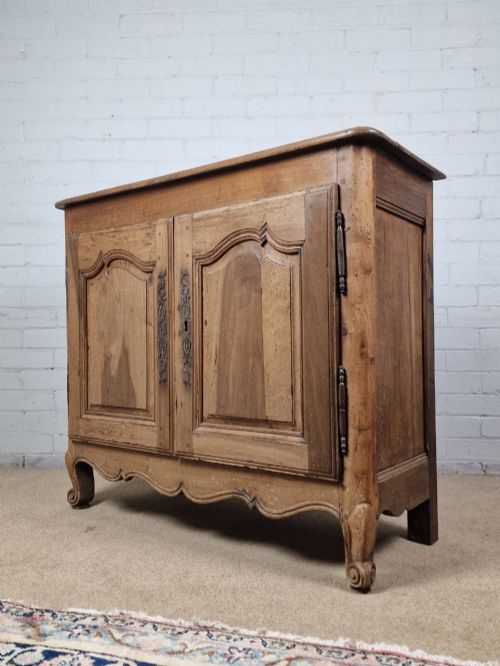
Cabriole Leg Cabinet
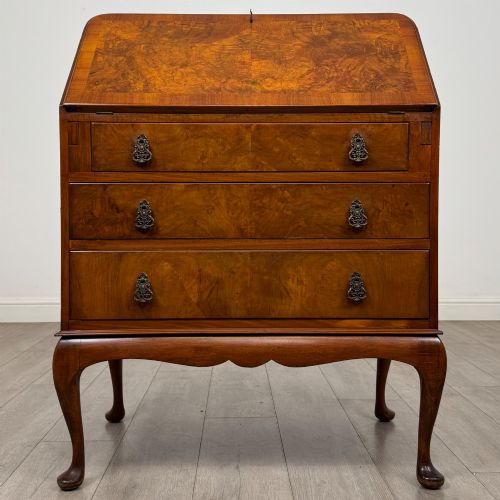
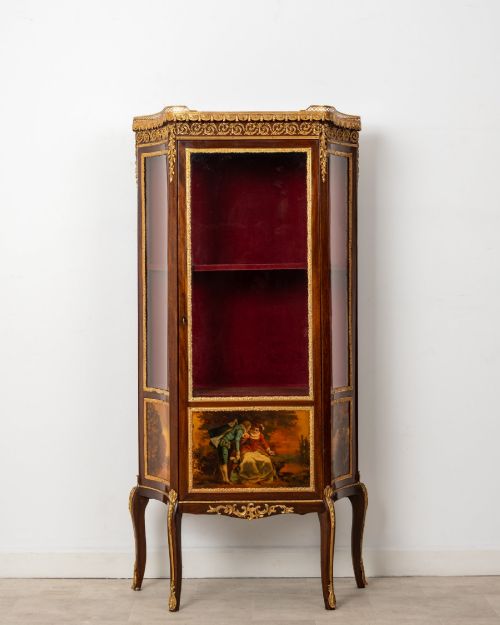
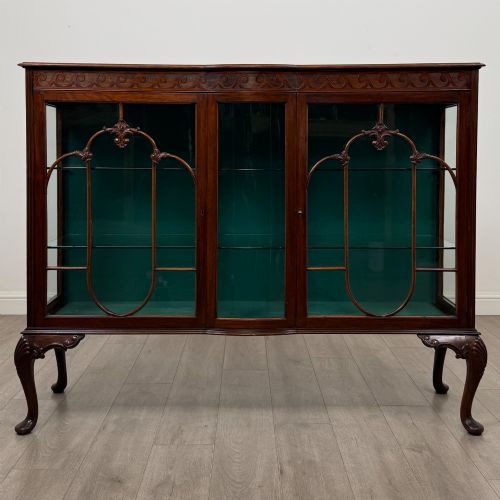
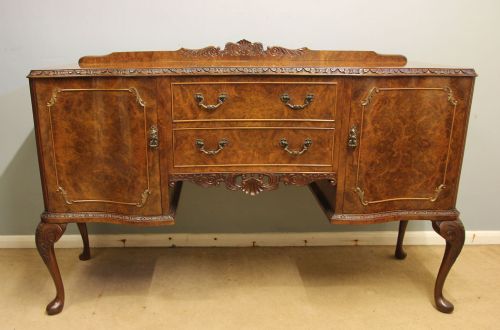
A cabriole leg cabinet brings characteristic curved supports to display pieces, sideboards, and bedside tables from the eighteenth to the twentieth centuries.
Cabriole Leg Cabinet
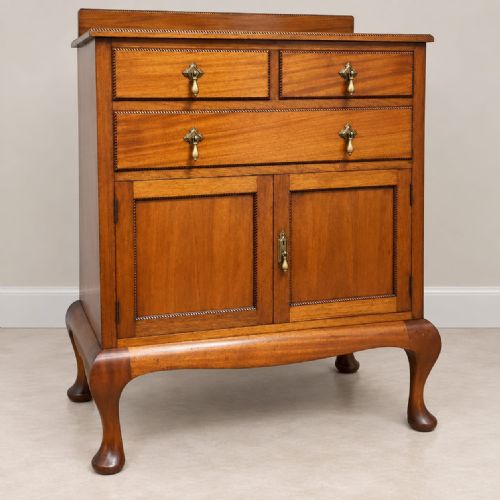
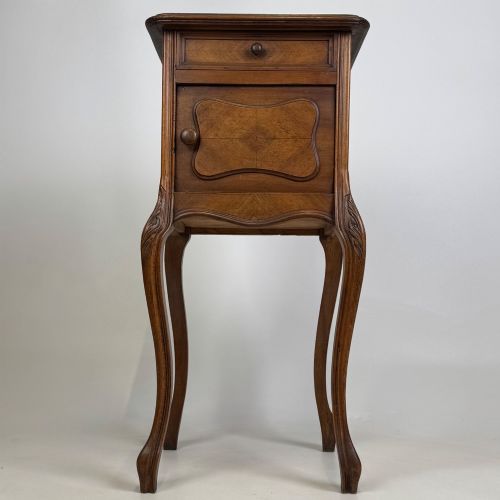
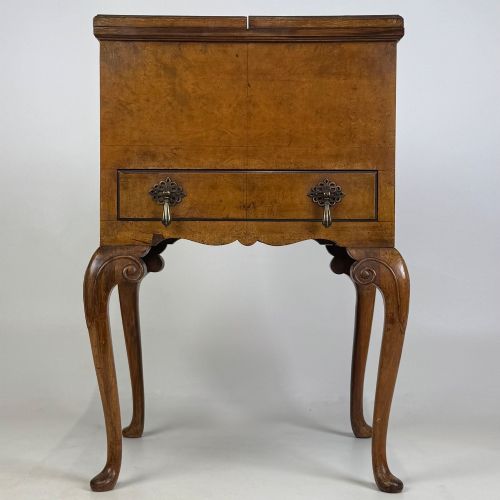
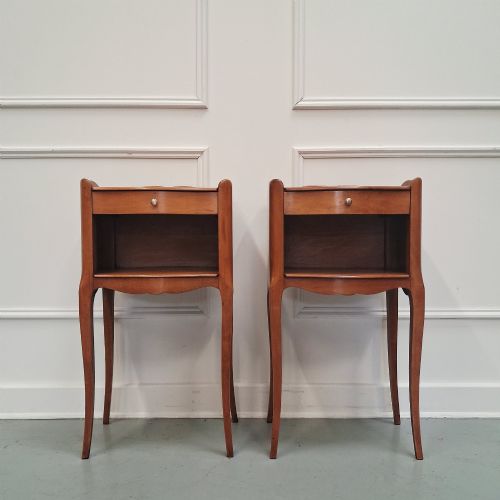
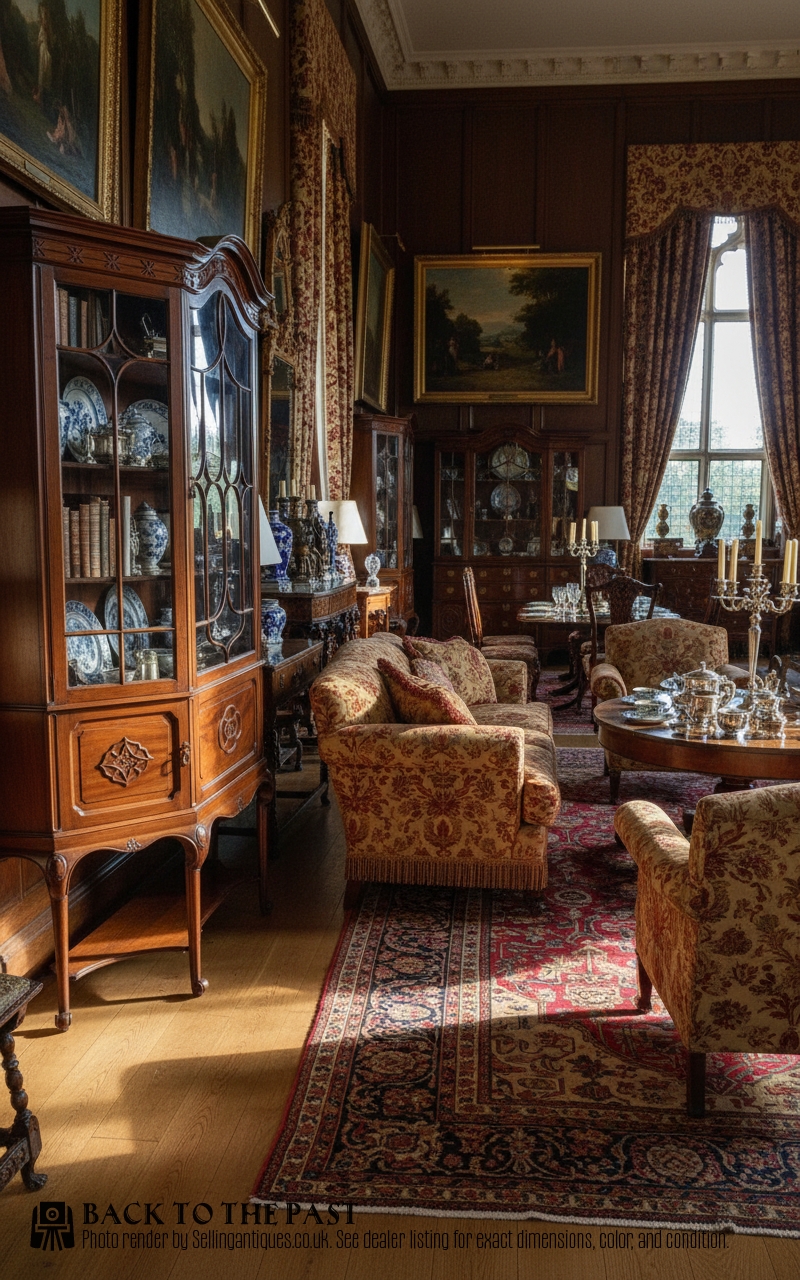
A cabriole leg cabinet unites storage furniture with the distinct double-curved uprights that sweep outward at the knee and inward at the ankle. Search phrases of this nature encompass an array of forms, from display cabinets and sideboards to bedside tables and bureau bookcases.
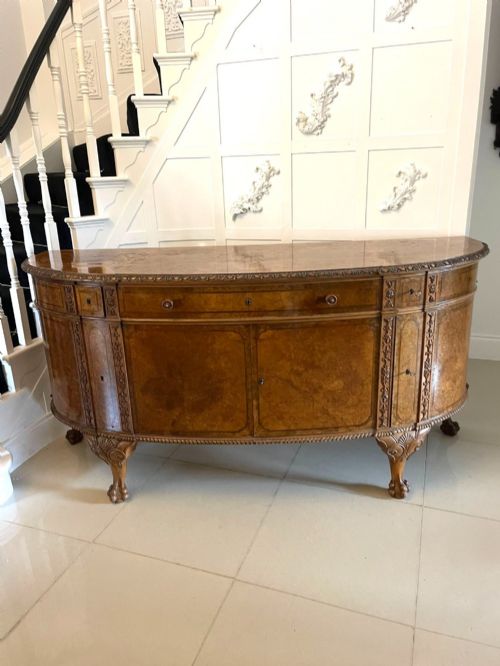
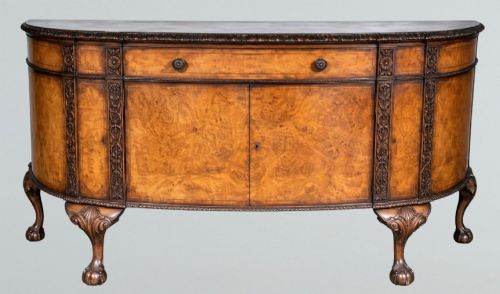
The pieces appearing on this page originate predominantly from the Edwardian era and the early twentieth century, alongside eighteenth-century prototypes and nineteenth-century revivals. Walnut, burr walnut, and mahogany dominate the structural woods, frequently paired with glass, brass, and marble.
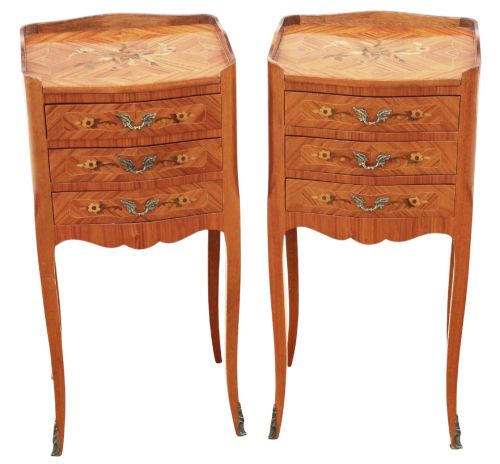
Revival styles, particularly Queen Anne and Louis XV, heavily influence the design vocabulary of these cabinets. Makers frequently employ marquetry inlay or polished veneers to accentuate the serpentine and bow fronts of the carcases.
Materials and construction
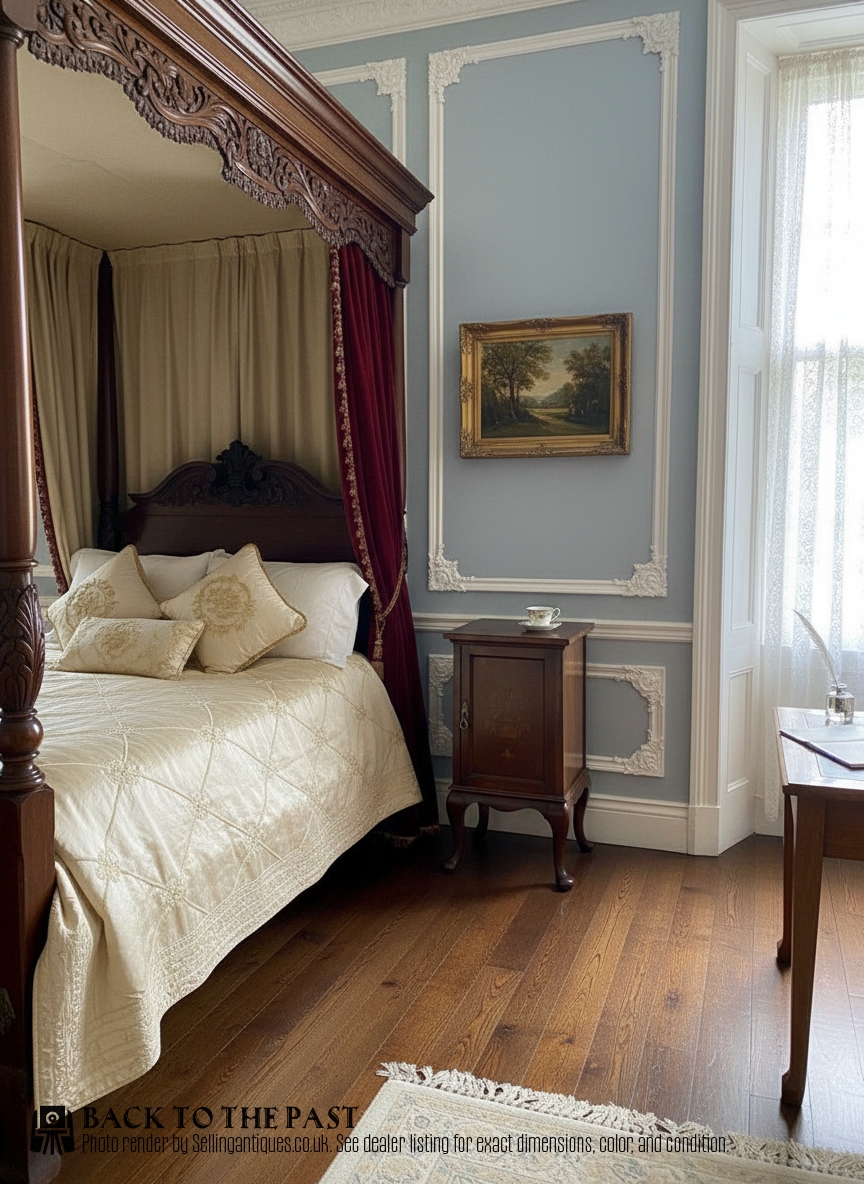
Cabinet makers utilise solid and veneered timbers, selecting walnut, burr walnut, and mahogany for their rich grain patterns. Marquetry work and figured veneers are applied to carcases constructed with traditional joinery.
Ormolu mounts, gilt bronze, and brass hardware decorate the exteriors of French and English pieces alike. Marble tops appear on specific side cabinets and bedside chests, providing durable working surfaces above polished wood.
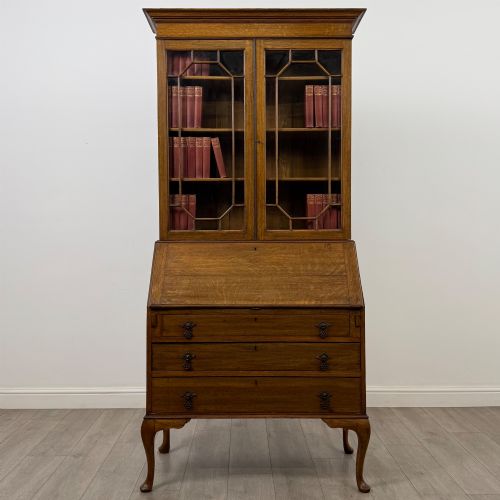
The characteristic legs are carved directly from the timber or shaped to integrate seamlessly with the apron of the cabinet. Glazed doors utilise individual wooden glazing bars to house glass panels in display pieces and bookcases.
Cabriole Leg Cabinet Retail Price Guide 2026
Typical asking prices for cabriole leg cabinet among the pieces listed under this phrase on Sellingantiques today, from the lower quarter to the upper quarter. They describe what is for sale here now, not the wider market.
Some sideboards arrive with a hidden twelve-piece cutlery set tucked inside.
Determining quality
The refinement of the carving on the knees and feet distinguishes standard production from superior examples. Crisp execution in the curves of the legs indicates skilled craftsmanship.
The choice and matching of wood veneers dictate visual success, particularly on burr walnut and marquetry surfaces. Symmetrical grain alignment across drawer fronts and doors requires deliberate selection by the maker.
Original hardware, including ormolu mounts and brass handles, elevates a piece. The integration of original marble tops and fitted interiors adds substance to sideboards and cocktail cabinets.
Maple and Co
The Cabriole Leg Cabinet Glossary
- Cabriole leg
- A furniture support inspired by animal limbs, featuring an outward convex curve at the knee and an inward concave curve at the ankle, terminating in a pad, claw, or scroll foot.
- Marquetry
- Decorative veneer patterns formed by fitting together small pieces of different woods, veneers, or other materials like ivory to create pictorial or geometric designs on the surface.
- Ormolu
- Gilded bronze furniture mounts and decorative ornaments popular in French furniture design, cast and chased before receiving a gold metal wash.
- Tallboy
- A tall chest of drawers standing on a lower frame or base, offering vertical storage capacity within a compact floor footprint.
- Bureau bookcase
- A writing desk combined with an upper shelving or display section enclosed by doors, providing dual functionality for study and storage.
Cabriole Leg Cabinet: Frequently Asked Questions
What periods do these cabinets come from?
The pieces span from the eighteenth century through the Victorian and Edwardian periods up to the 1930s. Many items represent revival styles that draw inspiration from earlier Queen Anne and Louis XV aesthetics.
Twentieth-century interpretations incorporate traditional forms into domestic spaces of the interwar years, while older examples preserve the original eighteenth-century walnut traditions.
How do I identify a Queen Anne style cabinet?
Queen Anne style pieces rely on subdued elegance, curvilinear outlines, and figured walnut veneers rather than heavy carving. The characteristic cabriole leg flows directly from the seat rail or carcase base.
Drawer fronts often feature feather-banding or cross-banding to frame the Burr walnut grain without excessive ornamentation.
Where were these cabinets placed in a home?
Display cabinets and bureau bookcases traditionally occupied reception rooms and studies to showcase collections and store writing materials. Smaller variations functioned as bedside tables or lamp tables in bedrooms.
Sideboards and serving cabinets served dining rooms, providing storage for cutlery sets and serving vessels behind panelled or glazed doors.
Are the marble tops original?
French side cabinets and bedside tables frequently feature fitted marble tops designed to protect the wood surface from moisture and wear. These slabs match the specific dimensions and edge profiles of the carcase.
Examining the underside reveals whether the marble sits within a dedicated rebate consistent with the period of manufacture.