
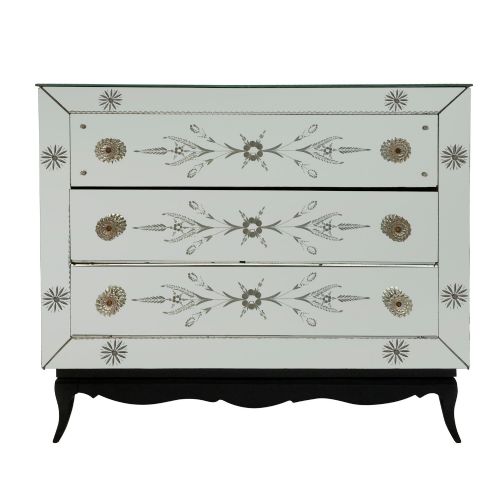

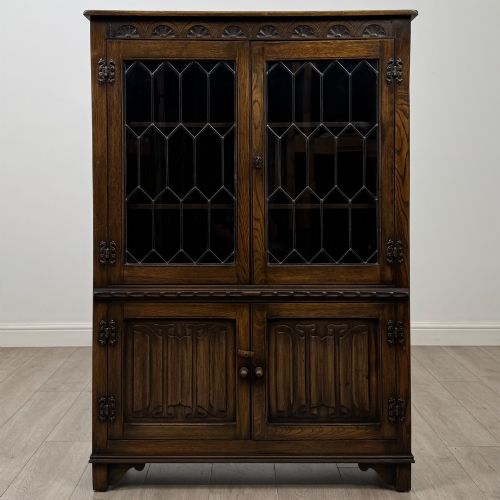
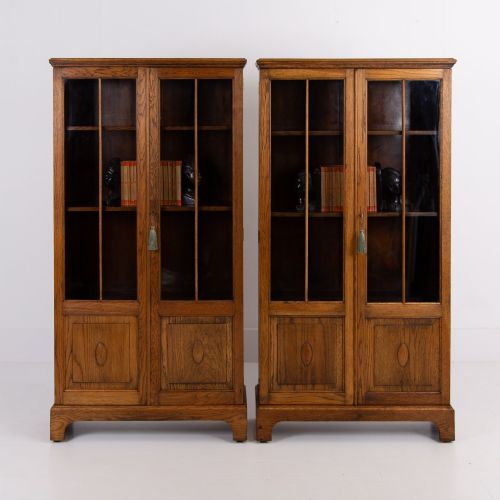
Vintage Glass Cabinet
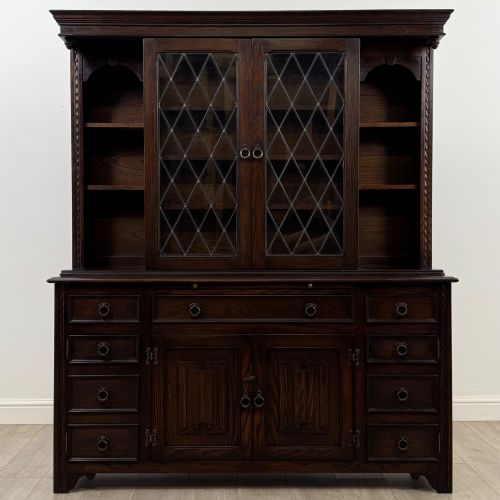
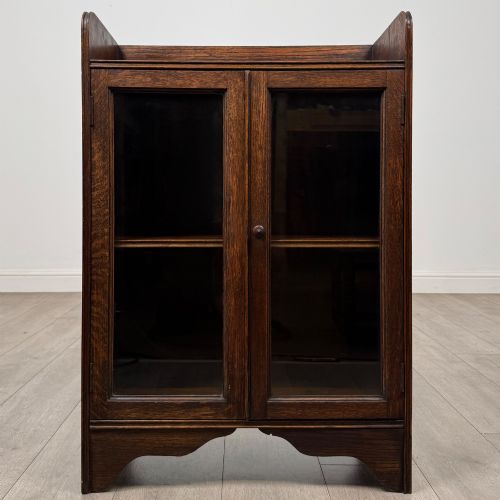
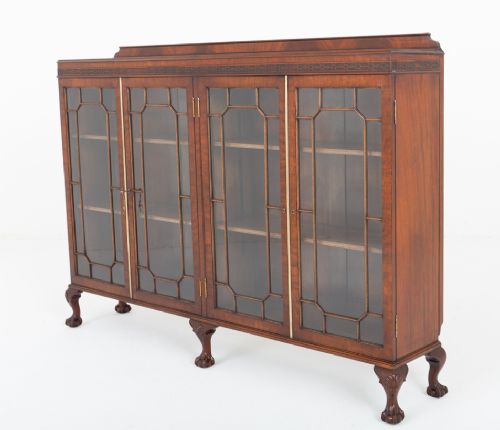
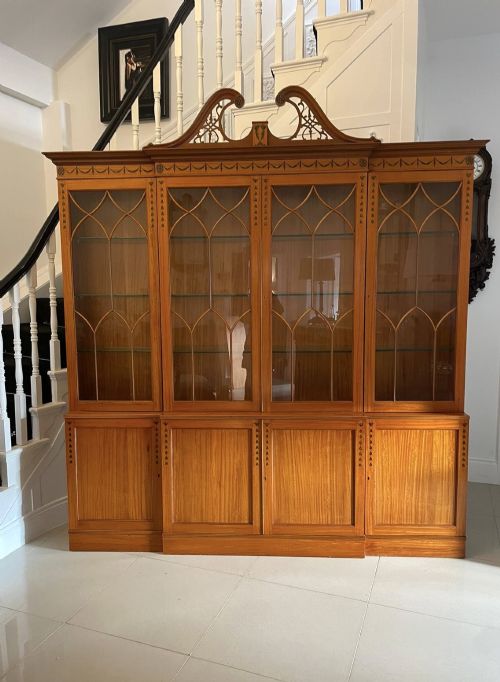
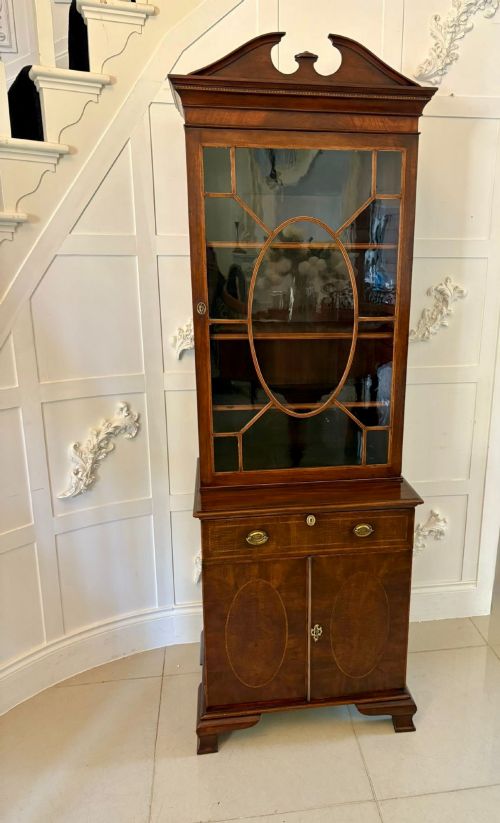
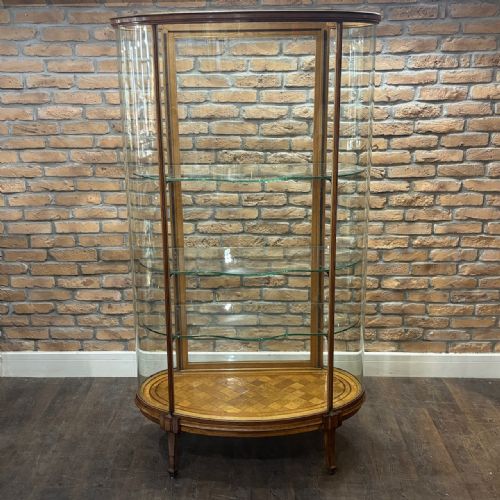
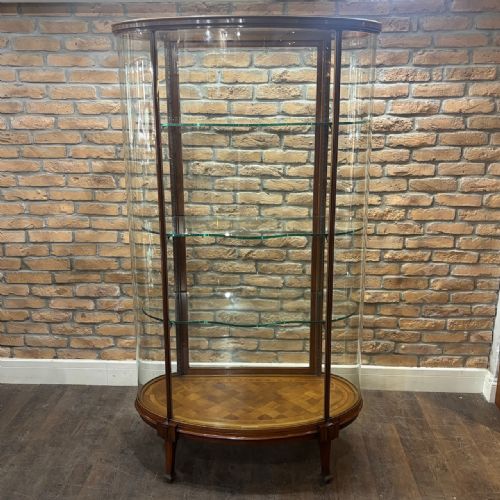
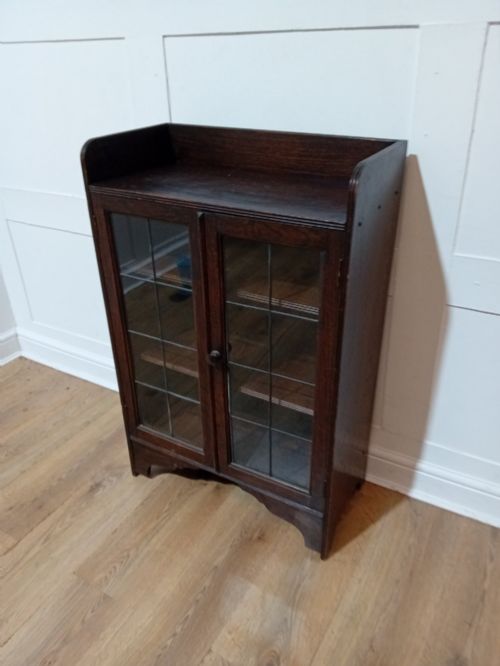
These vintage glass cabinet selections bring together timber frames and glazed panels to hold and display domestic treasures.

Vintage Glass Cabinet
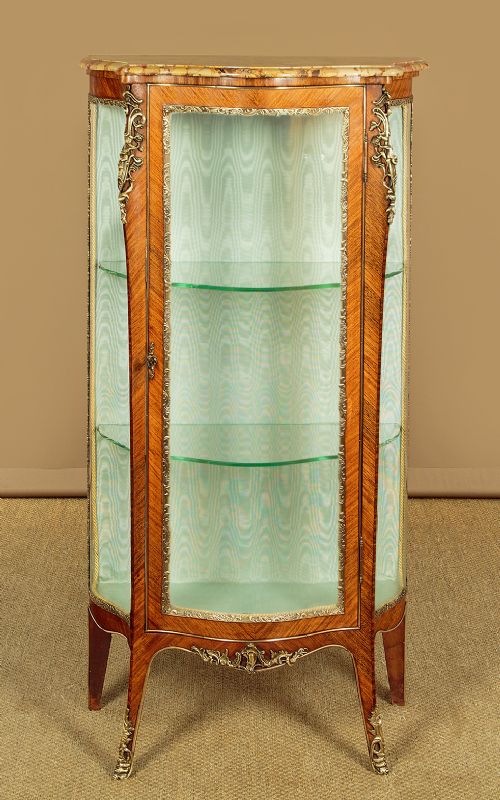
A vintage glass cabinet serves primarily to protect and exhibit collections, tableware and books within domestic rooms. When searching for a vintage glass cabinet, buyers encounter forms ranging from slim Edwardian display pieces to sturdy oak bookcases and low countertop shop fittings.
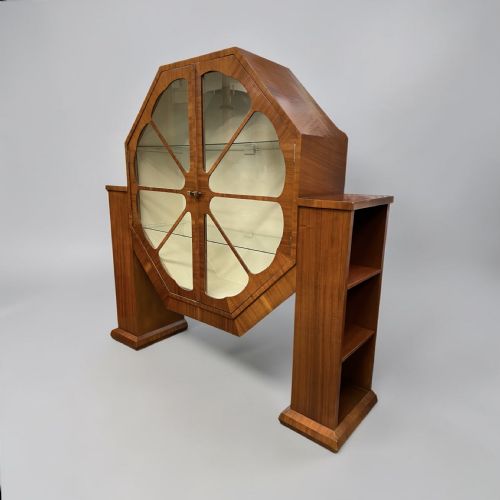
The material palette draws heavily on oak, mahogany and walnut, paired with transparent glass panels for visibility. Pieces span several decades from the Victorian and Edwardian eras through to the geometric lines of the Art Deco period.
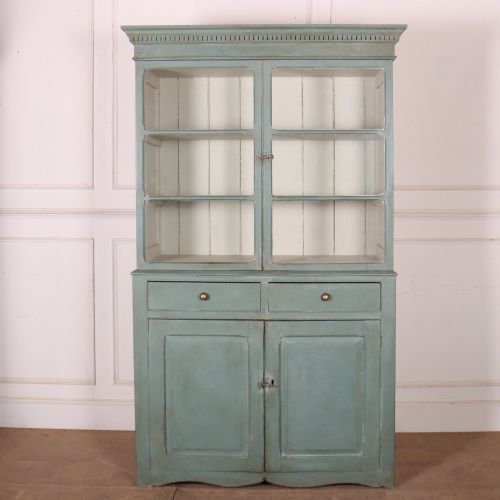
Common variations include tall breakfront bookcases, freestanding vitrines, and tabletop display cases designed for smaller items. Construction methods vary from traditional handcrafted joinery to modular barrister shelving systems.
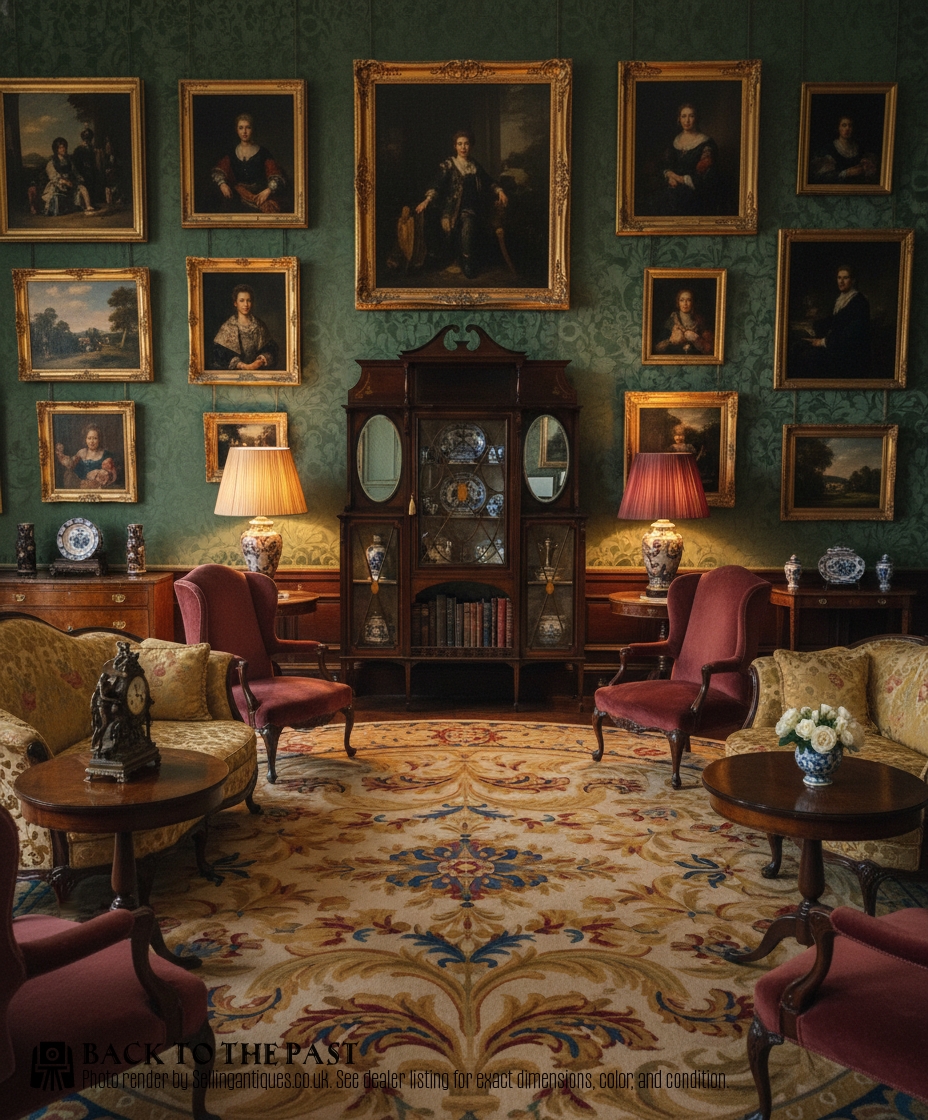
Materials and construction methods
Timber frames provide the structural skeleton, utilising dense hardwoods such as mahogany, oak, walnut and satinwood. Cabinetmakers joined these timbers using traditional techniques like dovetailing and mortise and tenon joints to ensure lasting stability.
Glazing forms the visual core of each piece, held in place by wooden glazing bars or lead came. Brass fittings such as hinges, handles and locks complete the construction, often matching the specific stylistic period of the cabinet.
Vintage Glass Cabinet Retail Price Guide 2026
Typical asking prices for vintage glass cabinet among the pieces listed under this phrase on Sellingantiques today, from the lower quarter to the upper quarter. They describe what is for sale here now, not the wider market.
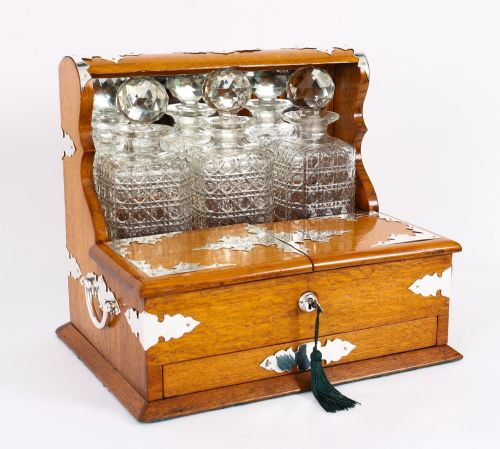
Some items double as dry bars, complete with games compendiums hidden inside the timber framework.
Assessing build quality and material selection
Quality rests on the selection of primary timbers and the precision of the joinery rather than surface decoration alone. Finer examples display carefully matched wood grain, solid brass hardware, and original glass panes without distortion.
The integrity of the frame dictates longevity, separating sturdy hardwood pieces from lighter constructions. Well-preserved internal shelving, working locks, and intact glazing bars elevate a piece within its category.
F. Sage & Co·Globe Wernicke·François Linke
The Vintage Glass Cabinet Glossary
- Vitrine
- A glass-sided display cabinet designed primarily for the exhibition of porcelain and small objects. These pieces often feature glazed doors on multiple sides to maximise light penetration.
- Astral glazed
- A method of dividing glass panes using slender wooden bars arranged in geometric or curving patterns. This technique is frequently seen on formal bookcases and display cabinets.
- Bijouterie table
- A shallow glass-topped table constructed to display jewellery and small valuables beneath the surface. They typically stand on slender legs and feature hinged glazed lids.
- Breakfront
- A large cabinet design where the central section projects forward from the flanking wings. This architectural arrangement creates depth and visual interest in larger rooms.
- Lead came
- Flexible lead strips used to hold individual pieces of glass together within leaded windows and cabinet doors. It provides both structural support and decorative linear patterns.
Vintage Glass Cabinet: Frequently Asked Questions
What fits inside a vintage glass cabinet?
These cabinets house fine china, glassware, books and small decorative objects safely behind protective barriers. The internal shelving accommodates varying heights depending on whether the piece functions as a bookcase or a display vitrine.
Larger breakfronts and side cabinets hold substantial collections of tableware, while tabletop cases suit delicate ornaments. The glazing keeps dust away from sensitive contents while maintaining full visibility.
How do I date a glass cabinet?
Dating relies on observing the timber types, hardware, and stylistic markers such as Edwardian inlay or Art Deco geometry. Construction methods also provide clues, shifting from hand-dovetailed solid woods to modular mechanisms in later decades.
Secondary woods and backboards often reveal manufacturing methods characteristic of specific periods like the Victorian era. Comparing the glazing bar style to known architectural periods helps narrow down the decade of production.
Are these cabinets heavy?
Solid hardwood construction makes most vintage glass cabinets substantial pieces of furniture that require careful placement. Oak, mahogany and walnut add considerable weight to the frames, especially when combined with multiple glass panels.
Moving these items generally requires two people to prevent twisting the wooden joints or stressing the glass. Wall anchoring is often advisable for taller narrow bookcases and display cabinets.
How do I clean the glass?
Maintenance involves gentle cleaning solutions applied to soft cloths rather than directly onto the wooden frames. Protecting the surrounding timber prevents moisture damage to vulnerable polished surfaces.
Original glass panes may feature bubbles or slight imperfections that require careful handling during routine maintenance. Regular dusting preserves the brass hardware and prevents grime buildup in the corners of glazing bars.