
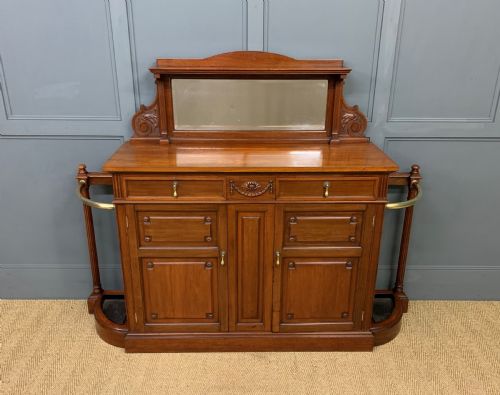
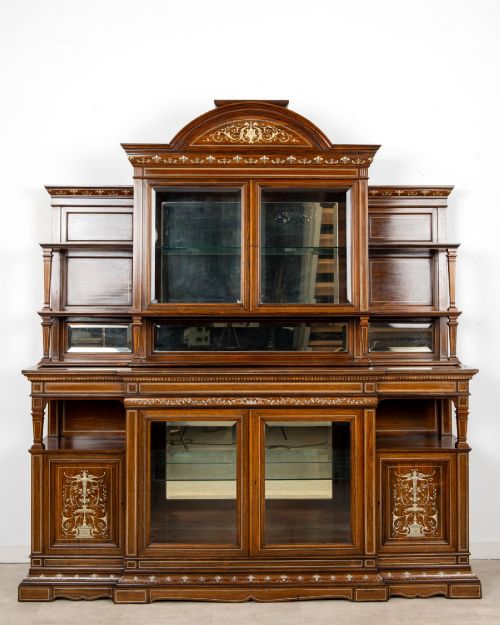
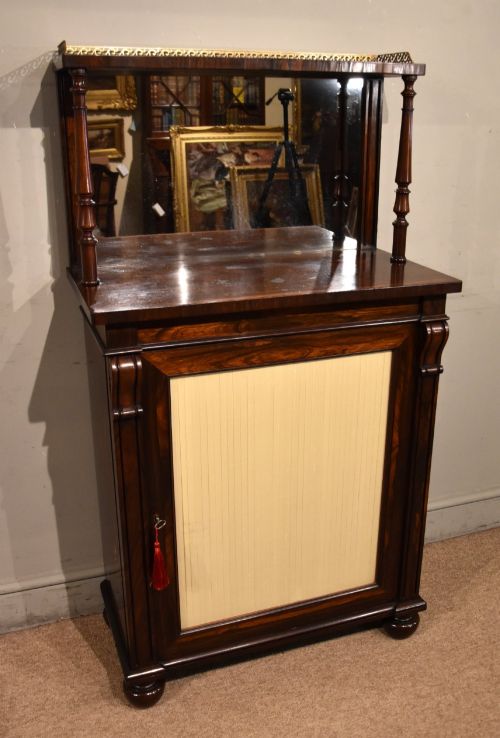
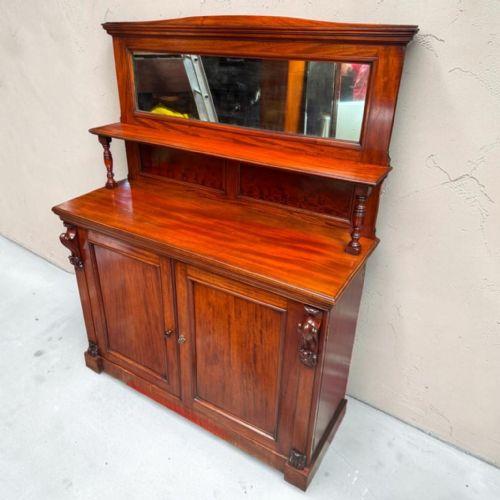
Antique Mirror Back Cabinet
An antique mirror back cabinet brings depth and reflected light into a room, combining practical storage with the decorative glass plates of the nineteenth and early twentieth centuries.
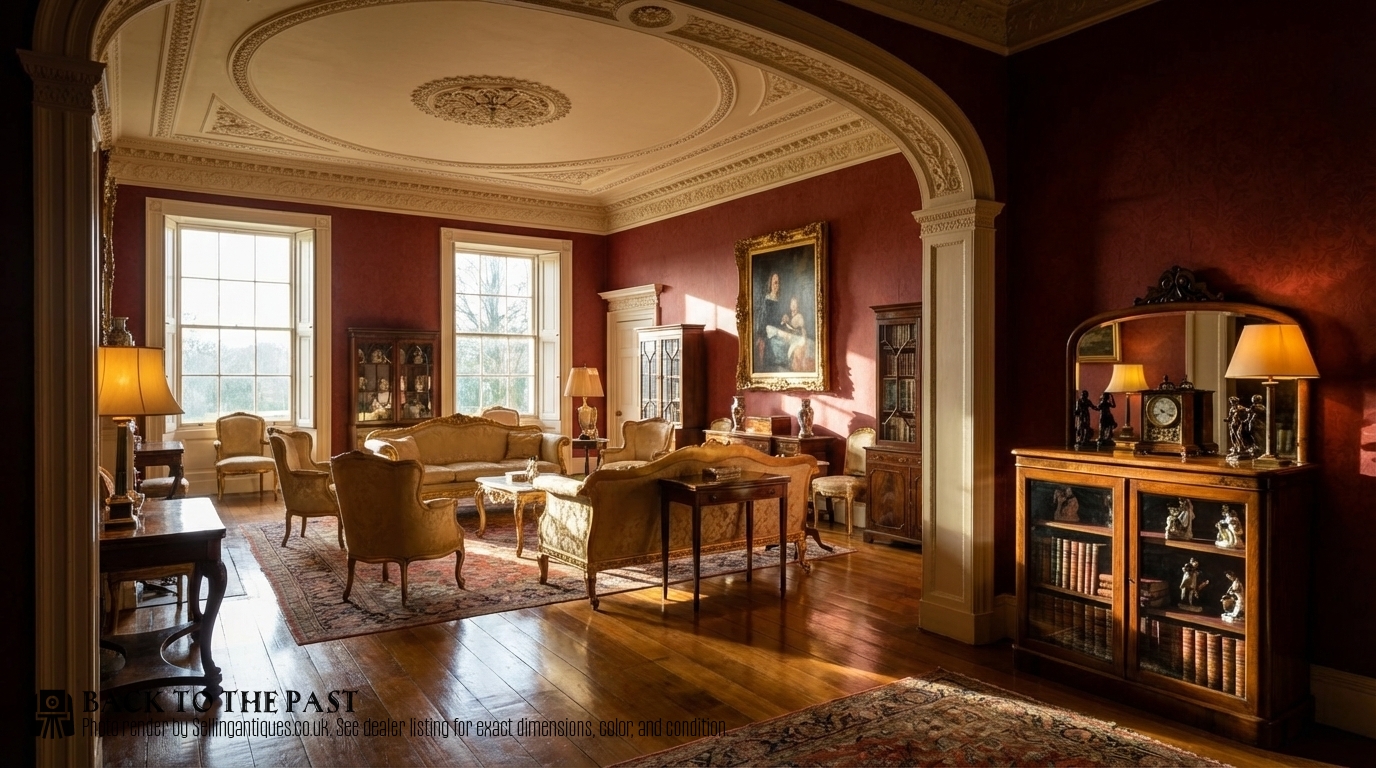
Antique Mirror Back Cabinet
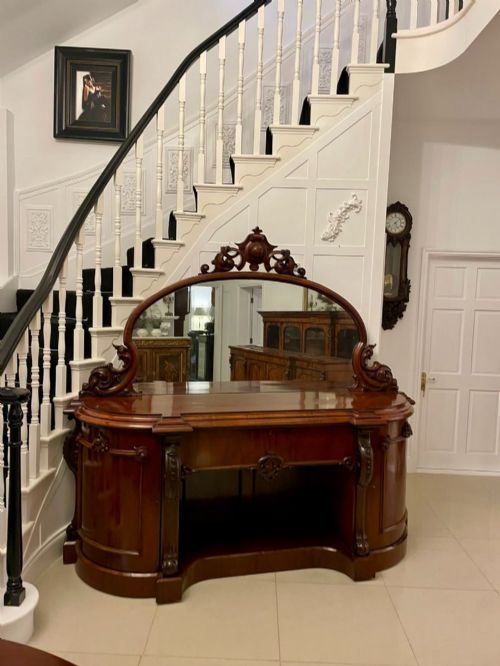
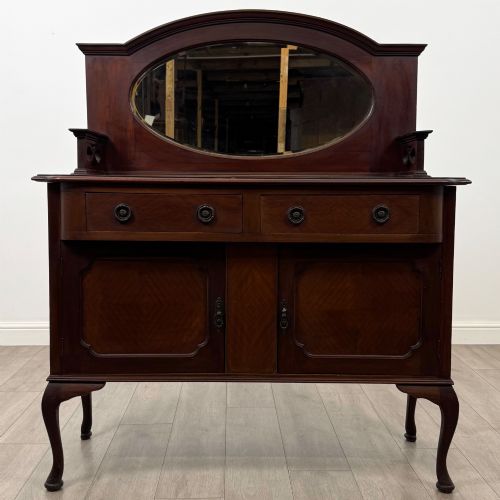
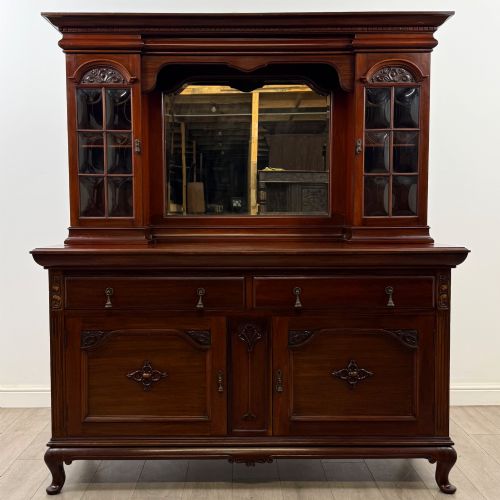
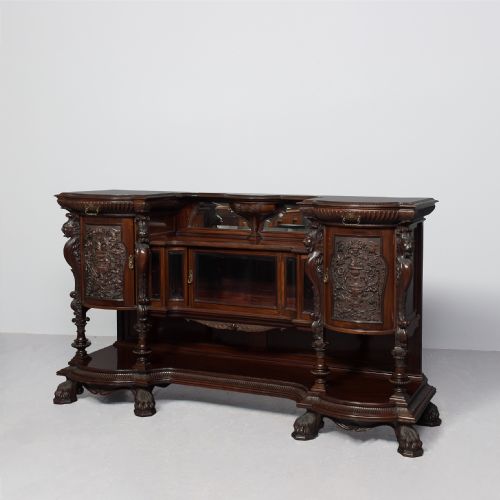
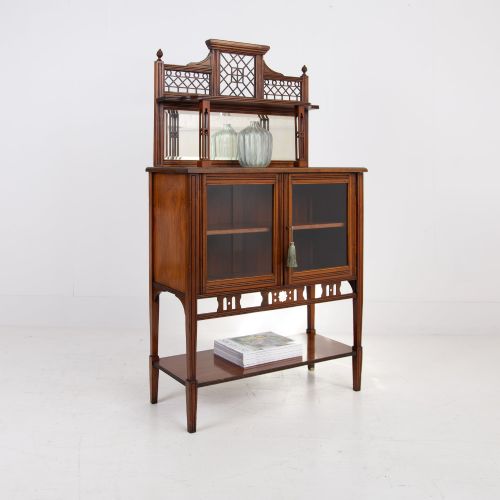
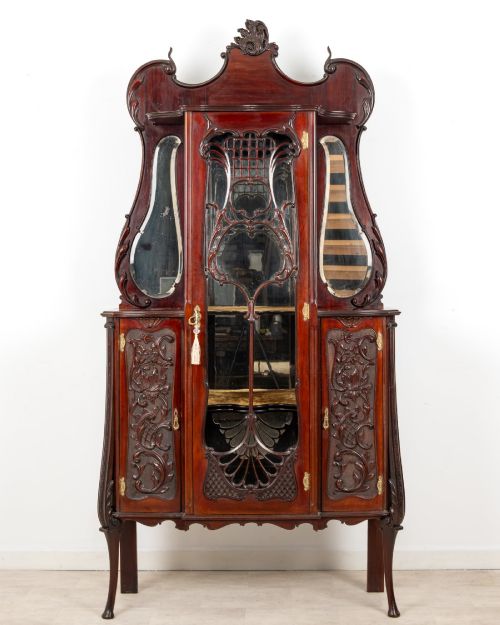
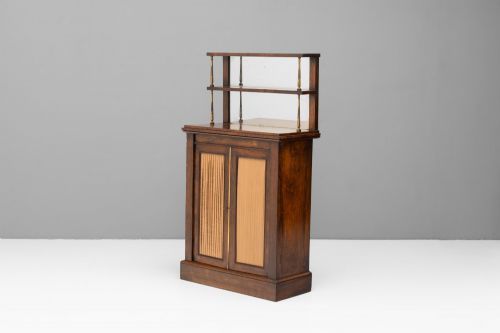
An antique mirror back cabinet primarily takes the form of a sideboard, credenza, chiffonier, or display piece designed to showcase silver, glass, and porcelain. These items emerge predominantly from Victorian, Edwardian, and late nineteenth-century workshops, ranging from modest oak constructions to substantial burr walnut and mahogany forms.
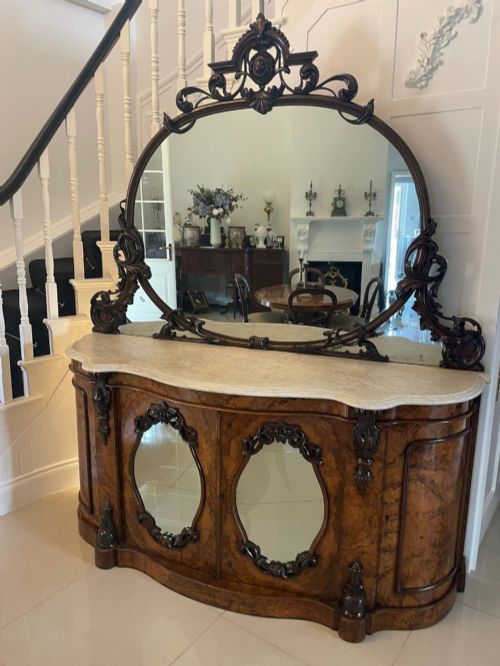
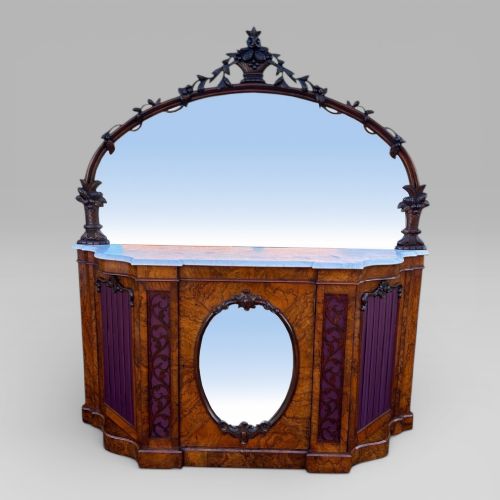
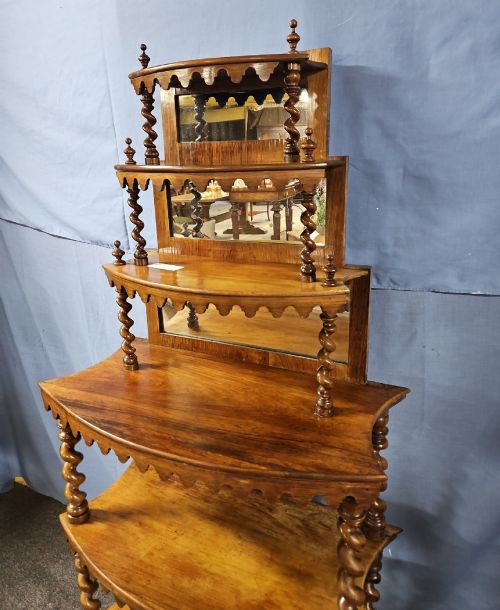
The defining characteristic is the inclusion of an integrated mirror plate rising above the main surface, frequently surmounted by carved crestings, wooden shelves, or tiled galleries. Pieces vary from upright display cabinets with glazed doors to low sideboards intended for dining rooms and grand hallways.
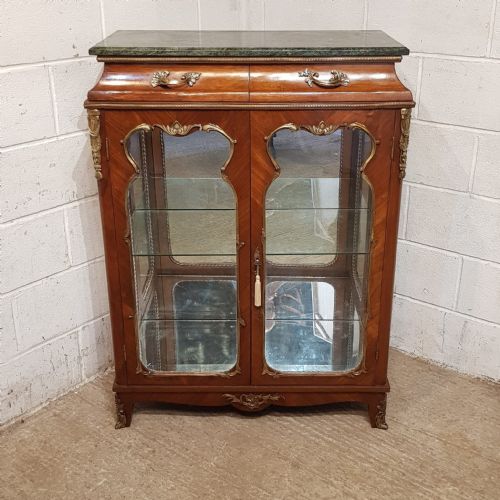
Victorian and Edwardian iterations dominate the selection, showing stylistic influences that span from heavy revivalism to the lighter geometries of the Arts and Crafts and Art Nouveau movements. Buyers encounter everything from compact rosewood music cabinets to massive architectural chiffoniers fitted with white marble tops.
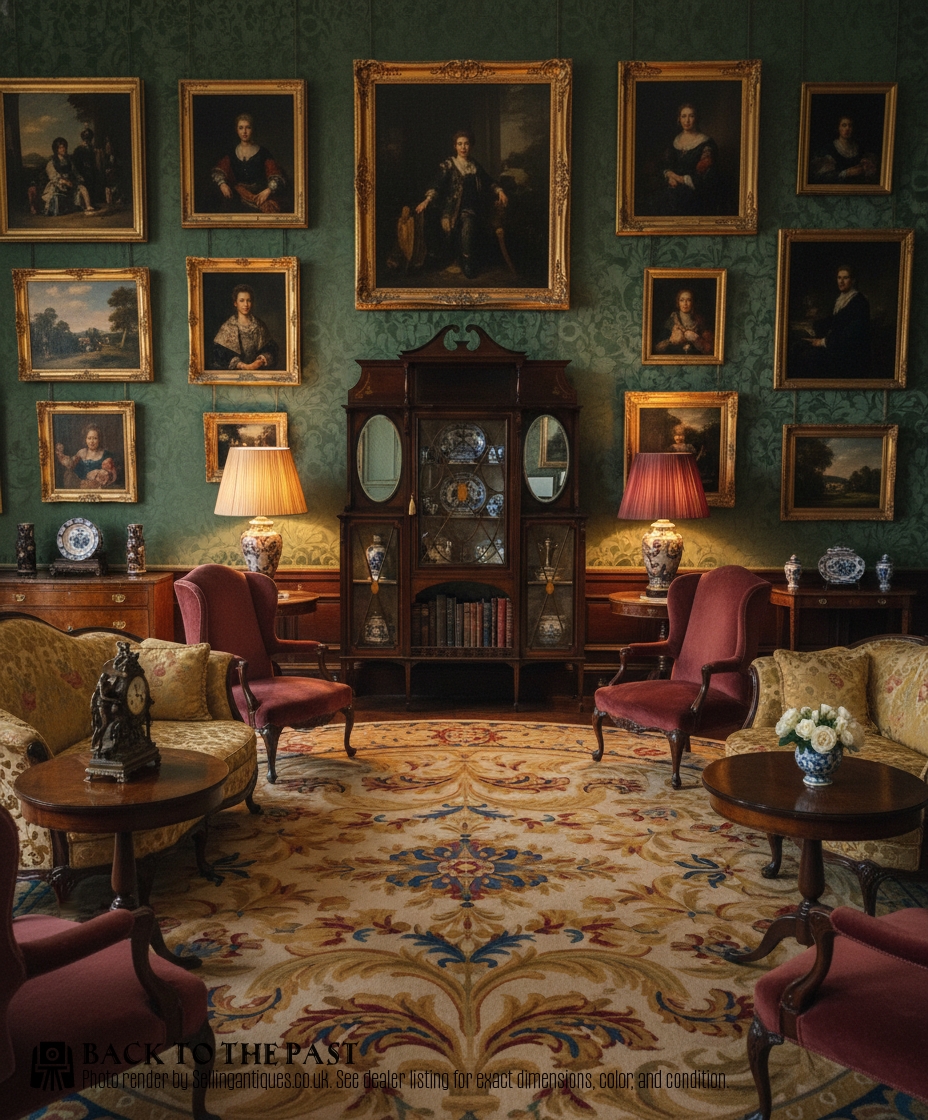
Materials and construction methods
Cabinetmakers relied heavily on dense hardwoods such as mahogany, walnut, rosewood, and oak as the foundational carcasses for these pieces, often applying fine veneers like burr walnut or satinwood to visible drawer fronts and panels. Ormolu mounts, gilt metal, brass handles, and marquetry inlay provide ornamental detail across various stylistic periods.
Mirror glass plates were traditionally silvered using mercury or chemical solutions, fitted into rebated wooden frames behind retaining mouldings that allowed for slight movement. Joints were hand-cut using dovetails for drawer construction and mortise and tenon joinery for the main frames, supporting heavy marble slabs where specified by the design.
Antique Mirror Back Cabinet Retail Price Guide 2026
Typical asking prices for mirror back cabinet among the pieces listed under this phrase on Sellingantiques today, from the lower quarter to the upper quarter. They describe what is for sale here now, not the wider market.
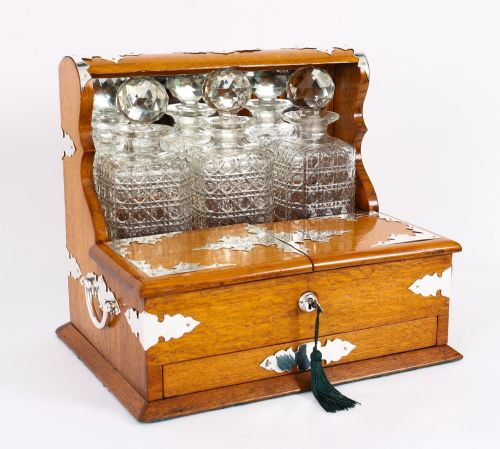
Some nineteenth-century hosts secured their spirits away from thirsty guests using a locking wooden tantalus mounted directly inside the sideboard cabinet.
Assessing quality in construction and design
Quality rests upon the selection of timber veneers, the crispness of hand-carved decorative motifs, and the structural integrity of the mirror frame relative to the base cabinet. Superior examples employ thick, figured mahogany or burr walnut with symmetrical grain patterns, whereas lesser items use plain secondary timbers with printed or painted surface decoration.
The integration of the mirror back dictates the overall proportion; higher grade items feature bevelled mirror glass secured with sturdy backing boards and well-joined gallery shelves, whilst simpler versions rely on plain flat glass fixed directly to a basic upright panel.
Shoolbred & Co.·Collinson & Lock·François Linke·Edwards & Roberts
The Antique Mirror Back Cabinet Glossary
- Chiffonier
- A low sideboard or cabinet featuring a raised shelf or mirror back, popular during the nineteenth century for dining room storage.
- Credenza
- A grand sideboard or display piece, frequently mounted with ormolu and marble, designed for formal reception rooms.
- Tantalus
- A locked wooden drinks frame holding decanters securely, often incorporated into sideboards and games compendiums.
- Ormolu
- Gilt-bronze or brass mounts applied to furniture surfaces for decorative effect, common in revivalist styles.
- Marquetry
- Decorative veneer patterns formed by fitting together small pieces of contrasting wood, shell, or ivory.
Antique Mirror Back Cabinet: Frequently Asked Questions
How do I date an antique mirror back cabinet?
Dating relies on combining the timber choice, construction methods, and stylistic cues present in the carving and brassware. Victorian pieces from the mid nineteenth century generally favour heavier carved mahogany and burr walnut, while Edwardian examples often display lighter satinwood or oak.
Examine the backboards and drawer linings for tool marks and secondary woods, which help distinguish between early Victorian craftsmanship and later twentieth-century reproductions.
Were mirror back cabinets used in dining rooms?
These cabinets served primarily as dining room sideboards or drawing room display pieces, storing cutlery, glassware, and linens while displaying decorative ceramics. The mirror plate functioned to reflect candle or gas light around the evening room.
Smaller variants also appeared in entrance halls and bedrooms for holding visiting cards, gloves, or washstand accessories.
How should I care for the mirror glass?
Clean the mirror plate using a soft cloth and mild glass cleaner, taking care to avoid spraying liquid directly onto the wooden frame or antique silvering at the edges. Moisture seeping behind the glass can accelerate degradation of the backing.
Keep the cabinet away from direct sunlight and fluctuating heat sources to prevent timber shrinkage and veneer cracking.
What is the difference between a chiffonier and a sideboard?
A chiffonier is typically a more compact piece originating from the mid nineteenth century, featuring a low cupboard base surmounted by a mirror and small shelf superstructure. Sideboards are generally larger, longer dining room items designed for substantial storage.
Both categories frequently overlap in nineteenth-century nomenclature when fitted with mirror backs.