
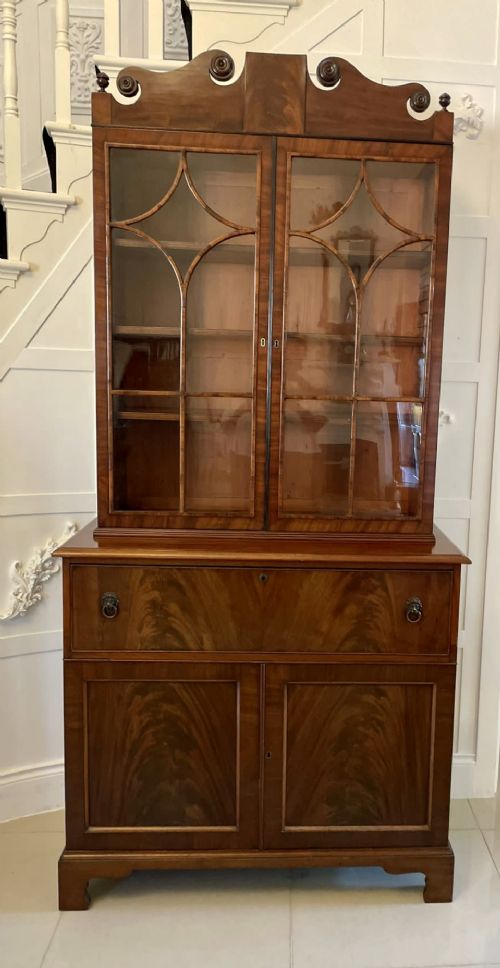
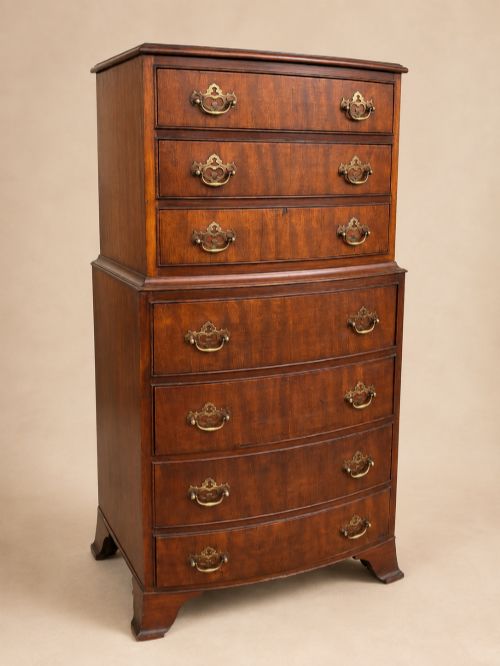
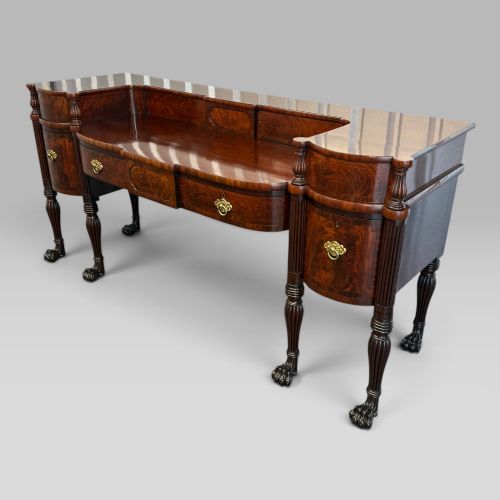
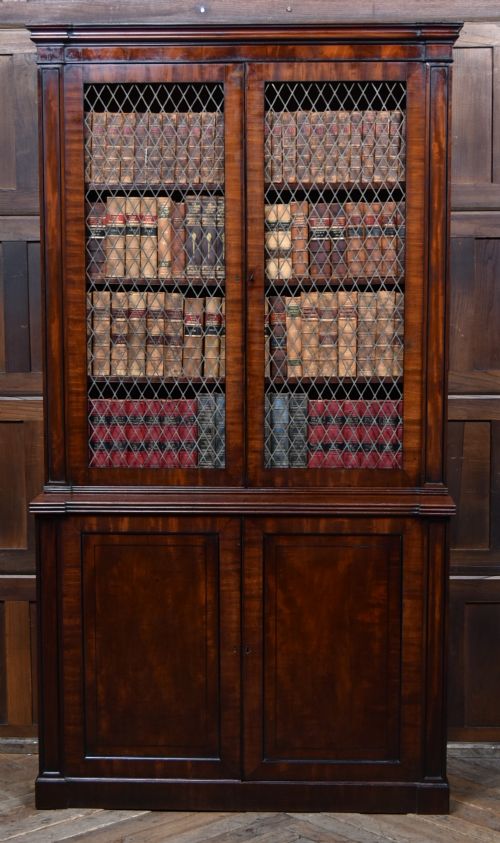
Regency Flame Mahogany Cabinet
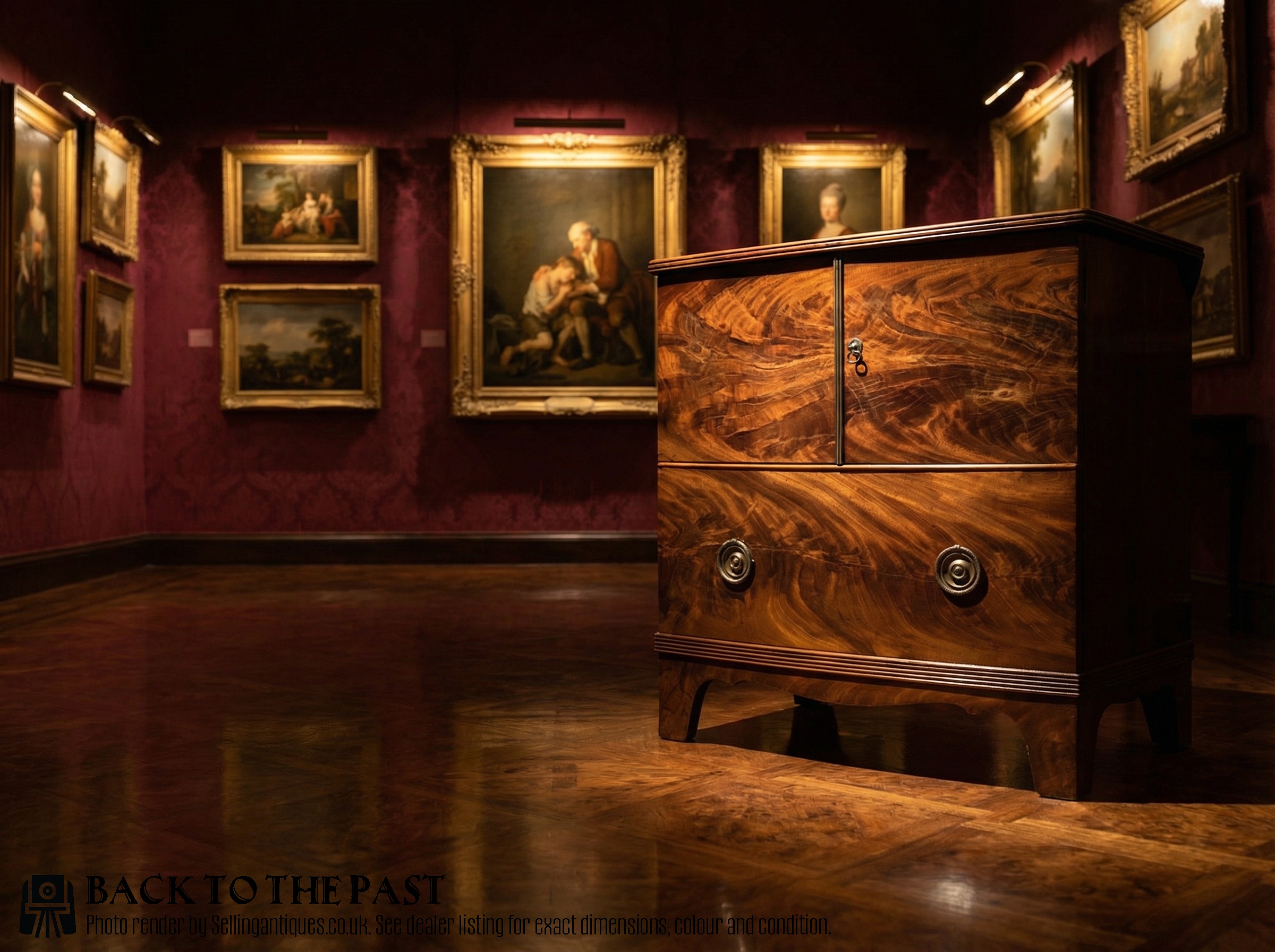
A regency flame mahogany cabinet unites striking timber figuring with classical proportions, serving as a functional storage piece that anchors a room.

Regency Flame Mahogany Cabinet
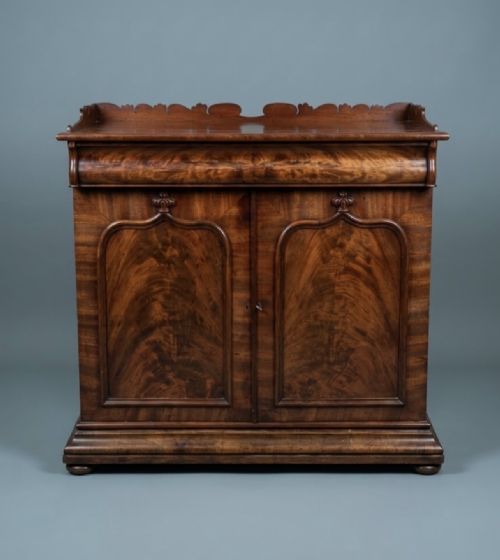
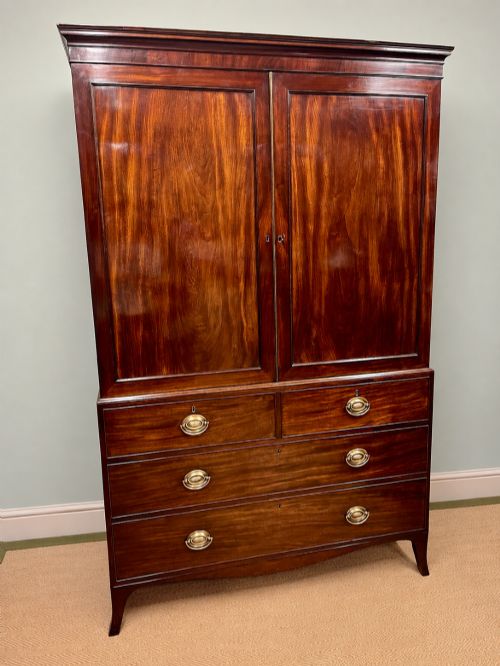
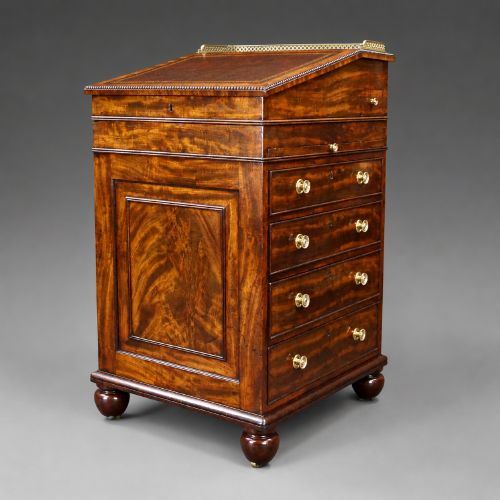
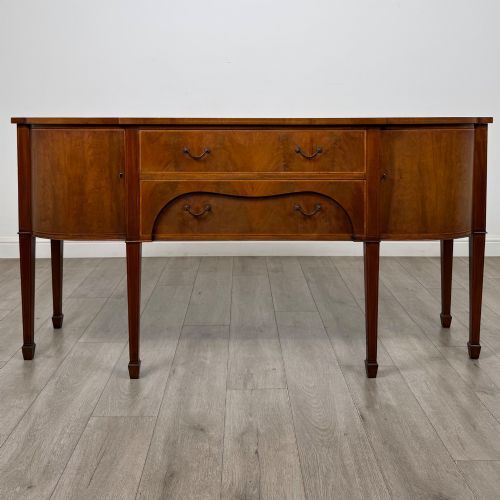
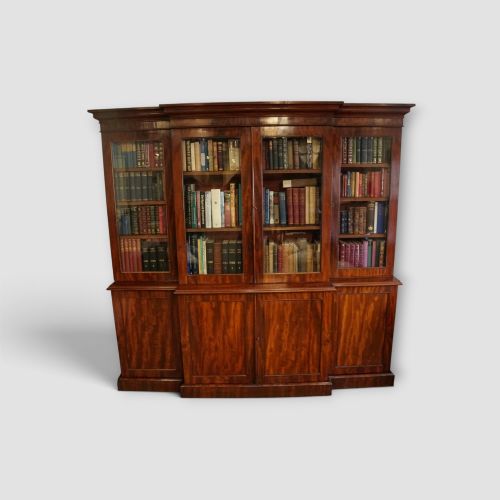
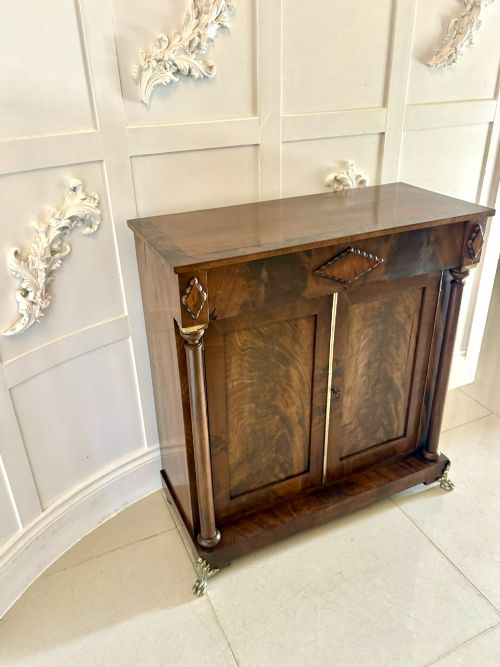
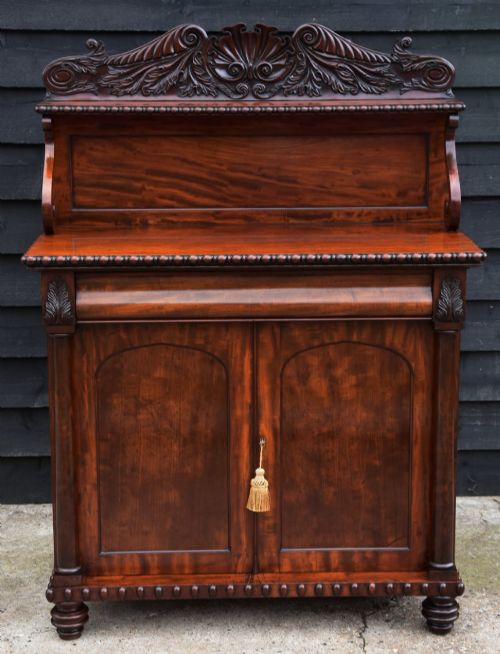
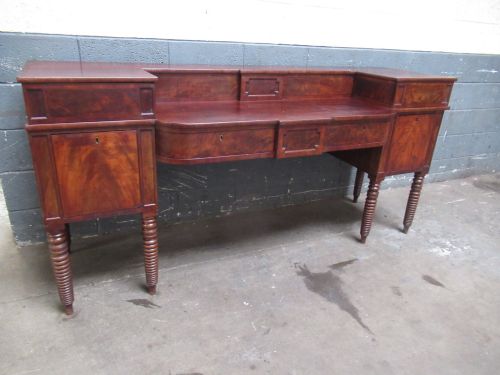
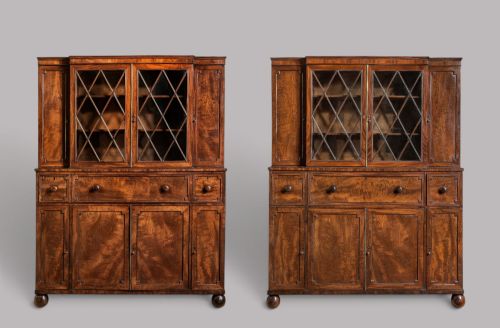
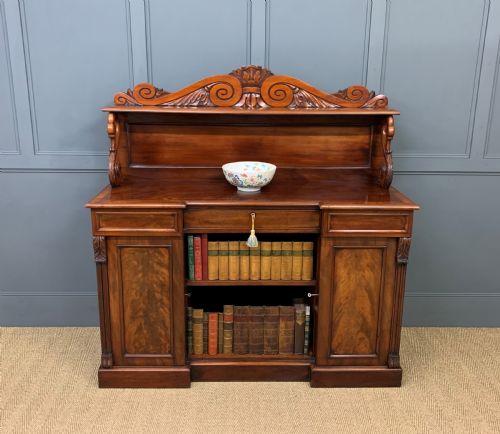
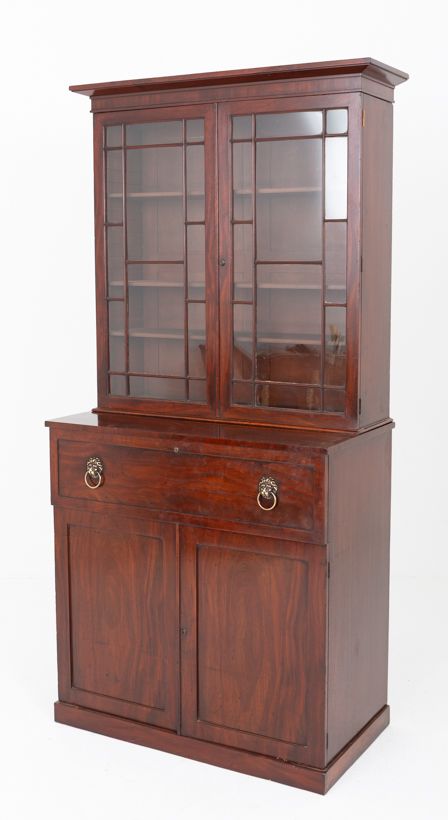
A regency flame mahogany cabinet encompasses a variety of storage forms originating primarily from the nineteenth century, including side cabinets, chiffoniers, linen presses, and bookcases. These pieces reflect the neoclassical tastes of the Regency, Georgian, and William IV periods, often featuring balanced proportions and architectural details.
The version most commonly encountered in this selection combines functional interior shelving or drawers with striking timber surfaces. Makers of the period utilised these forms to display the natural decorative qualities of the wood within domestic interiors.
Materials and Technique
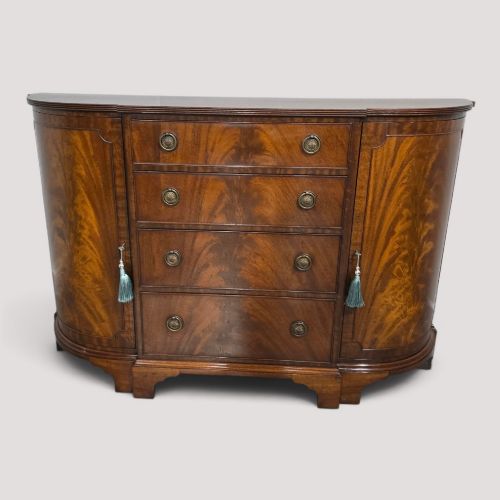
Cabinet makers constructed the foundational carcases using sturdy secondary timbers such as oak, applying finely sliced veneers of flame mahogany to the primary visible surfaces. This technique allowed craftsmen to position symmetrical whorls and dramatic grain patterns across drawer fronts and cabinet doors.
Details were frequently enhanced with contrasting inlay, brass hardware, and glass panels. Structural stability relied on traditional joinery methods suited to the density and movement of mahogany.
Regency Flame Mahogany Cabinet Retail Price Guide 2026
Typical asking prices for regency flame mahogany cabinet among the pieces listed under this phrase on Sellingantiques today, from the lower quarter to the upper quarter. They describe what is for sale here now, not the wider market.
The listings on this site span the nineteenth and twentieth centuries, incorporating Georgian, Regency, and Victorian periods alongside revival styles.
Craftsmanship and Material Selection
The standard of a piece depends heavily on the intensity and book-matching of the flame mahogany veneer across the facade. Superior examples display symmetrical grain patterns that flow logically from drawer to drawer or across double doors.
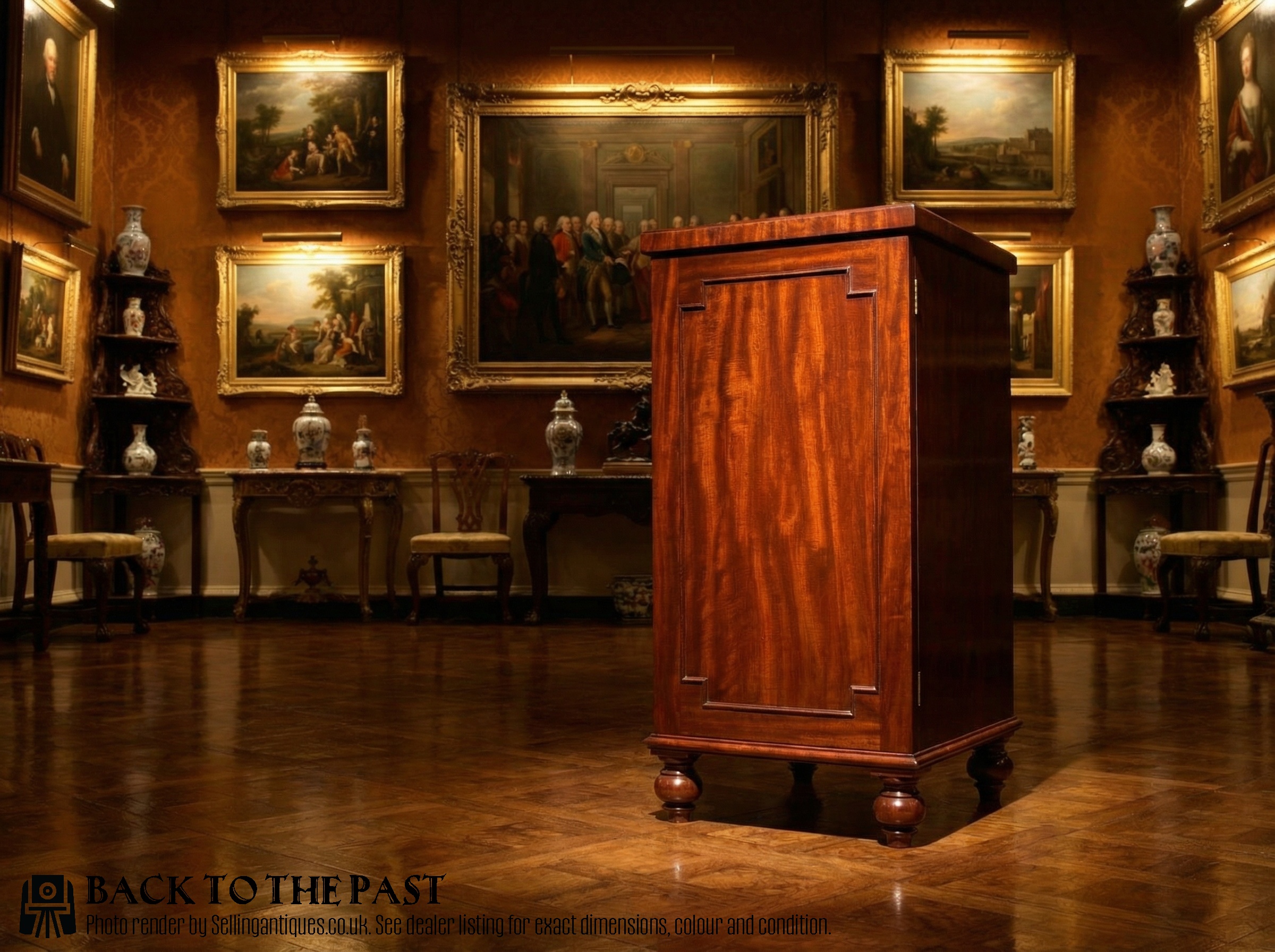
Construction details also dictate distinction, visible in the precision of the dovetail joints, the weight of the brass mountings, and the crispness of any carved or inlaid decoration. Original hardware and undisturbed surface patination elevate the standing of a cabinet.
Gillows
The Regency Flame Mahogany Cabinet Glossary
- Flame mahogany
- A veneer cut from the branch junctions of the mahogany tree, displaying a distinctive rippled, fire-like grain pattern. It was prized by Regency cabinet makers for its decorative impact on primary surfaces.
- Chiffonier
- A small sideboard or low cabinet equipped with shelves or enclosed storage below, often featuring a raised superstructure on the top. These pieces gained popularity during the Regency and William IV periods.
- Breakfront
- A piece of furniture whose central section projects forward from the flanking sections. This architectural arrangement creates depth and visual rhythm in bookcases and sideboards.
- Linen press
- A tall cupboard featuring sliding trays or shelves in the upper section for storing textiles, positioned above a base of wider drawers. They are frequently constructed in mahogany with panelled doors.
- Secretaire
- A cabinet or chest incorporating a fitted pull-down writing drawer that conceals small compartments and pigeonholes. It combines desk functionality with enclosed storage.
Regency Flame Mahogany Cabinet: Frequently Asked Questions
What is a regency flame mahogany cabinet?
A regency flame mahogany cabinet is a nineteenth-century storage piece distinguished by timber veneers with dramatic, fiery grain patterns. These items include side cabinets, chiffoniers, and bookcases created during the classical revival periods.
Craftsmen built these pieces to combine practical domestic storage with the high decorative standards of Regency and Georgian interior design.
How do I identify a genuine period piece?
Authentic pieces display construction methods consistent with nineteenth-century workshop practices, such as hand-cut dovetails and native secondary timbers like oak inside drawers. Examining the depth of the timber finish and the alignment of the veneer helps confirm age.
True period examples also show natural wear patterns and patination on the mahogany surfaces that modern reproductions cannot replicate.
Where were these cabinets used?
These cabinets served primarily in principal rooms such as dining rooms, libraries, and withdrawing rooms to store china, linen, books, or writing materials. Their finished backs and refined fronts allowed them to stand flush against walls or within room settings.
Smaller variants such as bedside cabinets and pot cupboards functioned within private sleeping quarters.
How should I care for flame mahogany?
Maintain flame mahogany furniture by keeping it away from direct sunlight and rapid changes in temperature or humidity, which can dry out timber and cause veneer to lift. Dust the surface regularly with a dry, soft cloth.
Occasional application of appropriate traditional wax preserves the lustre and protects the grain patination without building up heavy residues.