



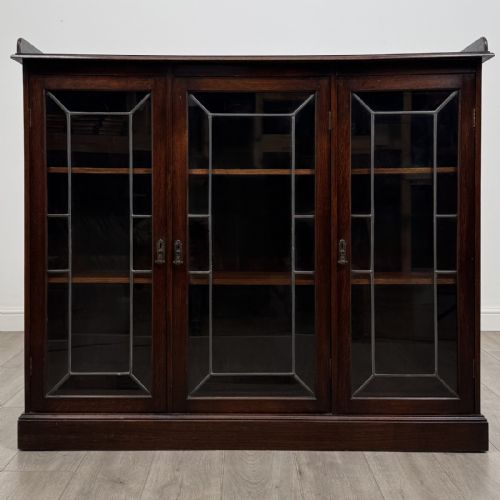
Antique Display Case
When searching for an antique display case, you are looking at glazed cabinets, vitrines, and tabletop containers built to hold and protect treasured objects.
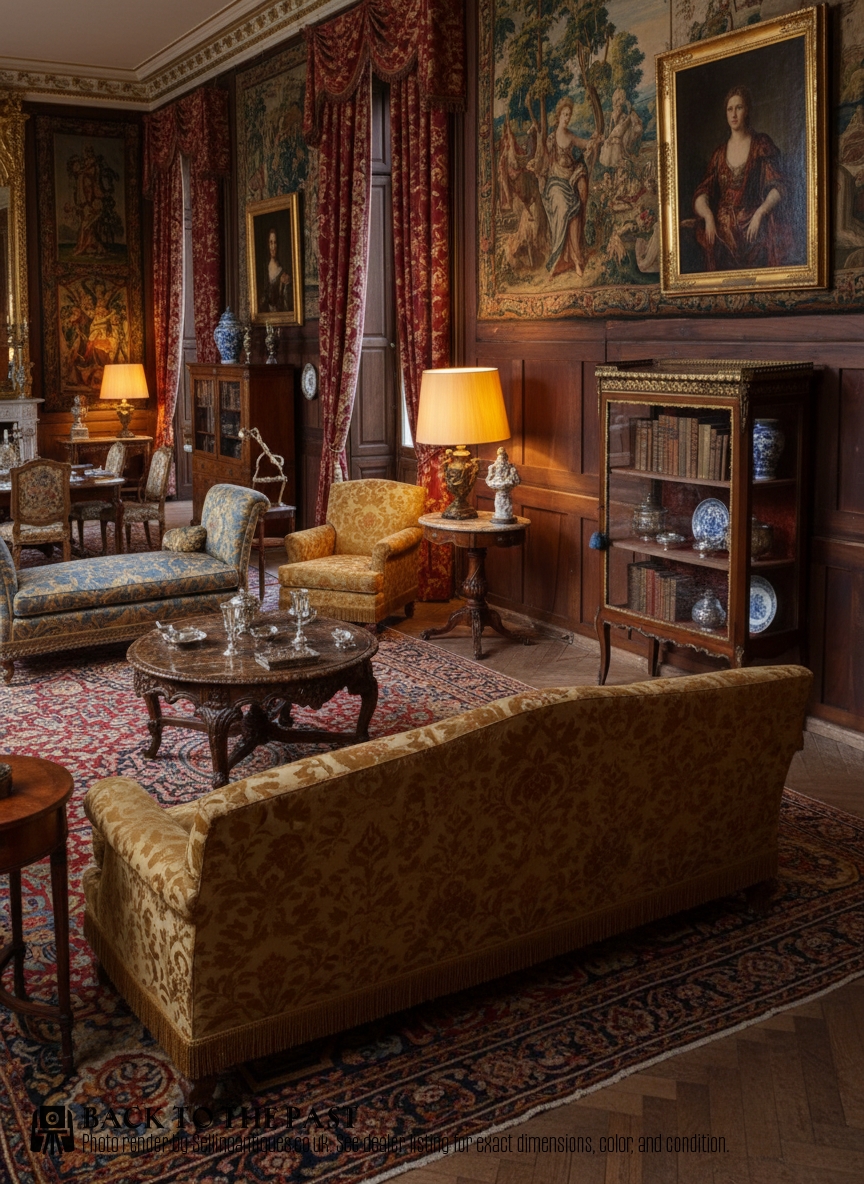
Antique Display Case
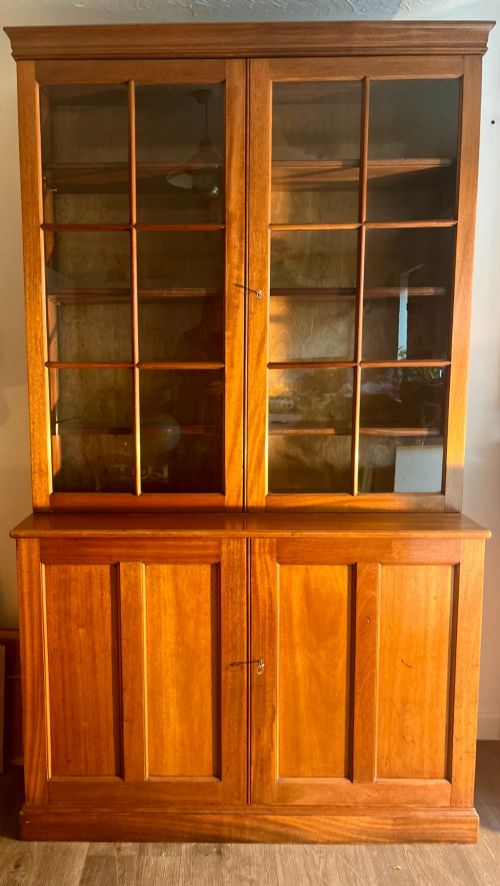
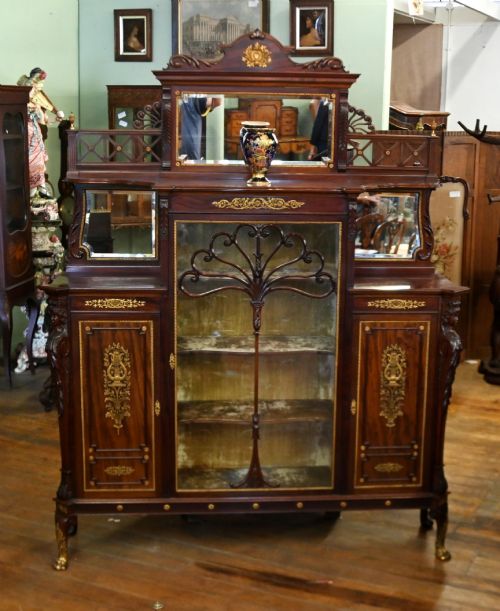
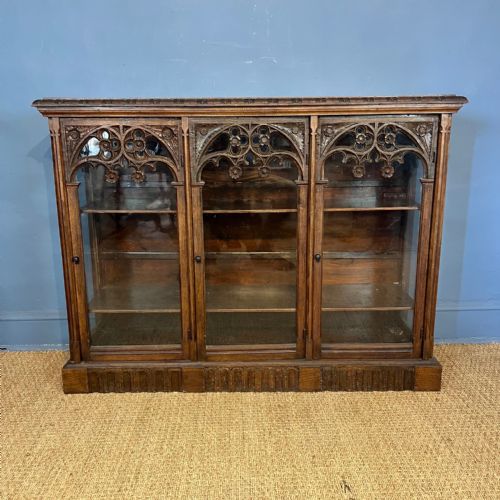
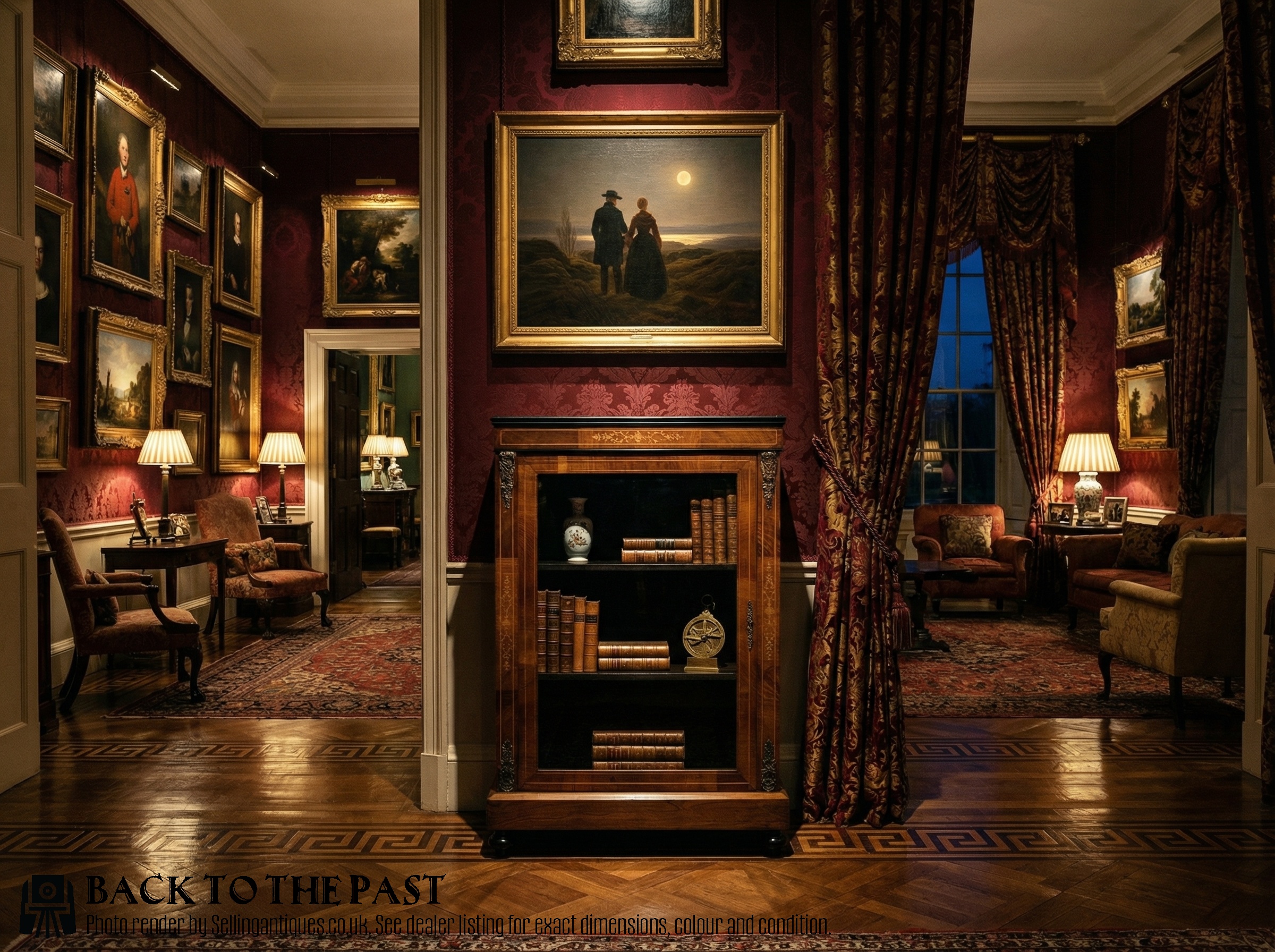
An antique display case appears in various forms across the Victorian, Edwardian, and Georgian periods, spanning freestanding cabinets, tabletop bijouterie tables, and tall bookcases with glazed doors. You are most likely to encounter Edwardian and Victorian mahogany or walnut pieces designed for domestic drawing rooms or specialised collections.
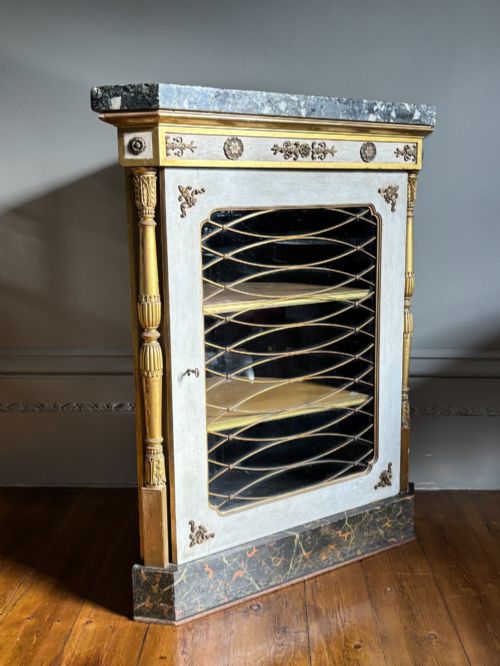
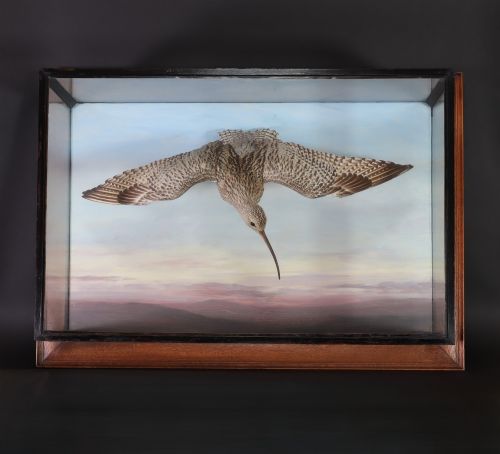
Makers adapted these enclosures for specific contents, yielding pier cabinets for narrow spaces, shop display counters for retail trades, and domed glass enclosures for taxidermy and butterfly specimens. The listings also include specialised furniture such as side cabinets, glazed cupboards, and wall-mounted shelves.
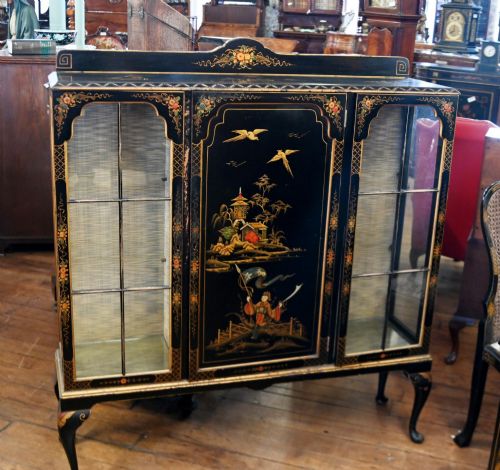
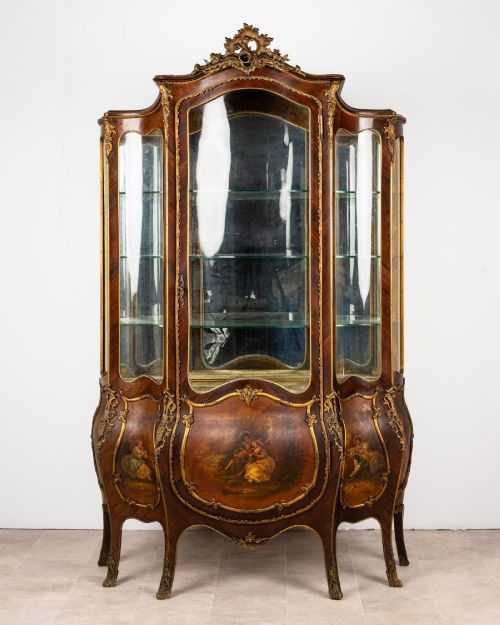
Stylistic influences range from Sheraton Revival inlay and Art Deco geometry to Edwardian Chinoiserie and French Vernis Martin decoration. Pieces originate from English workshops as well as continental makers utilising kingwood, satinwood, and ormolu mounts.
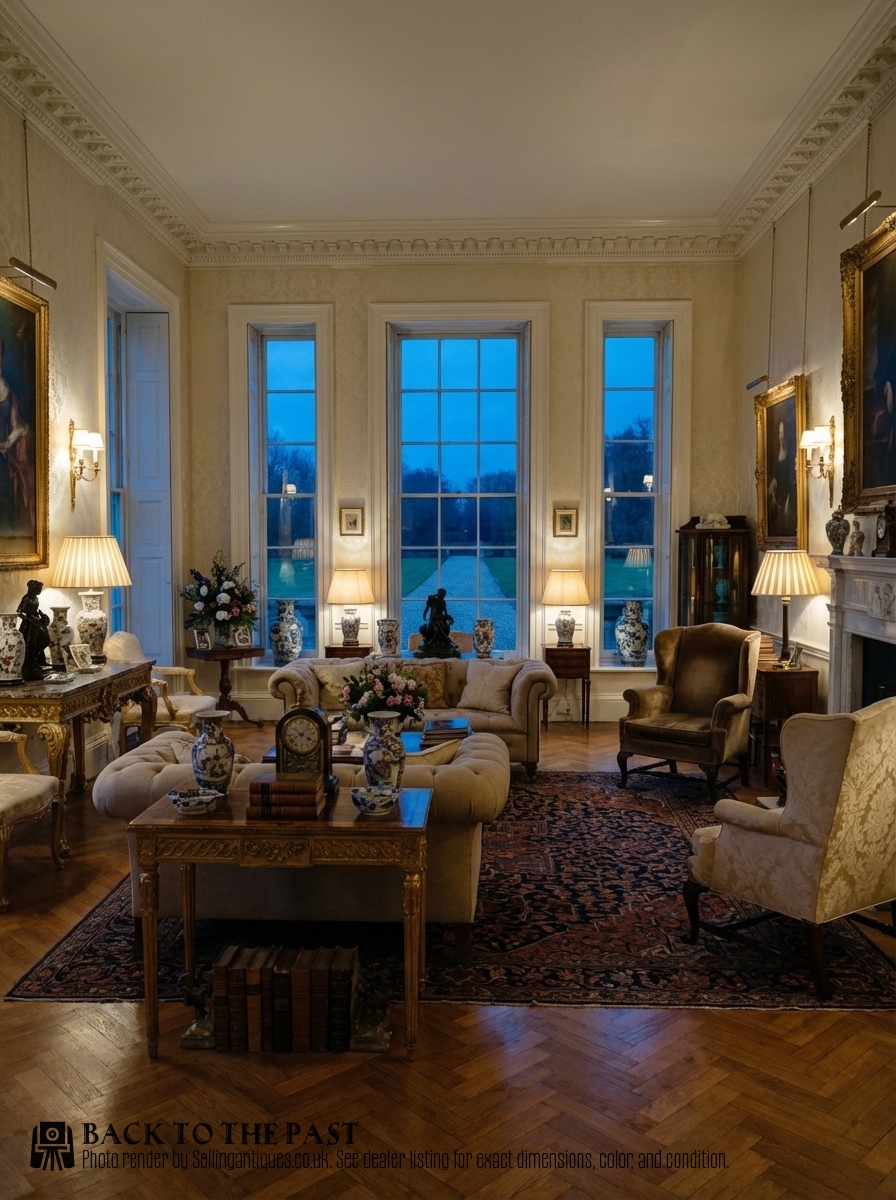
Materials and Construction
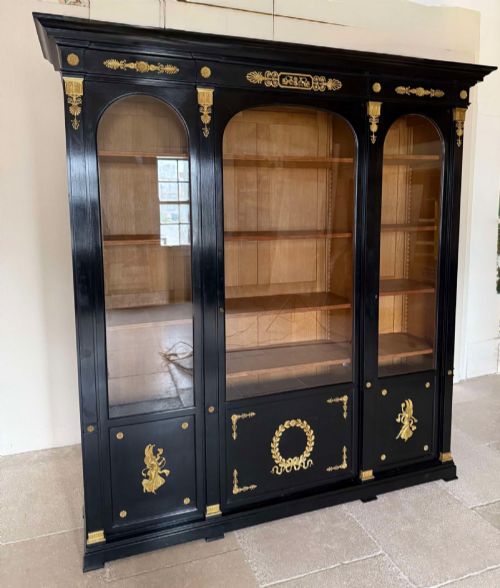
Timbers form the structural framework, with mahogany, walnut, and oak appearing most frequently, supplemented by lighter decorative veneers like satinwood, burr walnut, and kingwood. Glazing dominates the elevations, enclosing the contents behind fitted glass panels or leaded lights.
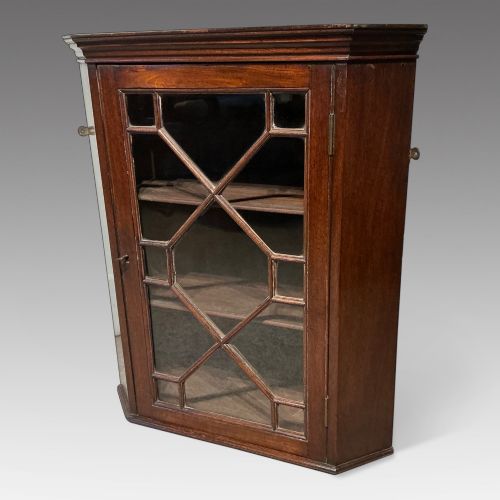
Joinery techniques incorporate astragal bars to segment glass panels, alongside internal adjustable shelving supported on timber racks. Metal components such as brass hardware, gun metal, and gilt bronze provide structural mounts and locking mechanisms.
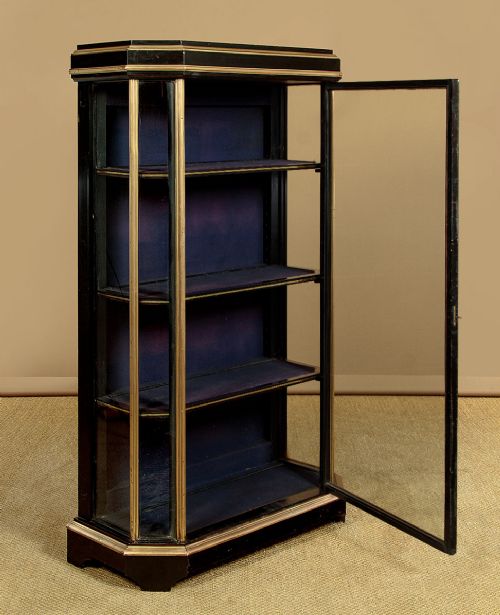
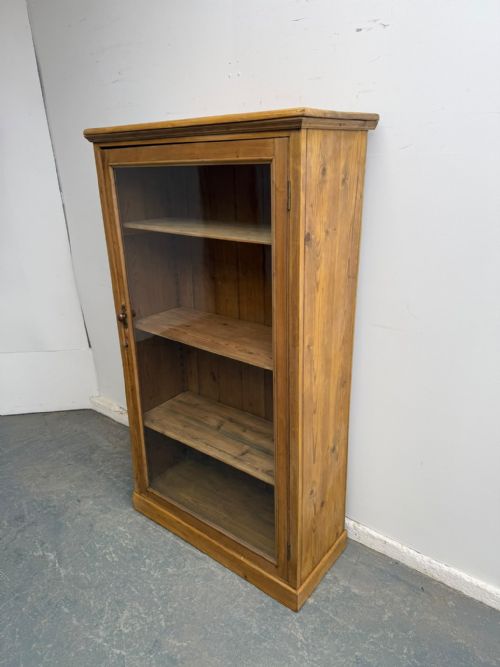
Decorative surfaces display marquetry inlay, painted Chinoiserie motifs, or distressed paint finishes on pine and oak carcasses. Fabric linings inside bijouterie tables and vitrines offer a soft backdrop for displayed collectibles.
Antique Display Case Retail Price Guide 2026
Typical asking prices for display case among the pieces listed under this phrase on Sellingantiques today, from the lower quarter to the upper quarter. They describe what is for sale here now, not the wider market.
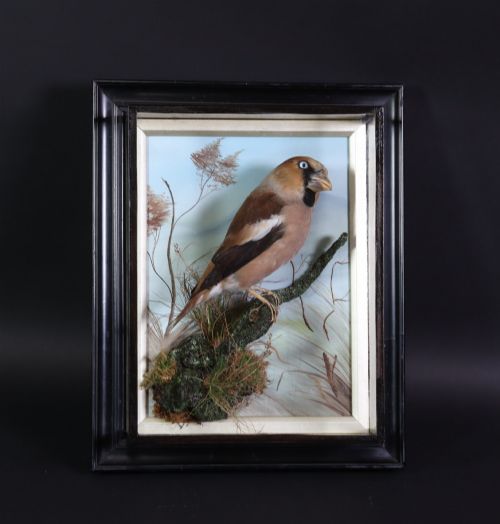
A preserved roach caught in 1884 sits inside its original glass case, proving that Victorian anglers valued their catches quite literally.
Distinctions in Execution
The standard of timber selection and veneer matching defines the visual impact, particularly where burr walnut or flamed mahogany grain patterns mirror across doors and panels. Fine examples employ meticulous hand-cut inlay and subtle stringing rather than printed or stamped decoration.
Structural integrity reveals itself in the fit of glazed doors, the weight of the brass or gilt bronze mounts, and the precision of the joinery on serpentine or breakfront shapes. Interior detailing, such as silk or velvet backings and adjustable wooden shelving, indicates higher workshops origins.
Provenance and original function elevate certain forms, distinguishing bespoke domestic vitrines and retailer-commissioned shop cabinets from standard production furniture.
F. Sage & Co·Little & Co·J Griffiths of Burford·T. Inglesant & Sons Leicester
The Antique Display Case Glossary
- Bijouterie table
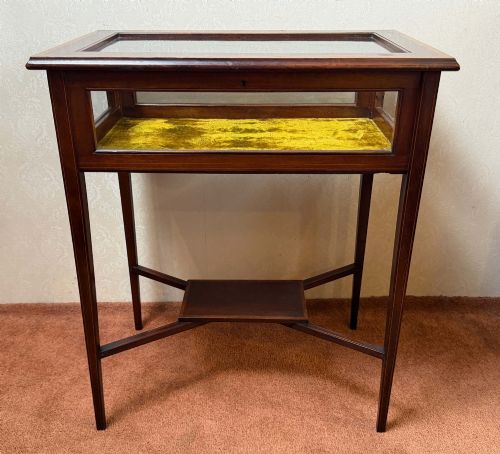
- A glass-topped display table designed for small valuables, jewellery, and medals. These pieces typically feature hinged glazed lids and fabric-lined interiors.
- Vitrine
- A glass display cabinet used primarily for porcelain, curiosities, and decorative objects. The term frequently denotes continental European pieces with extensive glazing.
- Pier cabinet
- A narrow cabinet built to stand against the wall space between windows. Victorian examples often incorporate burr walnut veneers and curved glass sides.
- Astragal glazed
- Glass doors divided into smaller panes by narrow wooden mouldings called astragals. This technique creates a light, grid-like framework across the front of a bookcase or cabinet.
- Breakfront
- A piece of furniture where the central section projects forward from the flanking wings. This architectural arrangement creates depth and shadow on large library cabinets.
Antique Display Case: Frequently Asked Questions
What fits inside an antique display case?
These enclosures were built to house ceramics, glassware, books, and collections of natural history specimens like butterflies and taxidermy. Tabletop versions specifically accommodated pocket watches, coins, medals, and small jewellery.
The taller cabinet forms allowed households to exhibit entire library collections alongside decorative objects behind protective glass doors.
How do I distinguish Edwardian from Victorian cases?
Victorian pieces tend to use heavy mahogany, dark burr walnut, and robust proportions with rich, dark patination. They frequently feature architectural cornices and heavy astragal glazing.
Edwardian furniture often presents lighter satinwood, delicate Sheraton Revival inlay, and painted Chinoiserie motifs reflecting an eighteenth-century revival taste.
Were these cabinets meant for homes or shops?
Both domestic and retail environments utilised glazed enclosures. Shop display counters and large commercial vitrines served merchants displaying goods, while pier cabinets and breakfront bookcases belonged in drawing rooms and libraries.
Shop pieces often exhibit robust framing in oak or mahogany designed to withstand daily commercial use.
How should I care for the fabric linings?
Many bijouterie tables and vitrines retain original fabric backgrounds that require gentle dusting with a soft brush rather than liquid cleaners. Avoiding direct sunlight prevents fading on silk, velvet, and other textile linings.
Keeping the interior dry helps preserve both the fabric and the surrounding timber framework.