

Antique Walnut Vitrine
An antique walnut vitrine brings warmth and visibility to collected objects, pairing rich timber with glazed panels for an elegant interior display.
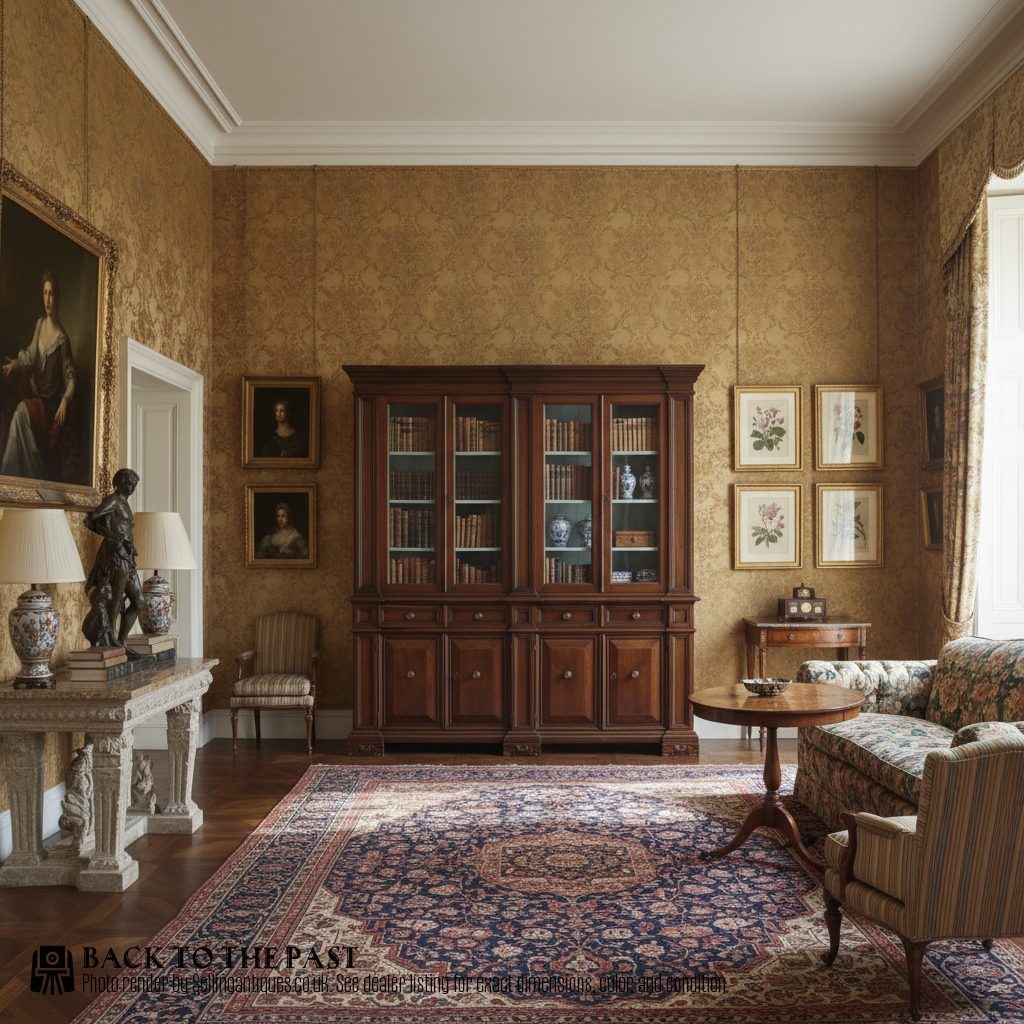
Antique Walnut Vitrine
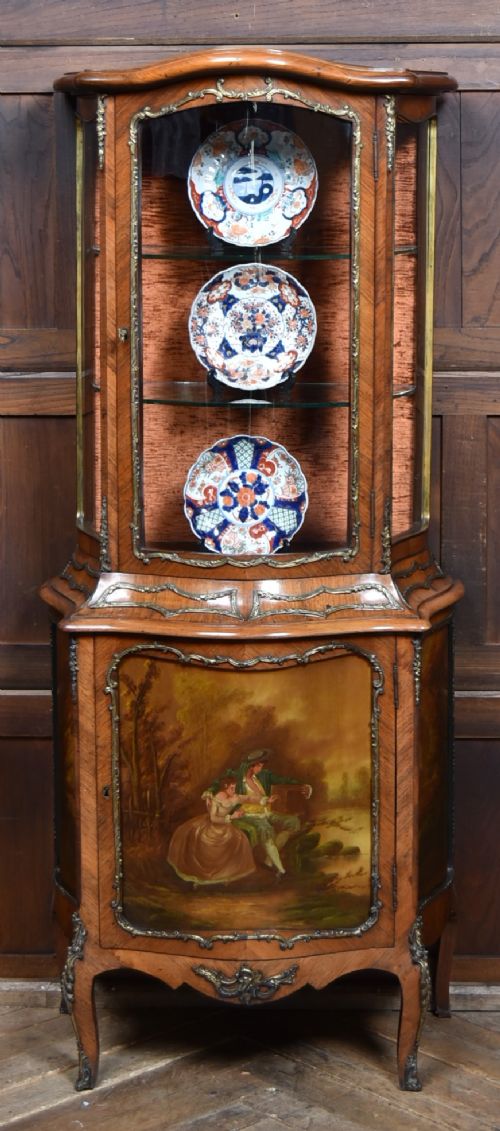
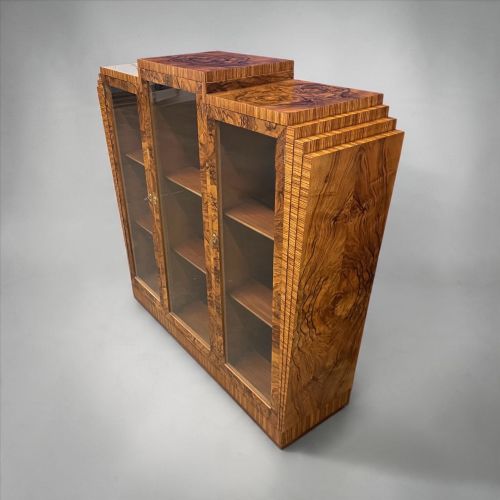
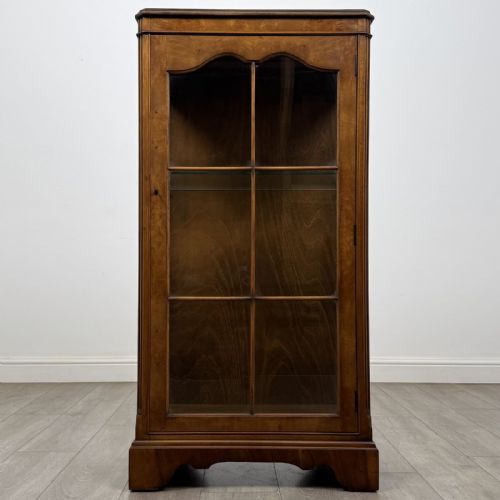
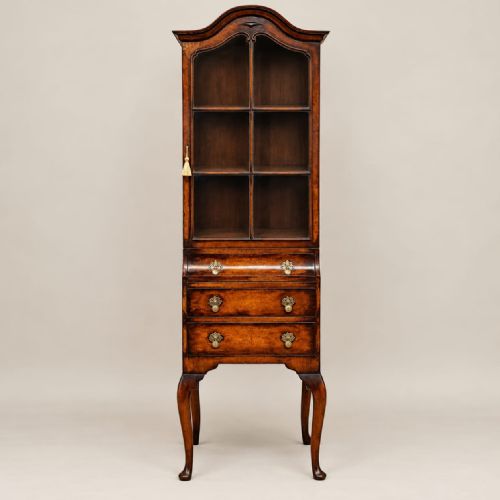
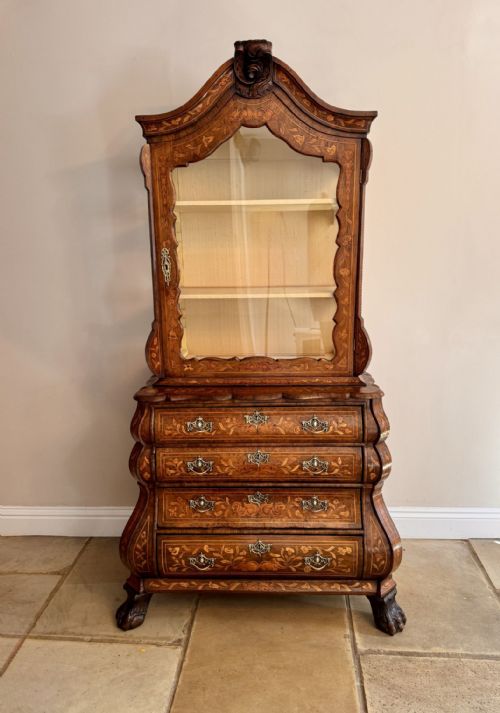
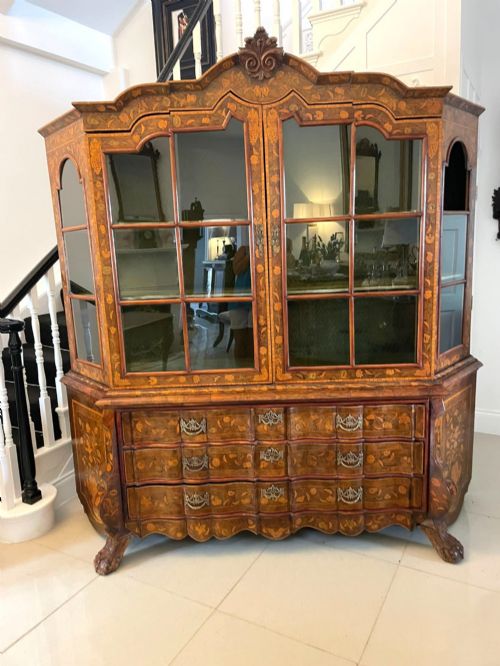
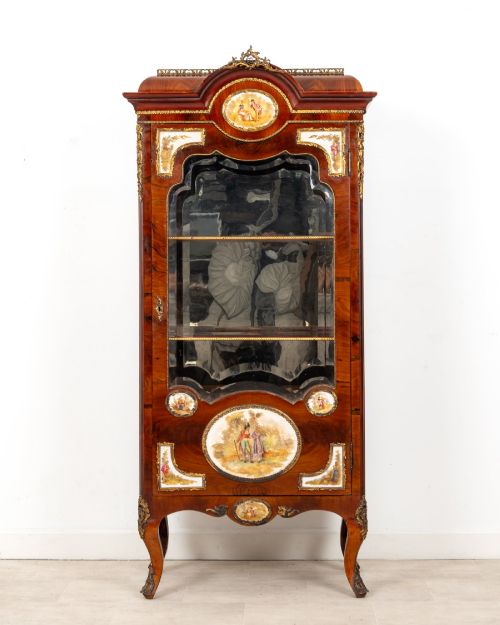
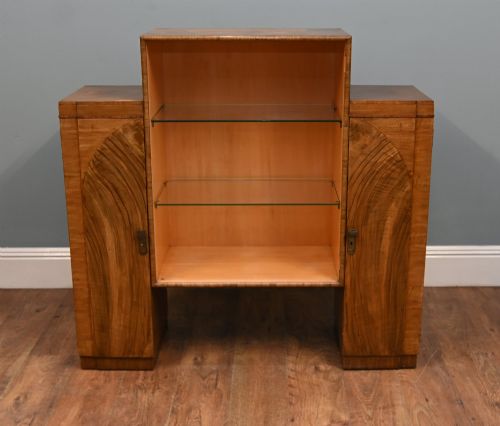
An antique walnut vitrine functions primarily as a display cabinet, designed to showcase porcelain, books, and small treasures behind glass doors. These pieces emerge across several periods, from the ornate marquetry of the eighteenth century through to clean-lined Art Deco interpretations.
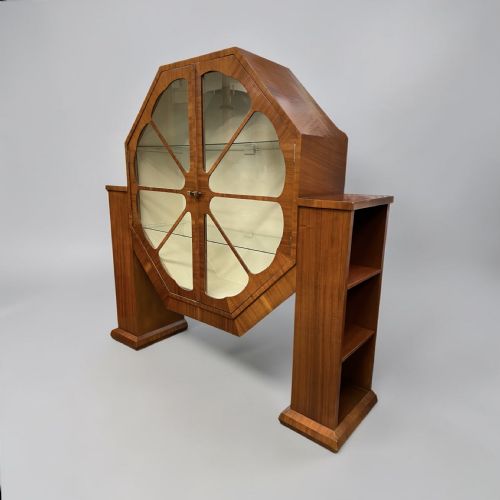
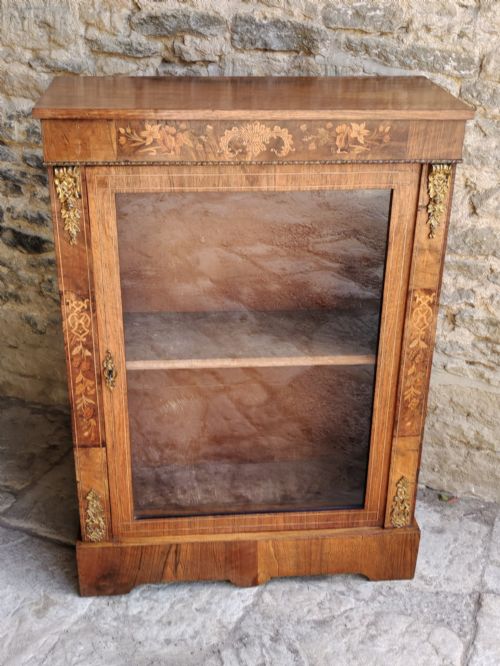
The most common examples on this page date from the Victorian, Edwardian, and nineteen-thirties eras, reflecting domestic shifts towards lighter, glazed presentation furniture. Forms range widely, encompassing upright display cabinets, corner units, wall-hanging vitrines, and circular or clove-shaped Art Deco variations.
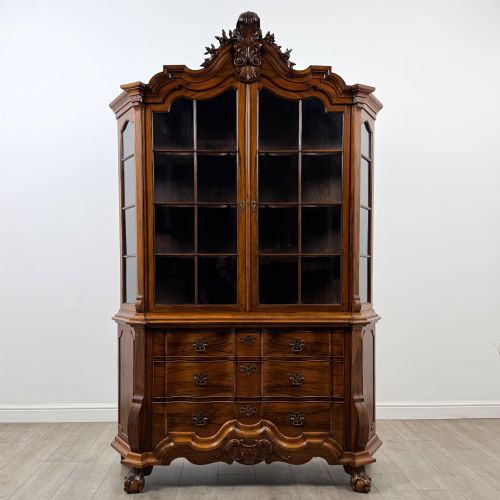
Origin influences the character of the cabinet significantly, distinguishing English restrained walnut furniture from continental Dutch marquetry and French or Italian gilt-mounted designs. Buyers encounter everything from petite tabletop bijouterie tables to tall, multi-shelf bookcases adapted for display.
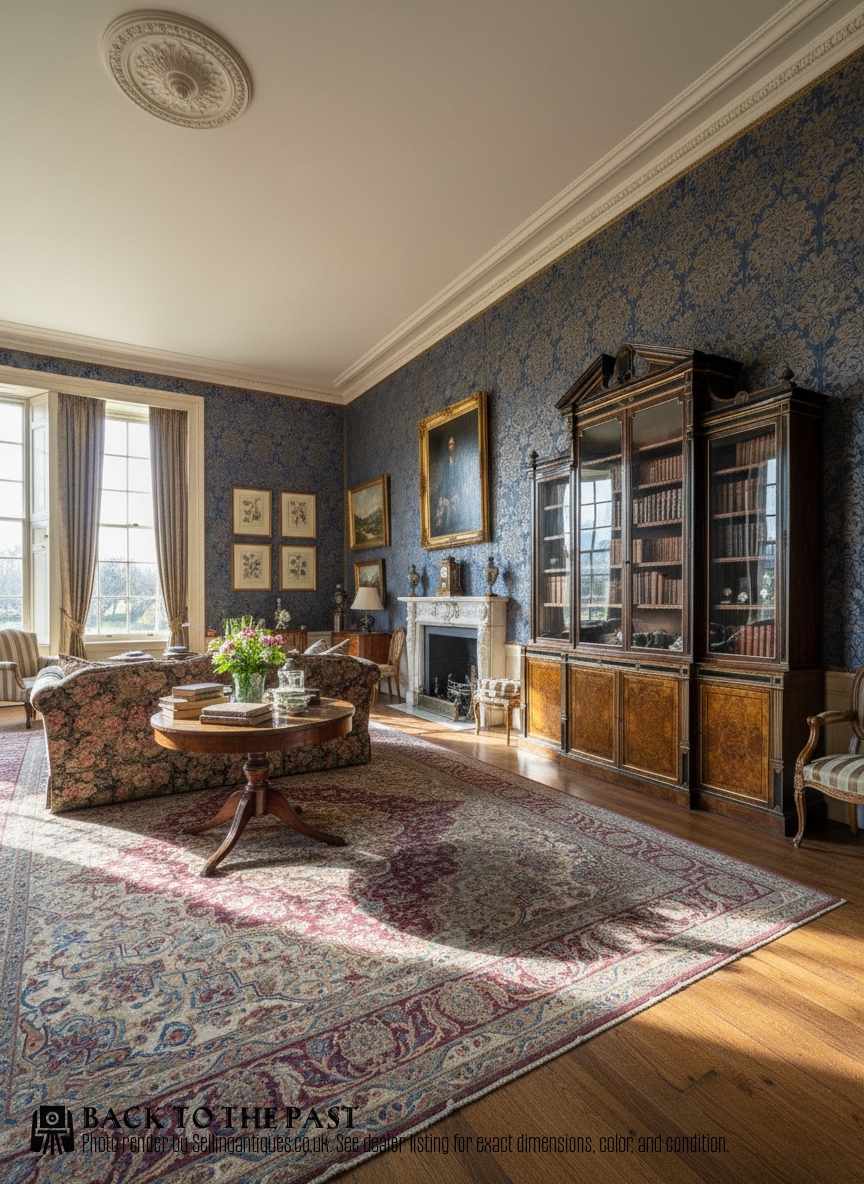
Materials and Construction
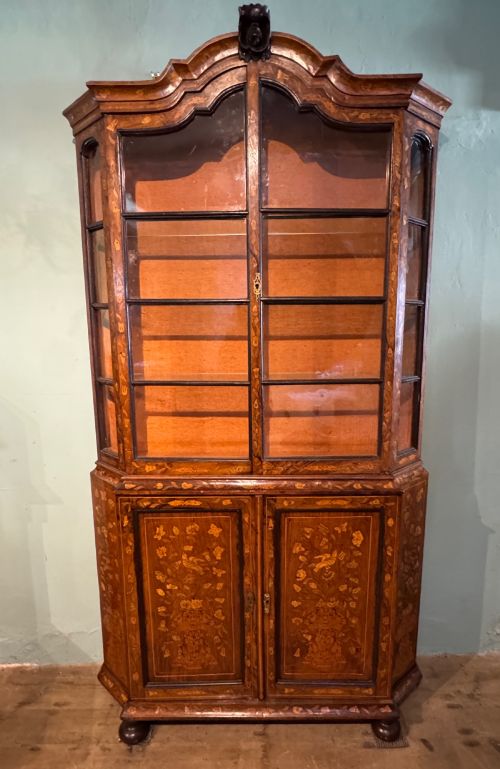
Cabinet makers utilised solid walnut alongside burr walnut and figured veneers to create rich, varied grain patterns across the exterior surfaces. Marquetry inlay, incorporating lighter woods, frequently defines Dutch and continental pieces from the eighteenth and nineteenth centuries.
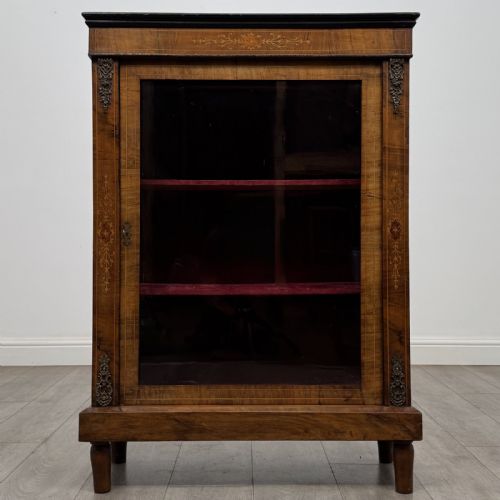
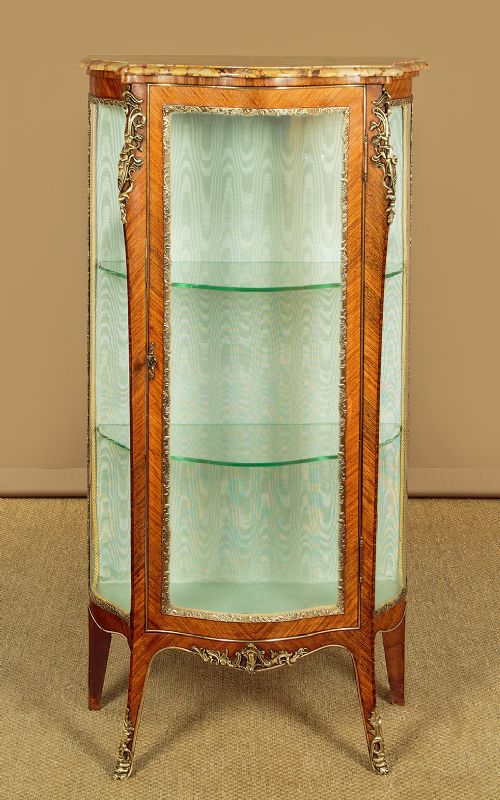
Glazing is central to the form, utilising individual glass panes held in wooden or leaded framework to protect contents while allowing full visibility. Metal mounts in brass, ormolu, or gilt bronze appear frequently on French and Victorian pieces, framing the glazed doors and corners.
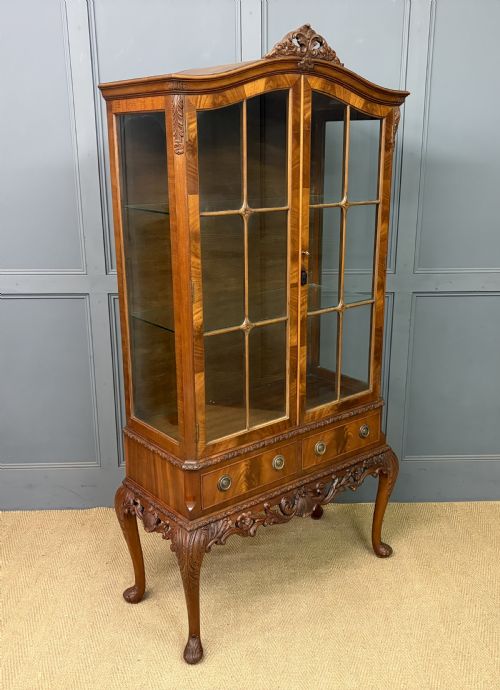
Interior linings of fabric and velvet provide a soft background for displayed objects, while internal wooden shelving supports the weight of porcelain and glassware. Carved wood details, particularly on revival styles such as Queen Anne or Louis XV, demonstrate the manual skill applied to the structural framing.
Antique Walnut Vitrine Retail Price Guide 2026
Typical asking prices for walnut vitrine among the pieces listed under this phrase on Sellingantiques today, from the lower quarter to the upper quarter. They describe what is for sale here now, not the wider market.
Some nineteenth-century display tables double as miniature glass vitrines for viewing pocket watches without opening the lid.
Indicators of Quality
The selection of timber underpins the overall success of the piece, with figured walnut, burr veneers, and intricate floral marquetry elevating the visual impact. Superior cabinets display thoughtful grain matching across doors and panels rather than random timber application.
The integration of metal mounts and the execution of carved wooden details distinguish workshop output. Finely chased ormolu mounts and crisp, hand-carved mouldings separate bespoke cabinet maker production from standard commercial output.
Structural integrity relies upon precise joinery in the door frames and the stability of the glazed panels. Well-constructed vitrines maintain door alignment smoothly over time, protecting the interior environment from dust while housing heavier collections.
Maple & Co.·Edwards & Roberts
The Antique Walnut Vitrine Glossary
- Vitrine
- A glass-fronted cabinet or display case designed specifically for showing porcelain, curiosities, and small objects. These pieces often feature glazed sides as well as doors to maximise interior illumination.
- Marquetry
- The art of applying thin veneers of different woods to a structural panel to form decorative patterns and pictorial scenes. Dutch cabinet makers utilised this technique extensively with floral and botanical motifs.
- Ormolu
- Gilded bronze mounts applied to furniture for decorative accentuation, particularly popular on French and Victorian revival pieces. The metalwork provides a bright contrast against dark walnut timber.
- Pier cabinet
- A low or medium height cabinet designed specifically to fit against the wall space between two windows. Victorian examples frequently incorporate glazed doors and velvet-lined interiors for ornaments.
Antique Walnut Vitrine: Frequently Asked Questions
What is an antique walnut vitrine used for?
These cabinets serve as secure, dust-free enclosures for displaying collections of porcelain, glassware, and small ornaments within a domestic setting.
The glass panels and shelves ensure that delicate items remain visible from multiple angles while being protected from daily wear.
How do I date an antique walnut vitrine?
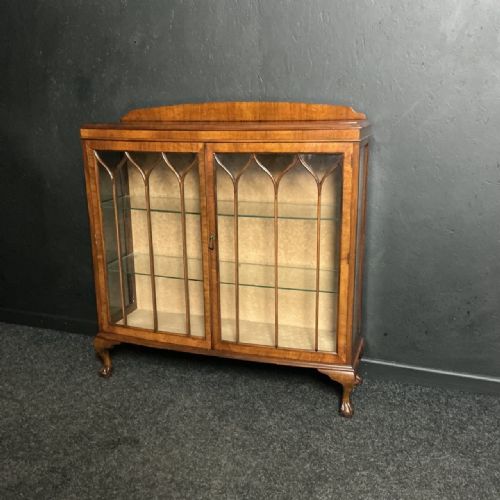
Dating relies on identifying stylistic markers, such as the curved cabriole legs of Queen Anne revivals or the geometric symmetry typical of Art Deco design.
Construction methods, timber types, and the presence of specific brass or ormolu mounts also help narrow the period of manufacture.
How should I care for walnut veneer?
Walnut benefits from stable room temperatures and protection from direct sunlight, which can fade the natural warm tones of the timber over time.
Occasional dusting with a dry, soft cloth preserves the polished surface without the need for heavy chemical polishes.
What is the difference between a vitrine and a bookcase?
A vitrine prioritises display through glass panels on both the front and sides, whereas a traditional bookcase focuses primarily on front-facing book storage.
Many antique examples bridge this gap by offering glazed upper sections suitable for mixed displays of books and ceramics.