

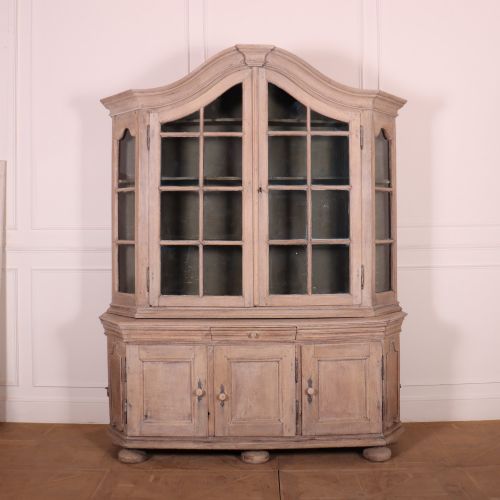
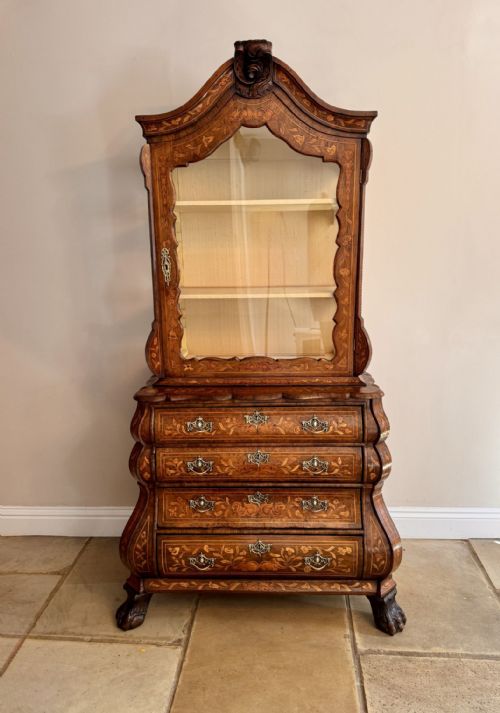
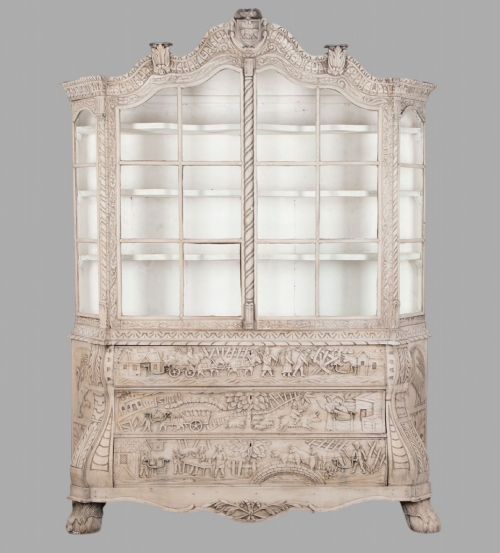
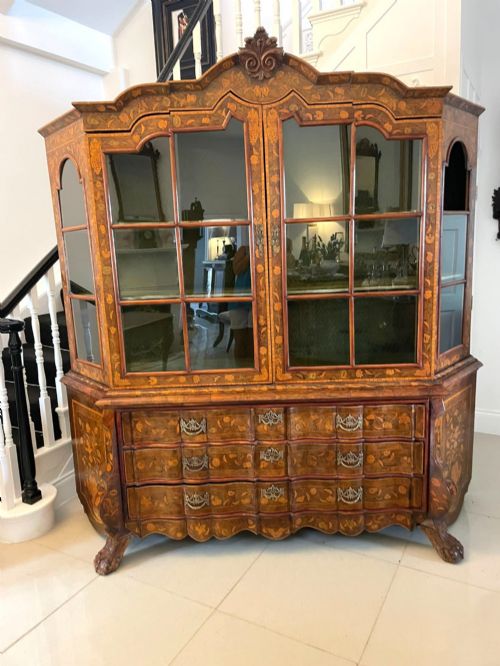
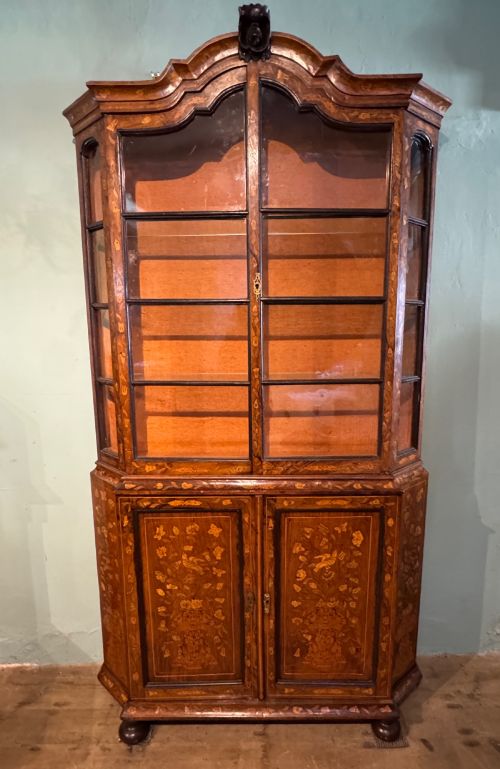
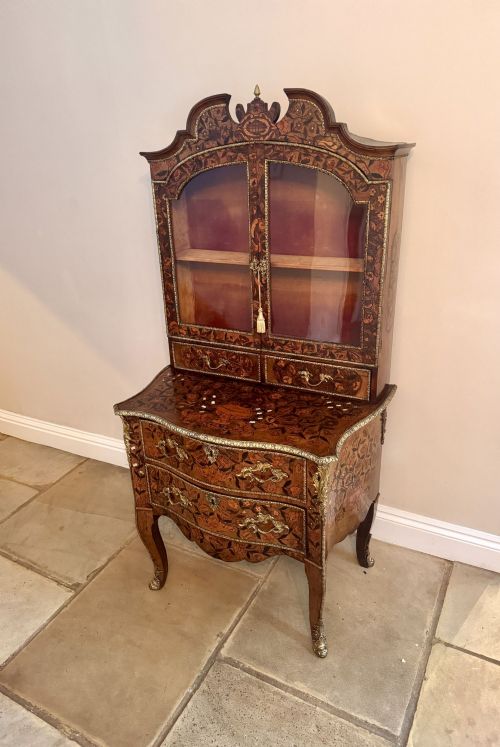
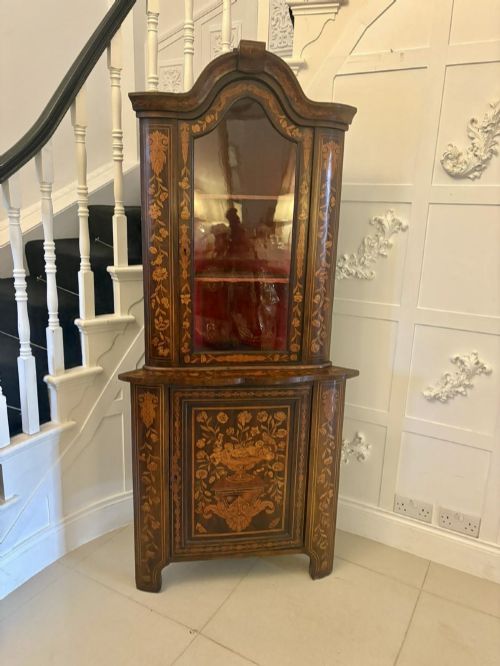
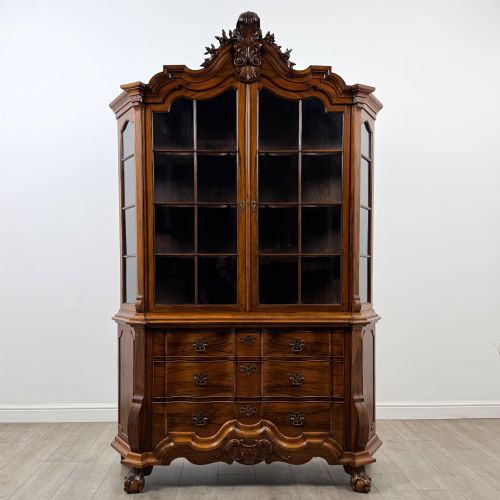
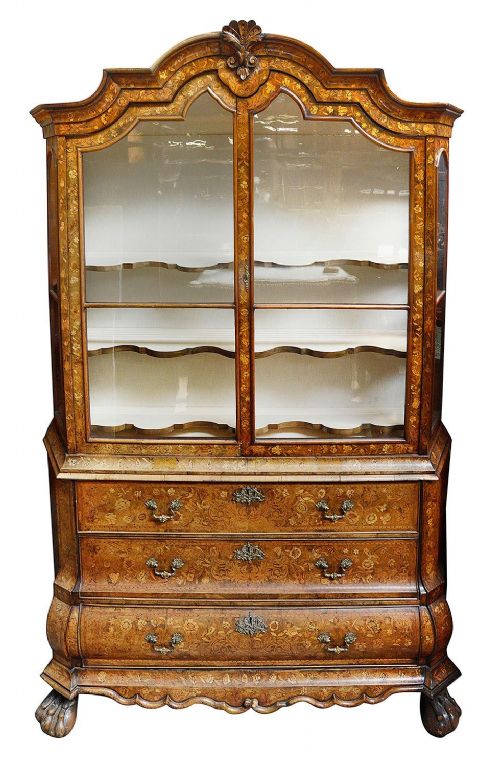


Dutch Glazed Cabinet
When you search for a dutch glazed cabinet, you seek timber joinery and glazed upper doors that display porcelain or books.

Dutch Glazed Cabinet
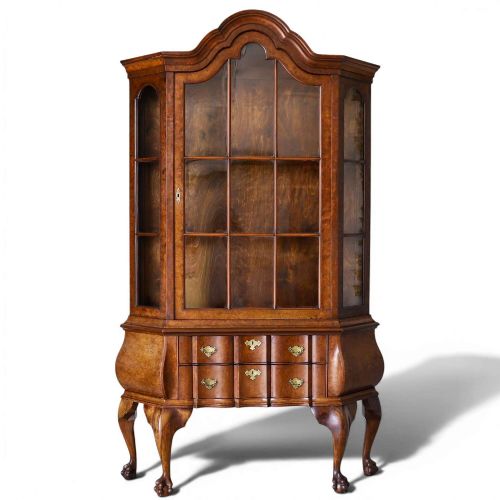
A dutch glazed cabinet combines a lower storage compartment, often with bombé shaping or drawers, with an upper glass-fronted display section for precious items. These pieces span the eighteenth and nineteenth centuries, alongside revival and twentieth-century examples that echo earlier forms.
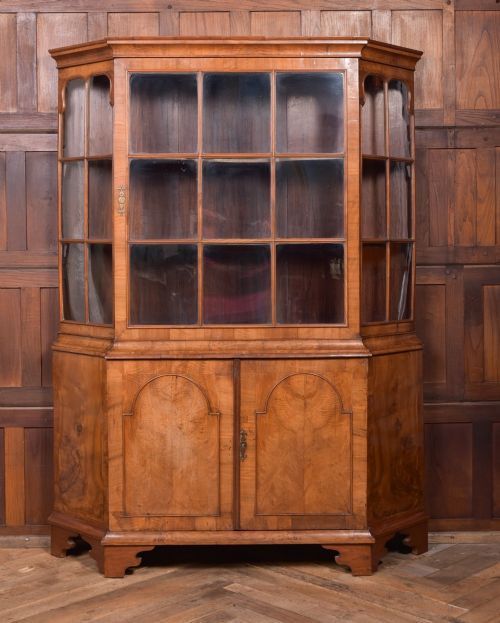
The prevalent variations on this page include corner cabinets, wall-mounted cupboards, and substantial cabinets on chests. Makers employed display cabinets, bookcases, vitrines, and secretaires to suit domestic spaces ranging from intimate rooms to grand reception areas.
How They Were Made
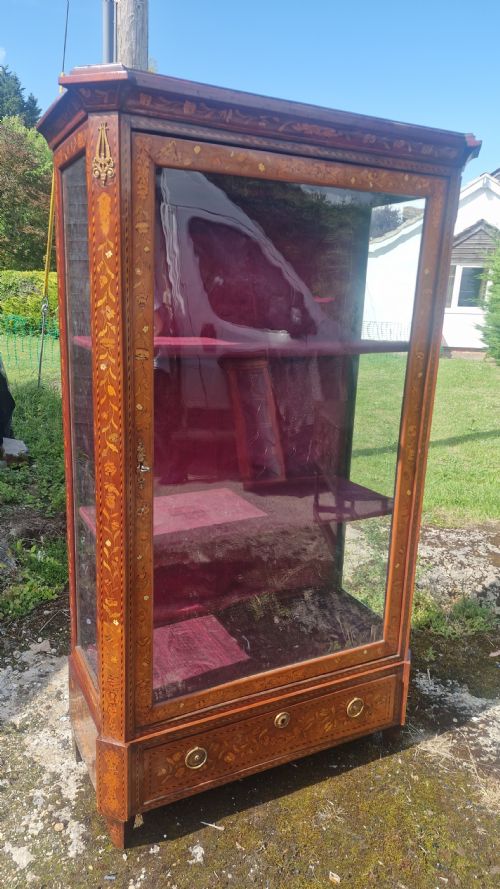
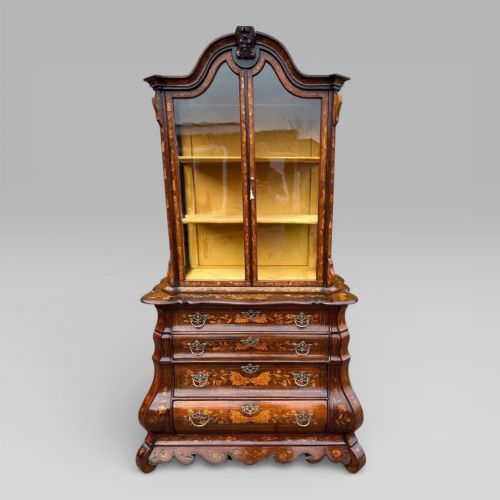
Cabinet makers utilised foundational timbers such as oak, walnut, and fruitwood, often applying rich veneers of burr walnut, rosewood, mahogany, or satinwood across the exterior surfaces. Many structures feature elaborate floral marquetry inlay, painstakingly cut from contrasting woods to form botanical motifs.
Glazing bars divide the glass panels of the upper doors into geometric or arched panes, while brass hardware secures the doors and drawers. Selected pieces receive painted wood finishes or carved details that accentuate the swelling contours of bombé forms.
Dutch Glazed Cabinet Retail Price Guide 2026
Typical asking prices for dutch glazed cabinet among the pieces listed under this phrase on Sellingantiques today, from the lower quarter to the upper quarter. They describe what is for sale here now, not the wider market.
The inventory includes 18th century, 19th century, georgian, edwardian, and 1920s examples.
What Varies in Quality
The ambition of the marquetry and the choice of timber establish the visual hierarchy among these cabinets. Dense floral inlay executed in diverse fruitwoods across curved surfaces demands greater skill than plain walnut or painted finishes.
Proportion and structural complexity dictate distinction, particularly in the contrast between flat-fronted corner cupboards and deeply curved bombé forms resting on shaped feet. The refinement of the glazing bar assembly and the warmth of the natural patina complete the distinction.
Edwards and Roberts
The Dutch Glazed Cabinet Glossary
- Marquetry
- Decorative patterns formed by fitting together thin slices of wood veneer onto a carcase. It requires immense precision to align floral and geometric designs.
- Bombé
- A swelling, outwardly curved profile associated with furniture fronts and sides. This bulging contour demands advanced woodworking techniques to shape timber successfully.
- Vitrine
- A glass-fronted display cabinet designed specifically for porcelain, curiosities, or silver. The term derives from the French word for glass.
- Secretaire
- A desk or cabinet featuring a pull-down writing flap that conceals small drawers and pigeonholes. It merges workspace functionality with storage or display.
- Patina
- The surface sheen and mellow depth developed by wood through age, handling, and light exposure. Collectors prize an undisturbed patina for its historical honesty.
Dutch Glazed Cabinet: Frequently Asked Questions
What is a dutch glazed cabinet?
A dutch glazed cabinet is a storage and display piece featuring glass-panelled upper doors. They house books, ceramics, or collectibles while protecting them from dust.
These pieces range from tall cabinets on chests to compact wall cupboards and corner units. Their designs incorporate marquetry inlay, carved details, and distinctive wood veneers.
How do I date a dutch cabinet?
Dating relies on timber choices, construction methods, and stylistic cues such as bombé shaping or marquetry patterns. Eighteenth-century examples often display intricate floral inlay on walnut, while later revival pieces adopt different proportions.
Examining the interior timber, joinery techniques, and hardware helps determine whether a piece originates from the georgian era or later nineteenth and twentieth-century revivals.
Where should I place a corner cabinet?
Corner cabinets fit neatly into vacant room angles, making efficient use of space while drawing the eye upward. They work well in dining rooms or drawing rooms to display glassware.
Wall-mounted versions require secure fixing to support the weight of timber and glass, while freestanding corner cupboards anchor themselves directly onto the floorboards.
How do I care for walnut veneer?
Walnut veneer benefits from stable room temperatures away from direct sunlight and heat sources, which can cause wood to dry or split. Gentle dusting with a dry cloth preserves the finish.
Applying specialised furniture wax occasionally maintains the moisture and lustre of the timber. Avoid abrasive cleaners or excess water on veneered and marquetry surfaces.