

Vintage Glazed Display Case
A vintage glazed display case gathers your treasured objects behind glass, keeping dust at bay while offering clear views from every angle.
What vintage glazed display cases are
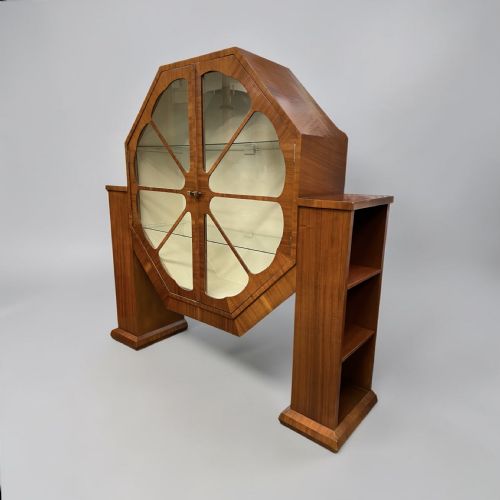
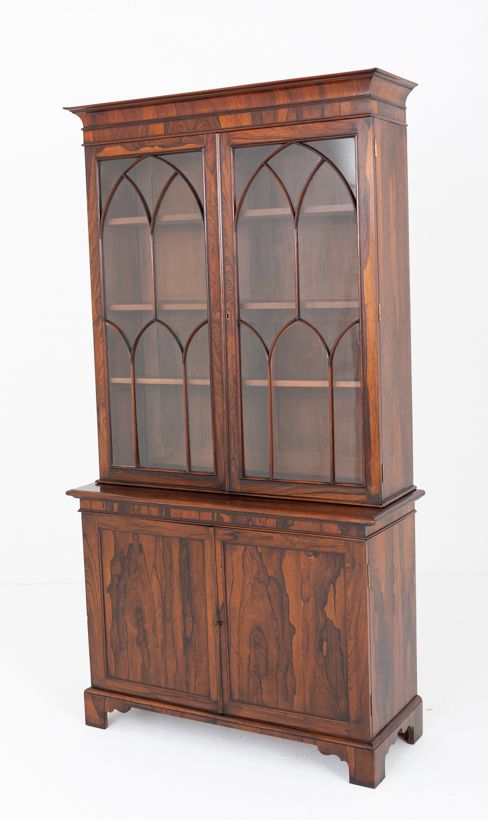
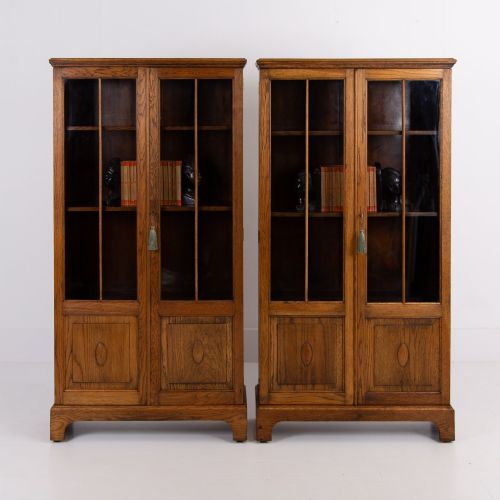
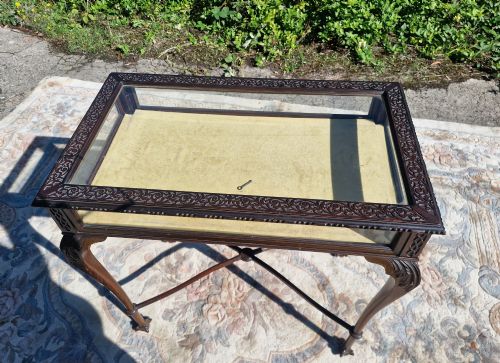
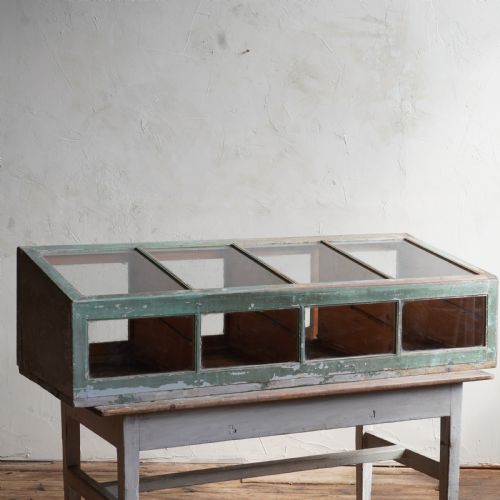
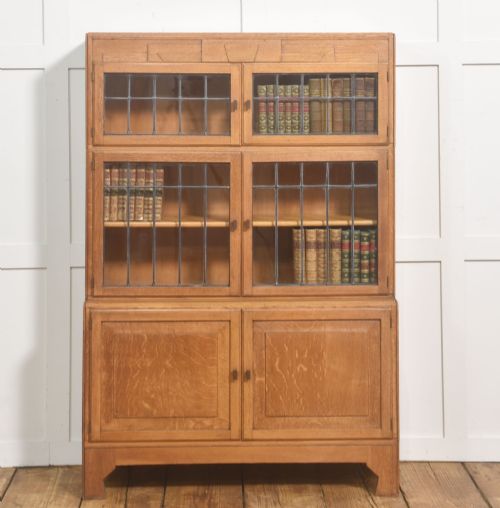
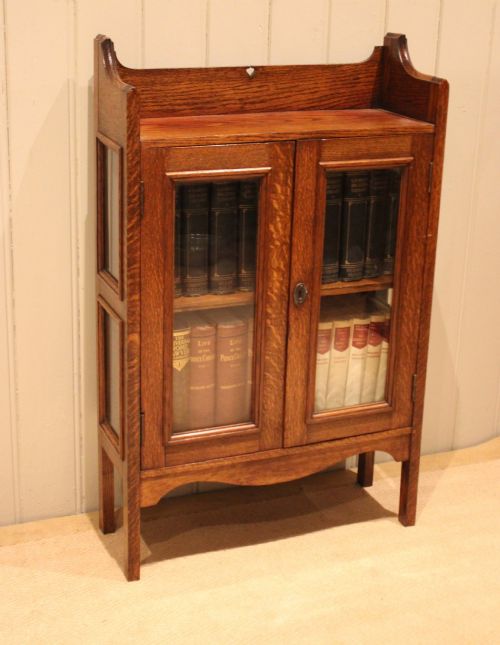
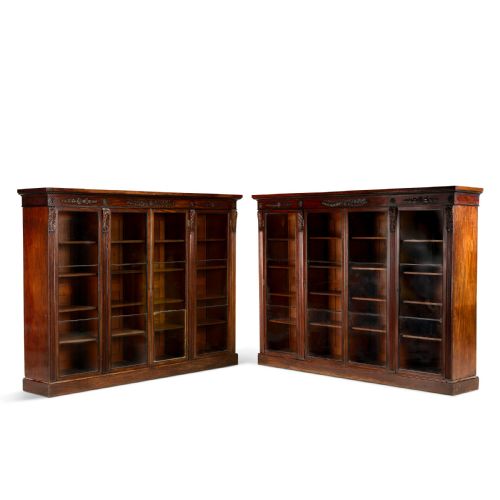
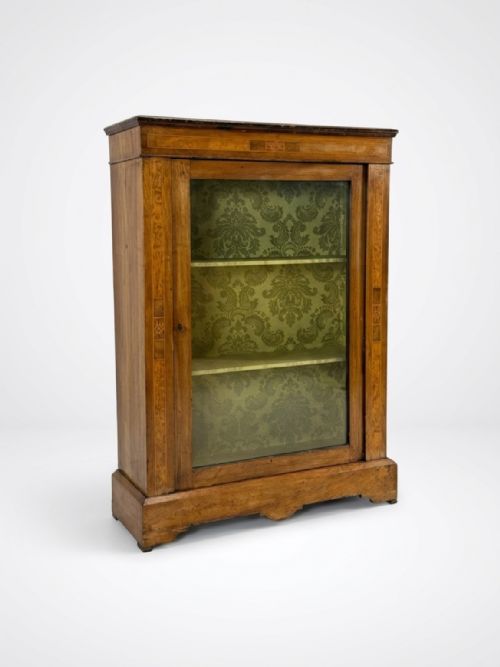
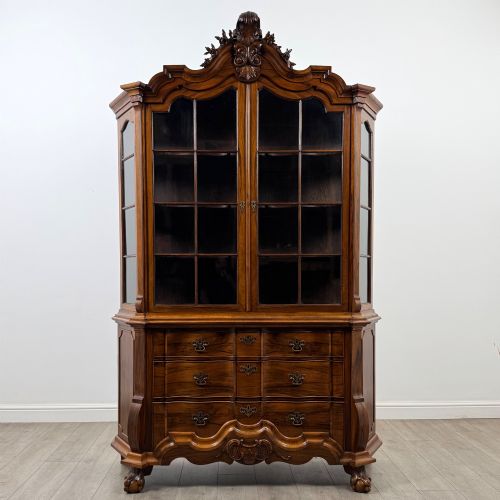
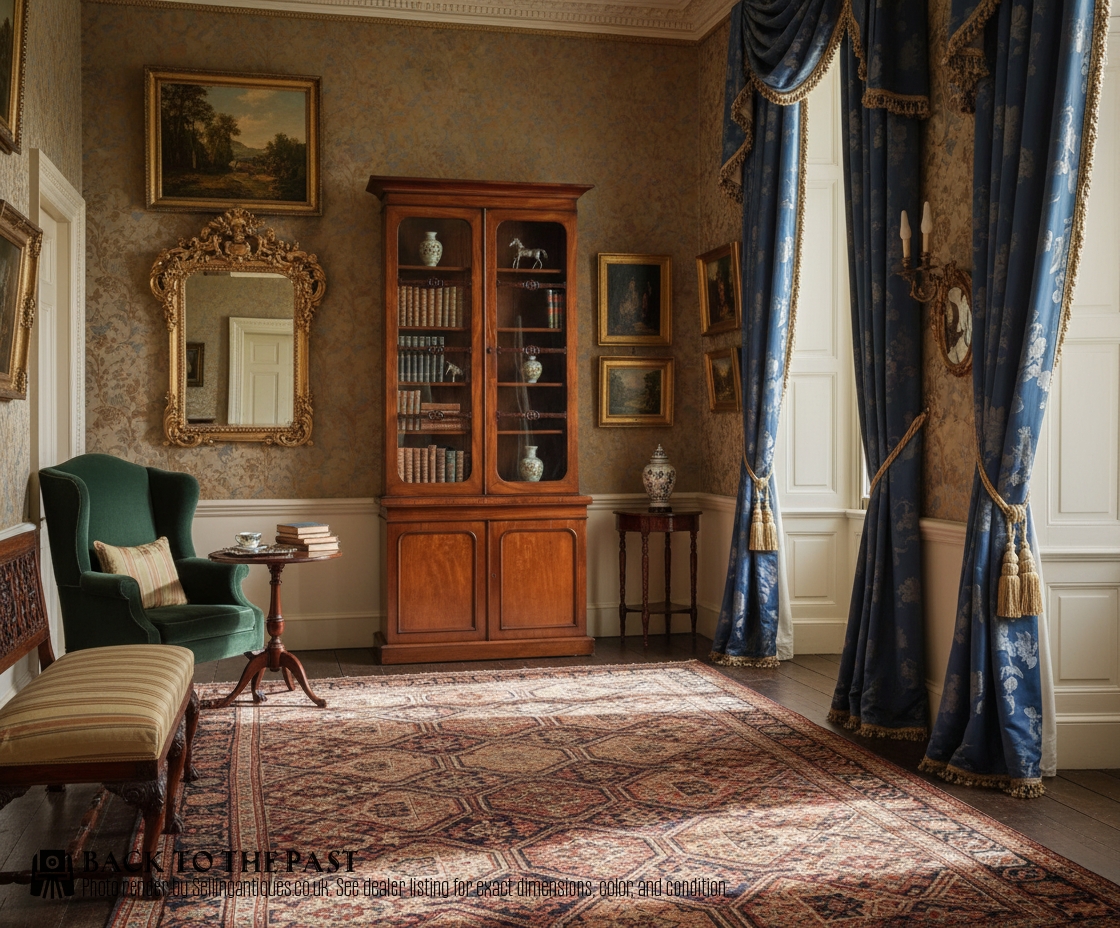
A vintage glazed display case is a cabinet designed specifically to showcase ornaments, books, and collections behind glass panels. These pieces turn storage into a decorative feature within a room, keeping items safe from daily wear while remaining fully visible.
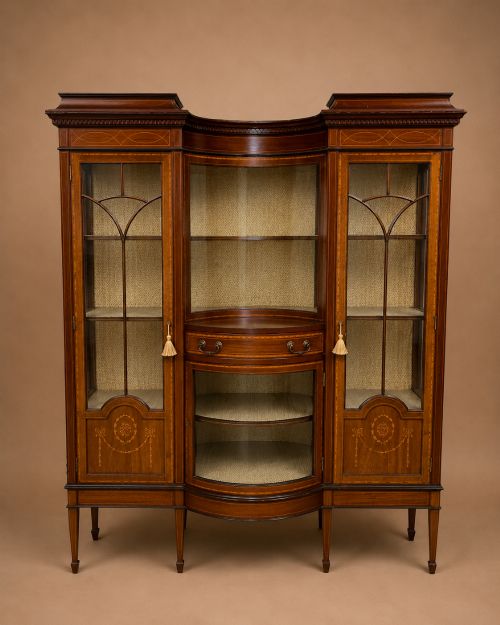
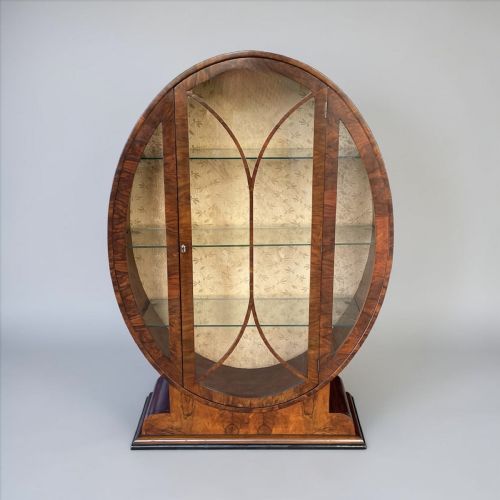
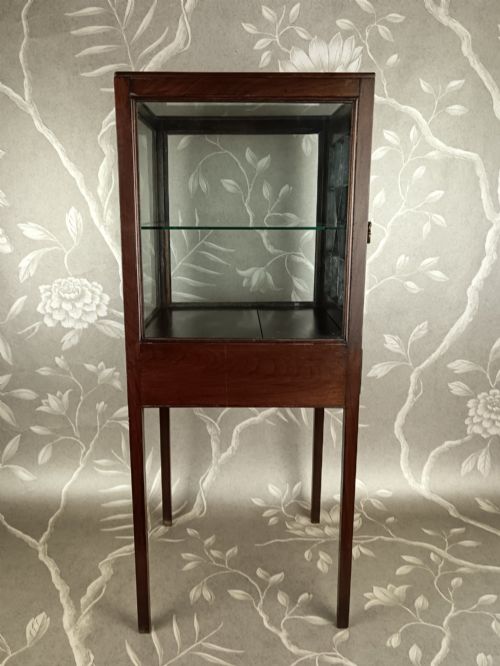
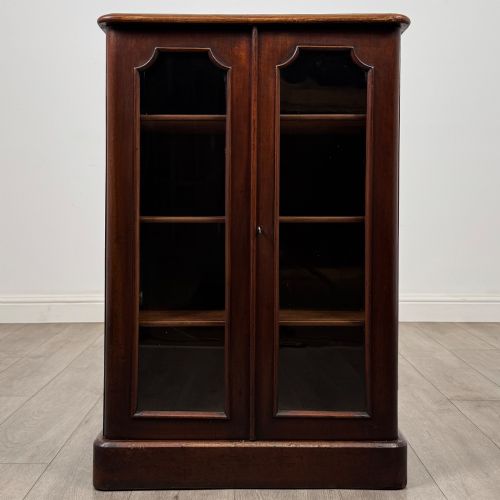
The selections available here span several distinct periods including the nineteenth century, Edwardian era, and the nineteen-thirties. Formats vary from freestanding pedestals and serpentine shapes to narrow bookcases and corner cabinets, drawing on revival styles like Chippendale, Sheraton, and Queen Anne alongside Art Deco.
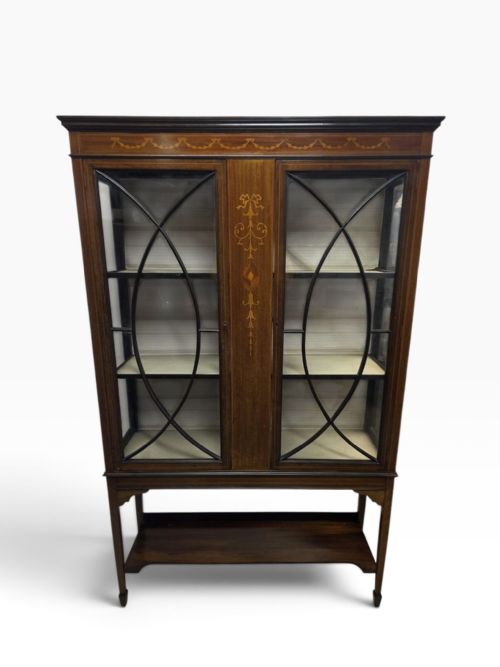
Mahogany and walnut form the backbone of these pieces, often enriched with satinwood inlay or burr walnut figuring. Buyers frequently encounter Edwardian mahogany cabinets and nineteenth-century designs featuring glazed doors and canted sides.
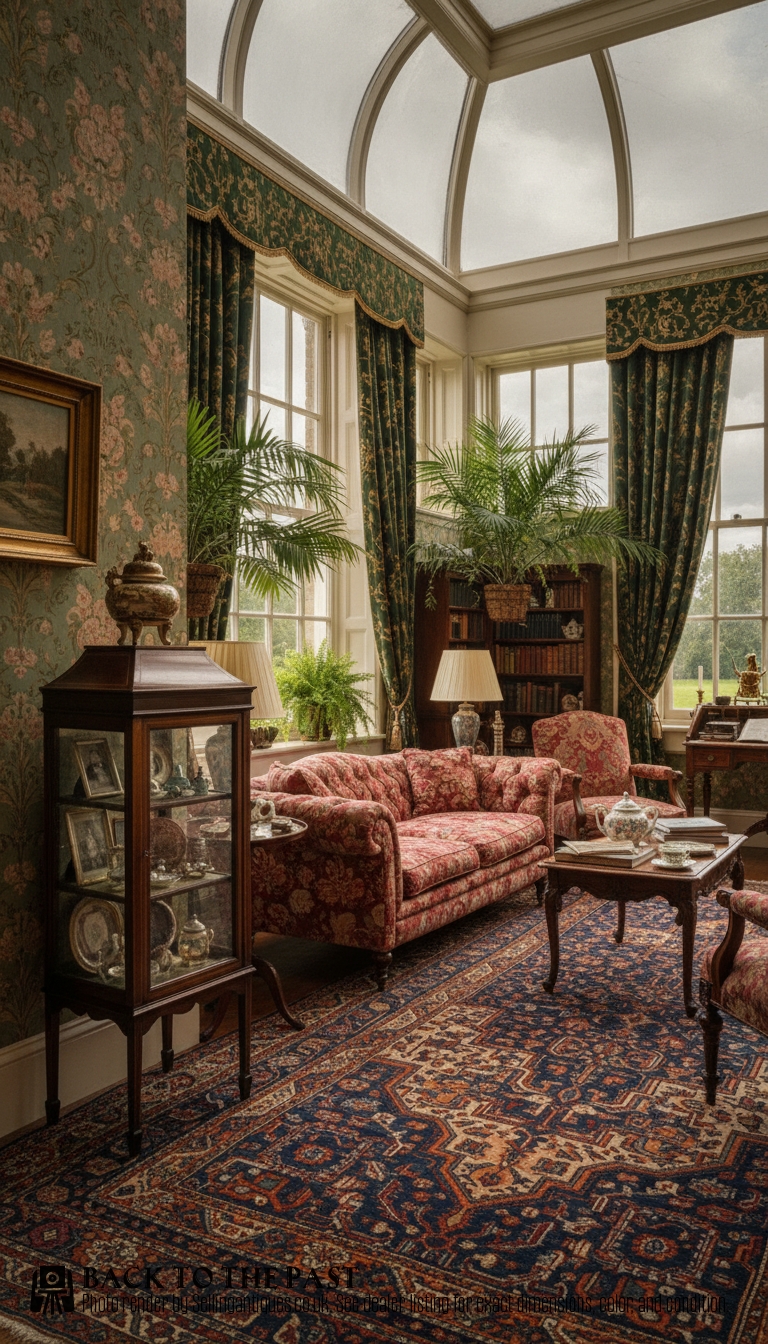
How they were made
Cabinet makers utilised dense hardwoods such as mahogany and walnut, frequently selecting figured veneers and burr walnut for visual depth. Details like brass hardware and fabric-lined interiors completed the construction of these glazed cabinets.
Joinery techniques matched the revival styles of the periods, incorporating inlaid stringing, serpentine curves, and canted sides. Glass panels were fitted securely into wooden frames to form single or double doors, creating transparent enclosures for display.
Retail Price Guide 2026
Typical UK retail prices for vintage glazed display case, calculated from the Sellingantiques database of over a million retail prices indexed since 2003. This retail price guide relies exclusively on Sellingantiques data; no external sources or auction records are used, so the figures do not describe the wider market.
Current listings feature glazed display cases spanning from the nineteenth century through the Edwardian period up to nineteen-thirty.
What varies in quality
Quality rests in the choice of timber and the precision of the cabinetwork, from figured walnut veneers to delicate mahogany inlay. Pieces showing thoughtful proportions and careful attention to grain patterns stand apart from simpler utilitarian builds.
The refinement of the period style influences the overall character, whether through graceful serpentine fronts, canted sides, or well-executed revival details. Superior examples display a rich patina and warmth in the wood that develops over generations.

The Vintage Glazed Display Case Glossary
- Vitrine
- A glass-fronted cabinet designed for displaying fine porcelain, curiosities, or books. This term often applies to pedestal display cases.
- Canted sides
- Vertical corners that are cut away at an angle rather than meeting in a square ninety-degree joint. This technique softens the profile of a cabinet.
- Serpentine
- A shaped furniture front featuring a concave centre flanked by two convex ends, or the reverse. It creates a gentle, undulating line.
- Inlay
- A decorative technique where contrasting woods or materials are set into the surface of a piece. Sheraton revival pieces often use this method for linear patterns.
Frequently Asked Questions
Where should I place a corner display cabinet?
A corner display cabinet fits neatly into unused angles of a room, making efficient use of space while drawing the eye upward.
These pieces work well in dining rooms or sitting rooms where floor space is at a premium.
How do I clean the glass on a vintage case?
Use a gentle glass cleaner applied to a cloth rather than directly onto the surface to protect surrounding wooden frames.
Regular dusting keeps the glass clear and prevents grime buildup on delicate glazing bars.
Can these cabinets hold heavy books?
Bookcases and cabinets built from solid mahogany or walnut offer sturdy shelving for heavy volumes.
It remains wise to check the internal shelf supports and construction of older pieces before loading them heavily.
What is burr walnut?
Burr walnut is a specialised wood veneer harvested from growth deformations on walnut trees, yielding highly swirled patterns.
Cabinet makers utilised this striking material on prominent surfaces like doors to catch the light.