

Brown Glass Cabinet
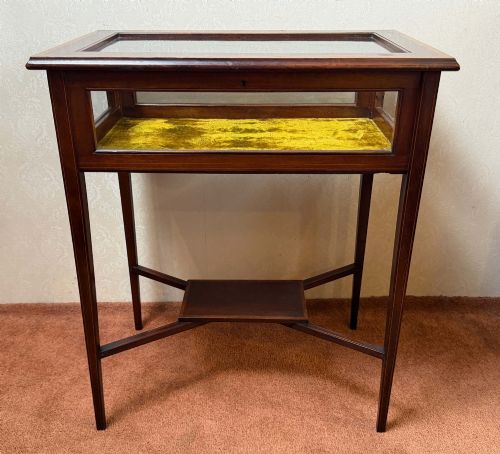
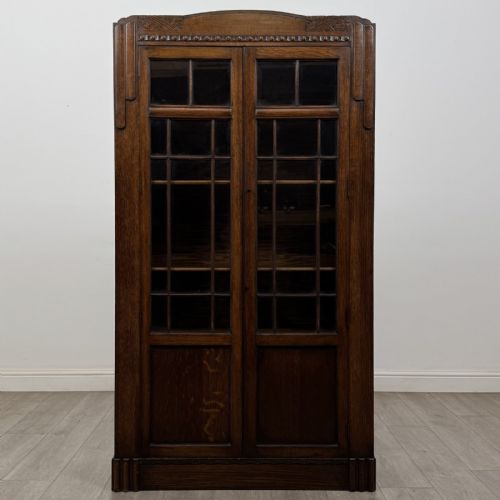
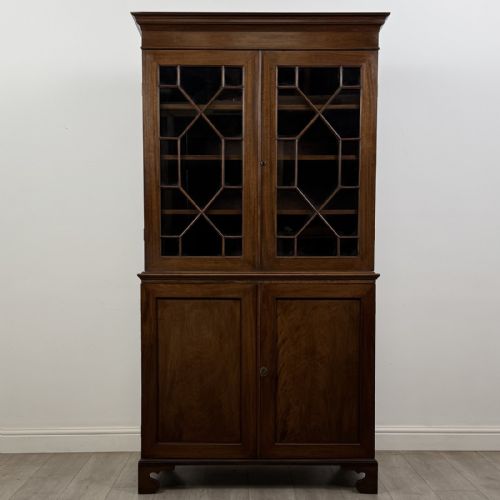
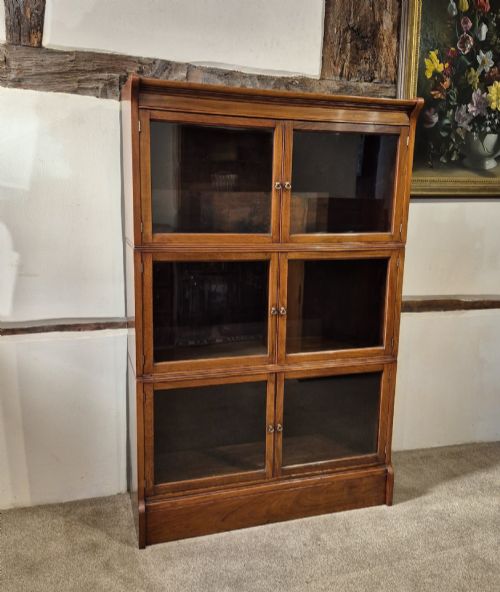
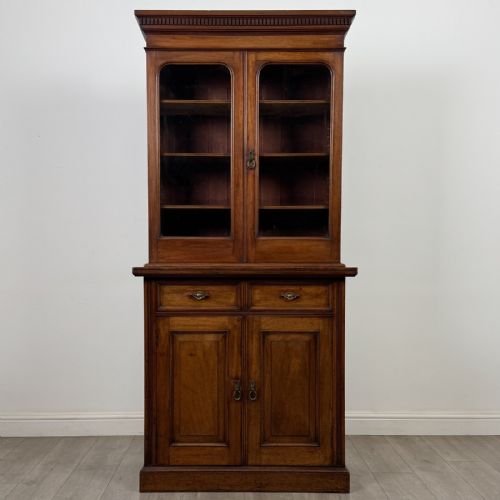
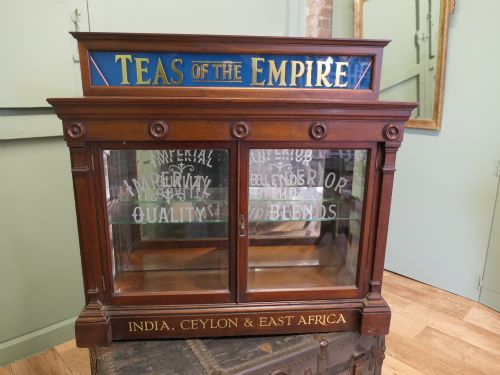
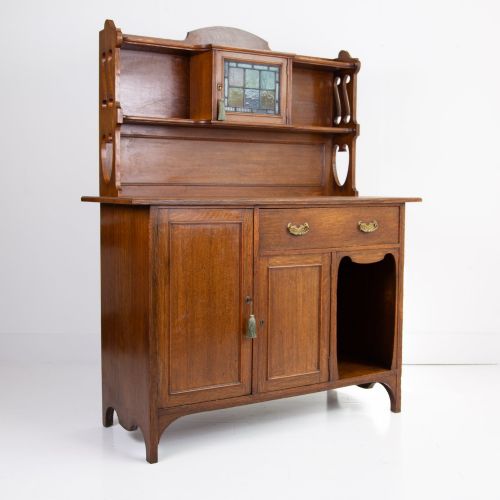
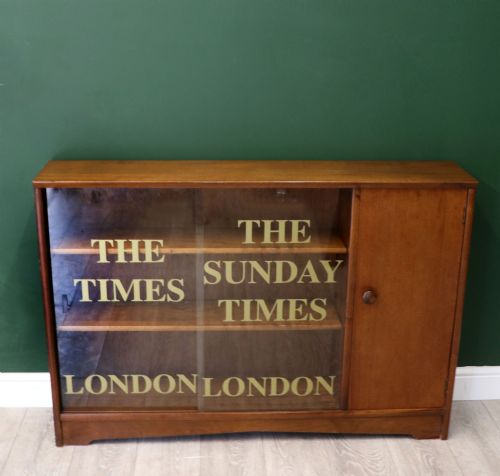
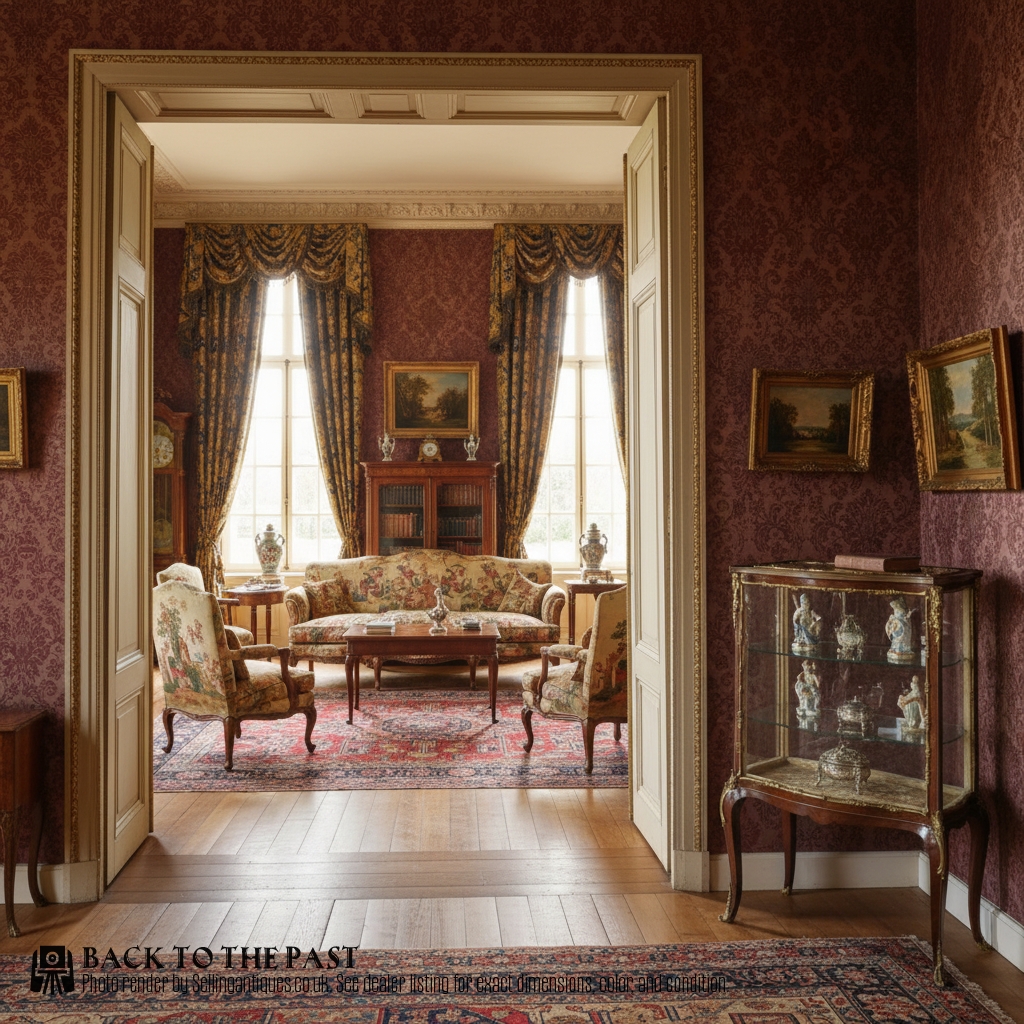
A brown glass cabinet brings warmth and visibility to a room, housing precious objects behind clear panels framed in rich timbers.

Brown Glass Cabinet
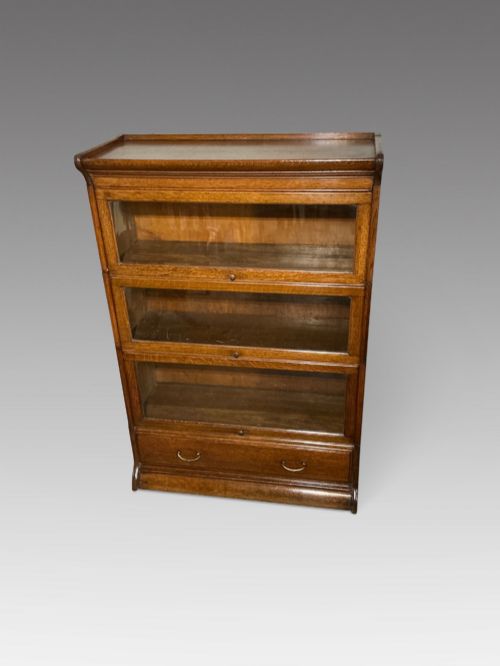
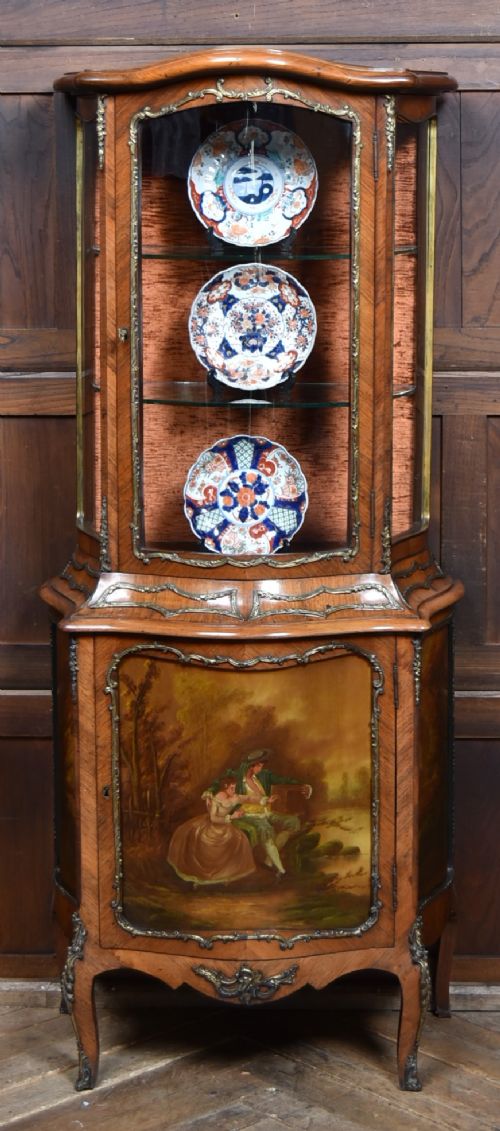
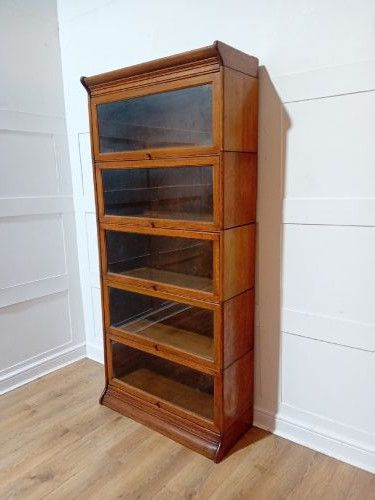
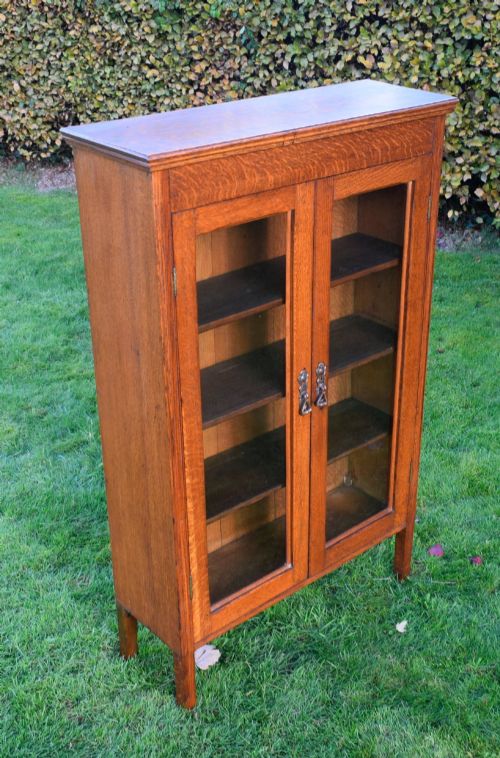
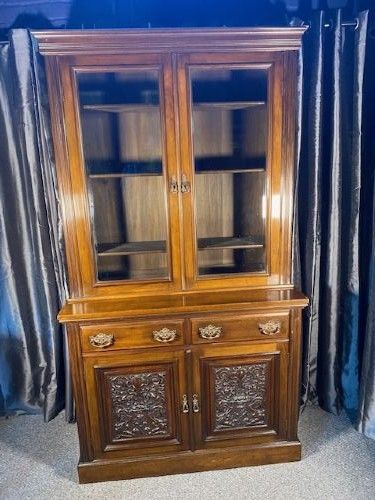
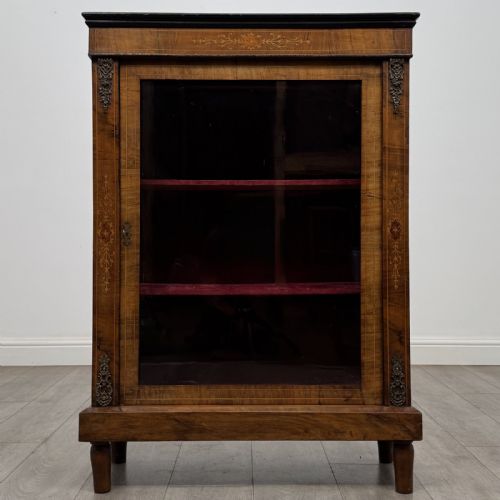
When you search for a brown glass cabinet, you encounter a variety of timber furniture designed to display and protect objects. These pieces range from compact pier cabinets and side cabinets to tall bookcases and breakfront display cabinets.
The selections span the Victorian, Edwardian, and Art Deco periods, alongside revival styles like Sheraton and Louis XV. Most examples rely on rich brown timbers such as mahogany, walnut, and oak to frame the glazed viewing areas.
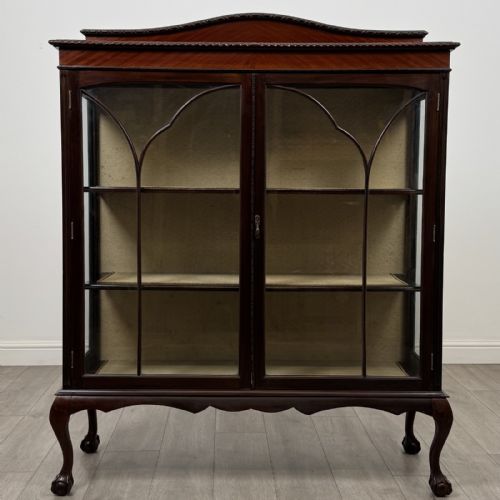
You frequently meet Edwardian mahogany display cabinets and Victorian burr walnut credenzas on this page. These pieces often feature glass doors or panels designed to showcase porcelain, books, and collections.

Materials and construction
Cabinet makers built these pieces using solid and veneered timbers including mahogany, walnut, and oak. Marquetry, stringing, and brass or ormolu mounts frequently enrich the exterior surfaces of the timber carcases.
Glass panels are set into glazed doors, astragal bars, or vitrine frames to allow light into the interior shelves. Structural integrity relied on traditional joinery, dovetail drawers, and fitted wooden backing boards.
Brown Glass Cabinet Retail Price Guide 2026
Typical asking prices for brown glass cabinet among the pieces listed under this phrase on Sellingantiques today, from the lower quarter to the upper quarter. They describe what is for sale here now, not the wider market.
The listings feature cabinets spanning from the nineteenth century through the Art Deco era, constructed primarily in mahogany, walnut, and oak.
Judging the quality
Quality rests upon the selection of timber figures, such as burr walnut or figured mahogany, and the precision of inlaid details. Superior pieces display harmonious proportions, crisp carving, and original brassware.
Finer cabinets incorporate meticulous glazing bars, hand-painted interior decoration, and robust internal shelving. The depth of the timber polish and the integrity of the original glass further distinguish better examples from standard production.
Globe Wernicke·Edwards & Roberts·Ambrose Heal for Heal & Son
The Brown Glass Cabinet Glossary
- Credenza
- A low sideboard or cabinet, frequently mounted with porcelain or ormolu during the Victorian period. It often includes central cupboards flanked by curved glass end cabinets.
- Astragal
- A small moulding used to divide panes of glass within a door or window. In these cabinets, wooden astragal bars form geometric patterns across the glazed sections.
- Pier cabinet
- A narrow cabinet built to fit the wall space between windows. These pieces usually feature a single glazed door and flat sides.
- Marquetry
- Decorative veneer work formed by fitting pieces of various coloured woods together to create pictorial or geometric designs. It appears frequently on walnut and mahogany cabinet surfaces.
Brown Glass Cabinet: Frequently Asked Questions
What is a brown glass cabinet used for?
These cabinets were originally built to display prized collections of ceramics, glassware, and leather-bound books while protecting them from dust. Today, they serve the same purpose in domestic interiors, offering a clear view of decorative objects.
The enclosed shelving keeps delicate items safe from daily wear while integrating natural wood tones into the room.
How do I care for the timber?
Maintain the wood by dusting regularly with a dry cloth and applying appropriate beeswax periodically to nourish the surface. Avoid placing timber furniture in direct sunlight or near heat sources to prevent the wood from drying out.
Keep the glass clean using standard glass cleaner applied to a cloth rather than sprayed directly, protecting the surrounding wood frame.
How do I identify a Victorian piece?
Victorian cabinets often feature dense timbers like burr walnut or dark mahogany, frequently embellished with intricate marquetry, brass mounts, or inlaid porcelain plaques. Construction details include heavy carcases and traditional hand-cut joinery.
Looking inside reveals secondary woods like oak or pine, alongside hand-finished backboards typical of nineteenth-century workshop production.
Are Edwardian cabinets different?
Edwardian examples tend to be lighter in appearance, often using satinwood banding and delicate stringing on mahogany or oak surfaces. They frequently reflect revival tastes such as the Sheraton style.
The overall construction prioritises refined elegance and lighter proportions compared to heavier Victorian counterparts.