



Vintage Glass Display Case
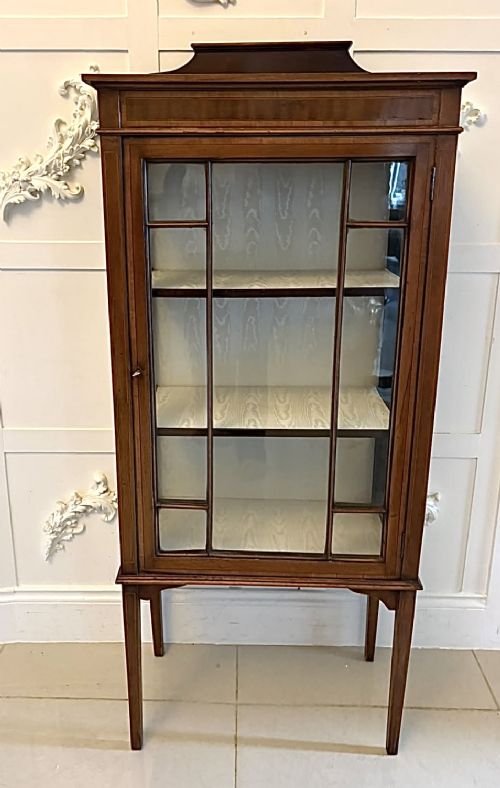
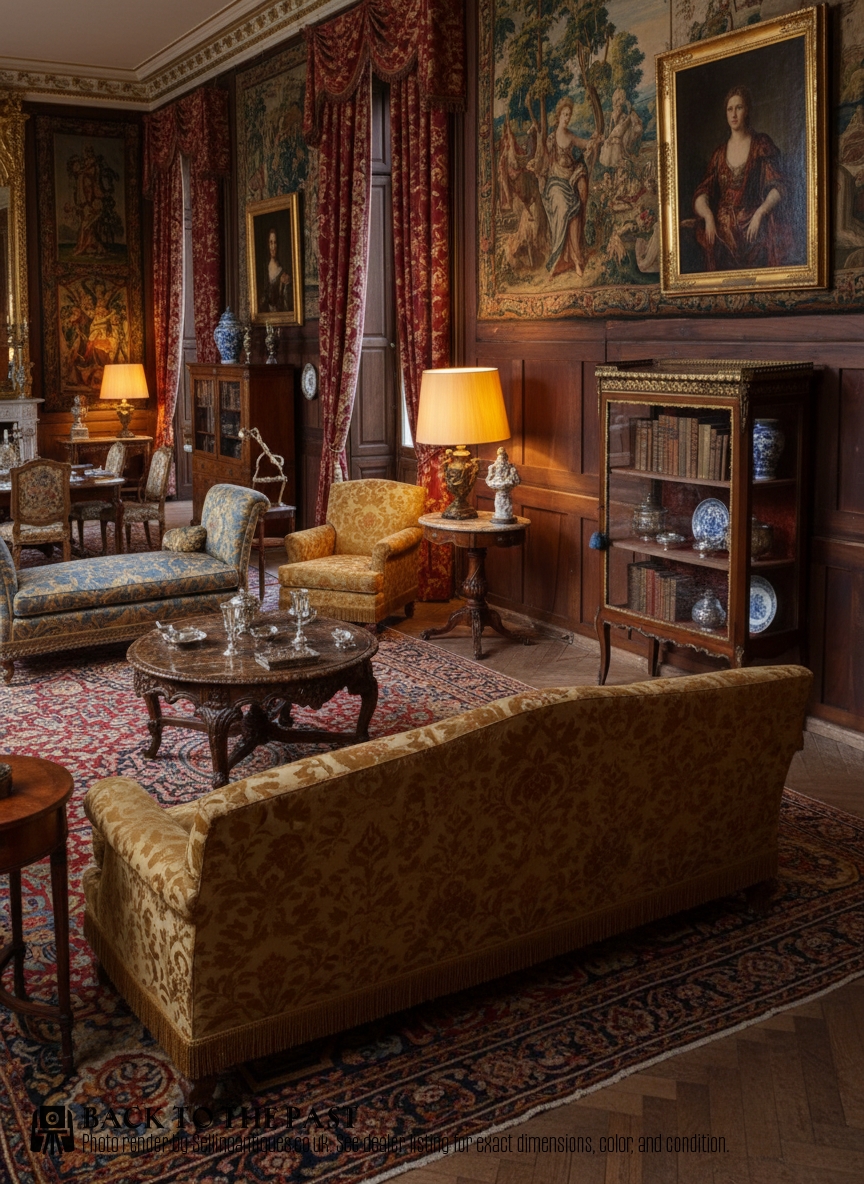
A vintage glass display case houses prized possessions behind clear panes, bringing period craftsmanship directly into modern rooms.
Vintage Glass Display Case
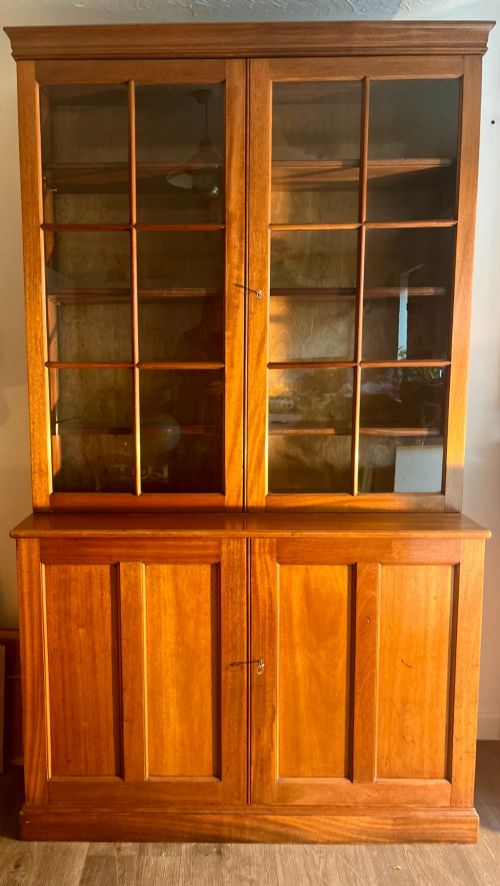
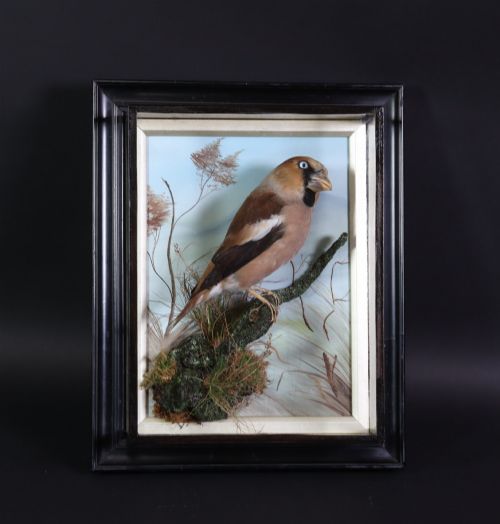
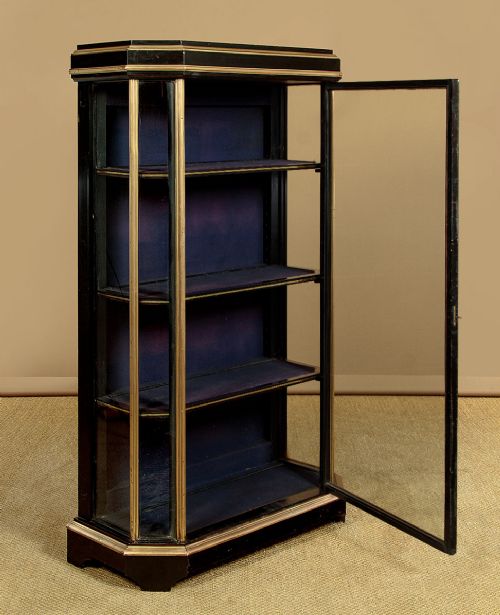
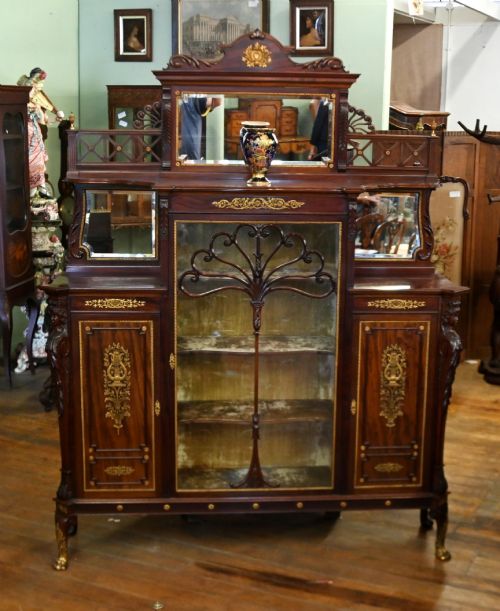
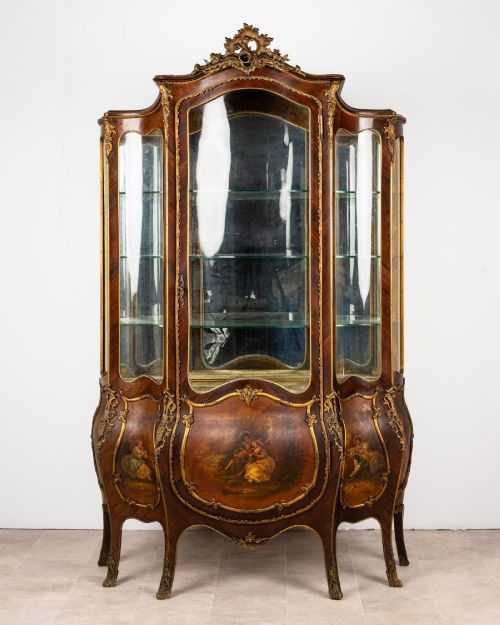
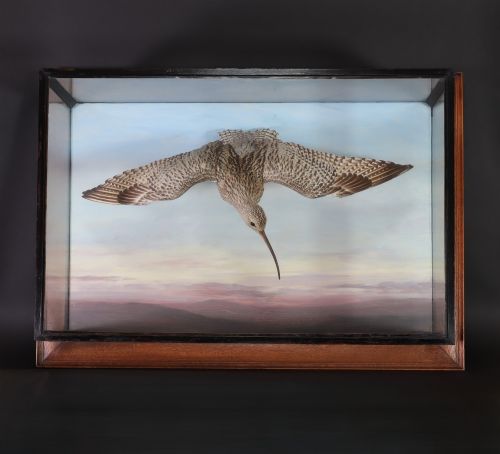
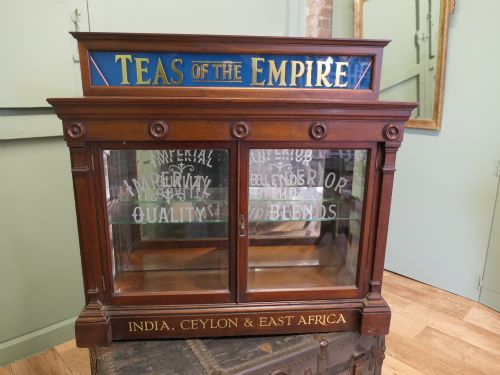
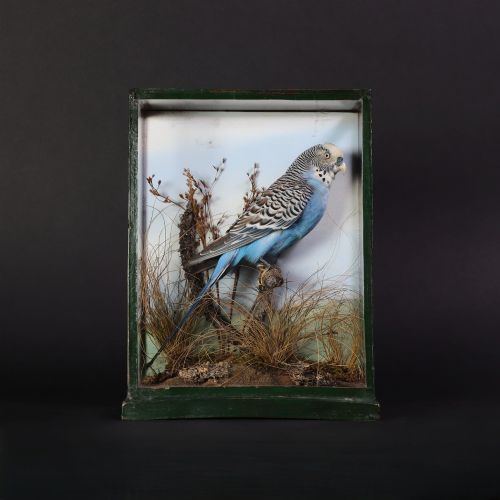
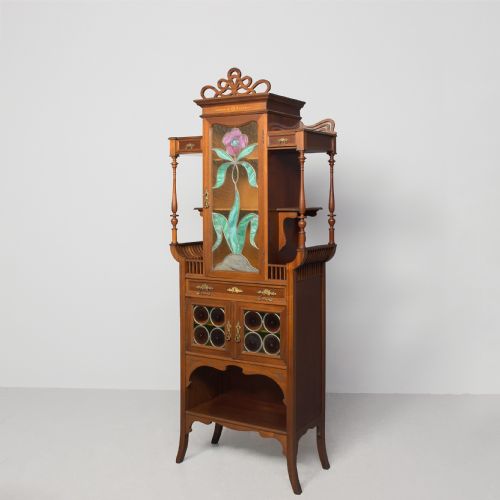
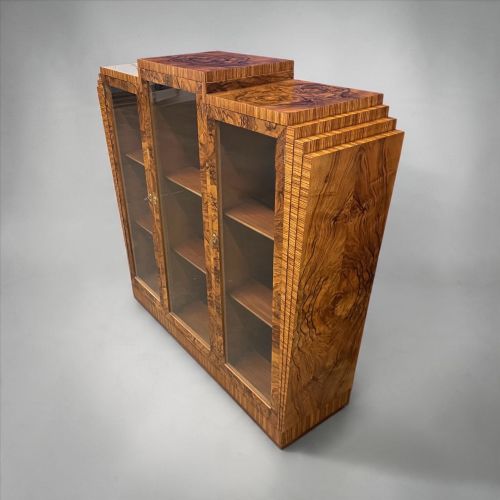
A vintage glass display case spans several distinctive forms, including tall freestanding shop units, delicate Edwardian satinwood cabinets, countertop containers, and low bijouterie display tables. Buyers searching this phrase most frequently encounter mahogany and oak pieces dating from the Victorian, Edwardian, and Art Deco periods, alongside specialised items housing taxidermy or ship models.
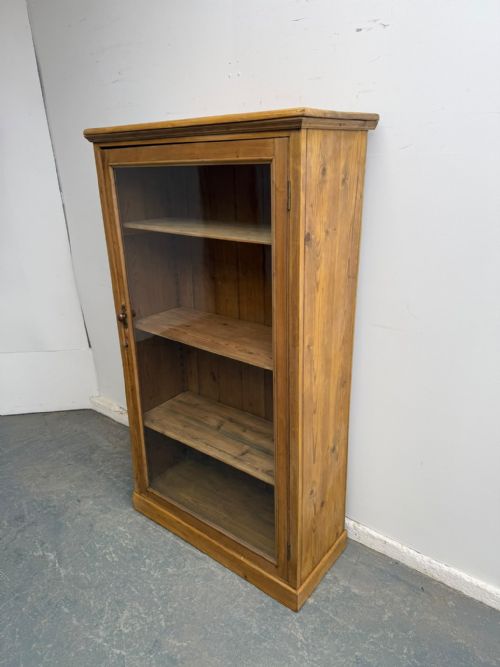
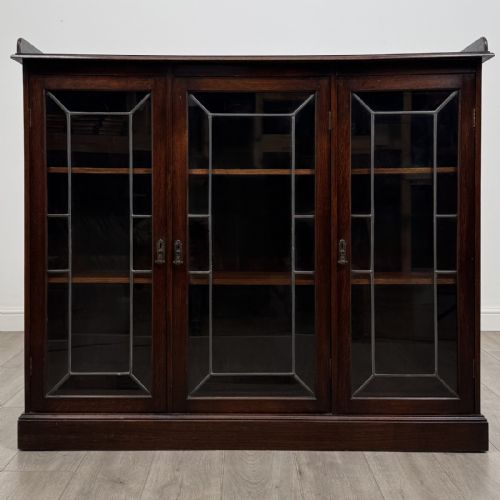
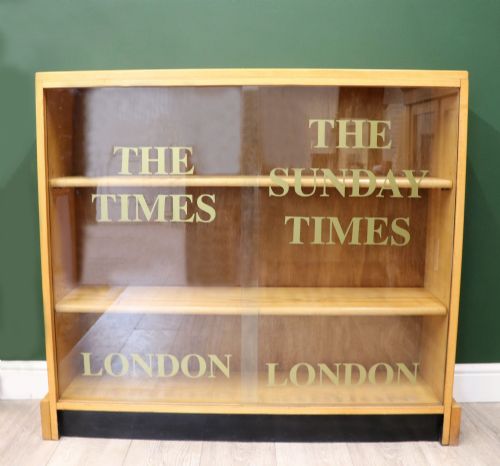
Structural designs range from bow-fronted and corner cabinets to glazed bookcases and serving carts, often reflecting Sheraton Revival or Georgian influences. Many items originate from commercial environments, such as shop display cabinets fitted with adjustable glass shelves, while others serve domestic roles in sitting rooms and hallways.
Enclosures also appear as domes, cloches, and specialised preservation boxes complete with bevelled glass or painted backdrops. These versatile containers protect delicate objects from dust while maintaining a clear view from every angle.
Materials and construction
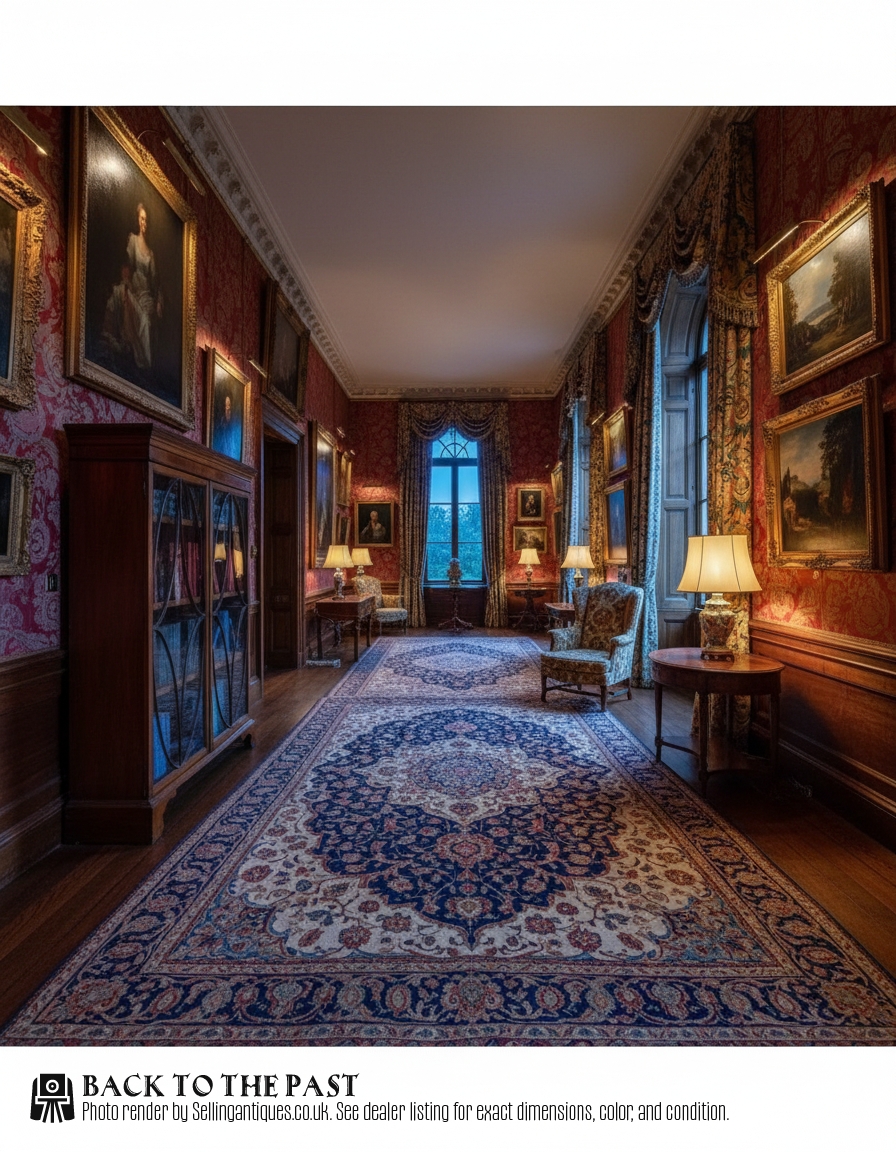
Makers utilised timber frames constructed primarily from mahogany, oak, walnut, and satinwood, frequently enhanced with intricate inlay work or burr veneers. Structural integrity relied on traditional joinery, supported by brass hardware and fabric-lined interiors.
Transparent enclosures depend on heavy glass panes, sometimes leaded or bevelled, secured within hinged doors and tabletop lids. Shop variations incorporate adjustable shelving systems to accommodate merchandise of varying heights.
Vintage Glass Display Case Retail Price Guide 2026
Typical asking prices for vintage glass display case among the pieces listed under this phrase on Sellingantiques today, from the lower quarter to the upper quarter. They describe what is for sale here now, not the wider market.
Listings feature oak, mahogany, walnut, and satinwood across Victorian, Edwardian, and Art Deco periods.
Distinguishing quality
Quality rests in the precision of the timber framing, the clarity and weight of the glass panels, and the subtlety of decorative inlays. Finer examples display well-figured grain, balanced proportions, and intact brass fittings that operate smoothly.
Commercial items show their pedigree through robust construction designed for heavy daily use, while domestic furniture prioritises refined details like satinwood banding and carved mouldings.
F. Sage & Co·Little & Co·T. E. Gunn
The Vintage Glass Display Case Glossary
- Vitrine
- A glass-fronted cabinet or display case designed specifically for showing porcelain, curiosities, or fine objects. These pieces often feature glazed sides to maximise light penetration.
- Bijouterie table
- A shallow glass-topped display table intended for smaller valuables, jewellery, and personal ornaments. The hinged top allows direct access to the velvet or fabric-lined interior.
- Cloche
- A bell-shaped glass cover used to protect delicate items, models, or botanical specimens. It sits directly on a wooden or fabric-covered base.
- Barograph
- A meteorological instrument housed in a wooden case with bevelled glass panels that records atmospheric pressure on a paper chart. They often incorporate thermometers and accessory drawers.
- Inlay
- A decorative technique where contrasting woods or metals are inserted into depressions within the primary timber surface. Sheraton Revival pieces frequently employ this method for linear borders.
Vintage Glass Display Case: Frequently Asked Questions
How do I clean the glass safely?
Use a soft microfiber cloth and a mild glass cleaning solution sprayed directly onto the cloth rather than the cabinet. This prevents moisture from seeping into aged wooden frames or damaging delicate interior fabrics.
Take care around brass hinges and painted surfaces to avoid chemical tarnishing or accidental abrasion.
Can shelves be adjusted?
Many shop display cabinets and bookcases feature adjustable shelving systems supported by metal clips or wooden notches. This allows the internal height to be altered for different objects.
Domestic vitrines and older corner cabinets often have fixed wooden or glass shelves that cannot be moved.
What items fit inside?
These enclosures suit ceramics, glassware, books, taxidermy, ship models, and small collectibles. Taller freestanding models accommodate larger collections, while countertop cases display compact curiosities.
Tabletop bijouterie pieces work best for flat ornaments, medals, and jewellery.
How do I date a cabinet?
Dating relies on timber choices, construction methods, and stylistic cues such as Edwardian inlay or Art Deco geometry. Maker stamps, brass labels, and accompanying historical documentation also provide reliable age indicators.
Comparing hardware styles against known period standards helps narrow down the decade of manufacture.