






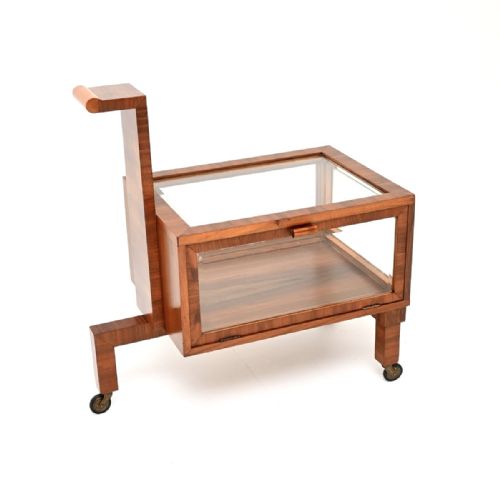


Vintage Glass Showcase
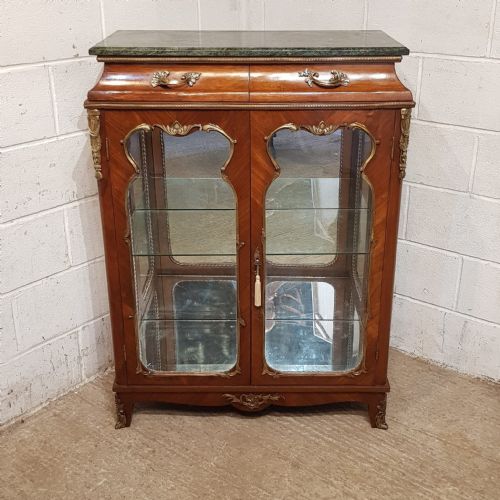
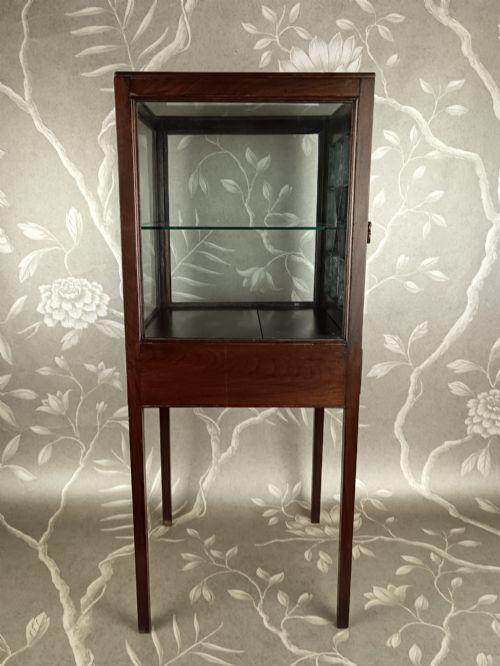
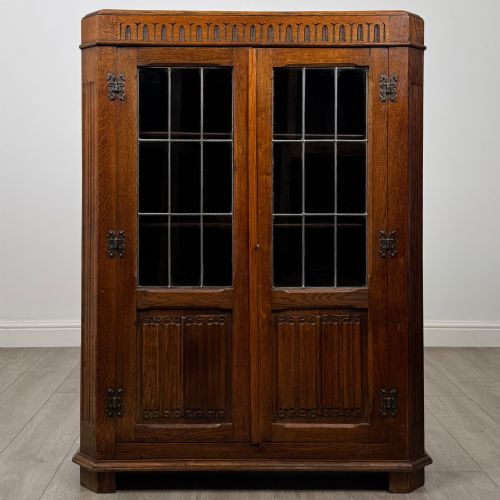
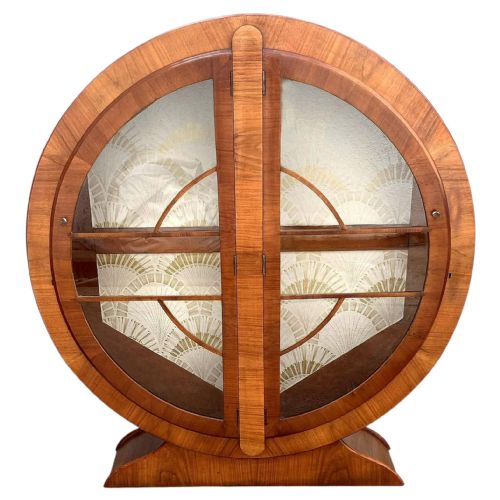
These vintage glass showcase pieces combine clear panels and timber frames to protect and present objects, ranging from compact table cases to large shop counters.
Vintage Glass Showcase
A vintage glass showcase serves to display objects while keeping them safe from dust and handling. The pieces on this page stem primarily from the Victorian and Edwardian eras, alongside the 1920s and 1930s.
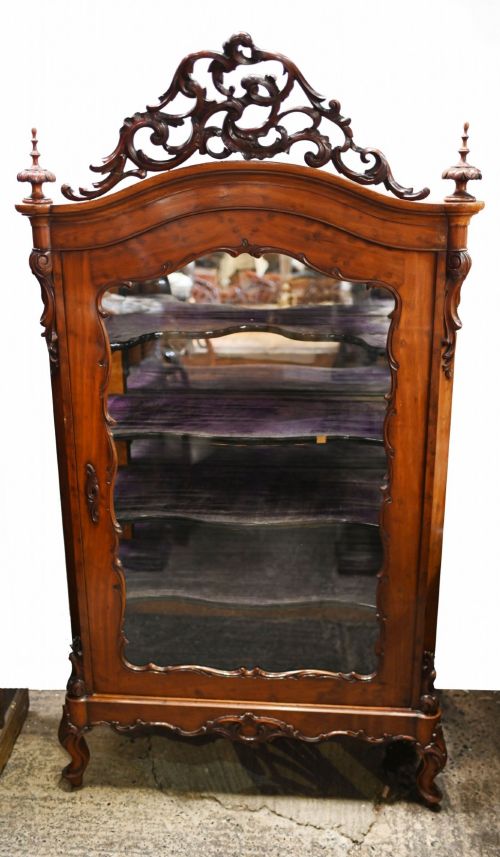
Buyers encounter forms varying from countertop cabinets and tall freestanding shop fittings to wall-mounted cases and specialised vitrines. Many originate from commercial retail settings or domestic drawing rooms of the nineteenth and early twentieth centuries.
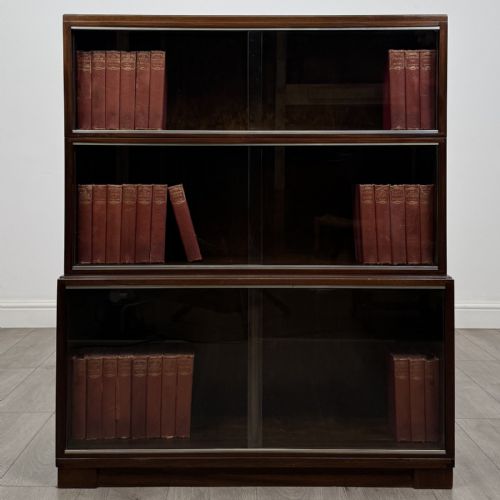
Mahogany and oak dominate the timber structures, often paired with extensive glazing to maximise visibility. Some examples incorporate mirrors at the back to reflect light through the stored items.
How they were made
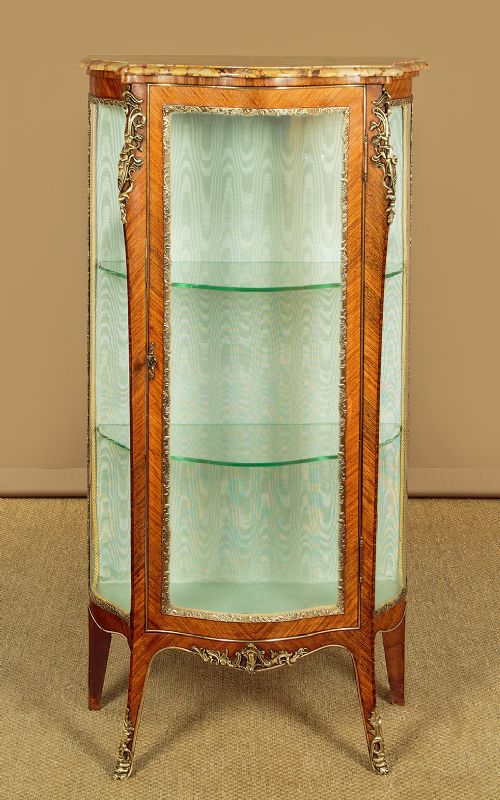
Cabinet makers joined solid timbers like mahogany, oak, and walnut using traditional joinery methods to build sturdy frames capable of supporting heavy glass panels. Brass, chrome, and gilt metal mounts frequently provide structural reinforcement and decorative framing.
Interiors often feature adjustable glass shelves and fabric linings such as velvet. Selected pieces utilise specialised shapes like bow ends, pentagonal layouts, or circular designs formed by skilled woodworking techniques.
Vintage Glass Showcase Retail Price Guide 2026
Typical asking prices for vintage glass showcase among the pieces listed under this phrase on Sellingantiques today, from the lower quarter to the upper quarter. They describe what is for sale here now, not the wider market.
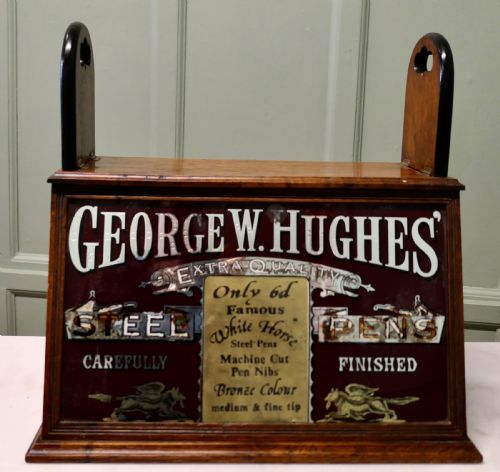
One surviving cabinet bears hand sign-writing identifying its former life inside a nineteenth-century gunsmith shop.
What varies in quality
Quality rests in the precision of the timber framing, the integrity of the glazing bars, and the finish of the woodwork, whether plain polished grain or delicate floral marquetry inlay. Maker attribution also plays a role, with established commercial suppliers providing distinct standards of construction.
The sophistication of the hardware distinguishes ordinary utilitarian shop counters from refined domestic vitrines. Well-balanced proportions and original glass components indicate superior design.
F. Sage & Co·Dudley & Co·Rurka
The Vintage Glass Showcase Glossary
- Vitrine
- A glass display cabinet used primarily for ceramics and ornaments. These pieces typically feature glazed sides and doors.
- Haberdashery counter
- A commercial shop display unit fitted with multiple drawers or glass compartments. Retailers utilised them to present small dry goods.
- Display dome
- A blown glass cover mounted on a base to protect delicate items like taxidermy. They keep dust away while permitting uninterrupted viewing.
- Marquetry
- Decorative woodwork pattern formed by fitted pieces of veneer. Craftsmen applied these designs to cabinet surfaces.
- Bijouterie table
- A glass-topped table designed for displaying small valuables and jewellery. They often stand on slender legs with hinged glazed lids.
Vintage Glass Showcase: Frequently Asked Questions
How do I choose the right size?
Measure your floor space or countertop carefully before selecting a cabinet. Tall freestanding models suit larger rooms, whilst countertop versions fit smaller spaces.
Consider the depth of the shelves in relation to the items you plan to display inside.
Were these cabinets used in shops?
Many examples originate from commercial environments such as gunsmiths, outfitters, and general stores. Retailers employed them to merchandise goods securely.
Other pieces were built exclusively for domestic drawing rooms to hold personal collections.
How do I clean the glass shelves?
Remove adjustable glass shelves carefully to clean them on a flat, stable surface. Use a mild glass cleaner and a soft cloth to avoid scratching.
Take care around older timber frames and fabric linings when wiping down the interior.
How do I date an antique showcase?
Examine the timber species, construction joints, and hardware styles to determine the period. Edwardian and Victorian pieces often show distinct moulding profiles and wood finishes.
Maker marks or labels attached to the frame can also provide precise manufacturing dates.