
Standing Display Case
A standing display case brings order and light to a room, framing collections behind glass panels.
Standing Display Case
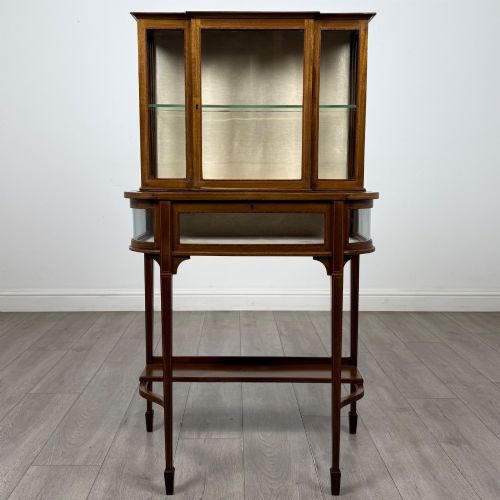
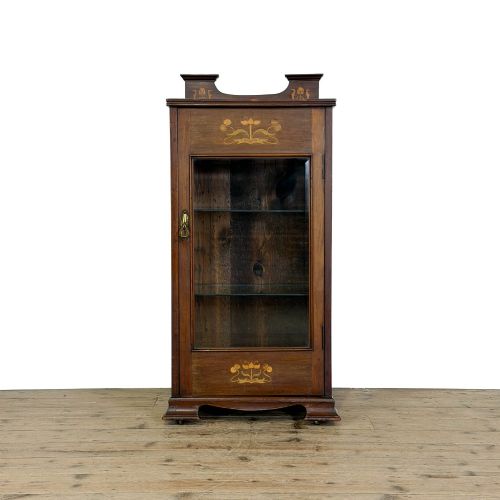
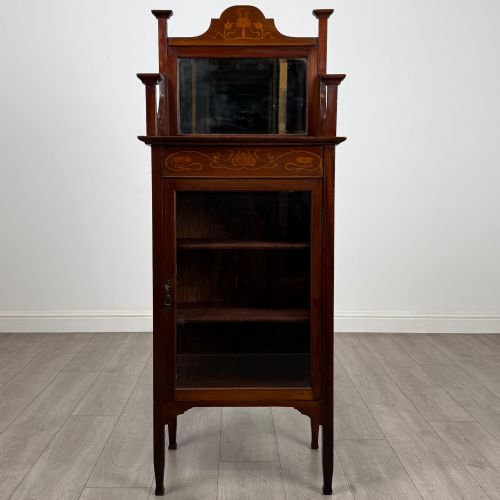
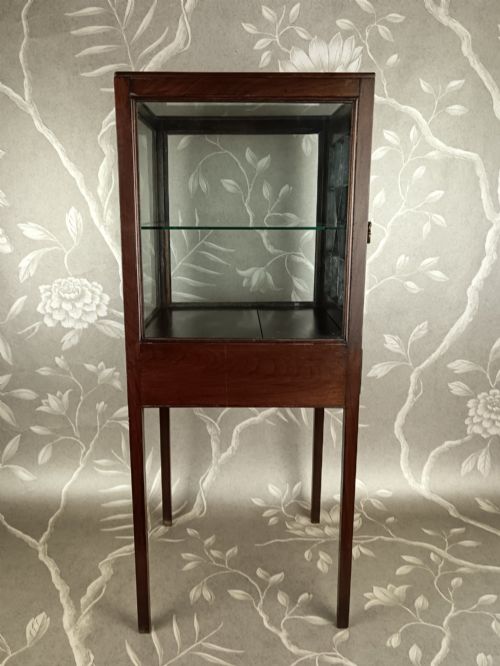
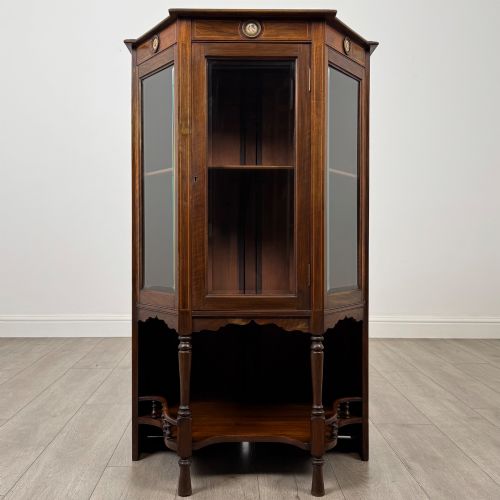
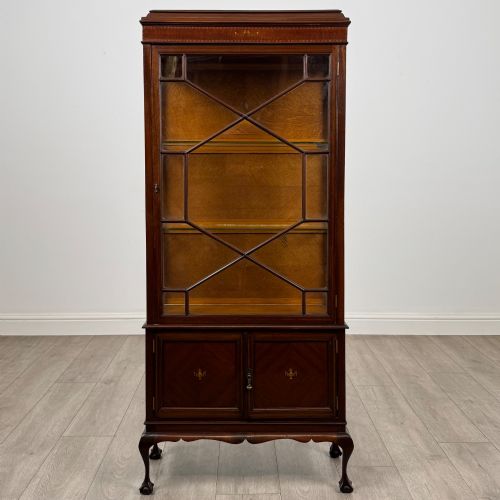
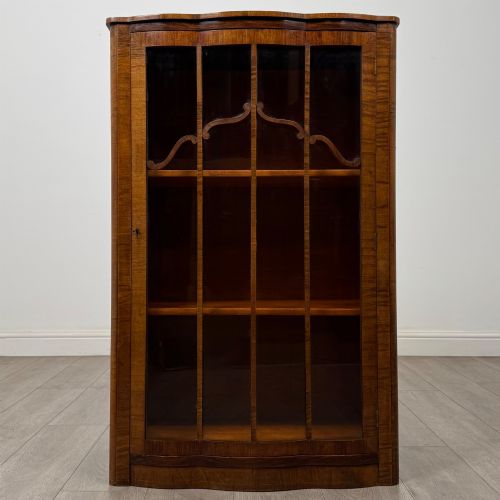
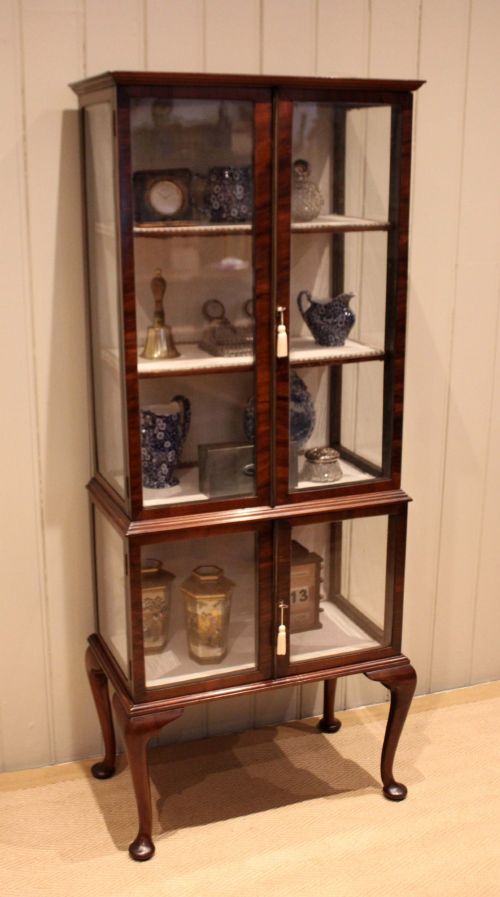
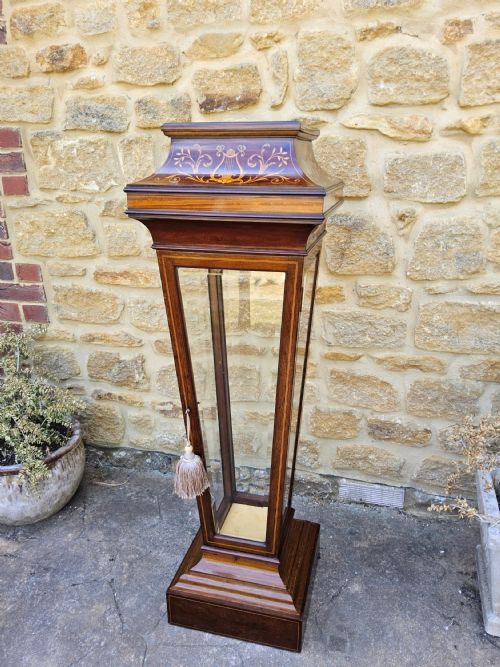
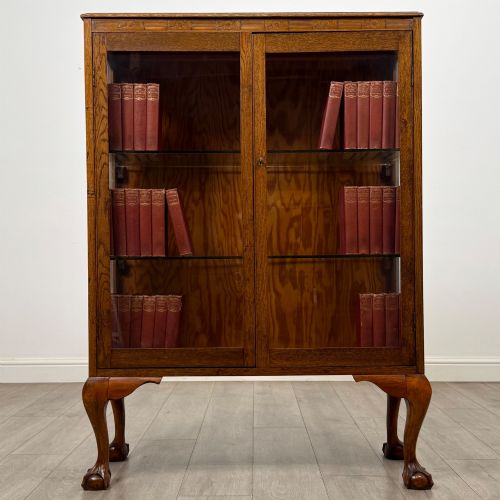
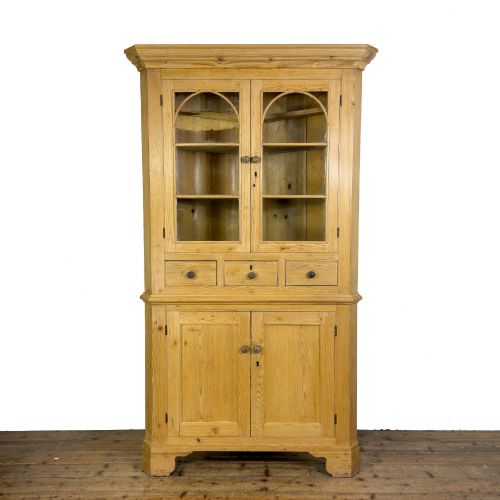
A standing display case is designed to hold and exhibit precious objects, books, or china upright on the floor. When searching for a standing display case, buyers encounter a range of forms, from tall corner units to flat-fronted cabinets and bookcases with glazed doors. These pieces serve to protect delicate contents from dust while keeping them in plain sight.
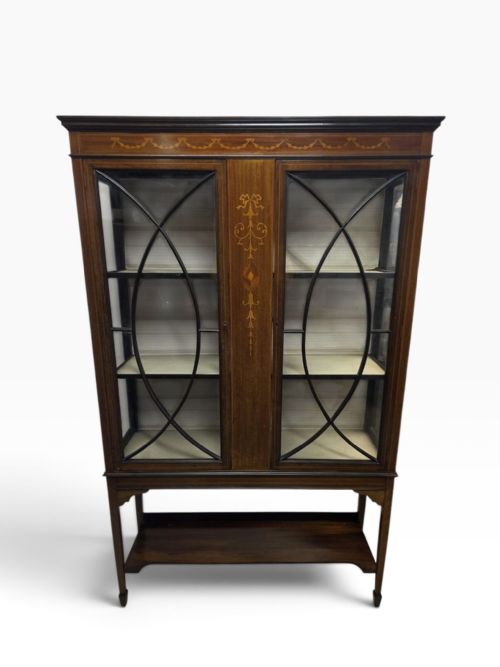
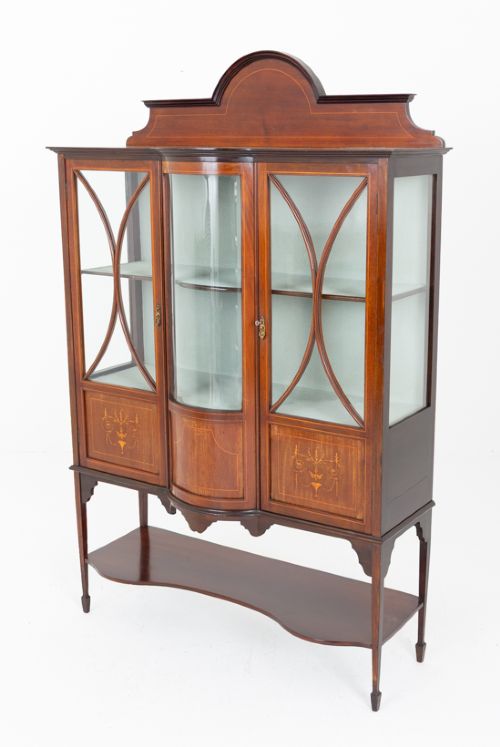
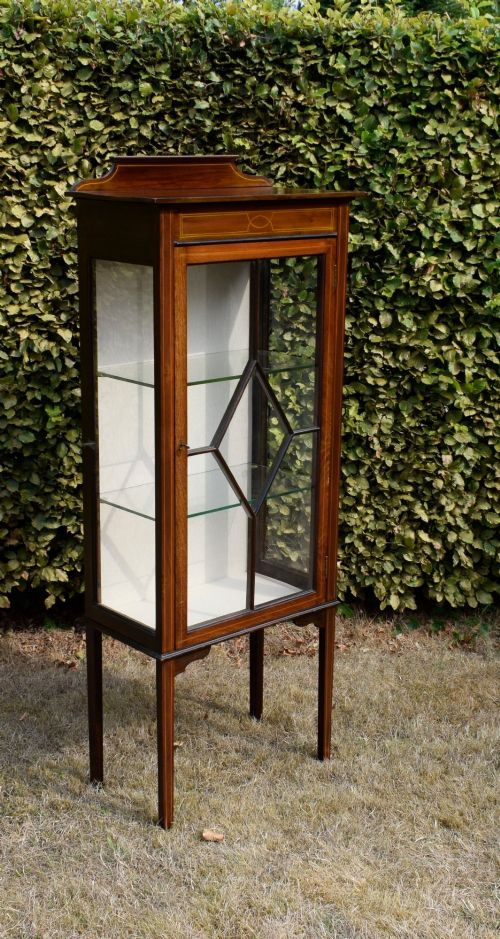
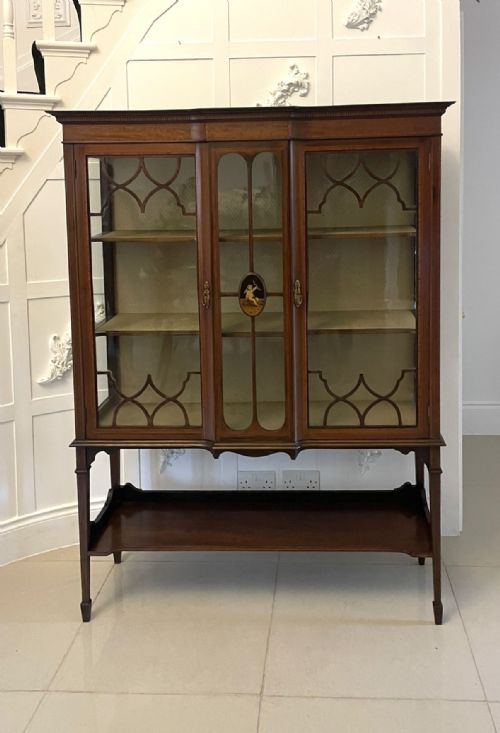
The versions most commonly met on this page date from the Edwardian era and the nineteenth century, built primarily in mahogany, walnut, and oak. Many examples incorporate glass panels on the sides as well as the front to let in maximum light. Styles span from simple Edwardian and Victorian frameworks to revival designs influenced by Georgian and Sheraton aesthetics.
Makers and workshops of the past constructed these cabinets to stand independently against a wall or fit neatly into a corner. Interior shelves of wood or glass support the display of items, sometimes supplemented by lower cupboards for concealed storage. The structural design prioritises visibility, turning functional storage into a central decorative feature of the room.
How they were made
Cabinet makers relied heavily on mahogany, walnut, and oak as the structural timbers for these cases, often selecting figured veneers to create visual depth on the flat surfaces. Satinwood inlay provided delicate contrast, tracing geometric lines or floral motifs around the borders of doors and panels. Brass hardware, including hinges and locks, secured the glazed doors while adding subtle metallic accents to the exterior.
Glass production techniques allowed for large, clear panes to be set into wooden frames, held securely with internal glazing bars or mouldings. In more ornate pieces, marquetry and ormolu mounts were applied to enhance the richness of the timber. Interior fabric linings occasionally provided a soft backdrop for the displayed objects, contrasting with the polished wood of the frame.
Standing Display Case Retail Price Guide 2026
Typical asking prices for standing display case among the pieces listed under this phrase on Sellingantiques today, from the lower quarter to the upper quarter. They describe what is for sale here now, not the wider market.
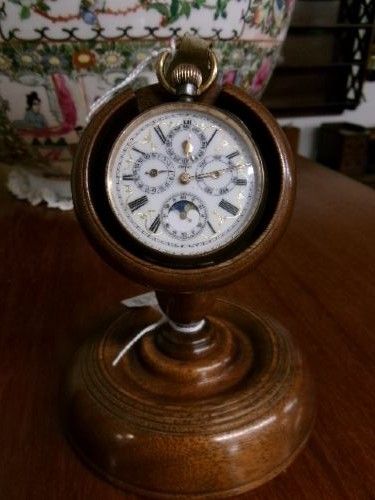
Gun metal pocket watches occasionally share shelf space with grand mahogany vitrines, proving good things come in small packages.
What varies in quality
The standard of a standing display case depends heavily on the selection of timber and the precision of its construction. Pieces featuring highly figured veneers, intricate satinwood inlay, and finely cast brass fittings represent the upper tier of craftsmanship. Simpler pine or oak variations prioritise utility over ornament, offering solid construction without the decorative flourishes found on finer parlor cabinets.
Joinery techniques and the clarity of the glass also distinguish finer examples from standard production. Cabinets with tight, hand-cut dovetail joints in the drawers and seamless framing around the glazed panels demonstrate superior workshop practice. The balance of proportions and the subtlety of revival styling determine the visual success of the piece.
Maple and Co.
The Standing Display Case Glossary
- Vitrine
- A glass-fronted cabinet designed specifically for displaying fine objects or porcelain. These cases often feature glazed sides to illuminate the contents from multiple angles.
- Bijouterie cabinet
- A shallow glass-topped table or cabinet built to exhibit small valuables such as pocket watches, medals, or jewellery. They typically lift open from the top or slide outward on runners.
- Marquetry
- The art of applying pieces of veneer to a structure to form decorative patterns or pictures. Craftsmen used contrasting woods to create intricate floral or geometric designs.
- Ormolu
- Gilded bronze furniture mounts used extensively in the nineteenth century. These decorative elements added a golden metallic sheen to the corners and borders of fine cabinets.
- Sheraton Revival
- A late nineteenth and early twentieth-century design movement inspired by the neoclassical furniture of George Sheraton. Pieces in this style feature light timbers, tapered legs, and delicate inlay work.
Standing Display Case: Frequently Asked Questions
Where should a standing display case go?
These cabinets suit reception rooms, libraries, or hallways where natural light can pass through the glass panels. Corner versions make efficient use of difficult angles in smaller spaces.
Position the case away from direct sunlight to protect timber finishes and delicate interior contents from fading over time.
How do I clean the glass panels?
Use a gentle glass cleaner applied to a soft cloth rather than directly onto the surface. This prevents excess liquid from seeping into the wooden frames or damaging antique varnish.
Wipe the timber surrounds with a dry, lint-free cloth to maintain the polish without stripping the original patina.
Can these cabinets hold heavy books?
Many Edwardian and Victorian examples were built as combination bookcase display units with sturdy wooden shelving. Check the thickness and support of the internal shelves before loading them with heavy volumes.
Lighter display cases with glass shelves are designed primarily for porcelain, glassware, and decorative objects rather than heavy libraries.
How do I identify an Edwardian case?
Edwardian standing display cases often feature lighter mahogany or satinwood timbers combined with delicate string inlay. They frequently date from around nineteen hundred to nineteen ten, reflecting a lighter aesthetic than heavy Victorian furniture.
Look for refined proportions, subtle neoclassical revival motifs, and slender tapered legs that elevate the body of the cabinet.