
Dark Oak Display Cupboard
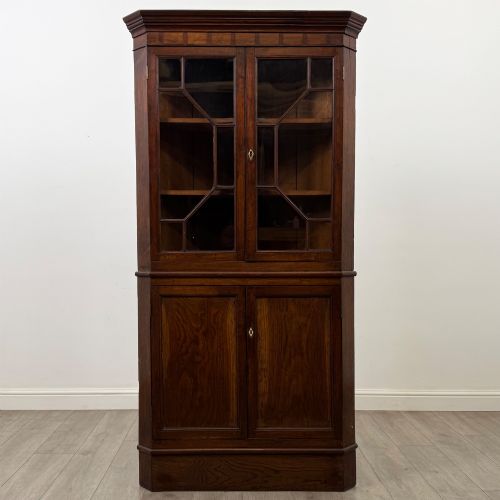
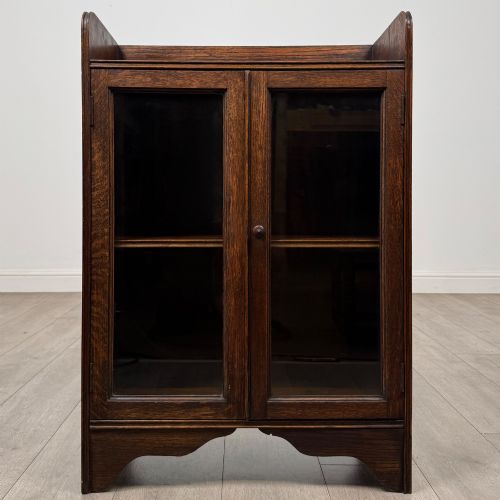
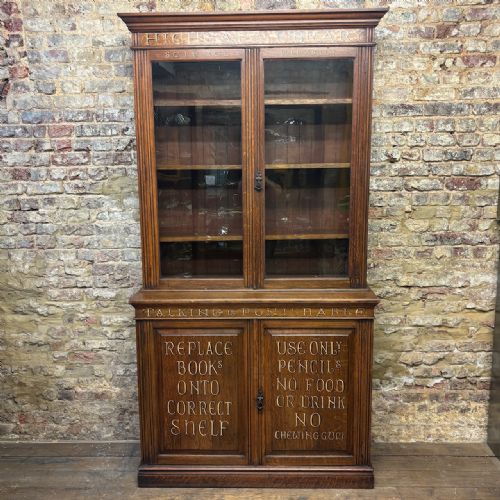
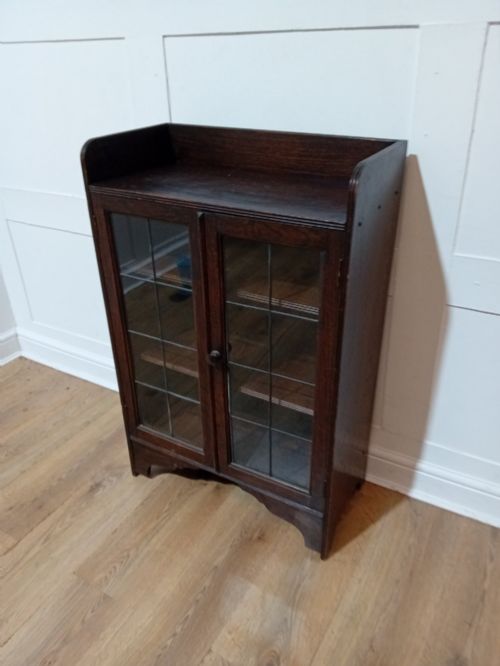
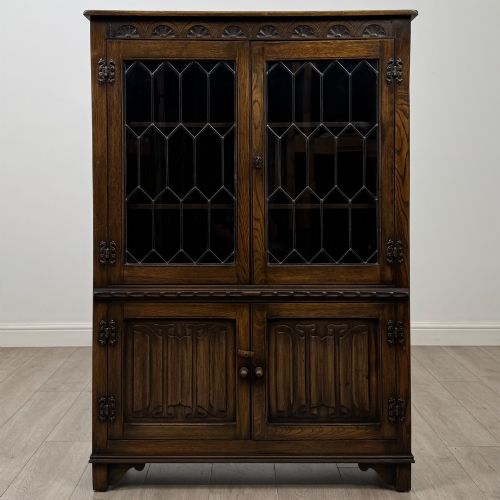
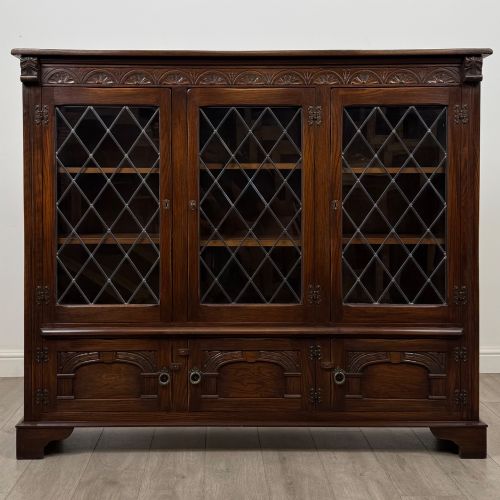
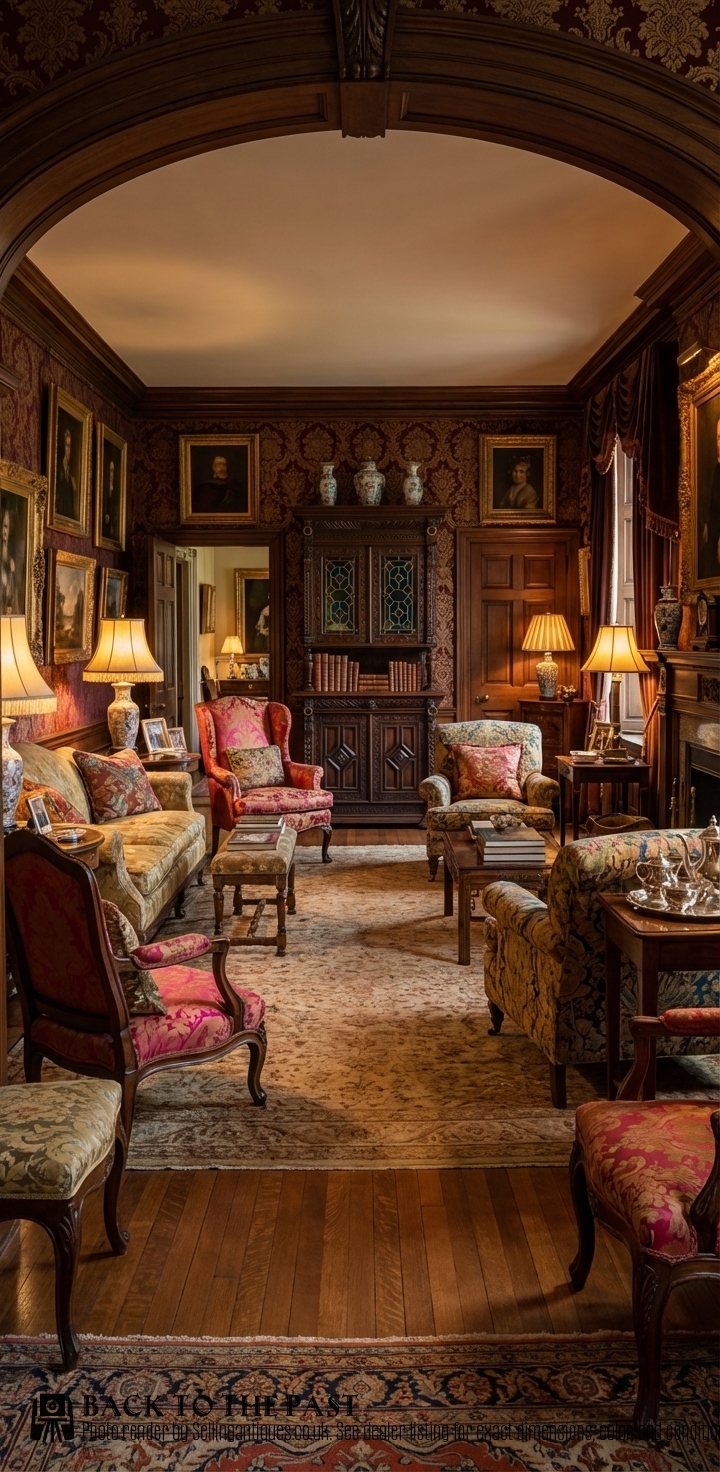
A dark oak display cupboard brings deep timber grain and clear glass together to showcase prized possessions.
Dark Oak Display Cupboard
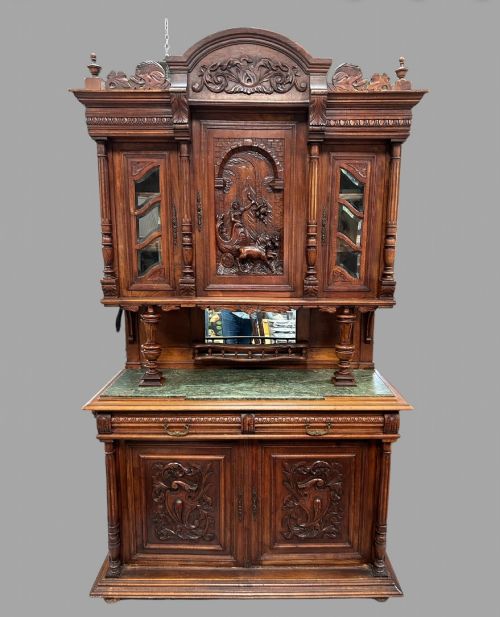
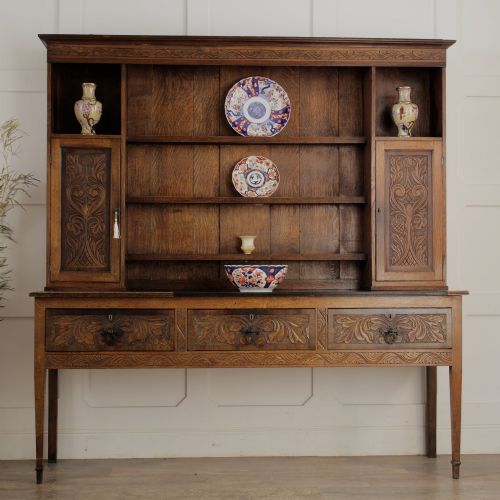
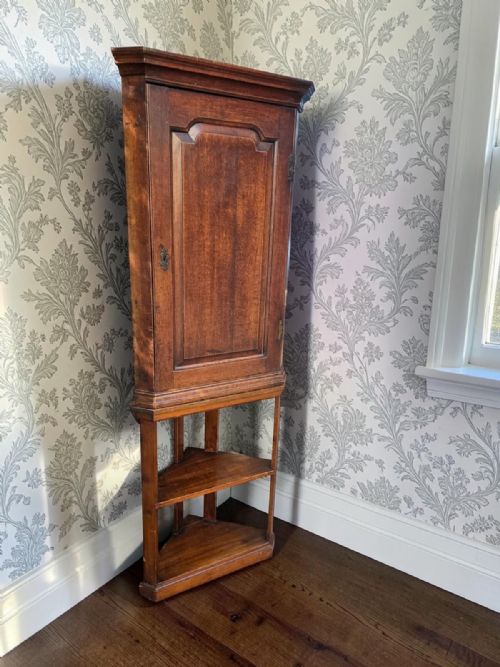
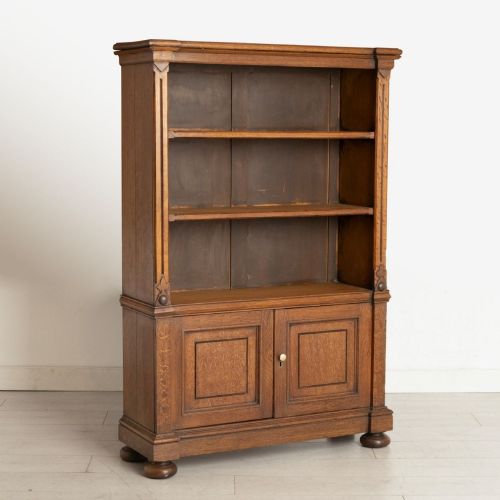
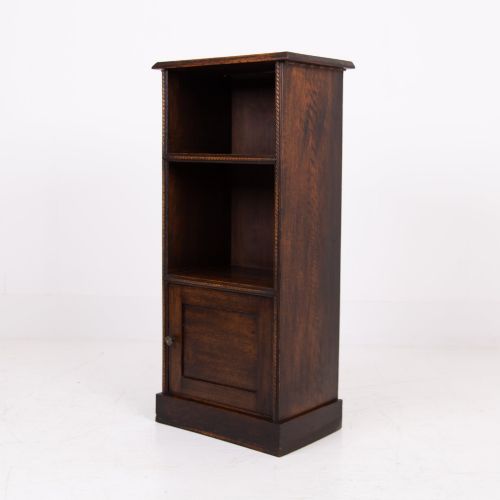
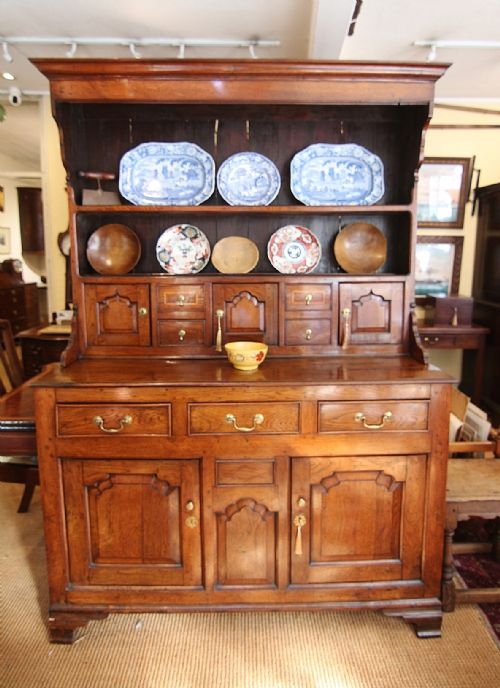
A dark oak display cupboard gathers centuries of woodworking traditions into sturdy furniture designed to showcase ceramics and books. When searching for a dark oak display cupboard, buyers encounter formats ranging from tall floor-standing bookcases to corner cabinets and fitted Welsh dressers.
The selection spans periods from the 18th century through the Victorian era into the Edwardian years and the 1920s. Common architectural expressions include Jacobean revival motifs, Arts and Crafts simplicity, and French provincial proportions.
Corner cabinets and wall-hanging units offer compact storage solutions, whilst larger breakfront dressers and glazed vitrines provide substantial display capacity. Each piece balances utilitarian storage with the rich visual weight characteristic of dark timber.
Materials and construction
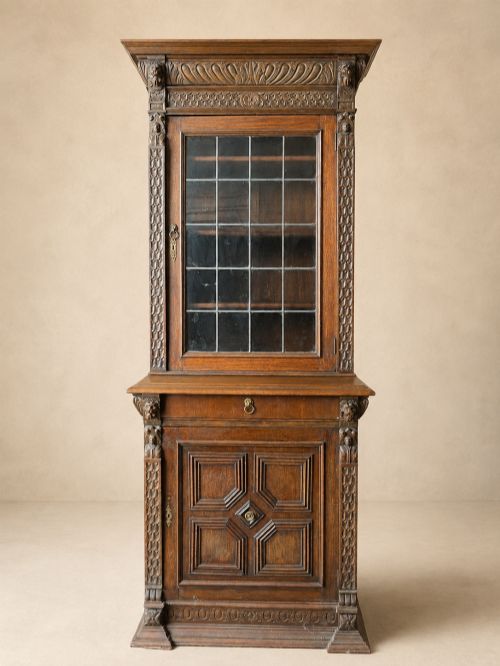
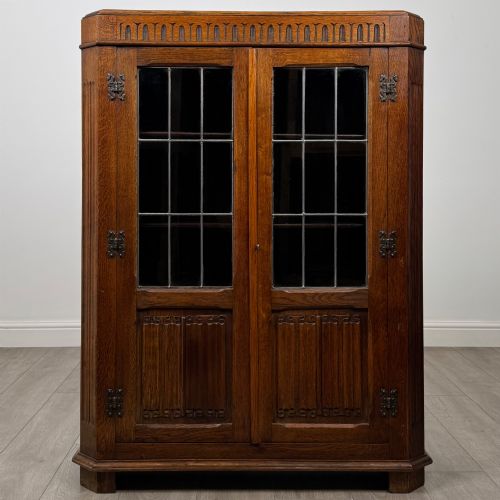
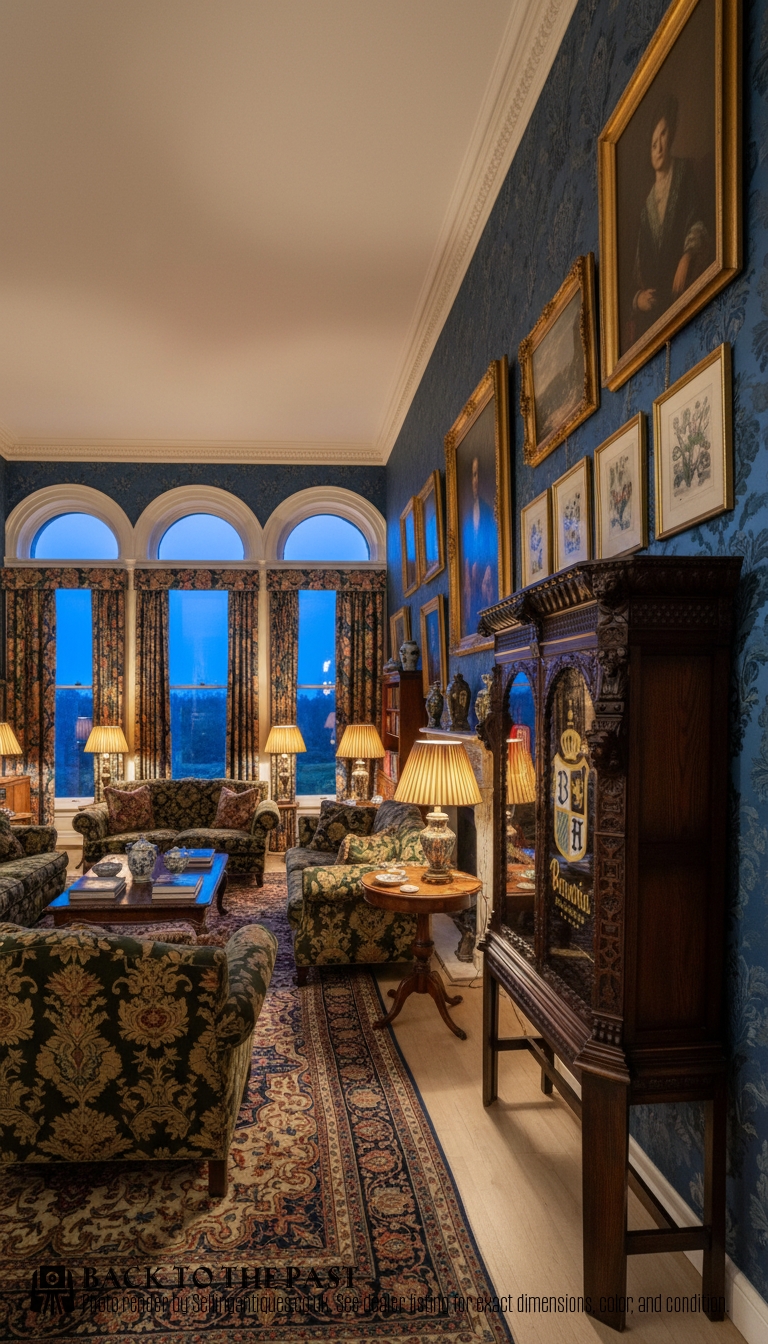
Makers built these cabinets primarily using solid oak timbers, often complemented by secondary woods such as mahogany and walnut in specific regional pieces. Glazing allows light into the interior shelves, secured by lead or wooden framing.
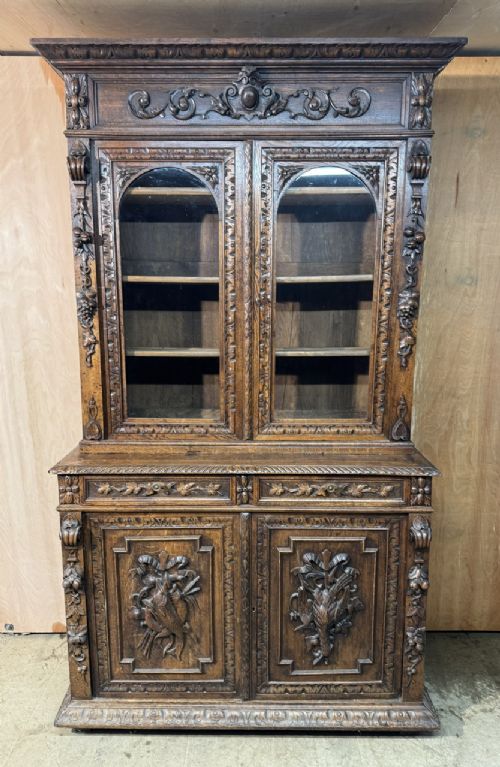
Hardware forged from brass and iron provides functional hinges and latches across the doors and drawers. Carving, linenfold panels, and inlaid details frequently embellish the structural framework, reflecting the prevailing style of the period.
Dark Oak Display Cupboard Retail Price Guide 2026
Typical asking prices for dark oak display cupboard among the pieces listed under this phrase on Sellingantiques today, from the lower quarter to the upper quarter. They describe what is for sale here now, not the wider market.
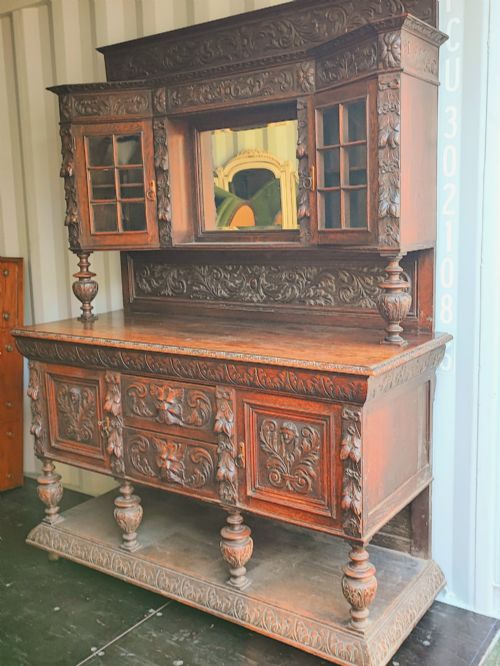
Certain Victorian dressers feature stern Green Man carvings peering out from the woodwork to guard the household stores.
Craftsmanship and distinction
The standard of carving distinguishes standard utility furniture from finer artistic commissions. Crisp lines in repetitive motifs such as Green Man carvings or geometric panels require steady hand execution by skilled joiners.
Proportion and timber selection dictate the visual impact of each cabinet, with tight grain patterns and cohesive colouration commanding greater presence. Original glass panes and intact brass hardware preserve the authentic character of the original construction.
The Dark Oak Display Cupboard Glossary
- Linenfold
- A style of relief carving used on wooden panels to imitate folded fabric. It appears frequently on pieces influenced by Tudor revival designs.
- Vitrine
- A glass-fronted cabinet designed for displaying fine objects or porcelain. These cases protect contents from dust while offering all-round visibility.
- Breakfront
- A piece of furniture whose central section projects forward from the flanking wings. This architectural arrangement creates depth and shadow across the façade.
- Welsh dresser
- A traditional kitchen or dining unit featuring lower cupboards and drawers surmounted by open display shelves. Earlier examples often incorporate extensive plate racks.
Dark Oak Display Cupboard: Frequently Asked Questions
How do I date an oak cabinet?
Dating relies on examining construction methods, timber preparation, and decorative hardware styles. Tool marks, joint types, and regional design characteristics help narrow the period.
Comparing the piece to documented examples from the Georgian, Victorian, or Edwardian eras confirms the likely decade of manufacture.
Where should I place a corner cabinet?
Corner cabinets fit neatly into unused room junctions to maximise floor space. They work well in dining rooms, living areas, or hallways where wall space is limited.
Positioning them away from direct sunlight protects the timber finish and the objects displayed inside the glass doors.
How do I care for antique oak?
Maintain antique oak by dusting regularly with a soft, dry cloth. Avoid applying modern silicone-based polishes that can build up and attract dirt over time.
Keep the timber away from extreme temperature fluctuations and excessive moisture to prevent warping or splitting of the grain.
What is the difference between a dresser and a display cabinet?
A dresser typically combines lower storage cupboards with upper open shelves or a plate rack. They originated as functional kitchen furniture for everyday utility.
Display cabinets, by contrast, feature enclosed glass doors designed specifically to keep collections visible yet protected from dust.