



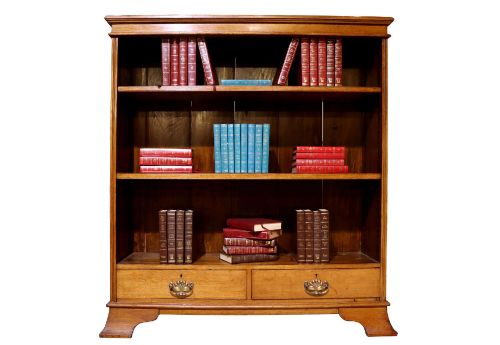
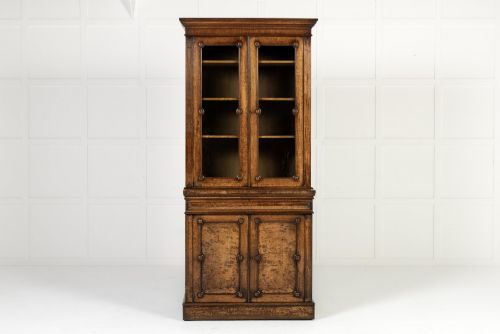
19th Century Oak Bookcase
When you search for a 19th century oak bookcase, you enter a world of solid timber, architectural proportion and enduring utility.
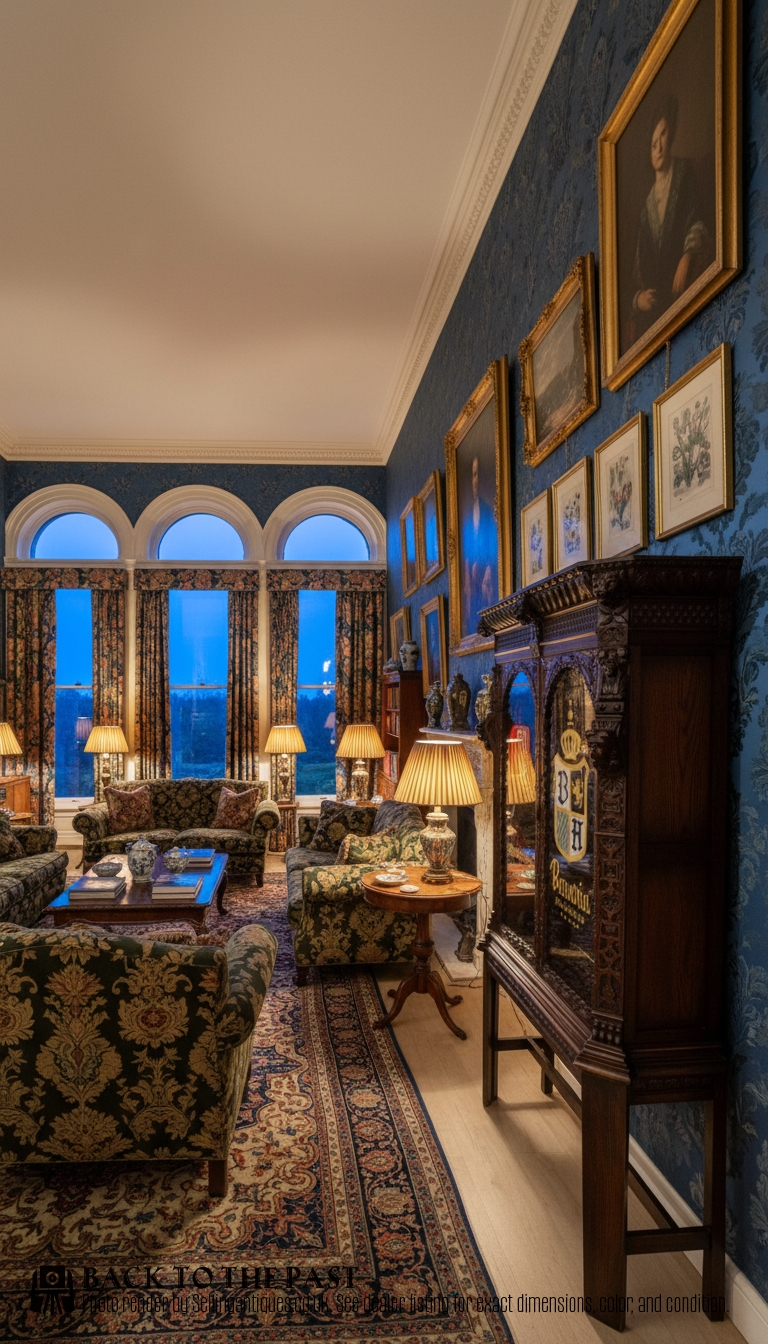
19th Century Oak Bookcase
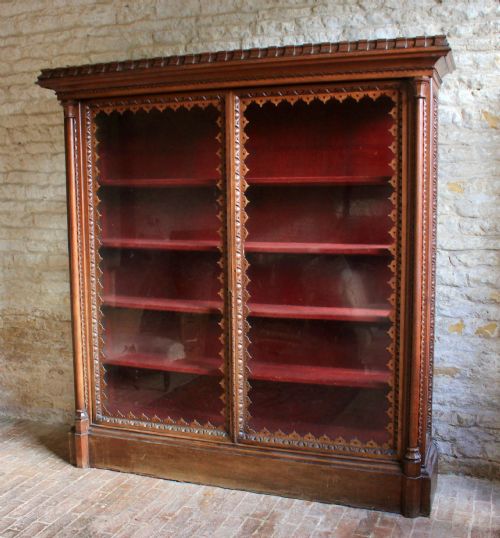
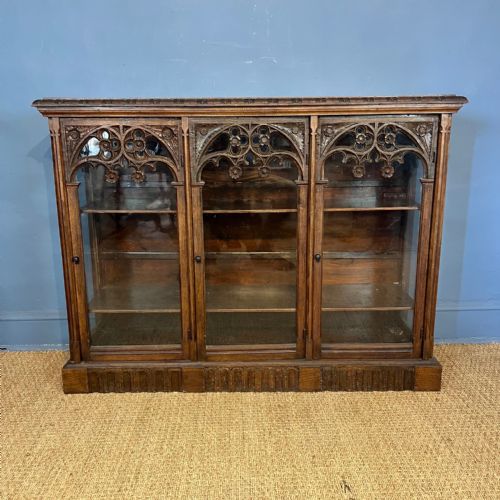
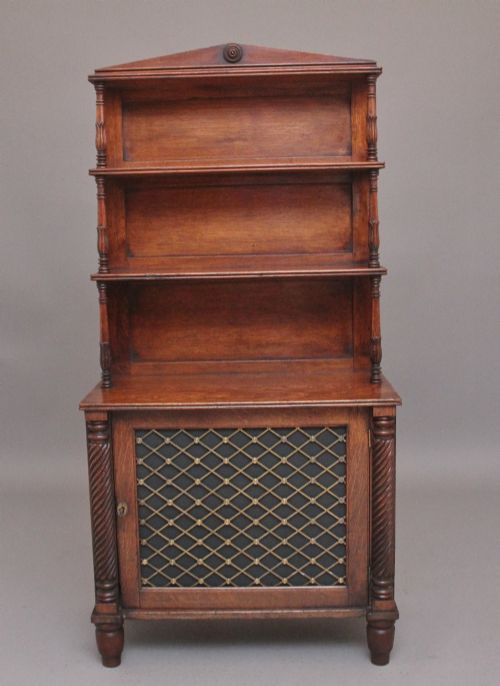
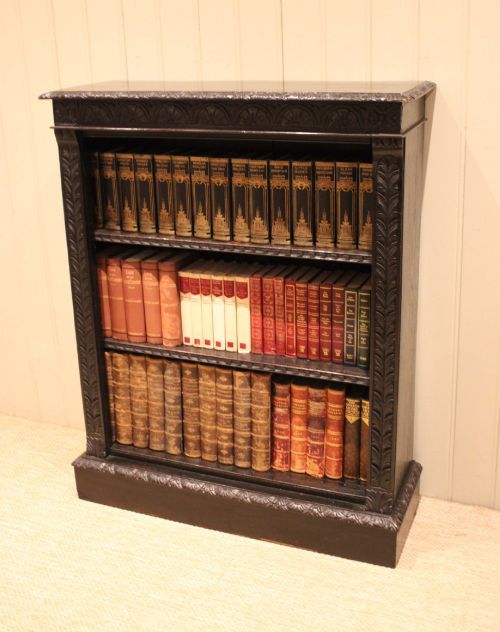
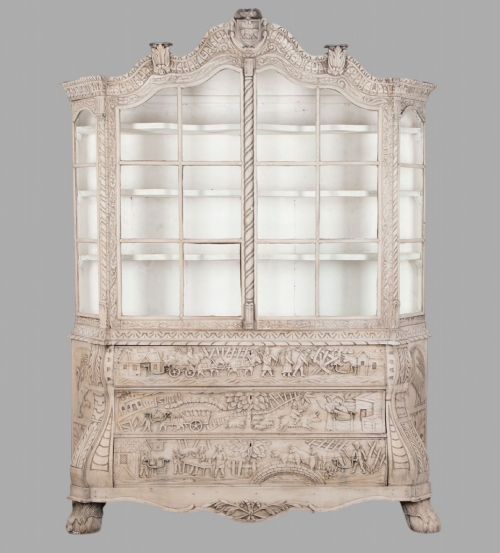
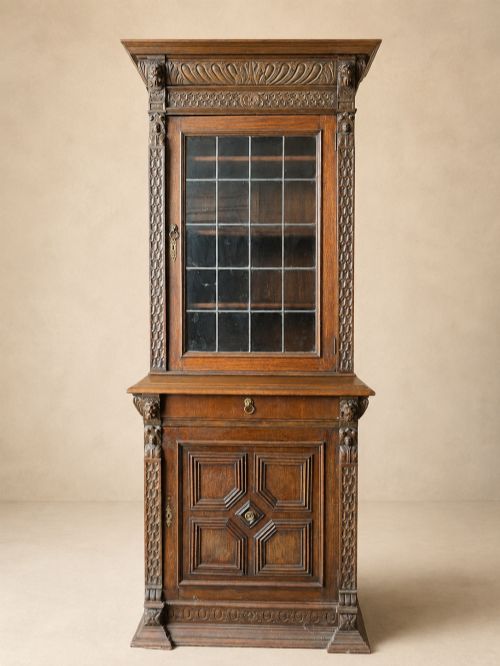
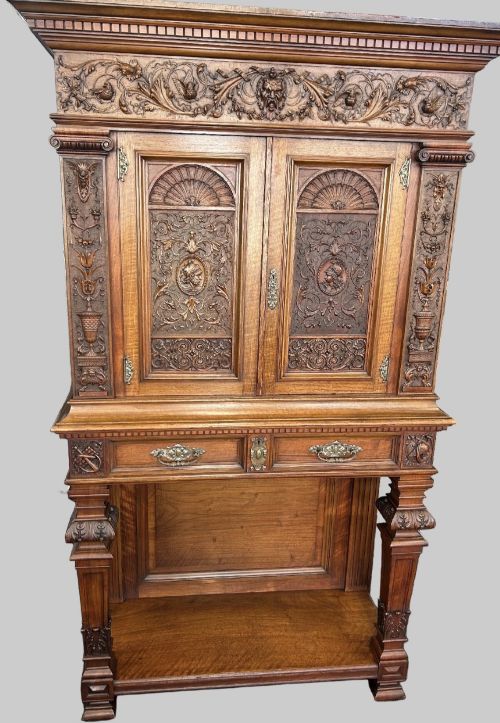
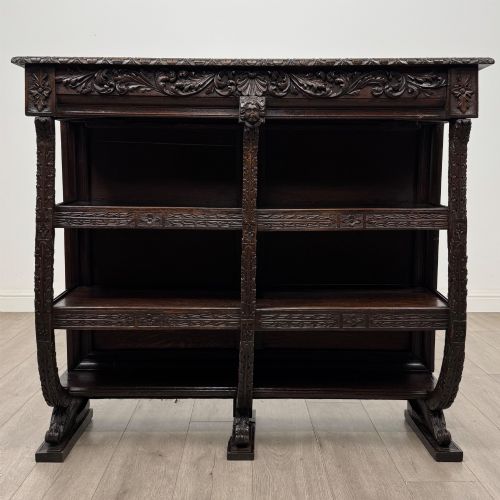
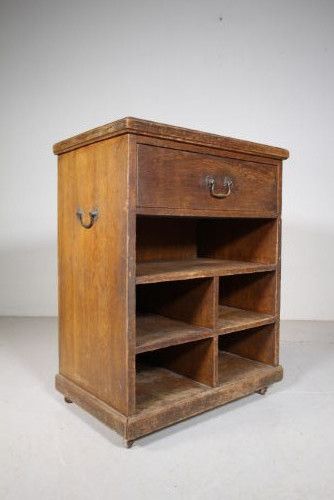
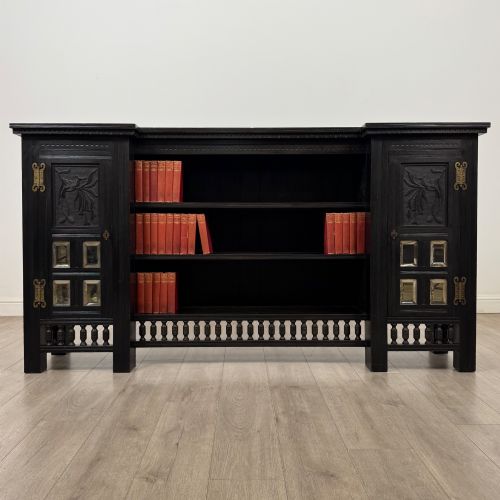
A 19th century oak bookcase represents a major category of storage furniture built across the Victorian, Georgian, Regency and William IV periods. These pieces range from tall library bookcases and open shelf units to glazed display cabinets and secretaire variants designed for domestic or institutional use.
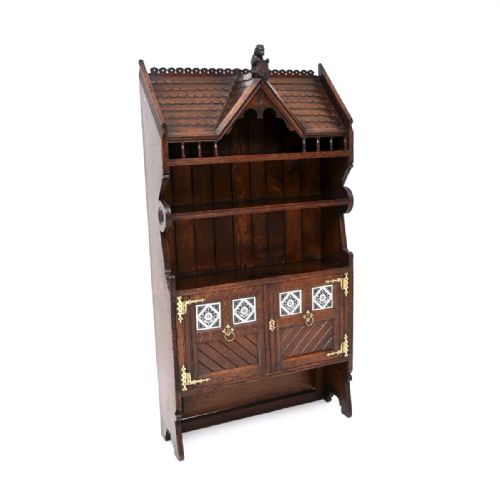
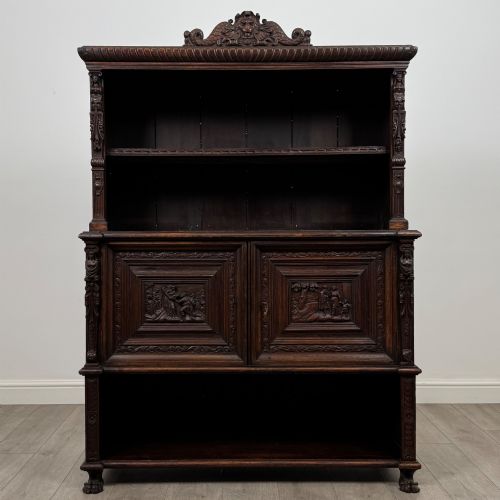
The selections available span plain vernacular country house styles as well as heavily carved Gothic Revival, Renaissance Revival and French designs. Whether configured with adjustable shelving, glass doors or open fronts, each piece reflects the diverse aesthetic priorities of the nineteenth century.
What varies in quality
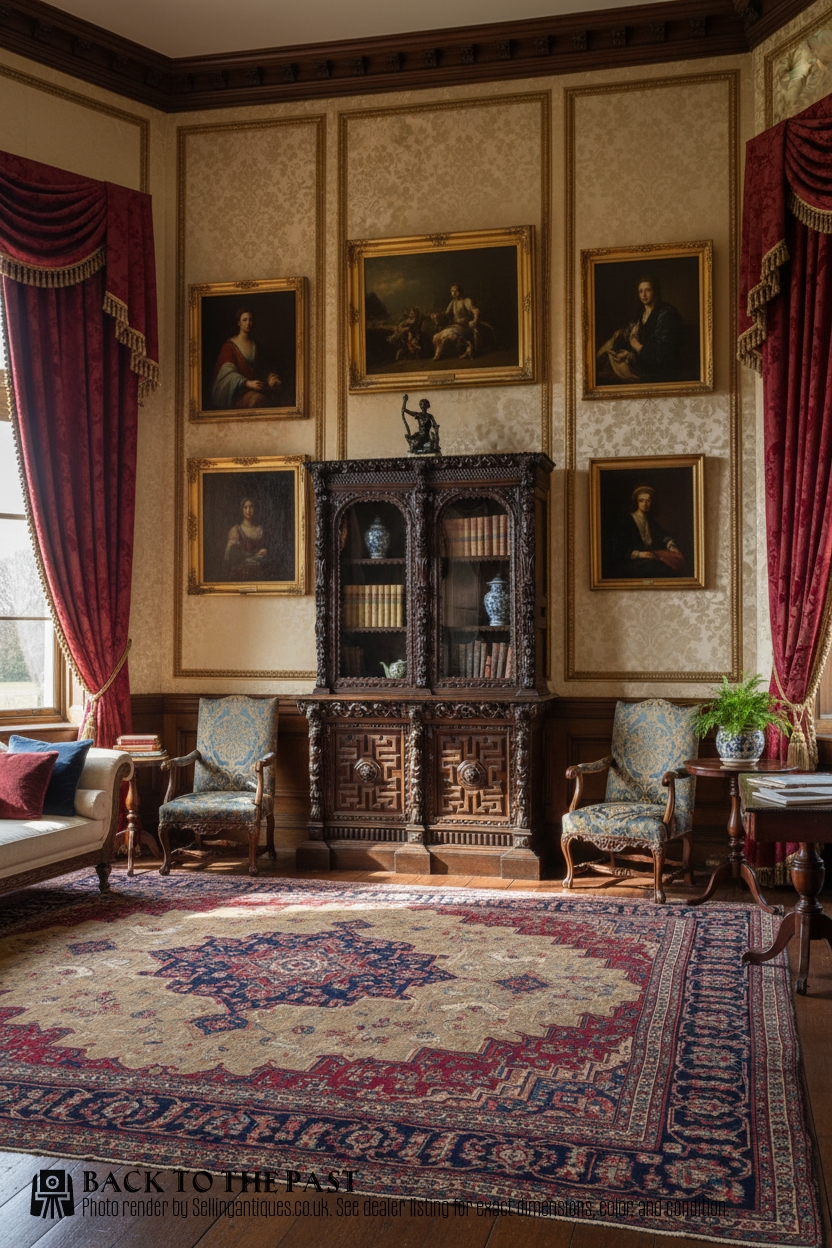
The distinction between standard utility items and exceptional pieces rests upon the depth of the carving, the selection of figured timber grains, and the architectural ambition of the design. Workshops known for documented output or distinctive proportions typically command greater attention.
Refinement shows in details such as adjustable shelving mechanisms, balanced proportions, original glass panes, and the preservation of secondary timbers. Finer examples maintain crisp detailing across cornices and panelled doors without structural compromise.
19th Century Oak Bookcase Retail Price Guide 2026
Typical asking prices for 19th century oak bookcase among the pieces listed under this phrase on Sellingantiques today, from the lower quarter to the upper quarter. They describe what is for sale here now, not the wider market.
Howard & Sons·Morris & Co·George W Jack·James Shoolbred
The 19th Century Oak Bookcase Glossary
- Pollard oak
- Timber taken from trees that have been pollarded, producing a dense, highly figured grain pattern prized for decorative cabinet fronts. This distinctive wood adds visual movement to flat surfaces.
- Secretaire bookcase
- A hybrid form featuring a pull-down writing drawer fitted with small pigeonholes and internal compartments above lower shelving or cupboards. It combines a desk workspace with traditional book storage.
- Breakfront
- A cabinet design where the central section projects forward from the flanking wings, creating architectural depth and varied shadow lines. This layout is common on larger library bookcases.
- Gothic Revival
- A nineteenth-century style drawing inspiration from medieval architecture, featuring pointed arches, tracery and robust carved detailing. Pieces in this style often display religious or architectural motifs.
- Cwpwrdd Gwydr
- A traditional Welsh term for a glazed cupboard or display cabinet, usually constructed from native oak. These regional pieces reflect local vernacular traditions.
19th Century Oak Bookcase: Frequently Asked Questions
How do I identify the period of an oak bookcase?
Dating relies on stylistic clues, construction methods and timber selection. Georgian and Regency examples often lean towards classical proportions, while Victorian pieces embrace revivalist movements like Gothic and Renaissance Revival.
Hardware, joinery techniques and the presence of specific design motifs further clarify the decade of manufacture.
What is the difference between an open bookcase and a glazed cabinet?
Open bookcases provide immediate, unobstructed access to shelf contents and were typically utilised for active working libraries. Glazed cabinets feature protective doors fitted with glass panels, designed to shield valuable volumes from dust.
Both forms served domestic and institutional spaces throughout the nineteenth century.
How should I care for nineteenth-century oak furniture?
Maintenance requires stable environmental conditions away from direct heat sources and strong sunlight, which can dry out timber and crack polished surfaces. Regular dusting with a soft, dry cloth preserves the finish.
Applying appropriate wax sparingly helps nourish the grain without building up heavy residues.
Are the shelves usually adjustable in these bookcases?
Many nineteenth-century bookcases incorporate adjustable shelving systems, often utilising wooden sawtooth supports, metal rack strips or peg holes. This flexibility allowed owners to accommodate books of varying heights.
Some country pieces or simpler open formats feature fixed shelves determined during original construction.