


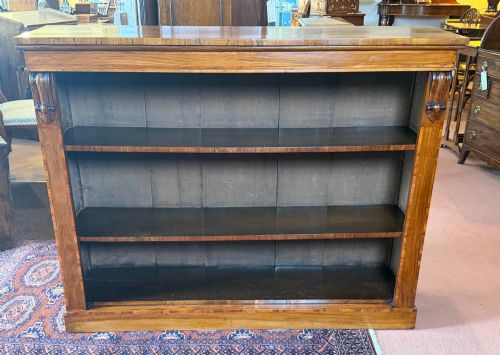
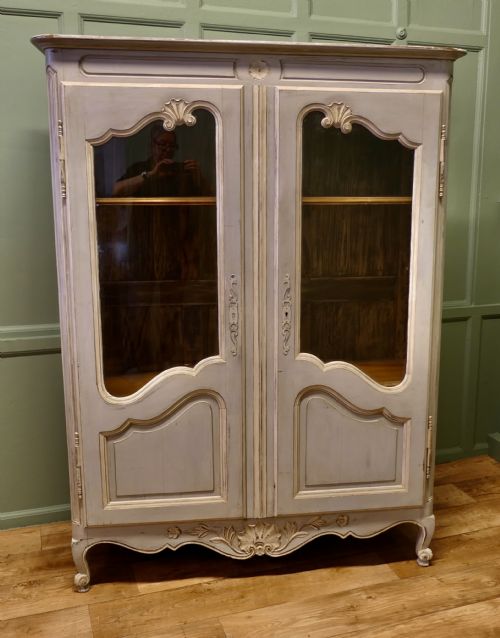

Carved Wooden Bookcase
A carved wooden bookcase brings tactile warmth to a room, offering practical storage through rich timber and disciplined handwork.
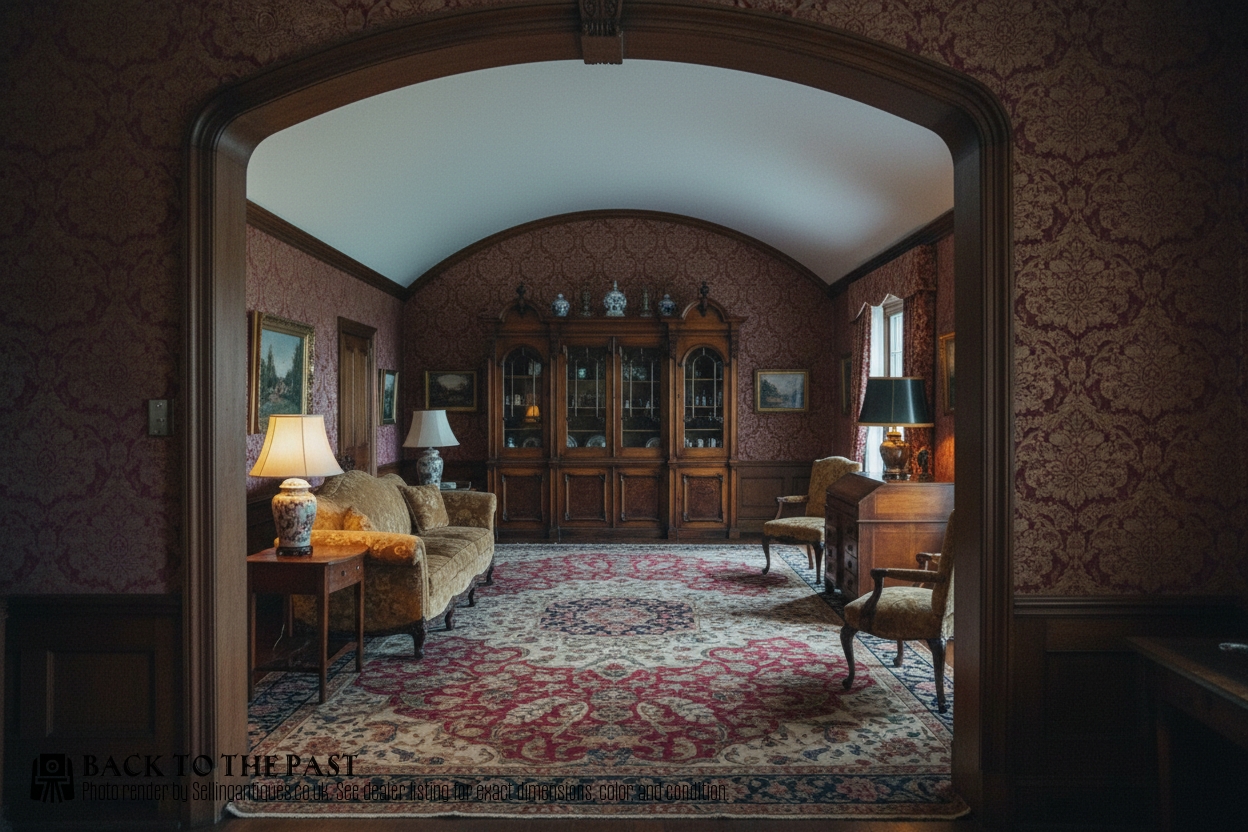
Carved Wooden Bookcase
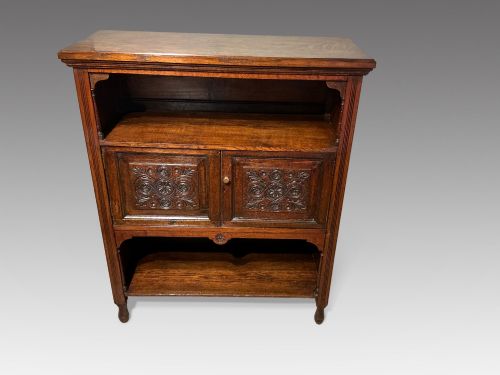
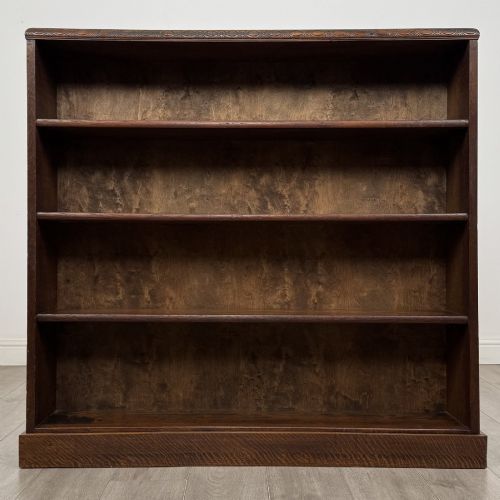
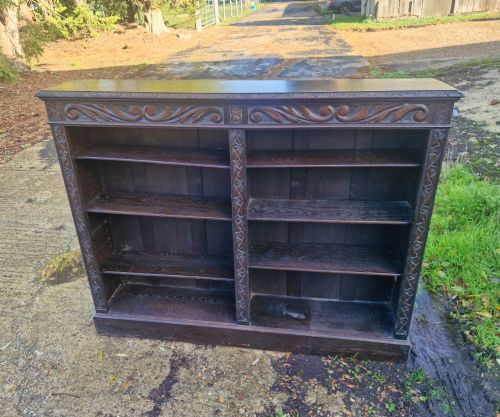
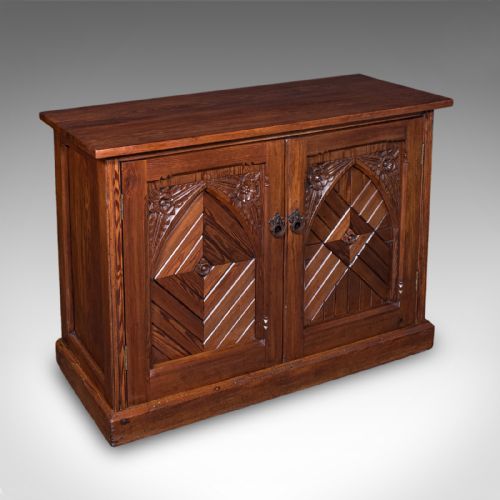
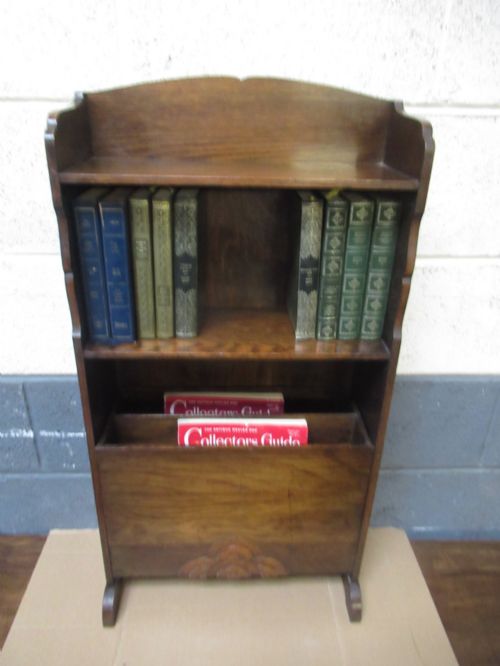
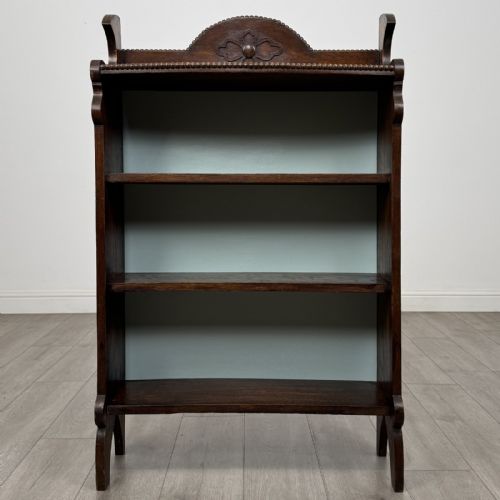
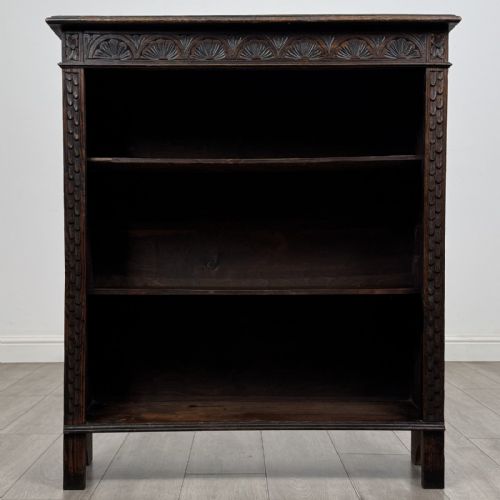
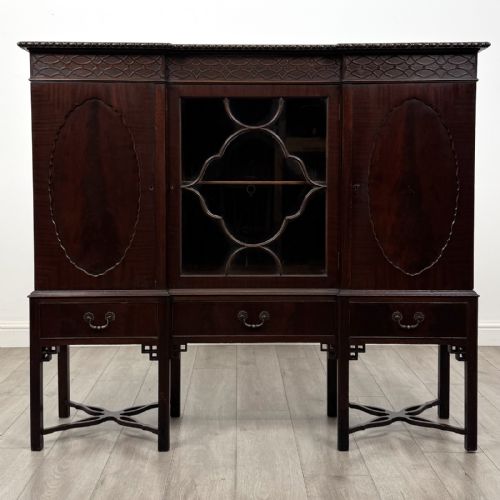
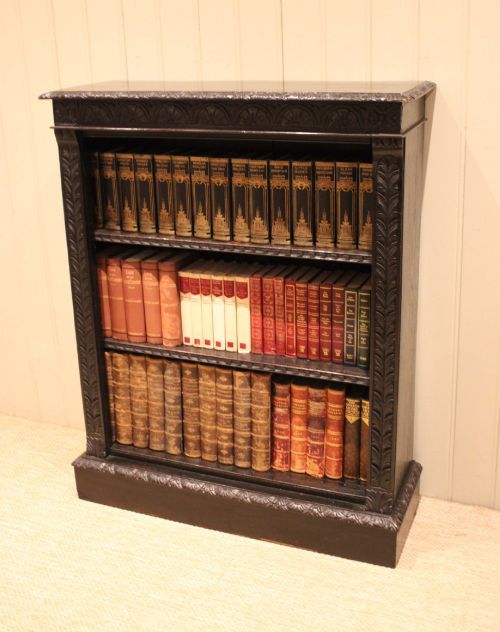
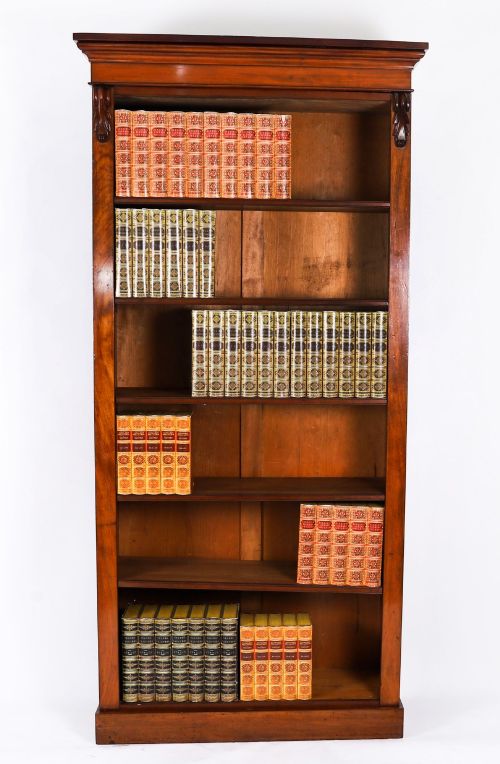
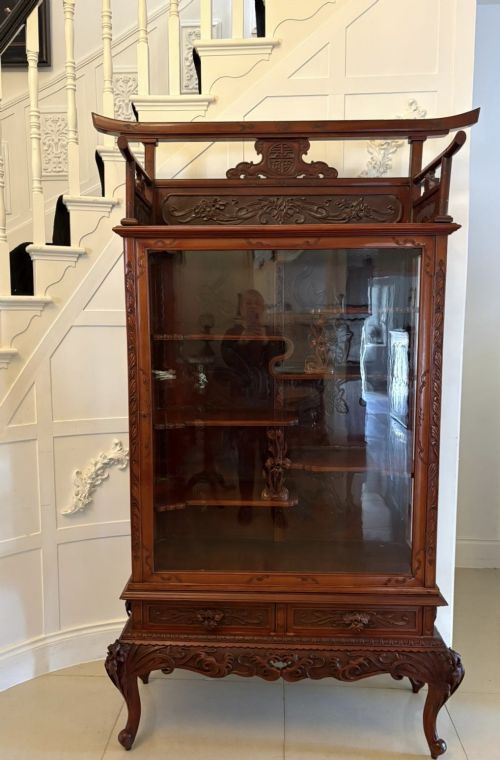
A carved wooden bookcase combines sturdy shelving with architectural detail, ranging from open standing formats to enclosed two-door cabinets and multi-section layouts. Pieces spanning the Regency, Victorian, and Edwardian eras demonstrate how timber and ornamentation shifted from dramatic revival styles towards cleaner domestic proportions.
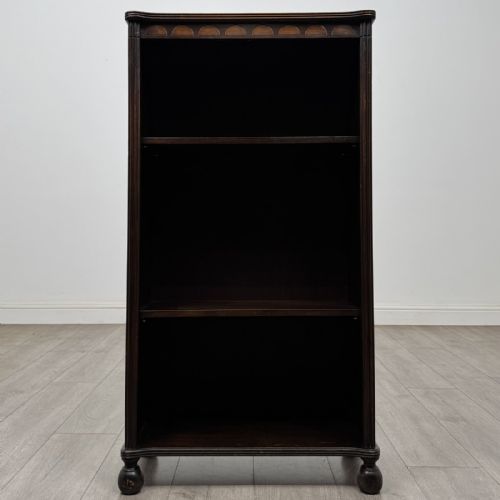
The options here include monumental mid-Victorian designs, striking inverted breakfront cabinets in exotic hardwoods, and compact Edwardian open shelves in oak or walnut. Each variant reflects the domestic requirements of its period, balancing display space with secure storage for libraries large and small.
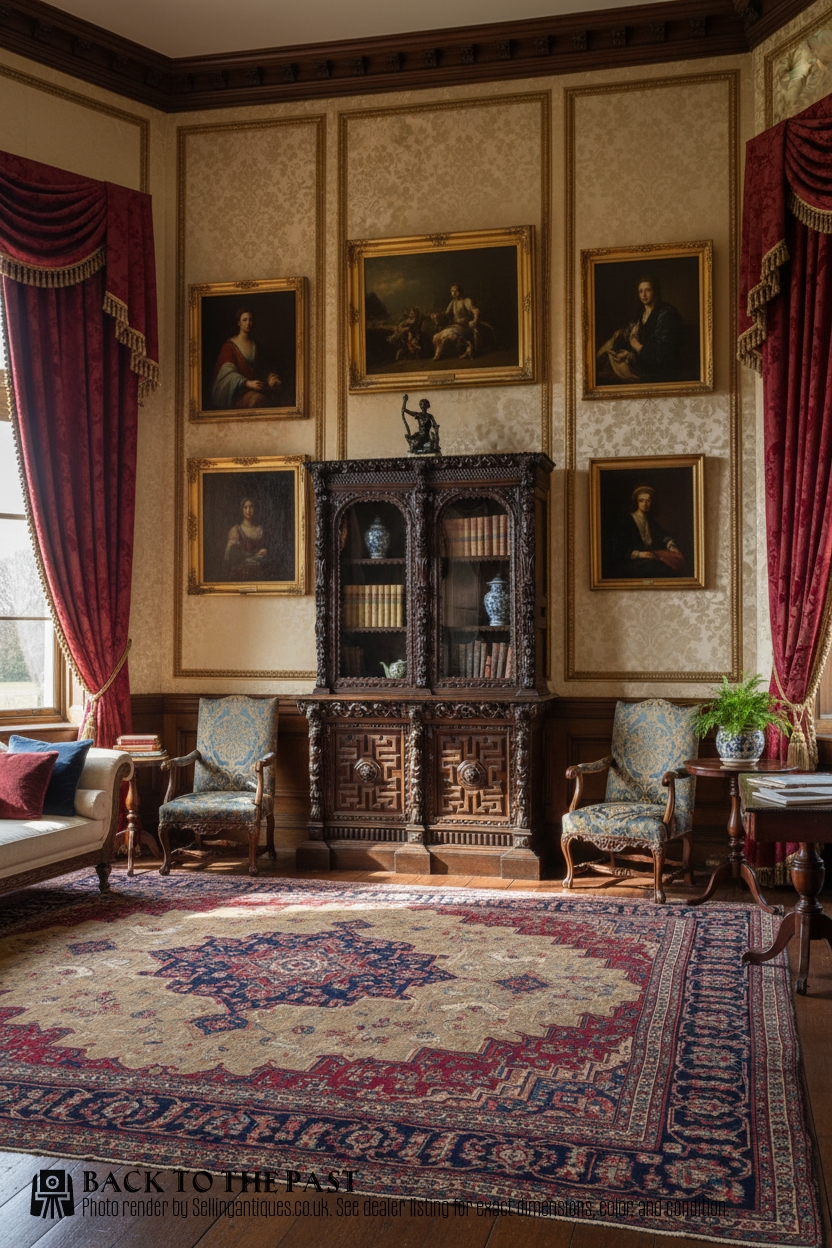
Construction and Materials
These items employ a variety of timbers including native oak, walnut, pine, elm, and striking imported Gonçalo Alves, often paired with glass panels and brass hardware. Cabinetmakers utilised traditional joinery alongside intricate hand-carving to ornament cornices, pilasters, and door panels.
Surfaces display deliberate attention to grain and colour, with some examples incorporating delicate inlay work. Adjustable shelving mechanisms appear in later pieces, showing a practical adaptation for growing book collections.
Carved Wooden Bookcase Retail Price Guide 2026
Typical asking prices for carved wooden bookcase among the pieces listed under this phrase on Sellingantiques today, from the lower quarter to the upper quarter. They describe what is for sale here now, not the wider market.
The current selection spans pieces built from 1860 through the Edwardian era, incorporating oak, walnut, pine, elm, and Goncalo Alves.
Judging Quality
Superior quality in a carved wooden bookcase rests on the depth and crispness of the hand-carving rather than mere surface decoration. The choice of timber also dictates standing, with dense exotic hardwoods or figured walnut elevating a piece above standard domestic utility.
Structural integrity reveals itself in the seamless fit of doors, the stability of adjustable shelf supports, and the harmonious integration of architectural cornices. Pieces that balance ambitious Renaissance or Gothic Revival motifs with balanced proportions command greater appreciation.
The Carved Wooden Bookcase Glossary
- Breakfront
- A cabinet design where the central section projects forward from the flanking wings. This architectural arrangement creates dynamic shadow and depth across the front of the bookcase.
- Gonçalo Alves
- A dense, highly figured tropical hardwood also known as zebrawood. Its striking contrasting grain patterns make it exceptionally decorative on Regency cabinetry.
- Inlay
- A technique where pieces of contrasting wood or other materials are fitted into depressions within the primary timber. This method creates flat, decorative geometric or pictorial patterns on the surface.
- Pilaster
- A rectangular column that projects slightly from a wall or cabinet side, serving a decorative architectural function. Renaissance Revival pieces frequently employ carved pilasters to frame doors.
Carved Wooden Bookcase: Frequently Asked Questions
How do I date a carved wooden bookcase?
Dating relies on identifying stylistic markers, construction methods, and timber choices typical of specific periods. Pieces from the Regency era feature classical restraint and exotic veneers, whilst Victorian examples often display heavier, carved ornamentation in oak or walnut.
Later Edwardian items generally prioritize lighter proportions and functional additions like adjustable shelving. Comparing these details against known historical periods clarifies when a piece was made.
Are shelves usually adjustable in older bookcases?
Many early and mid-nineteenth-century bookcases feature fixed wooden shelves supported by structural partitions or fixed ledges. Adjustable shelving mechanisms became more widespread by the Edwardian period to accommodate varying book sizes.
When evaluating a piece, check the interior uprights for traditional rack-and-pinion systems or brass stub supports. These mechanical details indicate how the maker solved the problem of versatile storage.
How do I care for a walnut bookcase?
Walnut requires stable indoor humidity and protection from direct sunlight to prevent the timber from drying out or fading. Regular dusting with a soft, dry cloth preserves the natural sheen of the polished surface without the buildup of synthetic residues.
Avoid placing wooden furniture near direct heat sources or damp exterior walls. Gentle application of traditional wax periodically feeds the grain and maintains the finish.