

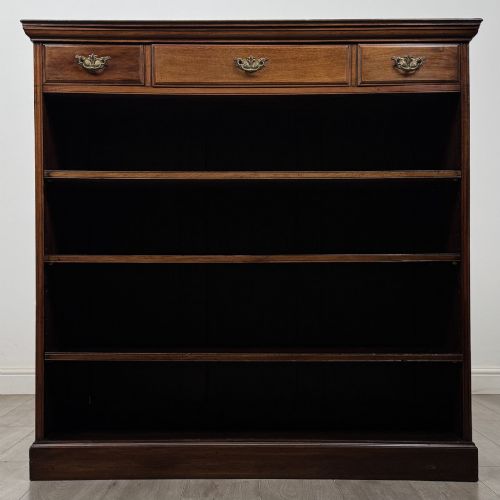
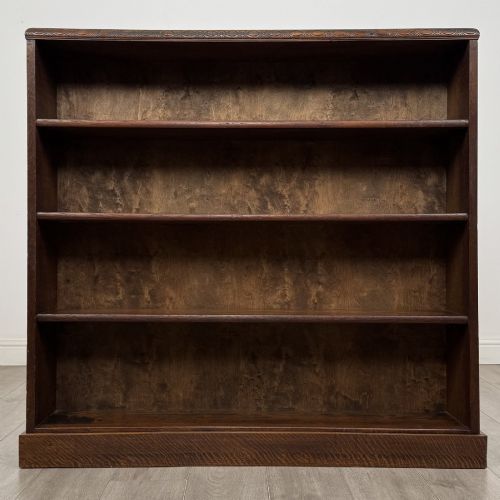
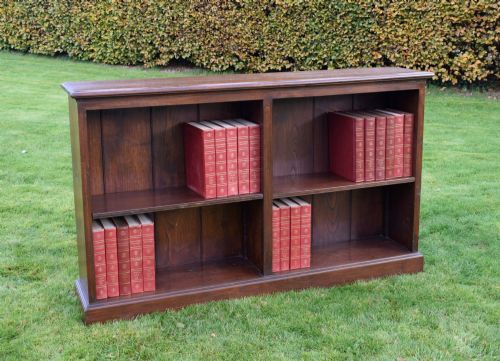
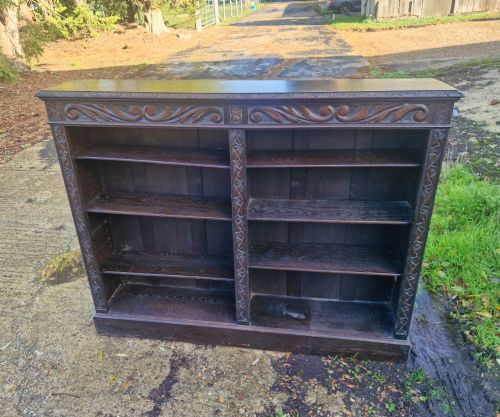

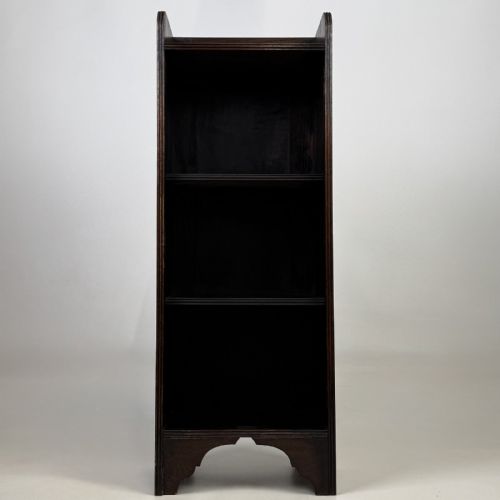
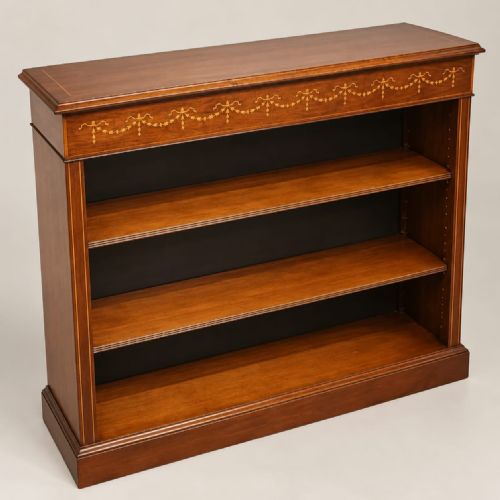
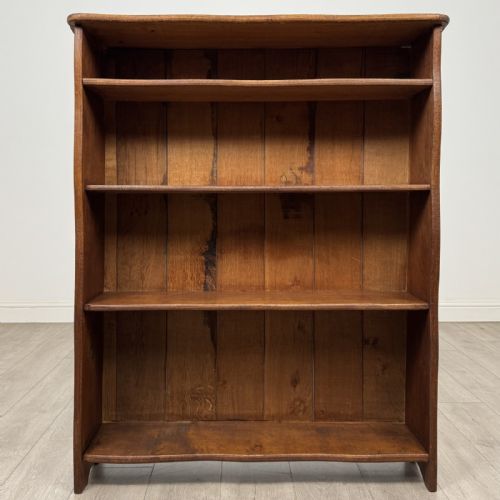
Edwardian Open Shelves
Edwardian open shelves bring dependable domestic utility and clean period proportions to any room, offering accessible display for a growing home library.
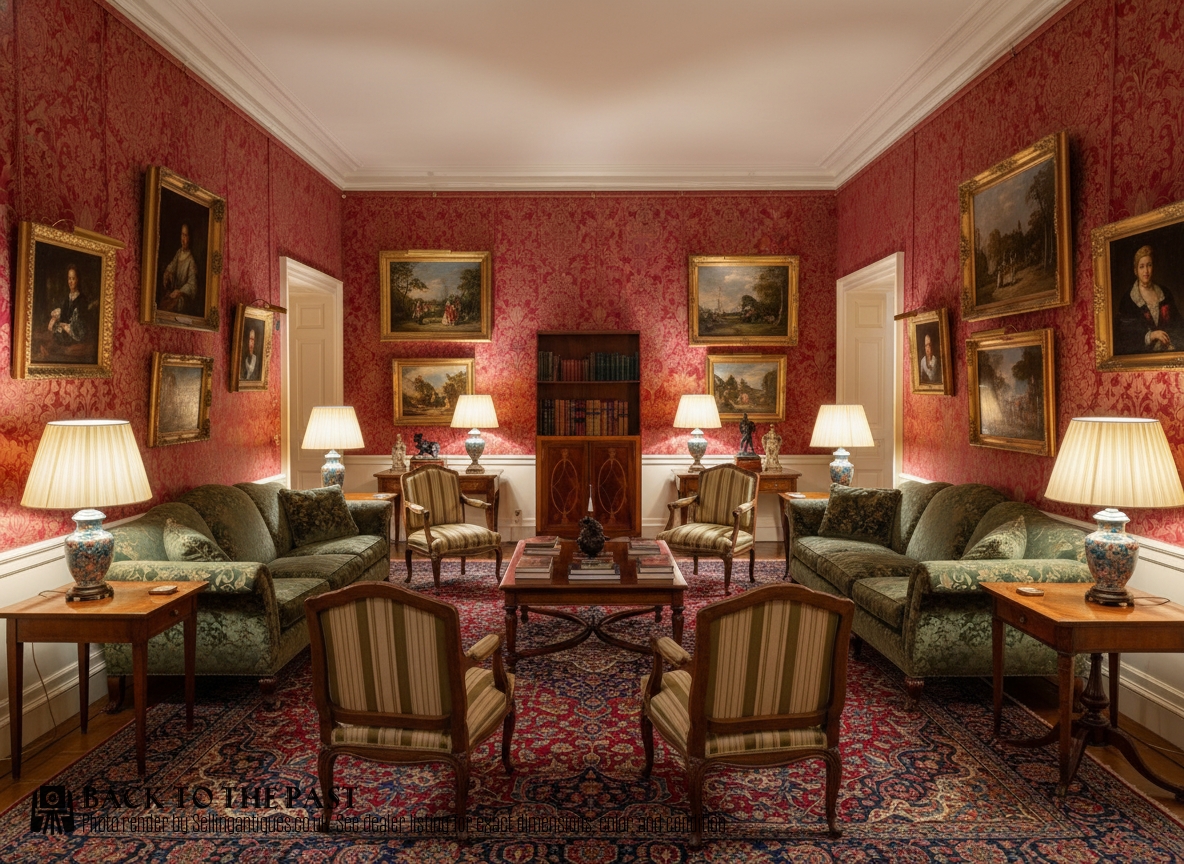
Edwardian Open Shelves
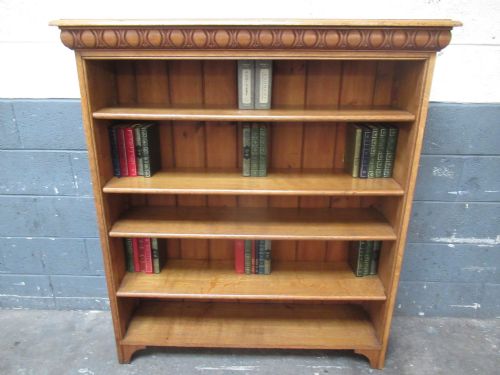
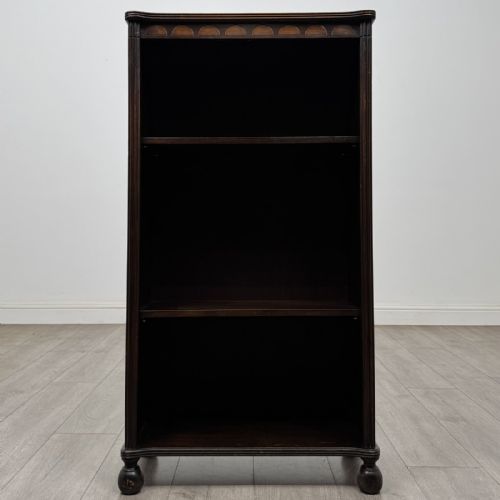
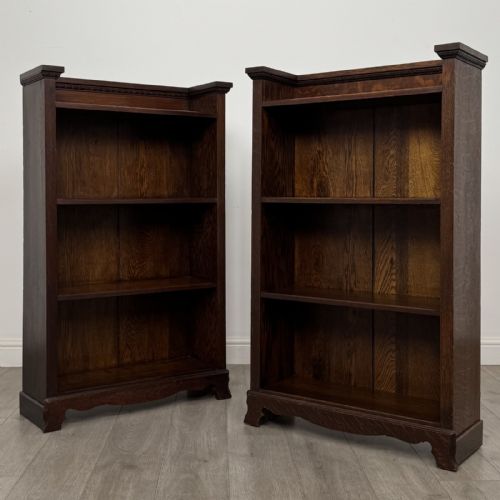
When searching for edwardian open shelves, buyers encounter versatile storage furniture designed for domestic libraries, living rooms, and studies. These pieces provide accessible, unglazed display space for books and decorative objects.
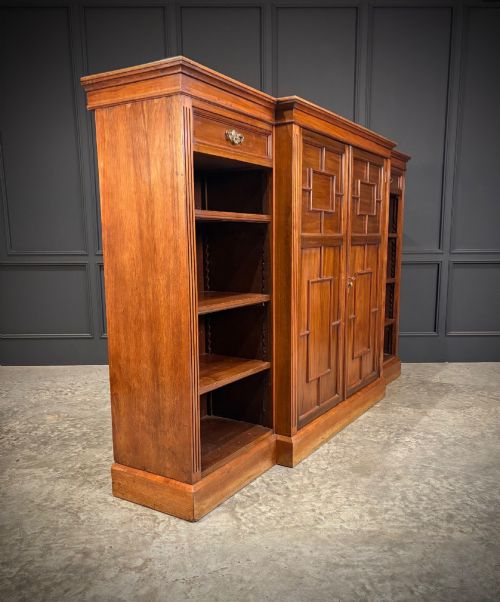
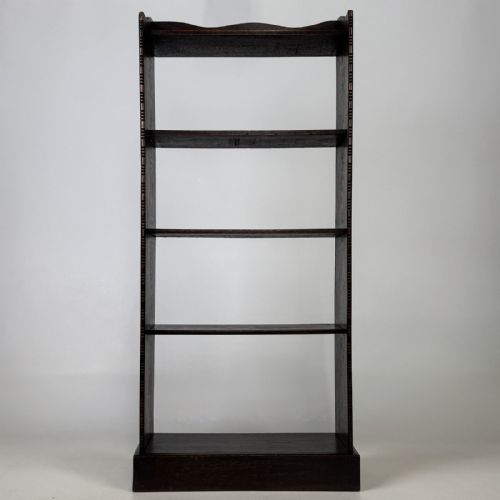
The selections span standard standing bookshelves, narrow wall-hung compartments, and low side units intended to sit beside seating. Many examples integrate adjustable shelving to accommodate varying volumes.
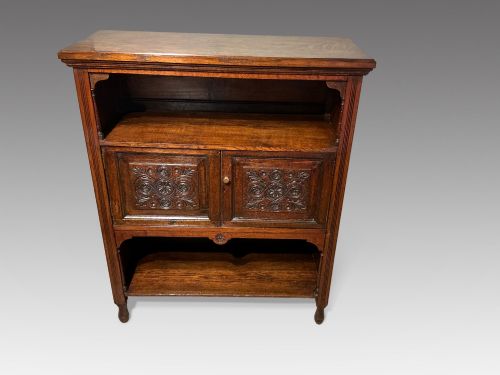
Oak and mahogany dominate the offerings, appearing in both straightforward utilitarian builds and more decorative formats influenced by the Arts and Crafts movement or regional revival styles.
Materials and construction
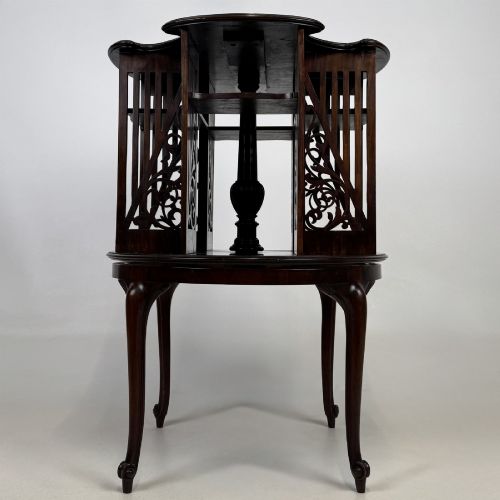
Makers utilised solid timbers alongside veneered surfaces, selecting oak and mahogany for their structural stability and pleasing grain patterns. Selected examples incorporate satinwood inlay, brass castors, and burr walnut veneers to add visual refinement.
Joinery techniques prioritised durability to support the weight of heavy book collections, with functional additions such as beaded edges and pierced side panels distinguishing individual workshops.
Edwardian Open Shelves Retail Price Guide 2026
Typical asking prices for edwardian open shelves among the pieces listed under this phrase on Sellingantiques today, from the lower quarter to the upper quarter. They describe what is for sale here now, not the wider market.
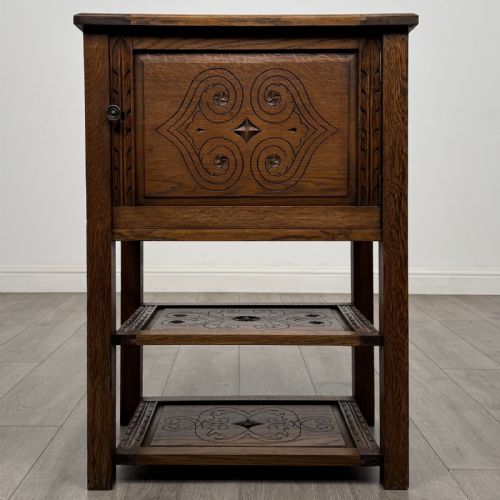
Some multifunctional Edwardian variants double as sewing troughs and lamp stands alongside their primary book storage role.
Assessing quality
The calibre of a piece often rests on the choice of timber and the restraint of its decoration, where subtle inlay or carved detailing enhances the design without overwhelming the clean lines. Proportion and timber matching across prominent surfaces separate standard utility items from finer workshop commissions.
The integration of practical elements, such as smoothly functioning adjustable shelf mechanisms and robust structural framing, dictates the enduring utility of the furniture.
Heals
The Edwardian Open Shelves Glossary
- Adjustable shelves
- Internal boards that can be moved to different heights using a system of pegs, slots, or ratchets. This adaptability allows the furniture to house volumes of varying sizes.
- Inlay
- A decorative technique where contrasting woods or materials are set flush into the surface of the primary timber. This method creates geometric patterns or floral motifs.
- Waterfall bookcase
- A standing shelving unit where each successive tier steps back from the one below it. The profile resembles cascading water.
- Brass castors
- Small wheels made of brass attached to the base of furniture legs. They facilitate movement across carpets and floorboards.
Edwardian Open Shelves: Frequently Asked Questions
Where should I place these shelves?
These pieces suit living rooms, studies, and hallways where accessible book storage is required. Their open format keeps everyday reading material close at hand.
Lower models can function as side tables or lamp stands while simultaneously holding volumes, making them adaptable additions to smaller rooms.
How do I adjust the shelves?
Most period examples utilise traditional wooden supports, brass studs, or shelf tracks set into the interior sides. Lifting the board allows the supporting brackets to be repositioned into alternative slots.
Care should be taken when moving older timbers to avoid catching the veneer or scratching the interior finish.
Are these pieces suitable for heavy books?
Solid oak and mahogany constructions provide robust support for extensive libraries. The thickness of the timber and the condition of the shelf supports determine the weight capacity.
Distributed weight across adjustable shelving prevents bowing over extended periods of use.
How do I distinguish Edwardian from Victorian models?
Edwardian designs generally favour lighter proportions, simpler lines, and brighter timber tones compared to heavier, darker Victorian counterparts. Stylistic influences often lean towards Arts and Crafts simplicity rather than ornate Victorian carving.
Mahogany and oak appear across both eras, but Edwardian pieces frequently display more restrained inlay and brighter finishes.