



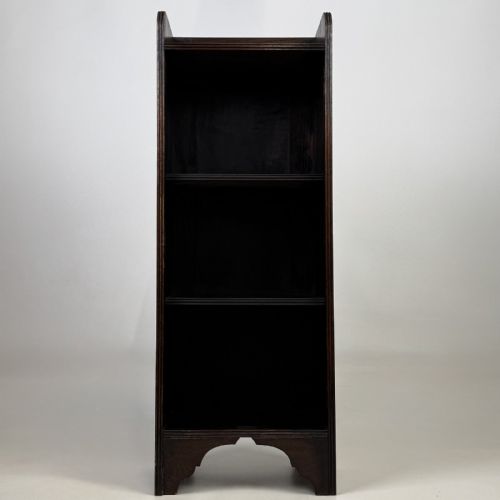
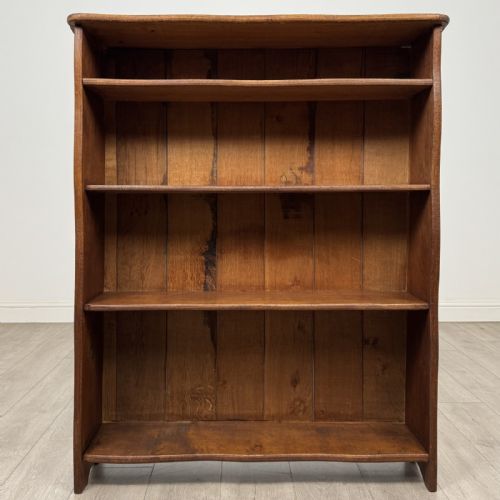

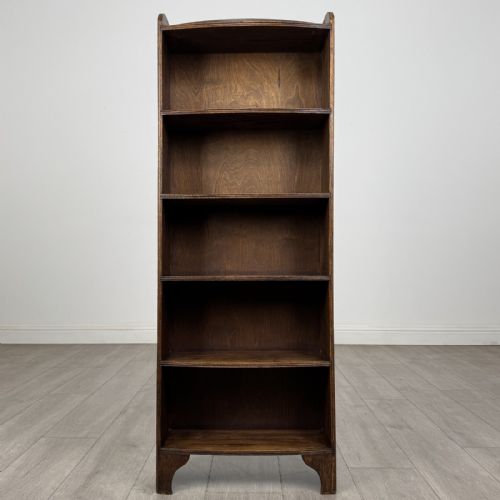

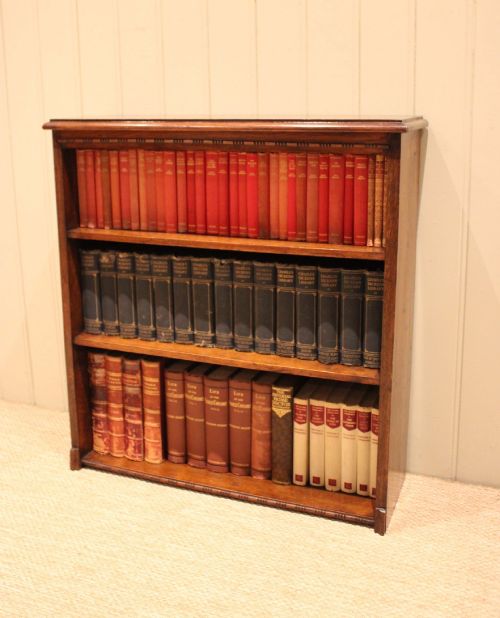
Edwardian Oak Bookshelf
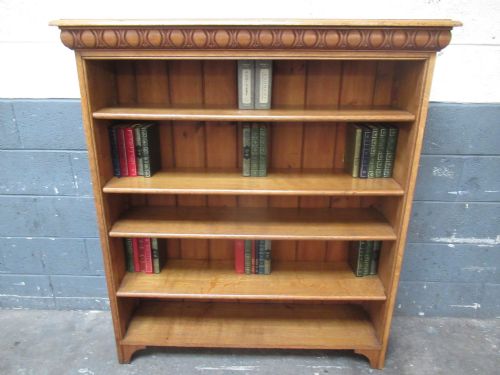
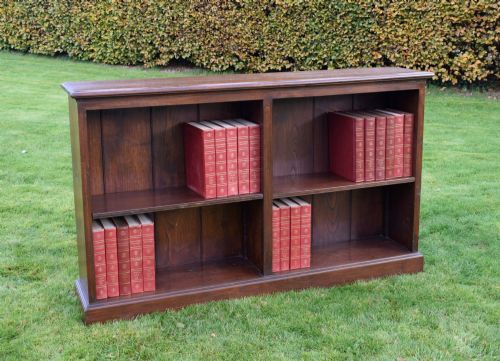
An edwardian oak bookshelf brings honest timber and sturdy practicality to a room, offering open display or compact storage for a growing collection of volumes.

Edwardian Oak Bookshelf
An edwardian oak bookshelf provides practical open storage for volumes, and buyers searching this phrase generally encounter sturdy, straightforward pieces designed for daily household use. These items reflect the domestic architecture of the early twentieth century, prioritising utility alongside simple decorative touches.
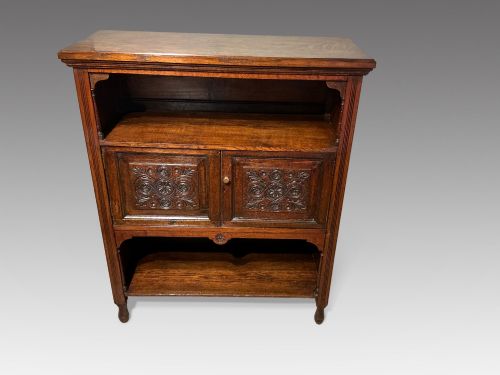
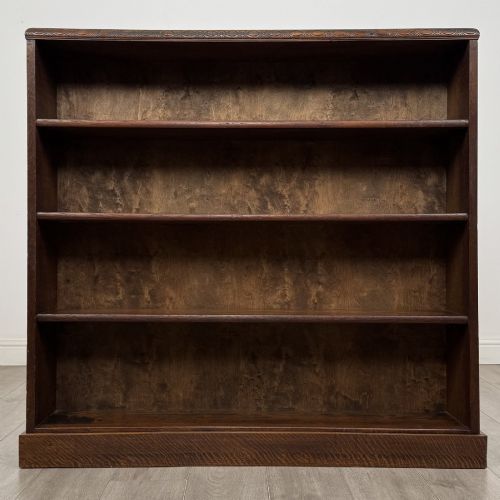
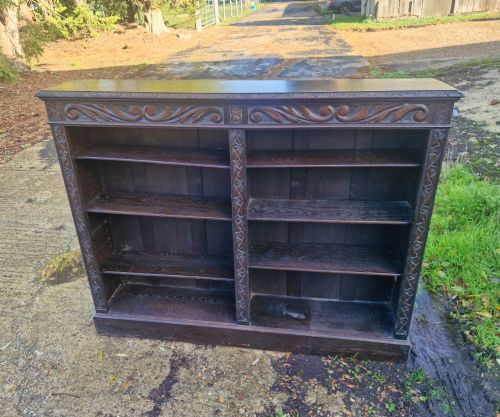
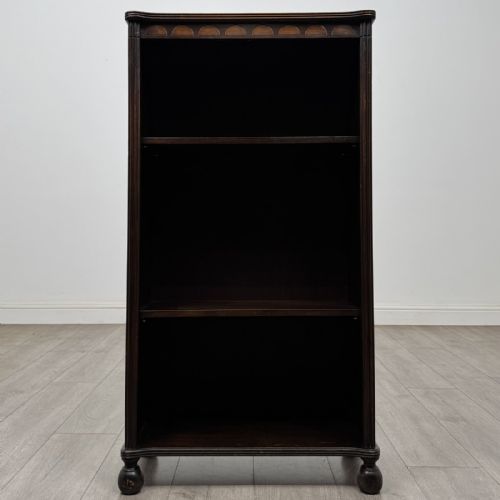
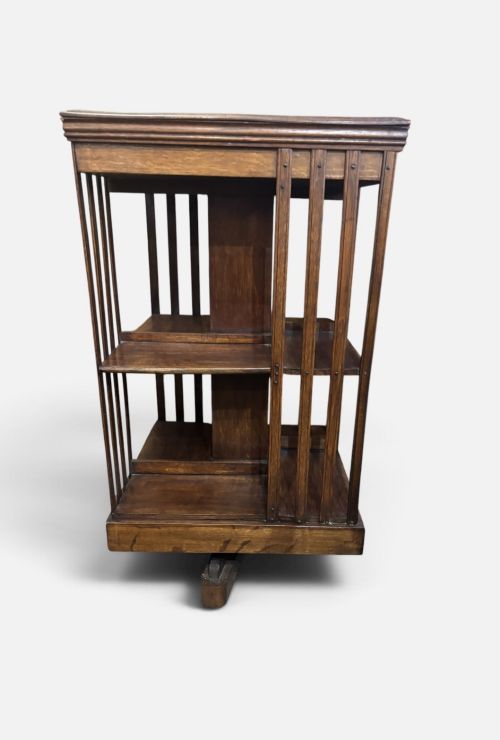
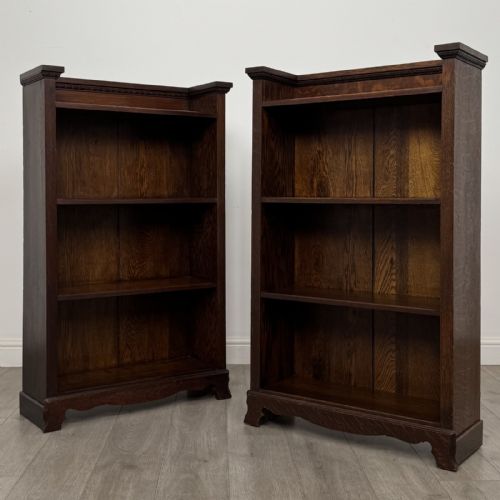
The most common form on this page is the open-front bookcase, though variations include revolving book stands, small side tables with integrated shelving, and larger library pieces. These items frequently display the golden or dark tones characteristic of early twentieth-century cabinetmaking.
While many pieces date strictly to the Edwardian period, related examples from the late Victorian era and the 1920s appear alongside them. Stylistic influences range from plain utilitarian formats to Arts and Crafts designs and Jacobean Revival details.
How they were made
Cabinetmakers utilised solid oak alongside darker oak variants, relying on the natural grain of the timber to provide visual interest without excessive ornamentation. Construction methods prioritised durability, employing sturdy joints and occasionally incorporating adjustable shelves to accommodate varying book sizes.
Metal and brass components appear in hinges, brackets, and sometimes decorative mounts, adding functional contrast to the timber. Selected pieces incorporate subtle marquetry or carved beaded edges, reflecting the hand-finished ethos of the Arts and Crafts movement.
Edwardian Oak Bookshelf Retail Price Guide 2026
Typical asking prices for edwardian oak bookshelf among the pieces listed under this phrase on Sellingantiques today, from the lower quarter to the upper quarter. They describe what is for sale here now, not the wider market.
The inventory spans Victorian, Edwardian, and 1920s periods, uniting open bookcases with revolving stands.
What varies in quality
Quality in these pieces rests primarily on the selection of timber and the integrity of the joinery rather than elaborate decoration. Superior examples demonstrate thoughtful proportion, solid backboards, and refined detailing such as carved beaded edges or well-executed Arts and Crafts styling.
Functional refinements also distinguish the range, as pieces with smoothly adjustable shelving or stable revolving mechanisms represent higher tiers of craftsmanship. The weight of the timber and the depth of the oak grain further separate standard utilitarian items from finer workshop output.
The Edwardian Oak Bookshelf Glossary
- Open bookcase
- A shelving unit without doors, designed for easy access to books. This form dominates the selection.
- Arts and Crafts
- A design movement valuing handcraftsmanship and simple forms over mass production. Pieces in this style often show honest construction and understated detail.
- Revolving bookcase
- A small, rotating shelving unit designed to sit on a floor or table. It allows easy selection of volumes from multiple angles.
- Marquetry
- The art of applying pieces of veneer to a structure to form decorative patterns. It appears sparingly on selected timber surfaces.
Edwardian Oak Bookshelf: Frequently Asked Questions
How do I care for an oak bookshelf?
Keep the timber away from direct heat sources and sudden temperature shifts to prevent the wood from drying out or splitting. Dust regularly with a soft cloth and occasionally feed the surface with a suitable beeswax.
Avoid using silicone-based polishes that build up a film over time. A light touch preserves the natural lustre of the oak grain.
What is the difference between Edwardian and Victorian oak?
Victorian oak furniture tends to be heavier, darker, and frequently incorporates dense carvings or Gothic and Aesthetic Movement influences. The proportions are often substantial and imposing.
Edwardian pieces generally lean towards lighter golden tones, simpler lines, and the influence of the Arts and Crafts movement. They reflect a shift towards brighter, more compact domestic spaces.
Can these bookshelves support heavy books?
Solid oak construction provides inherent strength, making these pieces well-suited for holding substantial volumes and reference books. Thick timber boards resist sagging under normal domestic loads.
For exceptionally heavy collections, check the thickness of the shelves and the stability of the uprights. Distributing weight evenly across the tiers ensures long-term preservation.