





Warm Brown Bookshelf
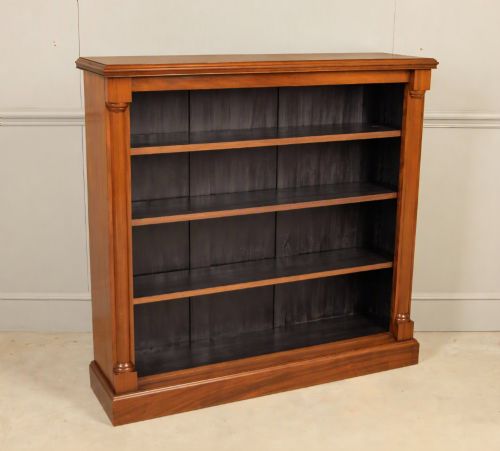
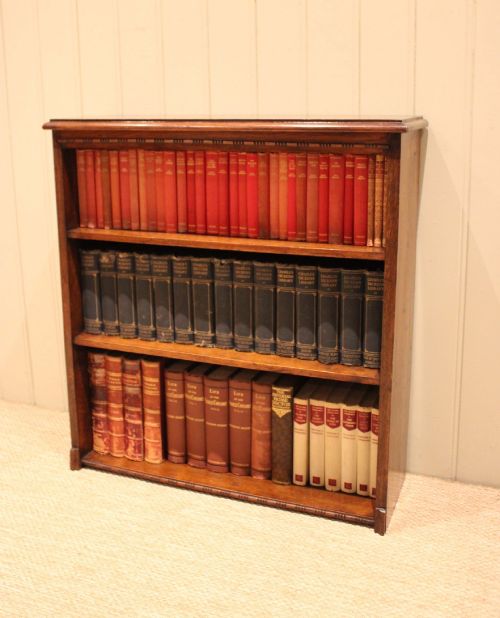
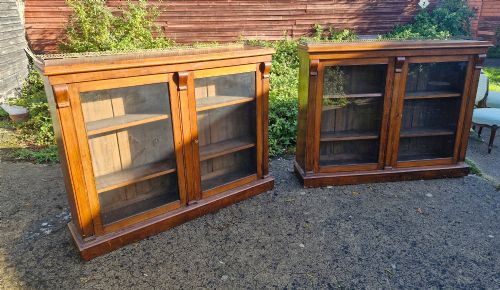
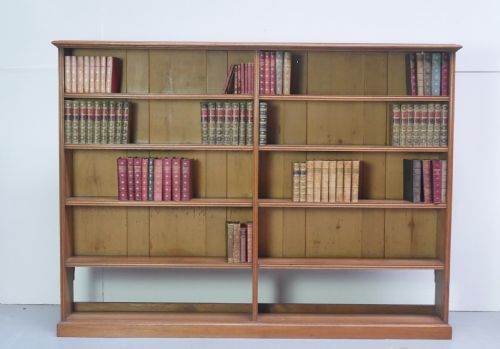
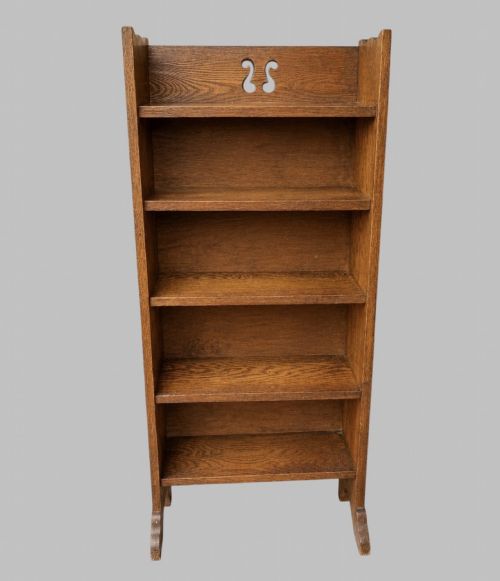
These pieces give a room a warm brown bookshelf presence, combining sturdy utility with rich timber tones for practical storage.
Warm Brown Bookshelf
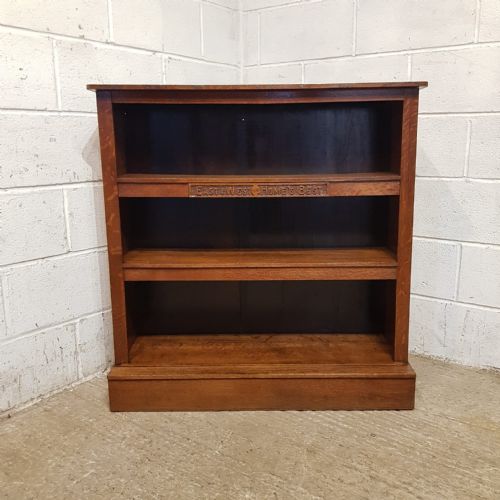
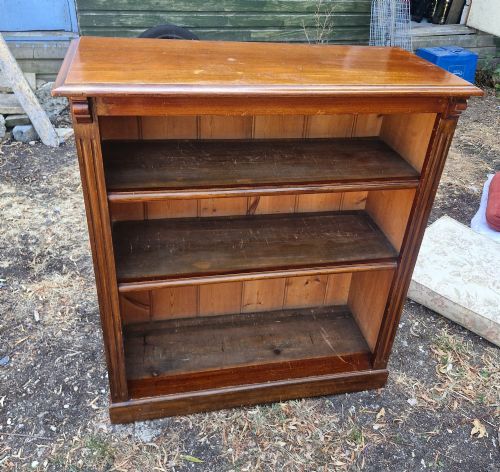
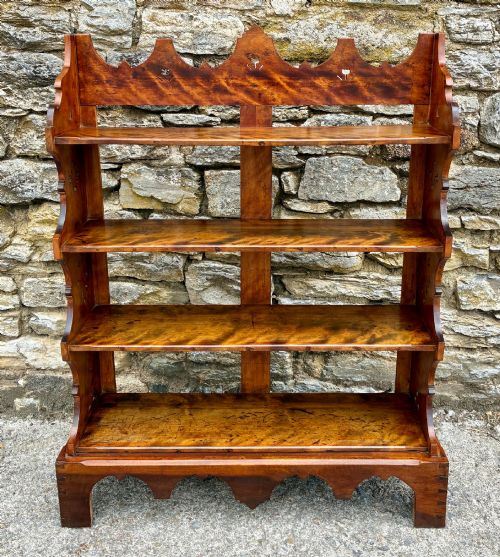
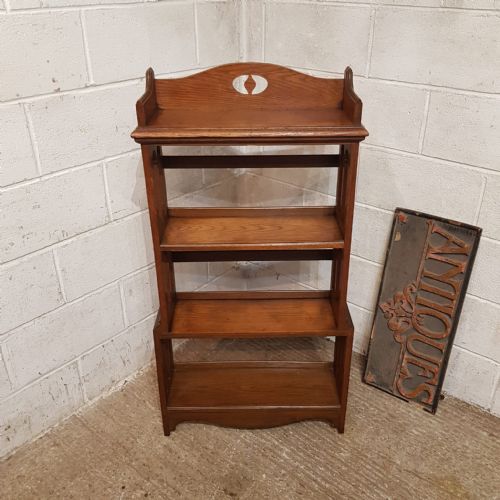
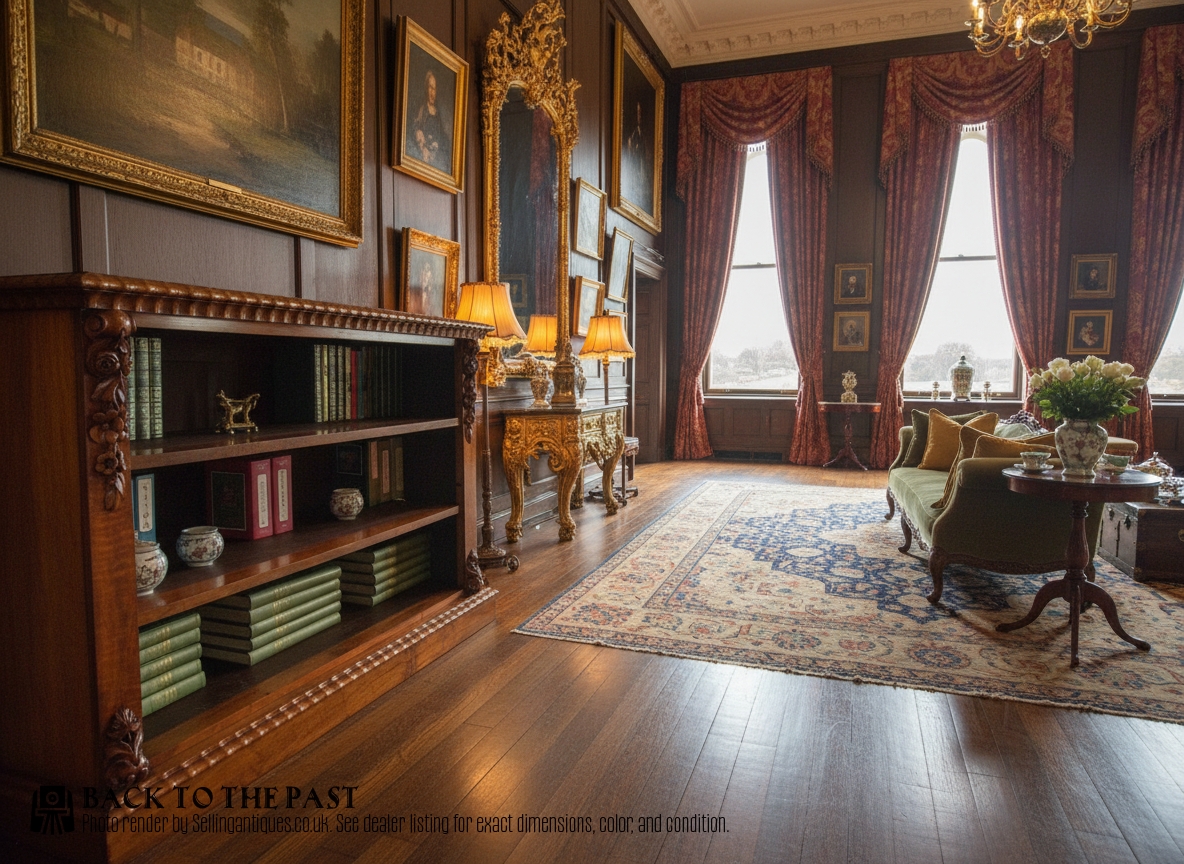
A warm brown bookshelf provides accessible shelving for domestic libraries, appearing across Victorian, Edwardian, and early twentieth-century periods. The examples found here take the form of open bookcases, adjustable library pieces, and occasional whatnots.
Most entries belong to the Victorian and Edwardian eras, spanning from the late nineteenth century into the nineteen-thirties. Buyers frequently encounter open front configurations alongside waterfall designs and revolving variants.
Origins stretch from standard British cabinet making to French provincial workshops and Sheraton revival interpretations. These pieces suit studies and living spaces where books need both display and straightforward access.

How they were made
Construction relies heavily on traditional hardwoods like oak, walnut, and mahogany, supplemented by occasional satinwood, pine, and exotic veneers. Cabinet makers utilised these timbers for their structural stability and deep grain patterns.
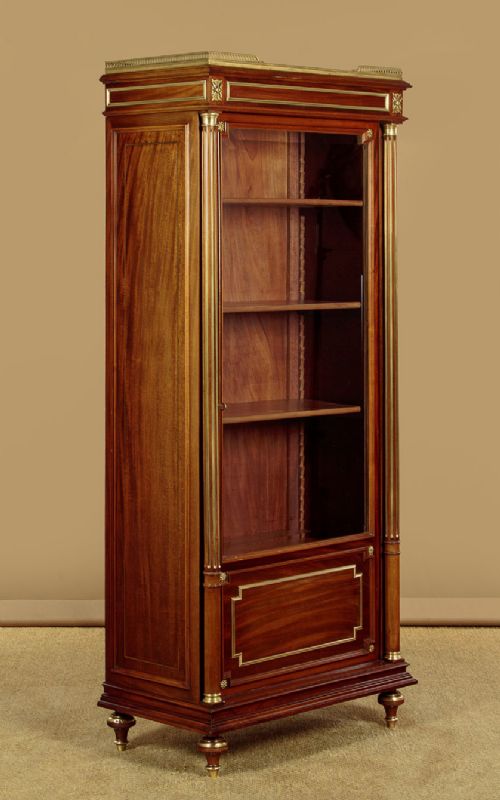
Decorative touches include fret-cut woodwork, marquetry inlay, and brass hardware, particularly on French and Sheraton revival examples. Adjustable shelving mechanisms appear in several library bookcases to accommodate varying book heights.
Warm Brown Bookshelf Retail Price Guide 2026
Typical asking prices for warm brown bookshelf among the pieces listed under this phrase on Sellingantiques today, from the lower quarter to the upper quarter. They describe what is for sale here now, not the wider market.
A revolving bookcase allows owners to spin an entire library selection with a single push, solving the age-old problem of awkward corner reaches.
What varies in quality
Quality rests on the selection of timber veneers, the precision of fret-cut details, and the refinement of inlay work. Pieces featuring figured walnut or finely matched mahogany stand apart from utilitarian deal wood items.
Construction methods such as integrated adjustable shelving systems and robust joinery distinguish standard utilitarian furniture from finer library pieces.
Edwards and Roberts
The Warm Brown Bookshelf Glossary
- Waterfall bookcase
- A tiered piece of shelving where each lower tier projects further forward than the one above. This form became popular during the Victorian and Edwardian periods.
- Sheraton revival
- A late nineteenth-century style drawing inspiration from the neoclassical designs of Thomas Sheraton. It often incorporates satinwood and delicate marquetry.
- Whatnot
- An open set of freestanding shelves used for displaying small objects and books. Victorian examples sometimes feature serpentine or tiered fronts.
- Fret-cut
- Woodwork pierced or perforated with a decorative pattern using a fine saw. This technique appears on the sides or galleries of early twentieth-century oak bookcases.
Warm Brown Bookshelf: Frequently Asked Questions
How do I date a warm brown bookshelf?
Dating relies on identifying timber choices, stylistic markers, and construction methods. Victorian and Edwardian pieces often display heavier proportions or specific revival motifs.
Examining the backboards and shelving mechanisms also helps determine whether a piece originates from the nineteenth or early twentieth century.
Where should I place a waterfall bookshelf?
Waterfall bookshelves suit smaller spaces, alcoves, or corners where standard rectangular cabinets prove too bulky. Their graduated tiers create a lighter visual profile against a wall.
They work well for holding everyday reading material within easy reach.
How do I clean walnut veneer?
Walnut veneer requires gentle dusting with a soft, dry cloth to prevent moisture damage to the thin outer timber layer. Avoid harsh modern chemical polishes that can degrade historical finishes.
Application of traditional beeswax helps nourish the grain without buildup.