

Antique Book Display
An antique book display brings together crafted timber and favourite volumes, offering both storage and a clear view of bindings.
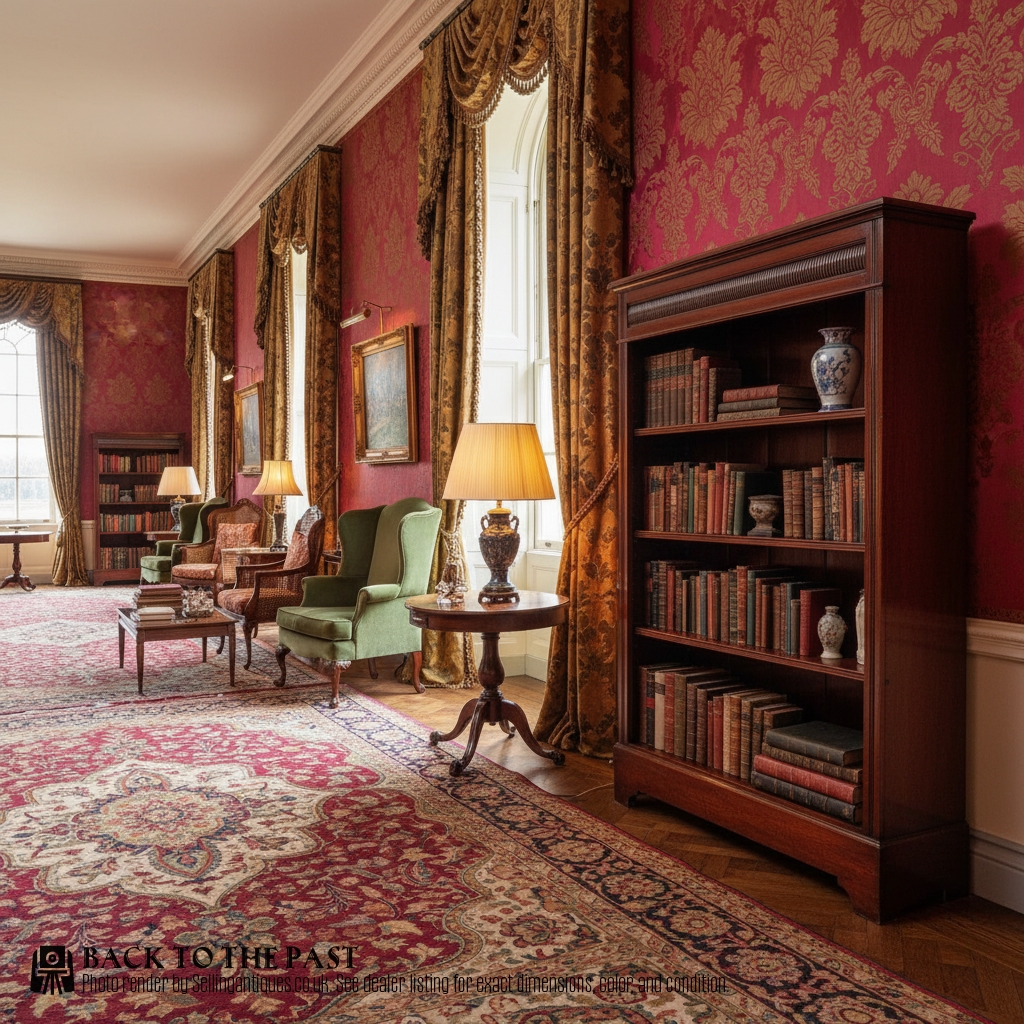
Antique Book Display
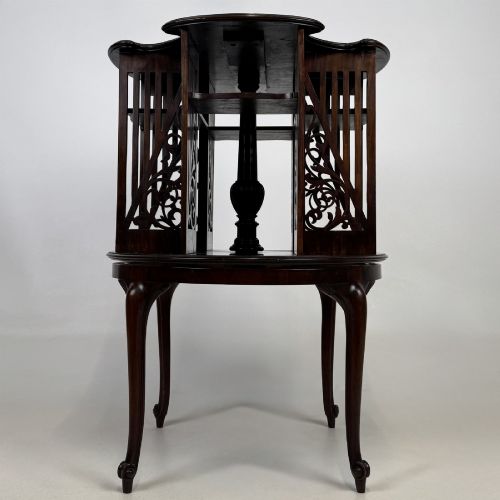
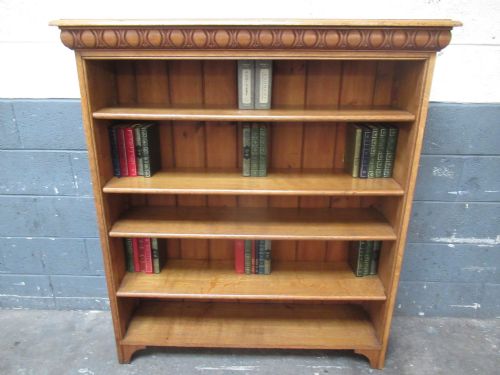
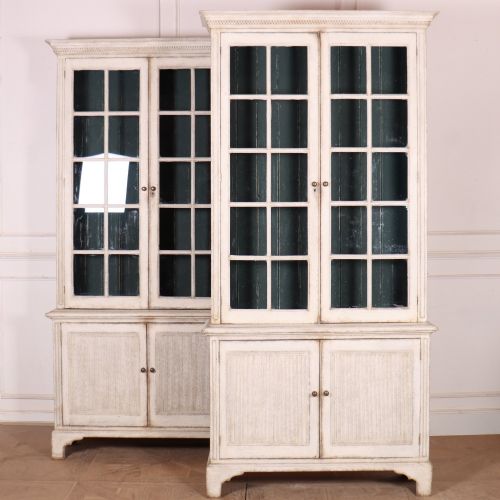
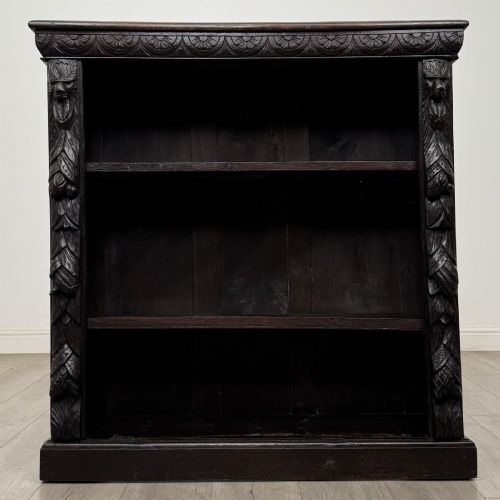
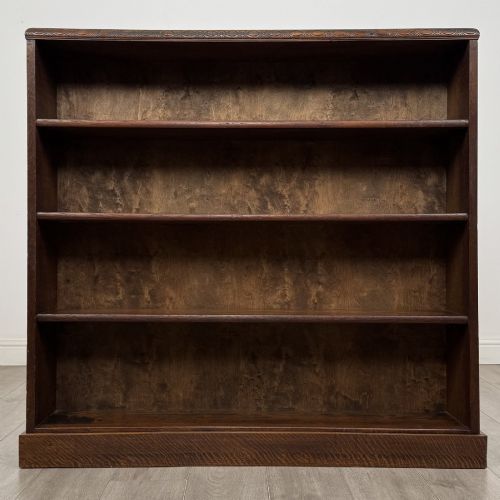
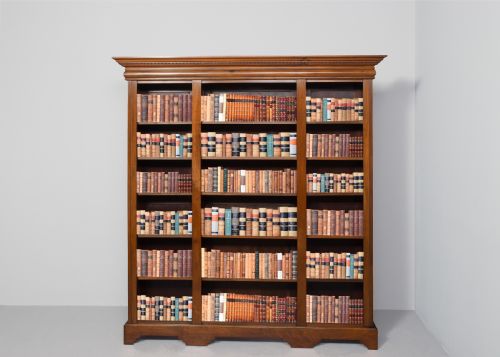
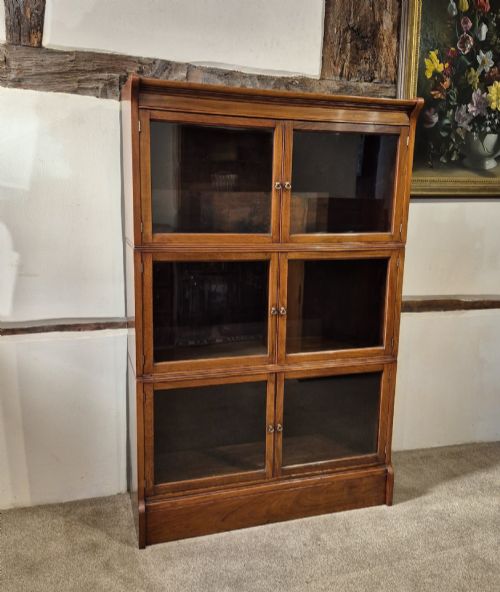
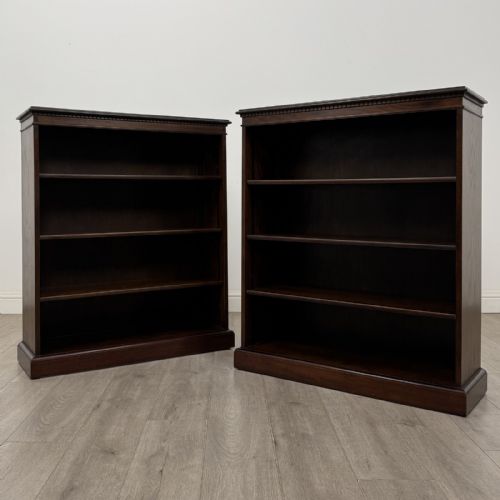
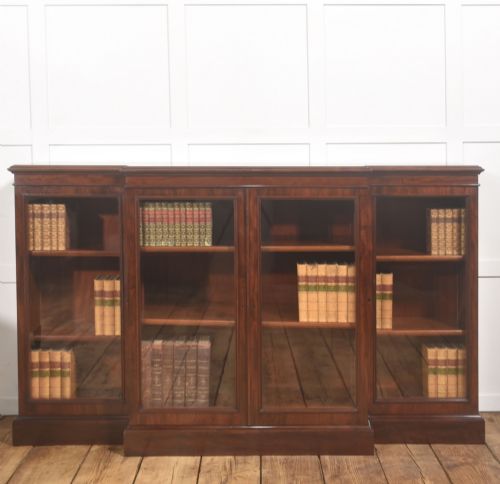
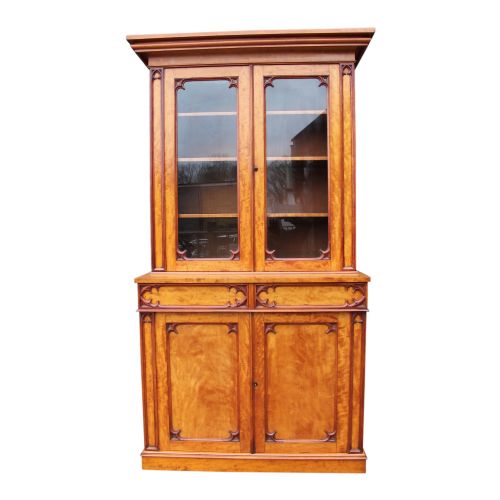
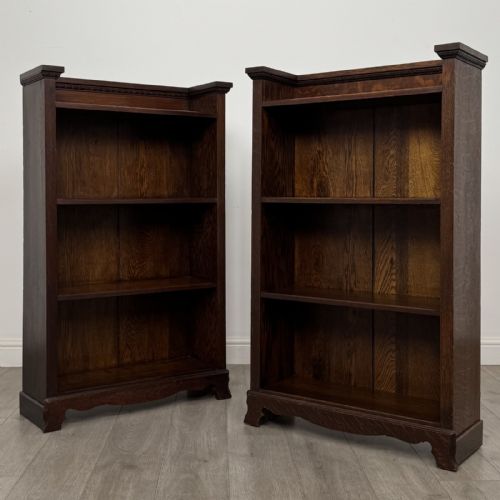
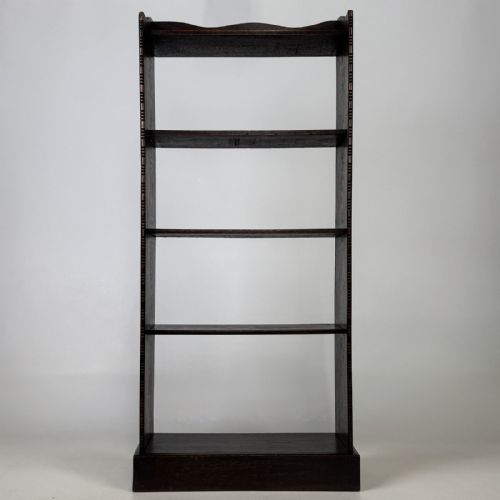
When searching for an antique book display, buyers encounter a wide variety of furniture designed to house and exhibit libraries, ranging from compact open shelves to grand glazed cabinets. The selection includes open bookcases, revolving designs, and tiered etageres alongside enclosed display cabinets with timber or glass doors.
The pieces spanning this category hail primarily from the Georgian, Victorian, and Edwardian eras, with many robust examples originating in the early twentieth century. Buyers are most likely to meet practical oak and mahogany open bookcases, alongside refined walnut and satinwood pieces featuring glazed panels suited for domestic interiors.
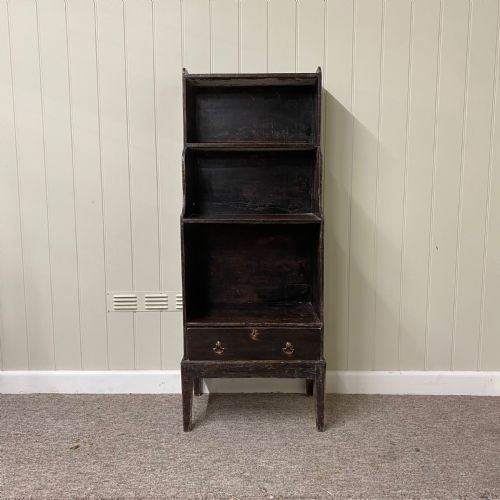
Form follows function across these items, offering options from narrow wall-mounted shelves to substantial breakfront library cabinets. Whether seeking a rustic Edwardian oak unit or a structured Regency waterfall bookcase, the selection accommodates diverse spaces and collection sizes.
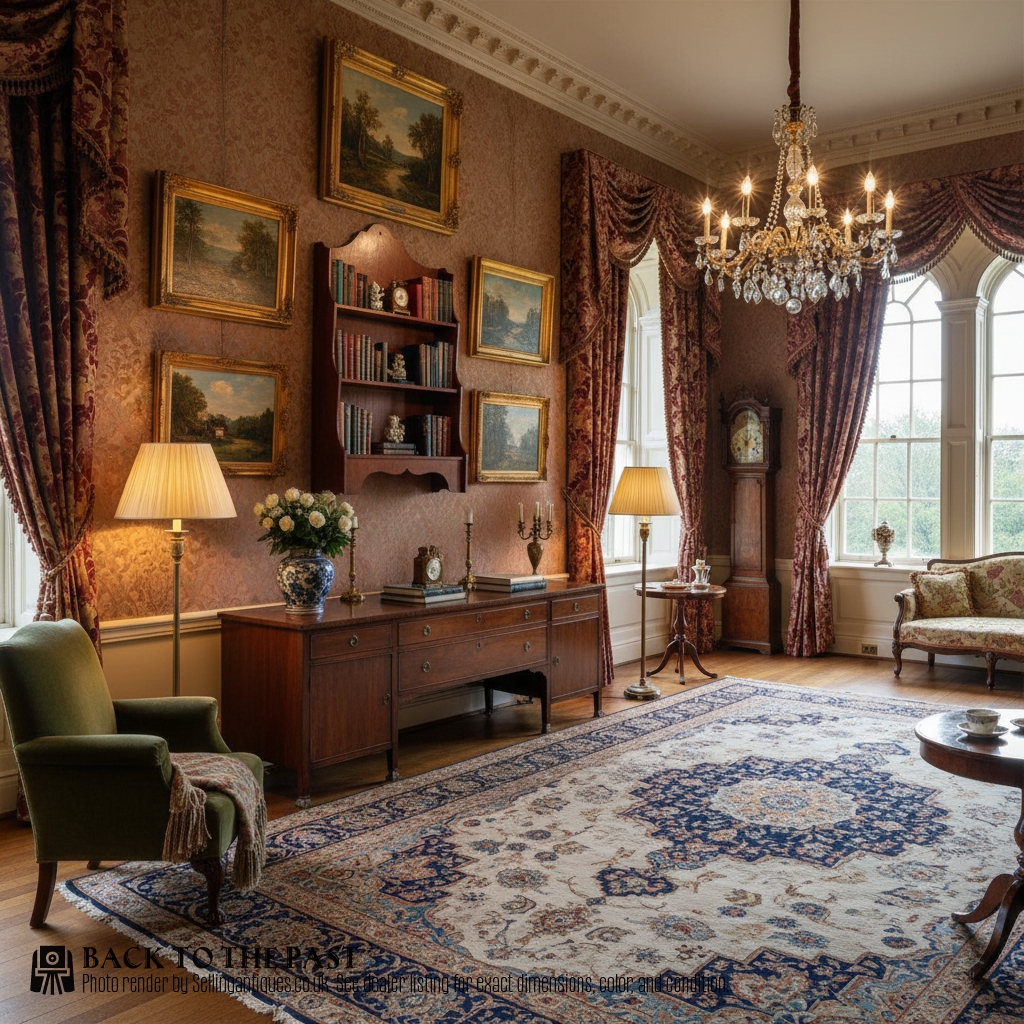
Materials and construction methods
Cabinet makers relied heavily on sturdy timbers such as oak, mahogany, and walnut, often selecting figured veneers and exotic woods like rosewood and satinwood for decorative surfaces. These woods were worked by hand or with early mechanical assistance to build rigid carcases capable of supporting heavy volumes.
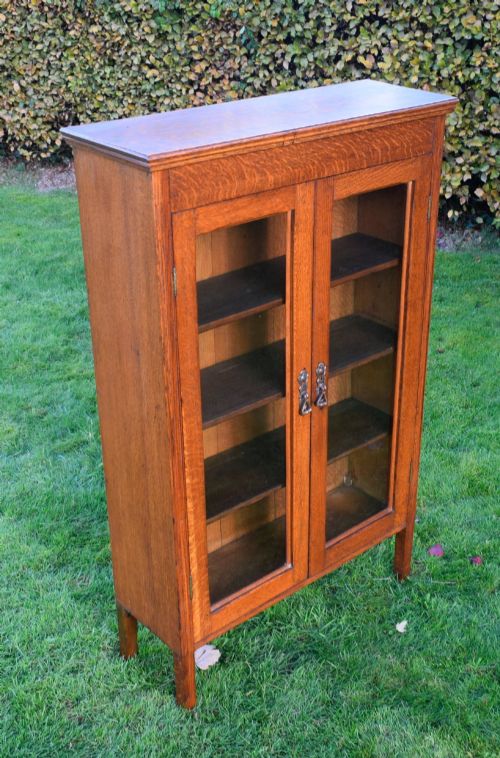
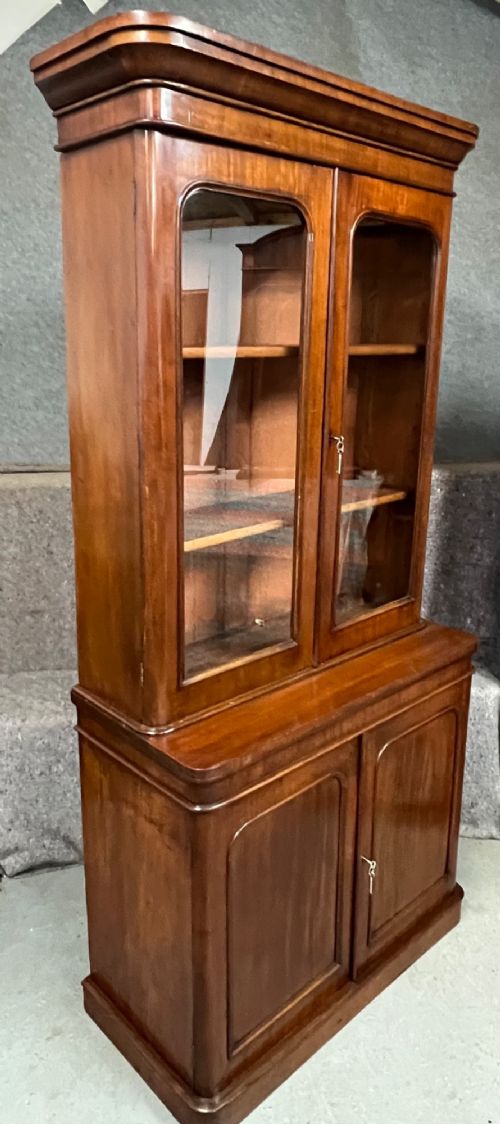
Glazing techniques defined enclosed display pieces, incorporating leaded glass or delicate wooden astragal bars to secure individual panes within cabinet doors. Brass hardware, including hinges, handles, and adjustable shelf brackets, provided both functional durability and subtle ornamentation.
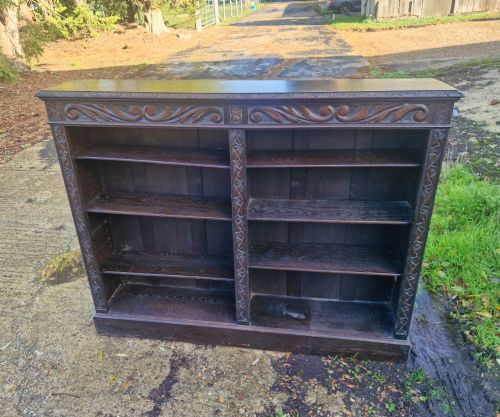
Inlaid details such as boxwood stringing, marquetry, and carved fretwork showcase the decorative aspirations of makers working in Victorian, Edwardian, and Arts and Crafts traditions. Joinery methods prioritised stability, ensuring that upright frames and fixed or adjustable shelves could bear the weight of extensive libraries.
Antique Book Display Retail Price Guide 2026
Typical asking prices for book display among the pieces listed under this phrase on Sellingantiques today, from the lower quarter to the upper quarter. They describe what is for sale here now, not the wider market.
Listings feature oak, mahogany, walnut, and rosewood across periods spanning from Georgian to Art Deco.
Distinguishing quality in construction and finish
Superior examples demonstrate meticulous timber selection, using well-figured mahogany, burr walnut, or quarter-sawn oak with harmonious grain patterns across the entire facade. Lower grades often rely on plainer woods with less consistent finishing or simpler, heavier structural proportions.
The refinement of decorative elements sets exceptional pieces apart, visible in precise marquetry inlay, finely moulded cornices, and crisply executed wood carvings. Finer cabinets feature original, unblemished glass panes and smooth mechanisms for adjustable shelving rather than crude, fixed interior arrangements.

T. Inglesant & Sons Leicester
The Antique Book Display Glossary
- Astragal glazed
- A method of framing glass door panels with slender wooden mouldings that divide the window into smaller geometric sections. This technique is frequently seen on Georgian and Regency library cabinets.
- Breakfront
- A piece of furniture featuring a central section that projects forward from the flanking wings. This architectural arrangement creates depth and shadow on large library bookcases.
- Waterfall bookcase
- A stepped shelving unit where each successive shelf is shallower than the one below it, creating a cascading profile. These pieces became popular during the Regency and Edwardian periods.
- Etagere
- An open piece of furniture consisting of several tiers or shelves supported by columns or slender uprights, used for displaying books and decorative objects. They often feature delicate woodwork and compact proportions.
- Marquetry
- The art of applying decorative veneer pieces of various woods to a structural surface to create pictorial or geometric patterns. It is commonly found on high-status Victorian and Edwardian display cabinets.
Antique Book Display: Frequently Asked Questions
What is an antique book display?
An antique book display encompasses furniture designed to store and showcase reading material, ranging from open shelving units to enclosed glazed cabinets. These pieces combine practical shelving with timber framing.
They reflect the aesthetic preferences of periods like the Georgian, Victorian, and Edwardian eras, serving both domestic libraries and formal drawing rooms.
Were these pieces used only for books?
While primarily built for libraries, many glazed display cabinets and etageres were equally utilised for china, curiosities, and decorative ornaments. The crossover between bookcase and vitrine is common in domestic settings.
Adjustable shelving often allowed owners to reconfigure interiors to accommodate varying heights of books or display objects.
How do I identify the period of a bookcase?
Dating relies on observing timber choices, decorative motifs, and construction techniques characteristic of specific eras, such as heavy carved oak for Victorian pieces or light mahogany inlay for Edwardian items. Hardware styles also offer chronological clues.
Examining internal construction methods helps distinguish older handmade pieces from later revival items.