
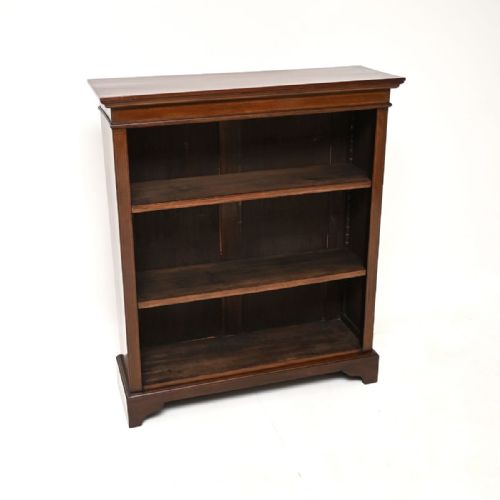
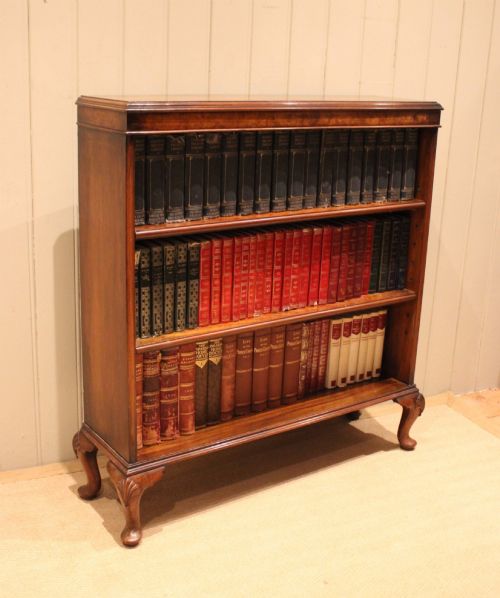
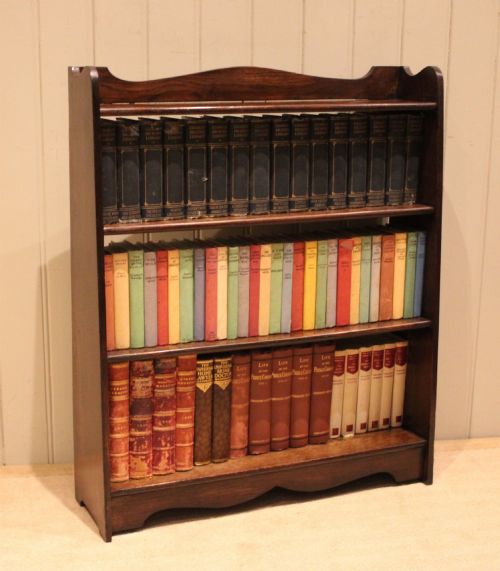
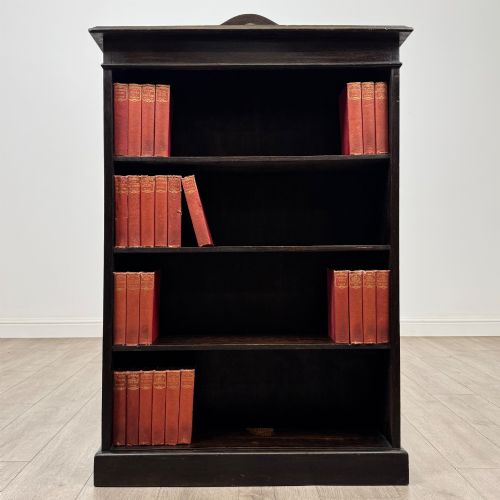

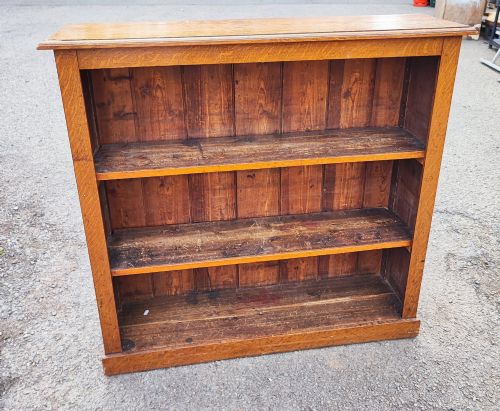
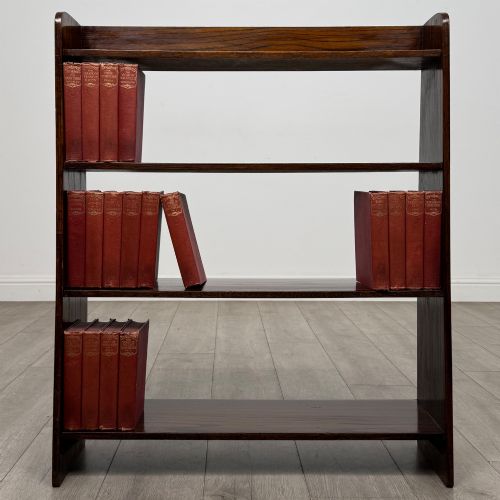
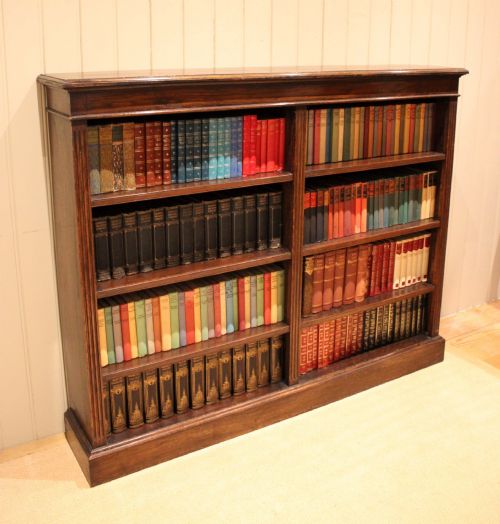
Edwardian Wooden Bookcase
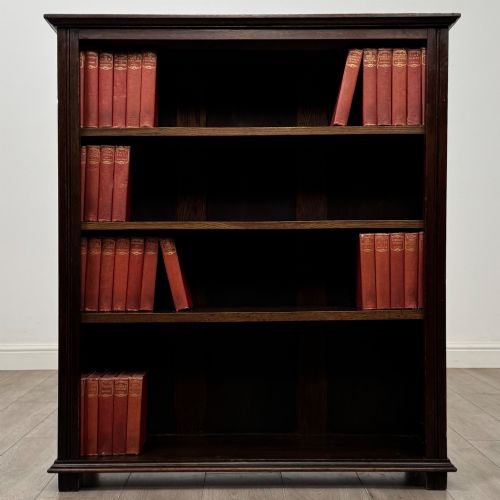
An edwardian wooden bookcase brings practical storage and refined period character into a room through honest craftsmanship and warm timber tones.
Edwardian Wooden Bookcase
When you search for an edwardian wooden bookcase, you encounter practical storage pieces designed to house private libraries and display treasured volumes. The pieces found here span the Edwardian era alongside late Victorian and early twentieth-century examples, reflecting the transition in domestic interiors.
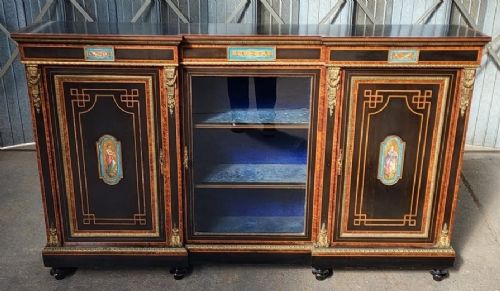
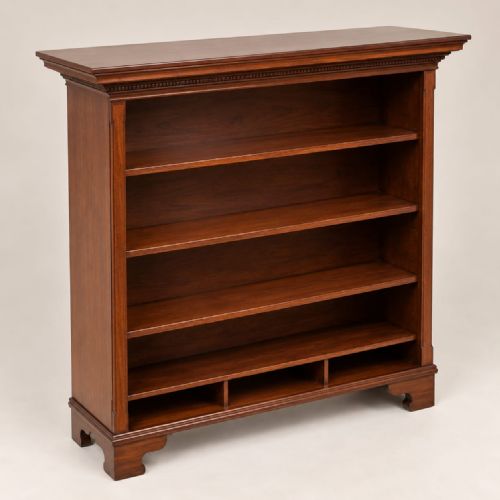
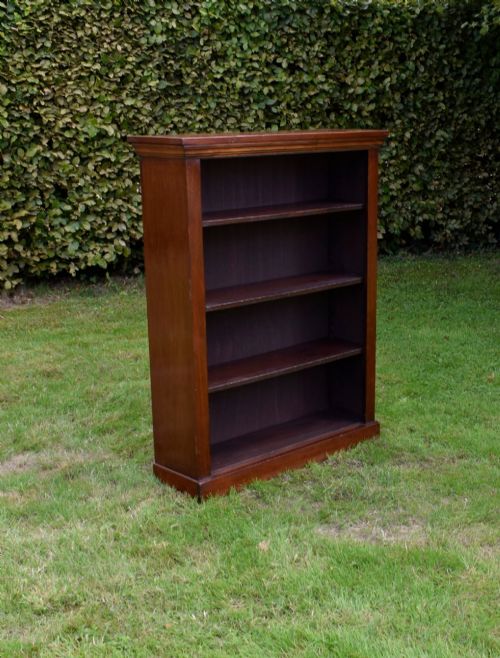
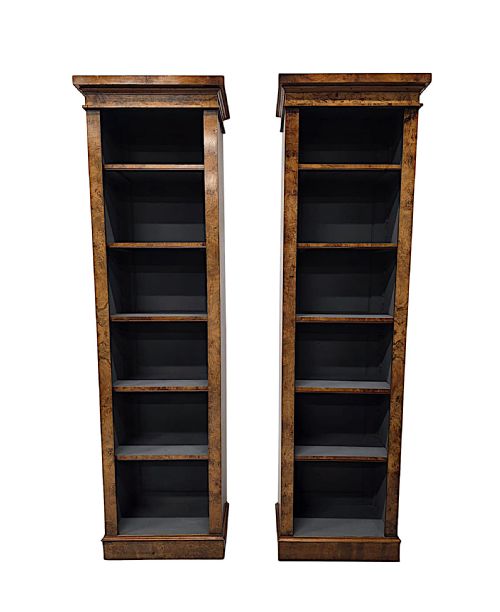
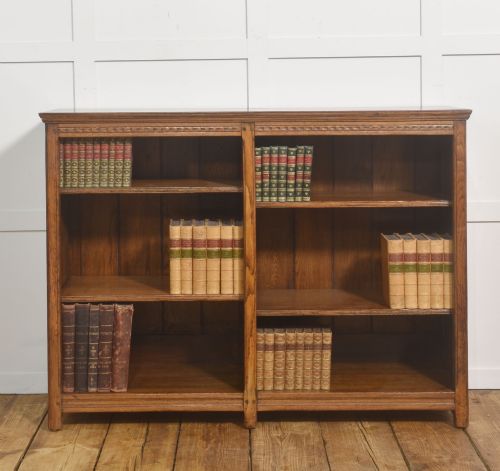
You meet open bookcases, revolving designs, and glazed cabinets suited for varying room layouts. Oak and mahogany dominate the selection, often complemented by satinwood, walnut, and burr walnut veneers.
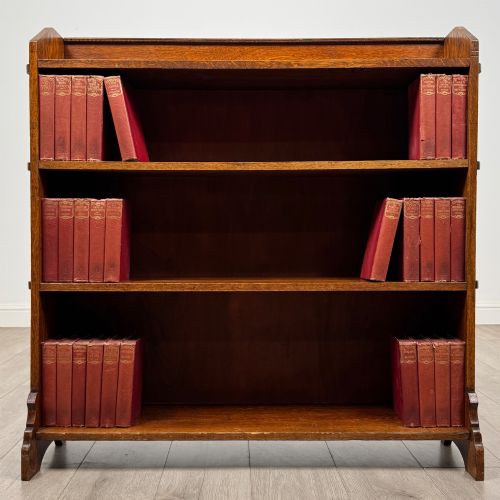
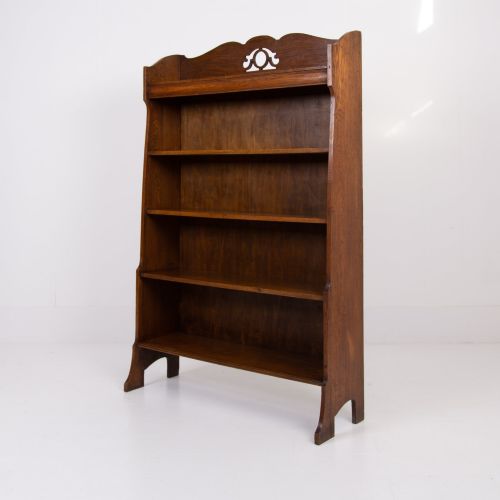
The aesthetic reaches from plain utilitarian designs to revival styles and Arts and Crafts pieces. These formats range from small wall-adjacent shelves to large library bookcases and stacking barristers' versions.
Materials and Construction Techniques
Cabinetmakers utilised solid timbers such as oak and mahogany for structural integrity, frequently applying figured veneers like burr walnut or satinwood to visible surfaces for visual depth. Brass hardware, including castors and hinges, provides functional detail on finer pieces.
Construction methods include adjustable shelving systems and robust joinery designed to support heavy volumes without sagging. Glazed doors utilise individual glass panes set within timber frames, while revolving mechanisms allow access from multiple angles.
Markers of Distinction
Quality separates utilitarian utility furniture from pieces made for formal drawing rooms through the selection of timber and subtlety of ornament. Selection of figured veneers and the inclusion of inlaid banding indicate greater workshop investment.
The presence of adjustable shelving mechanics and solid timber backs rather than thin plywood signals superior construction. Refining details such as brass castors and well-fitted joinery elevate standard storage into notable cabinetwork.
The Edwardian Wooden Bookcase Glossary
- Edwardian
- Pertaining to the reign of King Edward VII, spanning from 1901 to 1910, characterised by lighter proportions and revivalist decoration. This era followed Victorian heaviness with brighter, airier domestic furniture.
- Open Bookcase
- A shelving unit without doors, providing direct access to books. These pieces often feature adjustable shelves supported by wooden pegs or metal tracks.
- Revolving Bookcase
- A compact, rotating shelving unit designed to sit on a table or floor for easy access in a study or library. The internal pivot mechanism allows the entire tier of books to spin.
- Satinwood
- A durable, yellowish timber from Ceylon and India prized for its luminous grain and used as a fine veneer or banding. It frequently appears in Sheraton Revival pieces.
Edwardian Wooden Bookcase: Frequently Asked Questions
How do I adjust the shelves?
Many period bookcases feature adjustable shelving resting on wooden support pins or metal rack strips set into the interior sides. You simply lift the shelf to clear the supports and reposition it at the desired height.
Older mechanisms require care when shifting timber that has settled over decades. Ensure the shelf rests evenly on all four supports to maintain stability.
Where should I place a revolving bookcase?
Revolving models suit smaller spaces or corners where stationary shelving proves impractical. Their rotating action makes them functional beside an armchair or desk for frequently referenced volumes.
Allow sufficient clearance around the perimeter so the unit spins freely without striking walls or surrounding furniture.
How do I care for the wood?
Maintain timber surfaces by dusting with a dry, soft cloth and occasionally applying a quality beeswax to nourish the grain. Avoid chemical sprays or silicone polishes that build up sticky residue over time.
Keep wooden furniture away from direct heat sources and strong sunlight to prevent the timber and veneers from drying out or fading.
What is an Arts and Crafts bookcase?
An Arts and Crafts bookcase prioritises honest construction, visible joinery, and the natural grain of oak over applied surface ornament. These pieces reflect a design philosophy that celebrated the hand of the maker and utility.
They often feature straightforward geometric lines and sturdy pegged tenon joints rather than revivalist veneers or classical inlay.