



Antique Oak Shelving
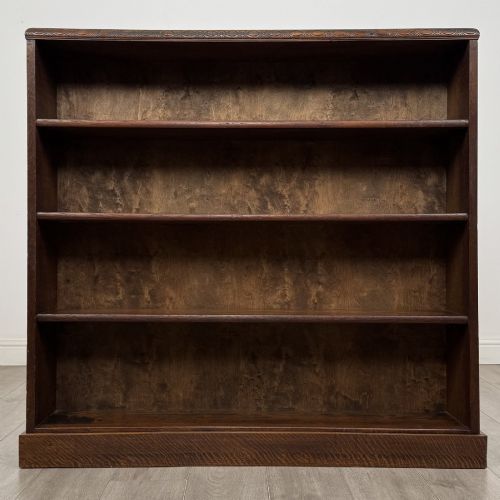
Antique oak shelving brings dependable timber storage into a room, spanning open bookcases, dressers, and display cabinets.
Antique Oak Shelving
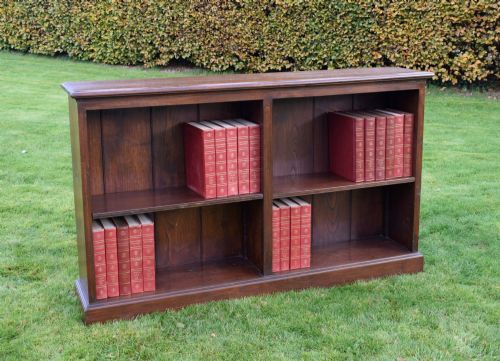
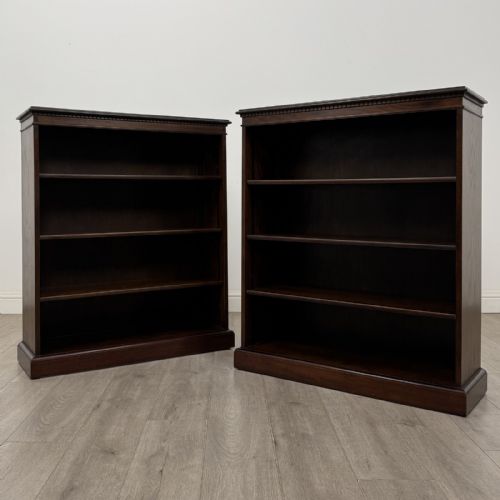
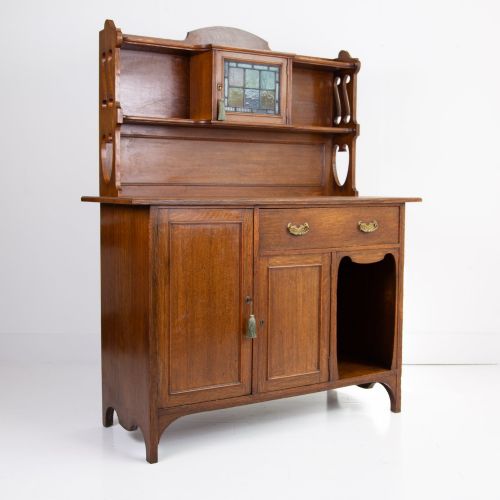
Antique oak shelving encompasses practical storage furniture designed to hold books and display objects. These pieces range from open bookcases and library shelving to Welsh dressers and buffets.
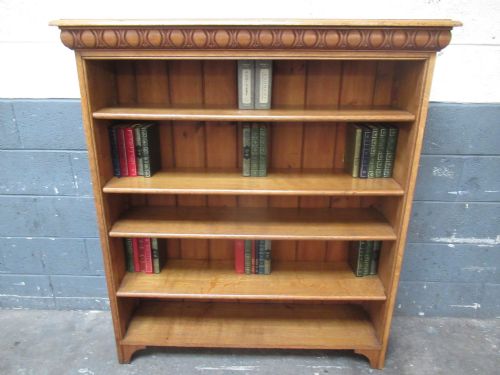
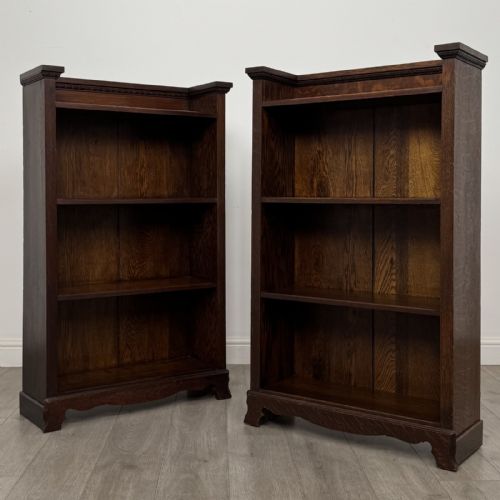
The version most commonly met on this page is the open bookcase from the Edwardian period or the nineteenth century. These items typically feature straightforward timber construction suited for everyday domestic use.
How they were made
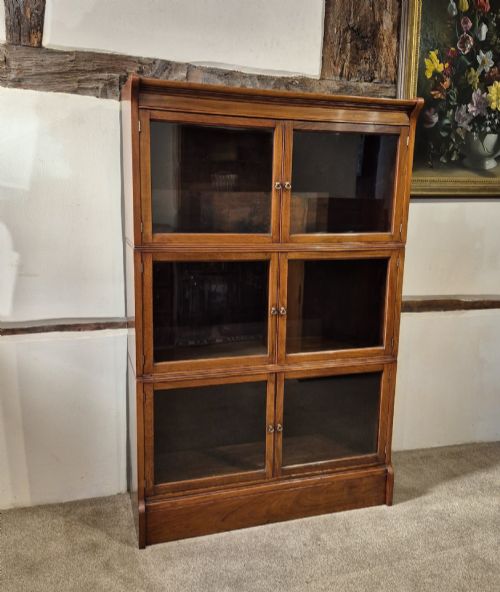
Makers utilised solid oak alongside varieties such as golden oak, dark oak, and ebonised oak. Metal elements including brass, iron, and glass appear in handles, hinges, and glazed doors.
Joinery methods involved traditional woodworking techniques suited to heavy timber, supplemented by carved detailing, beaded edges, and adjustable shelves where required.
Antique Oak Shelving Retail Price Guide 2026
Typical asking prices for oak shelving among the pieces listed under this phrase on Sellingantiques today, from the lower quarter to the upper quarter. They describe what is for sale here now, not the wider market.
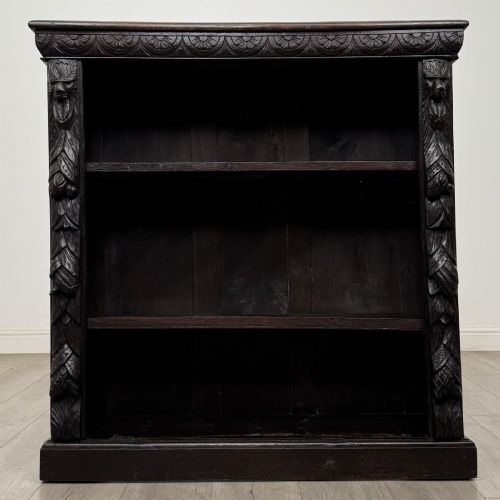
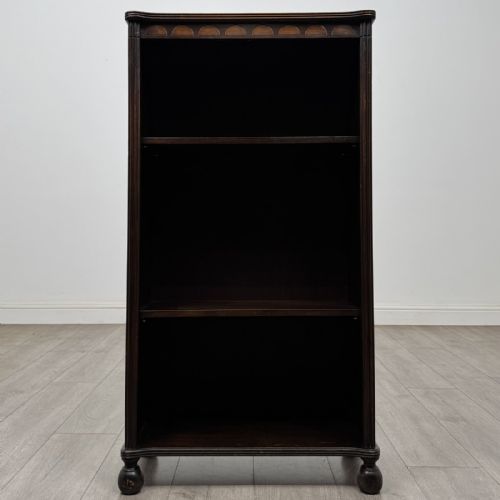
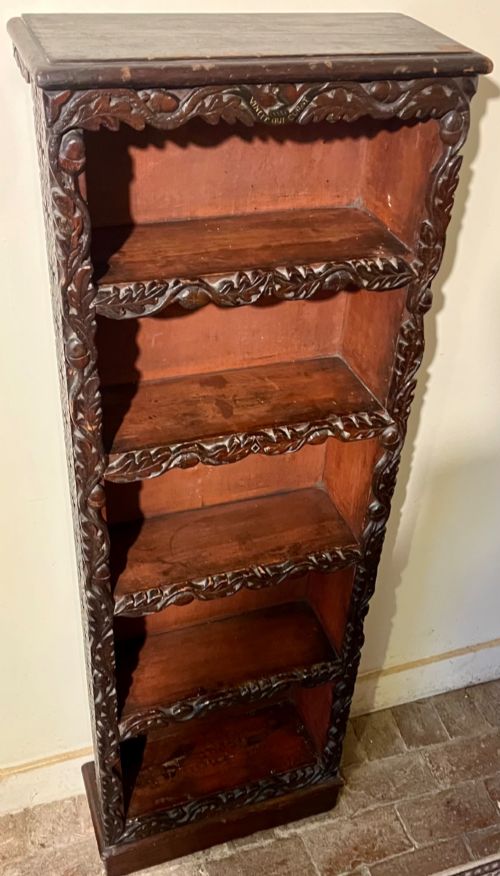
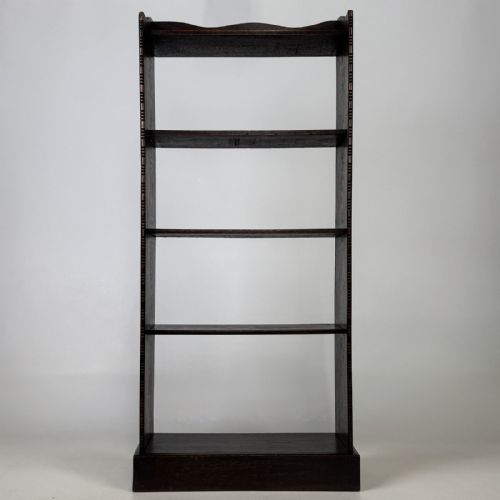
A grinning green man peers from an ebonised dwarf bookcase, keeping watch over the adjustable shelves.
What varies in quality
The distinction between tiers rests upon the choice of timber and the ambition of the design. Pieces associated with specific movements like Arts and Crafts or the Aesthetic Movement show finer handling.
Carving depth, proportion, and the integration of secondary materials such as brass fittings or leaded glass elevate certain items above standard utility furniture.
Heal and Son
The Antique Oak Shelving Glossary
- Open bookcase
- A piece of furniture consisting of horizontal shelves without doors. This form allows immediate access to books and objects.
- Welsh dresser
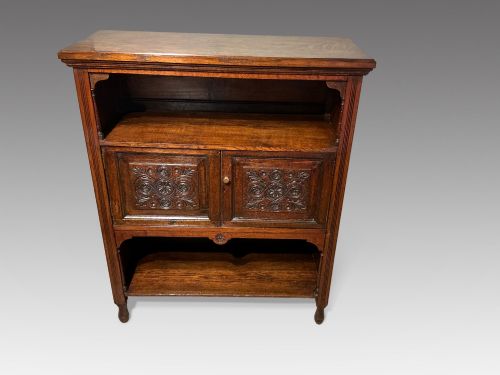
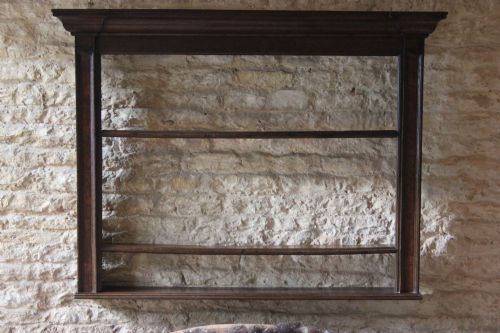
- A traditional combination of lower cupboards or drawers surmounted by plate racks or shelving. It serves both storage and display functions.
- Ebonised oak
- Oak timber treated with a finish to resemble ebony. This dark surface treatment appears on nineteenth century decorative furniture.
- Adjustable shelves
- Shelving supported by movable pins or rack mechanisms. This feature permits customisation of vertical spacing between tiers.
- Aesthetic Movement
- A late nineteenth century design style emphasising visual qualities over narrative subject matter. Furniture from this current often incorporates ebonised finishes and carved details.
Antique Oak Shelving: Frequently Asked Questions
How do I date antique oak shelving?
Dating relies upon stylistic markers, construction methods, and timber finishes. Pieces from the Victorian era often display heavier carved ornamentation, while Edwardian examples tend toward simpler lines.
Changes in hardware, such as brass fittings or iron brackets, also provide clues to the decade of manufacture.
Are shelves usually adjustable on these pieces?
Many nineteenth and twentieth century bookcases feature adjustable shelving supported by wooden ratchets or metal pins. This adaptability accommodated varying book sizes in period libraries.
Fixed shelves remain common in simpler utility pieces and older vernacular furniture.
What is the difference between a bookcase and a dresser?
A bookcase focuses primarily on horizontal tiers for storing books and papers. Dressers integrate lower cupboards, drawers, or serving surfaces beneath upper display shelving.
Dressers typically served kitchen and dining areas, whereas bookcases belonged in studies and libraries.
How do I care for antique oak furniture?
Maintain oak surfaces by keeping them away from direct heat sources and strong sunlight, which can dry out the timber. Regular dusting with a dry cloth preserves the finish.
Avoid silicone-based polishes and apply traditional beeswax sparingly when the wood appears dry.