




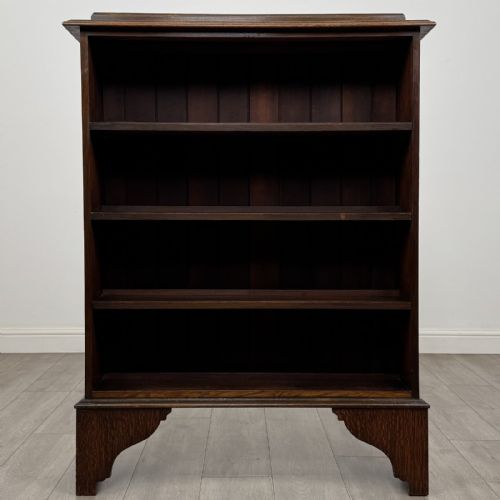
Brown Oak Bookshelf
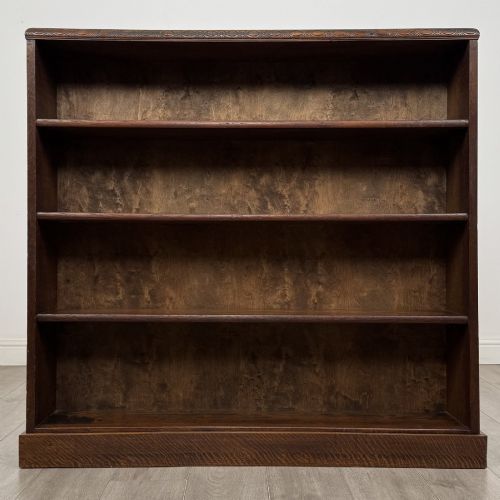
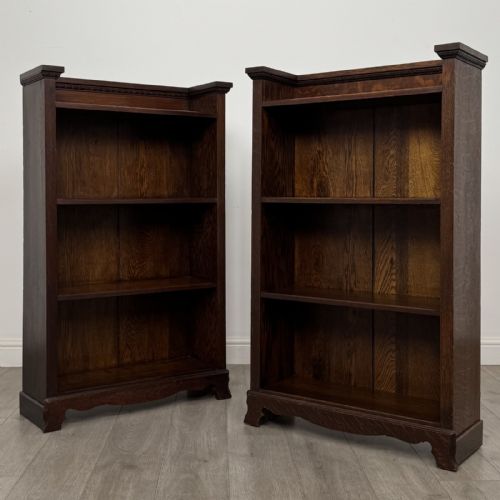
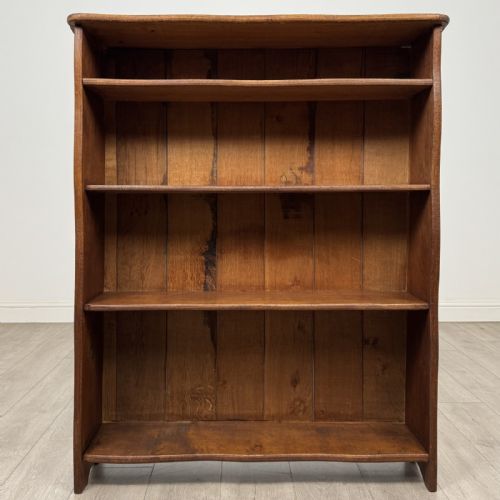
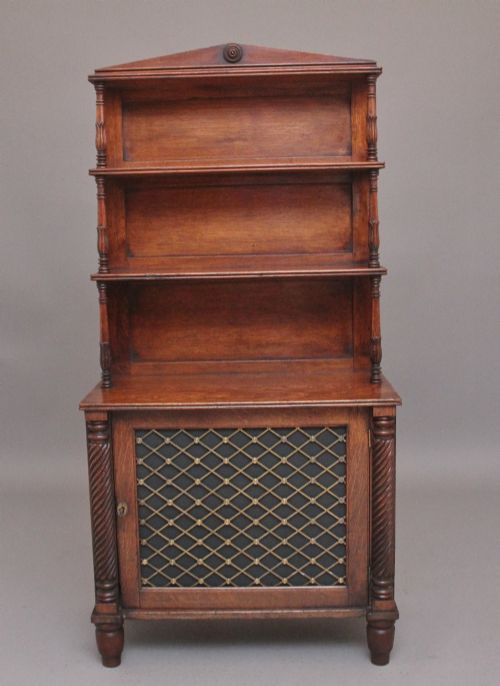
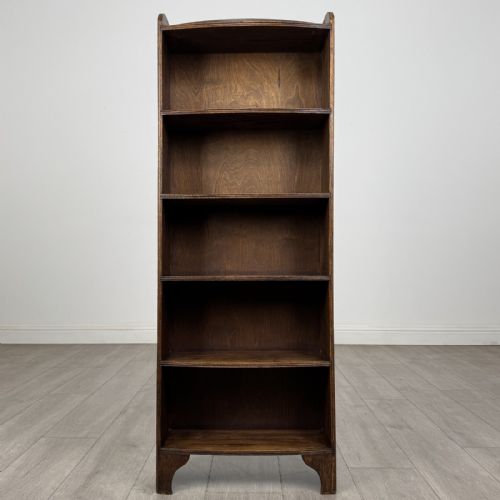
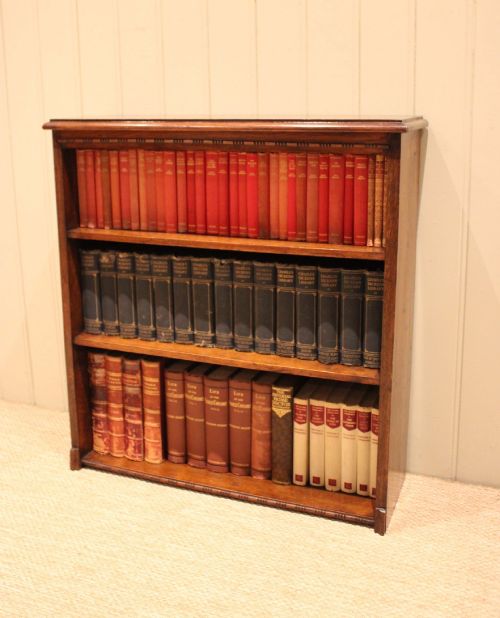
A brown oak bookshelf brings deep grain and sturdy timber into a room, serving as a reliable home for volumes from various eras.
Materials and Construction
Joiners relied primarily on solid oak, selected for its durability and prominent grain pattern, sometimes complemented by walnut or accented with brass and iron fittings. Makers employed traditional jointing techniques to ensure structural stability across open bookcases, revolving stands, and display cabinets.
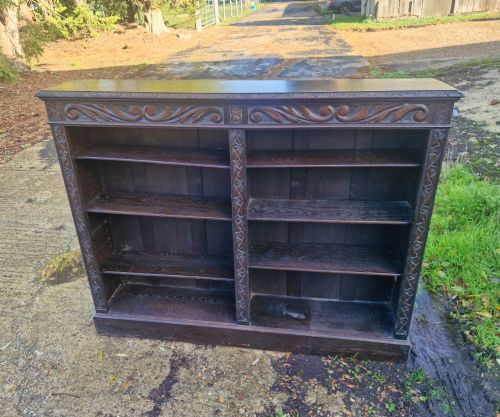
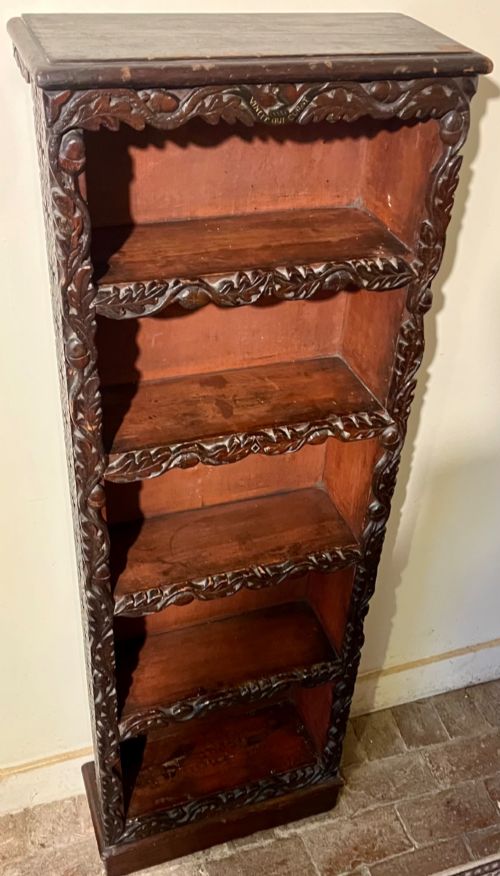
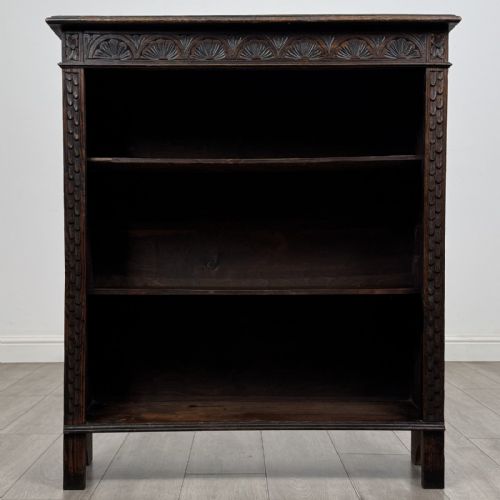
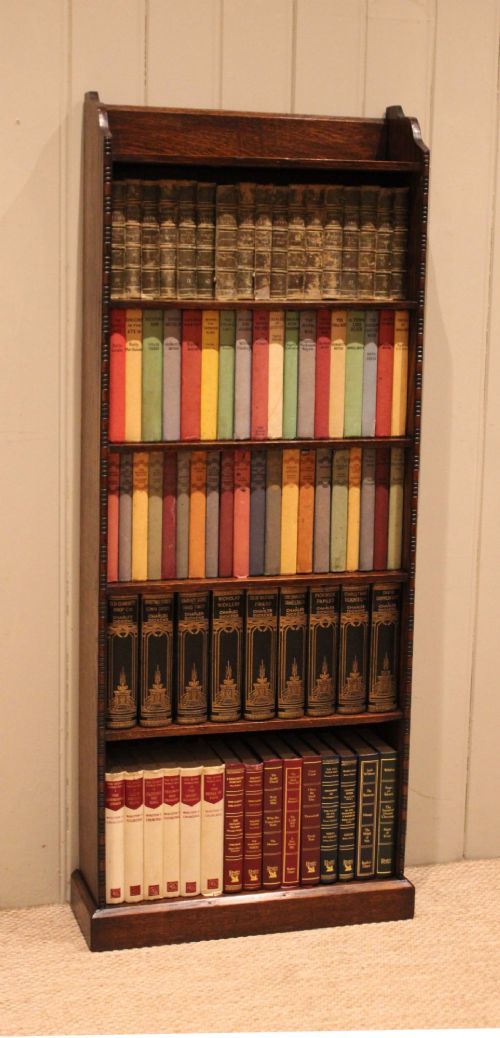
Surface treatments varied from carved ornamentation and beaded edges to decorative cut-outs seen in Arts and Crafts pieces. Structural elements such as adjustable shelving allowed owners to customise internal spaces for different book sizes.
Assessing Quality and Craftsmanship
Quality rests upon the selection of timber, where tightly figured brown oak and solid construction elevate a piece above standard utility furniture. Refined proportions, thoughtful carving, and integrated decorative details distinguish standard production items from superior workshop creations.
The sophistication of internal mechanics, such as smooth action in revolving models or well-fitted adjustable shelf mechanisms, separates finer examples from simpler utilitarian shelving.
Brown Oak Bookshelf Retail Price Guide 2026
Typical asking prices for brown oak bookshelf among the pieces listed under this phrase on Sellingantiques today, from the lower quarter to the upper quarter. They describe what is for sale here now, not the wider market.
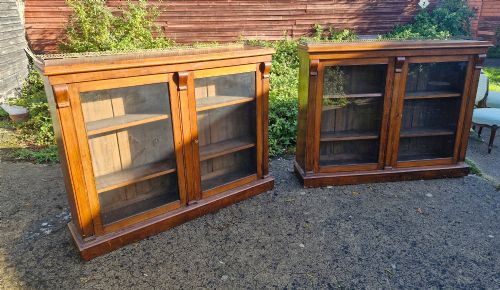
Listings feature periods from the 19th century through the 1930s, utilising solid oak, brass, and iron across various bookcase forms.
WYLIE LOCHHEAD of GLASGOW·E.A. TAYLOR
The Brown Oak Bookshelf Glossary
- Brown oak
- Timber taken from oak trees infected with Fistulina hepatica, known as beefsteak fungus, which imparts a rich brown colour to the wood. This natural process enhances the decorative appeal of the grain.
- Open bookcase
- A shelving unit without doors, designed for immediate access to books. These pieces often feature fixed or adjustable horizontal shelves.
- Revolving bookcase
- A compact shelving unit mounted on a rotating base, allowing users to access books from multiple angles. They were popular in studies and libraries.
- Arts and Crafts
- A design movement prioritising traditional craftsmanship and simple forms over mass production. Pieces from this style often display honest construction and subtle decorative elements.
- Adjustable shelves
- Shelves that can be moved to different heights using pegs, ratchets, or saw-tooth supports. This system provides flexibility for storing volumes of varying sizes.
Brown Oak Bookshelf: Frequently Asked Questions
What periods do these bookcases come from?
The listings span the Victorian era, the Edwardian period, and the interwar years of the 1920s and 1930s. Pieces also reflect revival styles like Jacobean, Gothic, and Renaissance.
Buyers will find that construction methods and ornamentation shift subtly across these decades, moving from ornate carved Victorian work to the simpler, structural lines of the Arts and Crafts movement.
How do revolving bookcases work?
Revolving bookcases sit upon a concealed ball-bearing mechanism or pivot base that allows the entire upper cabinet to turn smoothly in a circle. This design permitted easy selection of books from a seated position.
They were typically built as compact, multi-tiered units suitable for placing beside a desk or armchair.
Are the shelves adjustable?
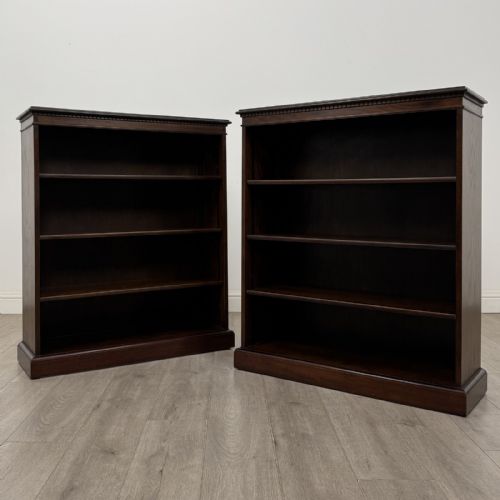
Many of the open bookcases listed feature adjustable shelving supported by wooden rack systems or metal pins. This adaptability accommodated books of various heights.
Fixed shelves remain common in smaller or earlier examples where structural rigidity took precedence over customisation.
What is brown oak?
Brown oak is a naturally occurring variant of common oak timber, prized for its deep, rich coloration. The distinct hue results from a reaction within the living tree.
Cabinet makers valued this timber for its decorative grain pattern, which adds warmth and visual depth to domestic furniture.
How do I care for solid oak furniture?
Solid oak benefits from consistent indoor humidity and protection from direct sunlight to prevent the timber from drying out or fading. Gentle dusting with a dry cloth preserves the finish.
Occasional application of traditional beeswax helps nourish the wood and maintain its natural lustre over time.