





Large Oak Bookcase
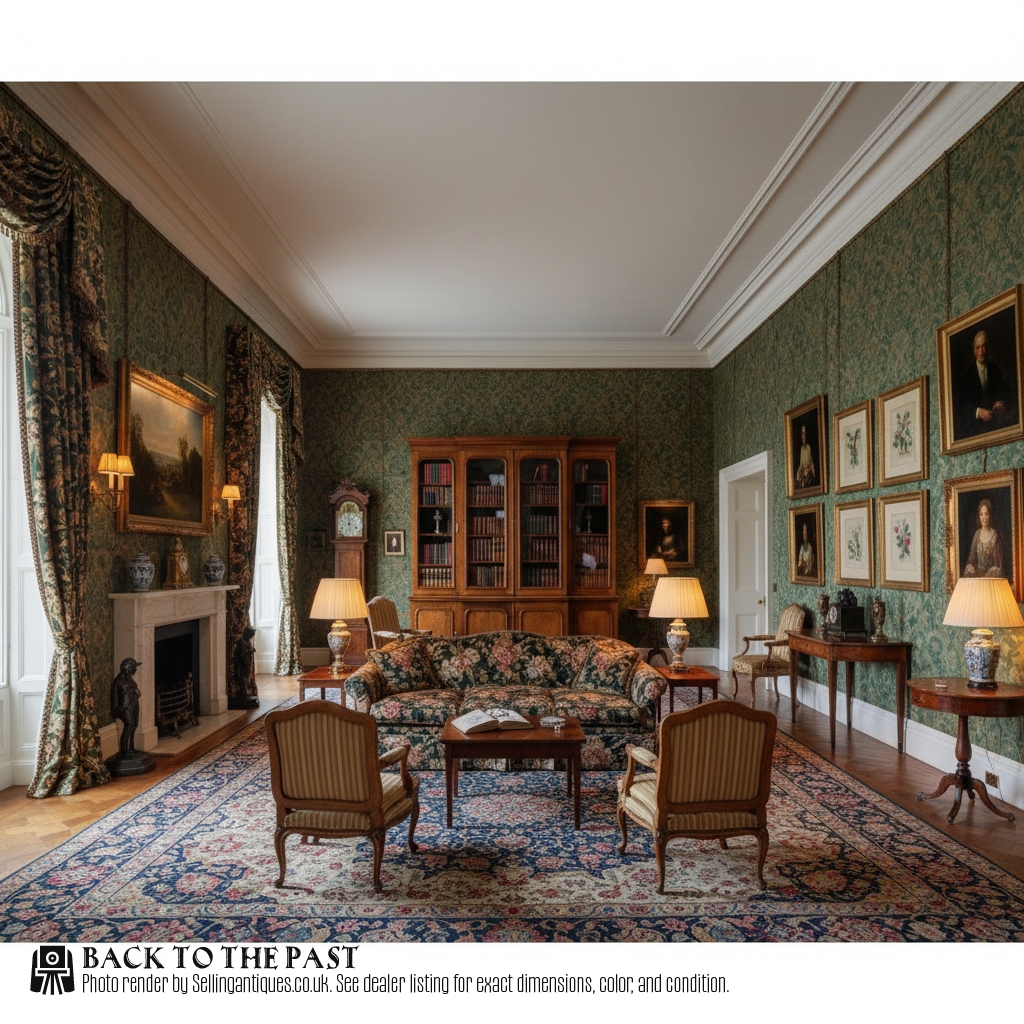
A large oak bookcase anchors a room through substance, carrying centuries of texts within enduring timber.
Large Oak Bookcase
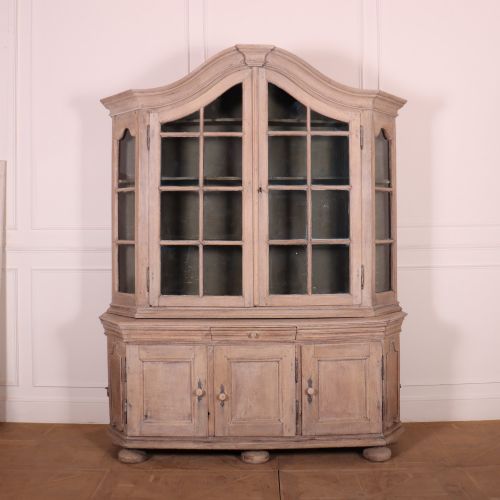
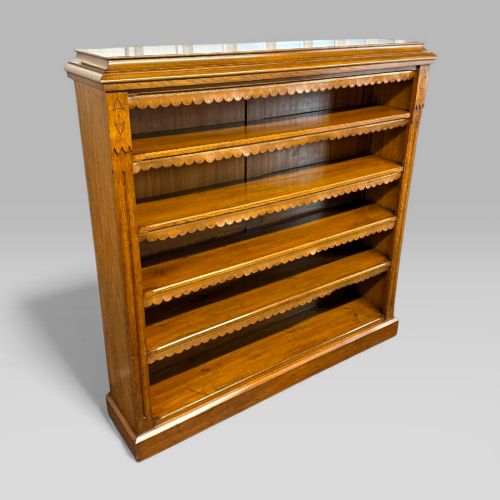
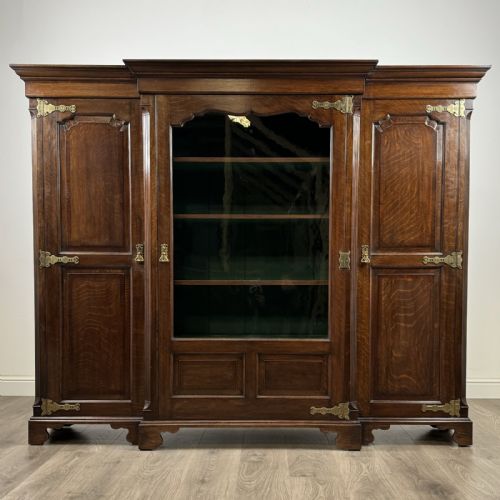
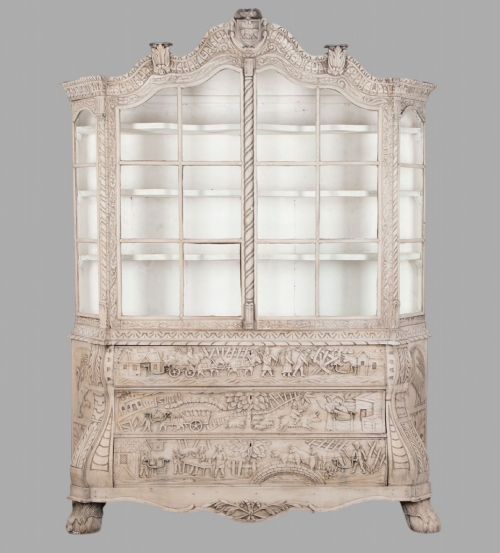
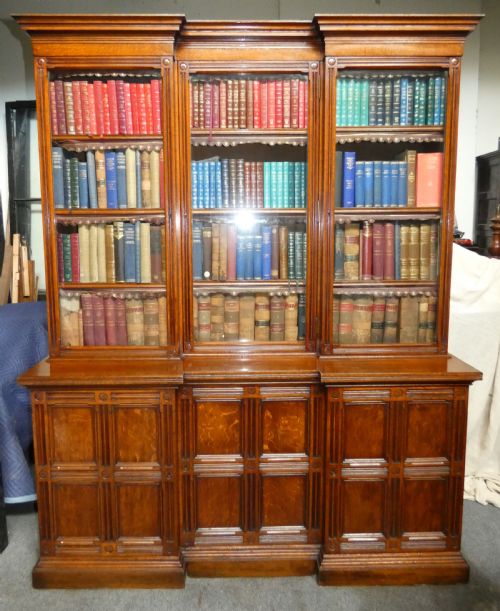
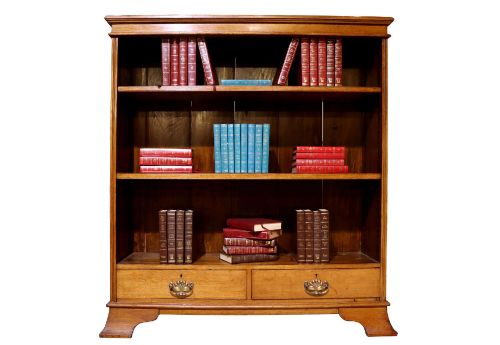
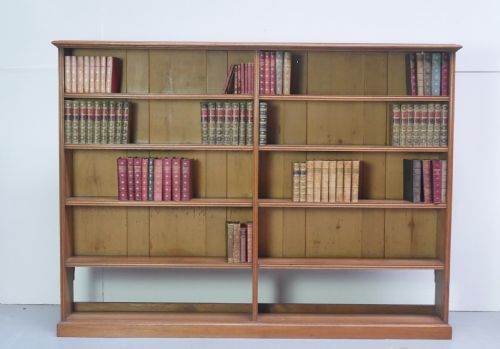
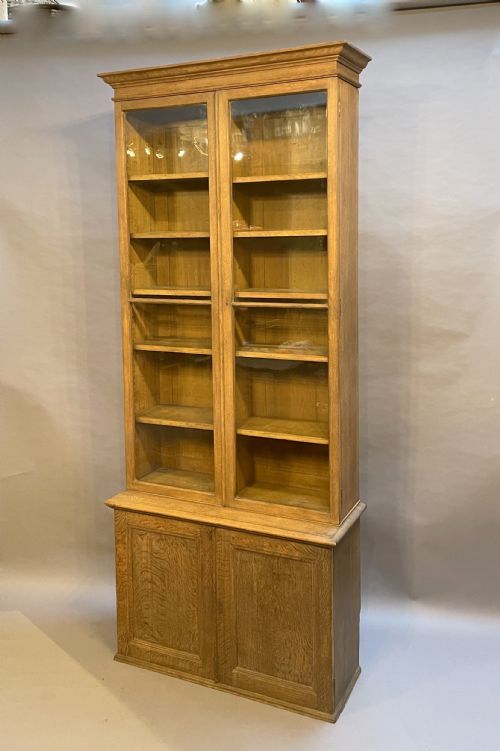
A large oak bookcase provides substantial storage for extensive libraries, spanning open fronts, glazed display cabinets, and revolving tiers. When searching this phrase, buyers encounter pieces originating primarily from the Victorian and Edwardian eras, alongside earlier Georgian examples and later twentieth-century formats.
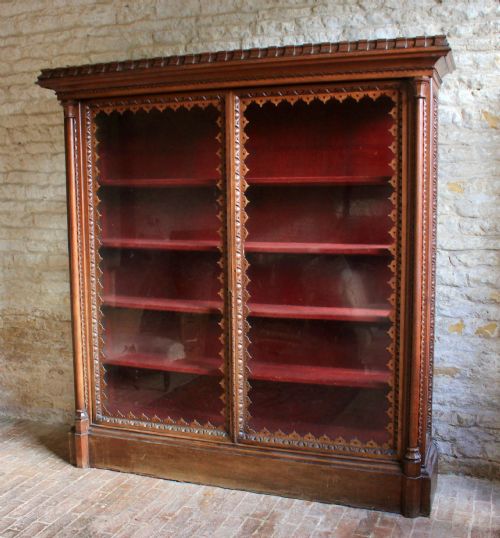
The material palette centres on solid oak, frequently augmented by pollard oak veneers or structural elements in brass, iron, and glass. Surviving examples reflect diverse stylistic influences, ranging from straightforward Gothic Revival and Jacobean Revival to Aesthetic Movement and country house practicality.
Materials and Construction
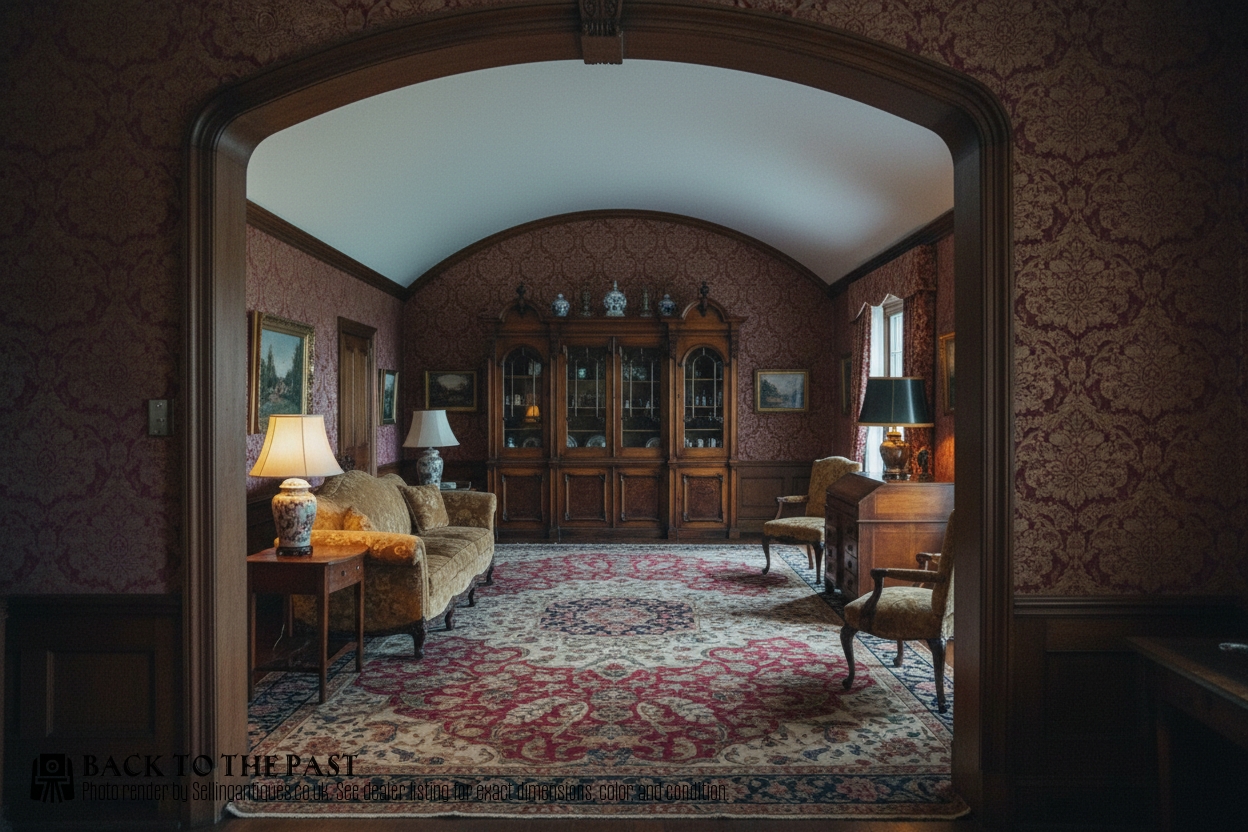
Cabinet makers utilised solid oak and golden oak planks, employing pegged joinery and carved details for structural integrity and decoration. Glazed doors incorporate glass panes secured with lead, while brass and cast iron fittings provide operational hardware for cabinet doors and adjustable shelving.
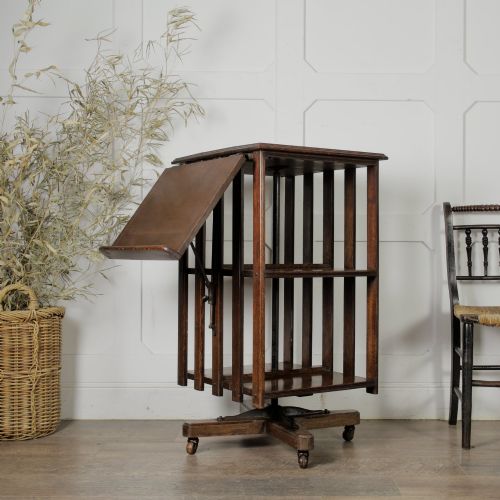
Specialised variations introduce pollard oak for distinct grain patterns, alongside sectional barrister formats and rotating mechanisms found in multi-tiered revolving bookcases. Timbers were occasionally bleached or ebonised depending on the prevailing aesthetic of the period.
Large Oak Bookcase Retail Price Guide 2026
Typical asking prices for large oak bookcase among the pieces listed under this phrase on Sellingantiques today, from the lower quarter to the upper quarter. They describe what is for sale here now, not the wider market.
Some revolving bookcases turn with such effortless balance that selecting a novel feels like spinning a wheel of fortune.
Factors of Quality
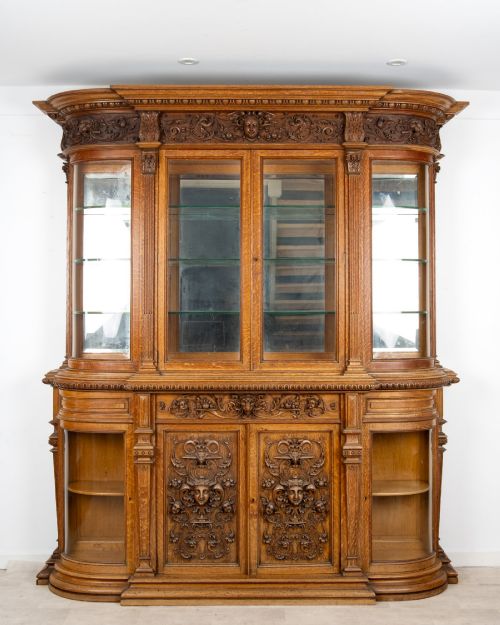
Quality rests in the selection of timber and the ambition of the carving, distinguishing utilitarian school furniture from bespoke country house library pieces. Heavier cornices, breakfront proportions, and integrated cupboard bases elevate architectural presence.
Internal engineering marks the superior examples, particularly adjustable shelving systems, smooth revolving actions, and maker attribution through labels or stamps. The integration of leaded glass and secondary woods like mahogany further separates standard production from exceptional craftsmanship.
Howard and Sons·Wylie and Lochead·Heals
The Large Oak Bookcase Glossary
- Breakfront
- A piece of furniture where the central section projects forward from the flanking wings. This configuration creates visual depth in large library rooms.
- Pollard oak
- Timber taken from trees that were pollarded, resulting in clustered, highly decorative growth rings. It was utilised for high-status cabinet doors and drawer fronts.
- Barrister bookcase
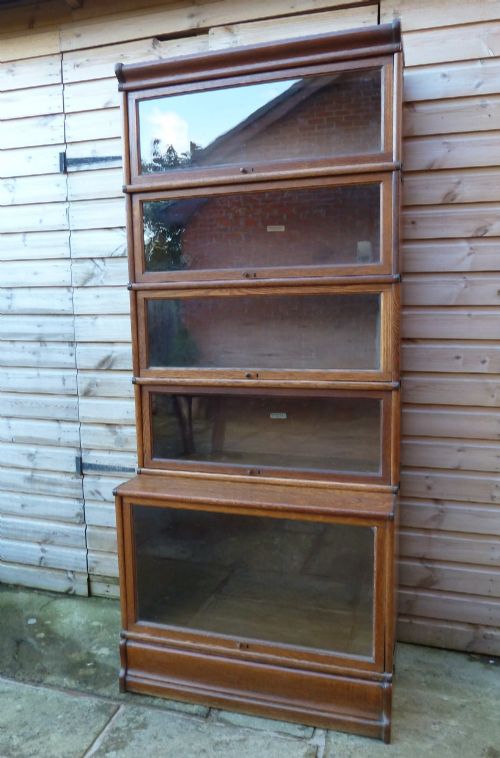
- A modular bookcase featuring stacked sections with upward-lifting glazed doors. These units permit modular expansion and safe retrieval of volumes.
- Gothic Revival
- A nineteenth-century design style drawing on medieval architectural motifs such as pointed arches and heavy tracery. It frequently manifests in carved oak library furniture.
- Revolving bookcase
- A freestanding tiered shelving unit mounted on a rotating spindle base. It allows access to multiple volumes from a stationary seating position.
Large Oak Bookcase: Frequently Asked Questions
How do I style a large oak bookcase?
Balance heavy volumes with decorative ceramics and open space to prevent the imposing timber frame from overwhelming the room. Grouping books by height or subject adds order to extensive open shelving.
Position the piece against a substantial wall where natural light illuminates the grain without causing direct fading to antique bindings.
What rooms suit a large oak bookcase?
These tall and wide units demand generous ceiling height and floor space, making studies, libraries, and open-plan living areas ideal settings. Grounding the piece on flat flooring ensures the stability of heavy loaded shelves.
Avoid confined hallways where the physical depth and breakfront projections restrict movement and diminish the architectural impact.
How are adjustable shelves supported?
Period bookcases typically utilise wooden ratchets, brass pins, or slotted interior pilasters to hold removable shelves at varying heights. These mechanisms allow customisation for folio volumes and smaller octavos alike.
Inspect the shelf supports during rearrangement to ensure the wooden tracks remain firmly seated within the cabinet walls.
How do I distinguish Victorian from Edwardian oak?
Victorian examples frequently showcase deeper tones, heavier proportions, and dense carved ornamentation influenced by Gothic and Renaissance revivals. Pollard oak veneers and monumental breakfront layouts also characterise this mid-to-late nineteenth-century output.
Edwardian pieces often feature lighter golden oak finishes, simpler geometric lines, or revolving multi-tier structures designed for domestic efficiency and brighter interiors.