
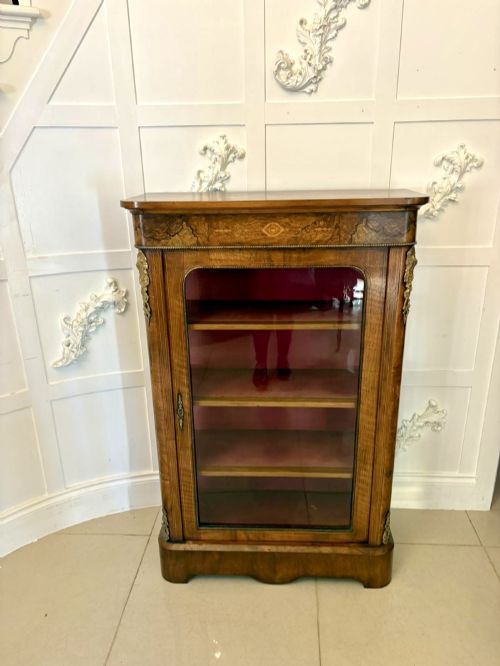
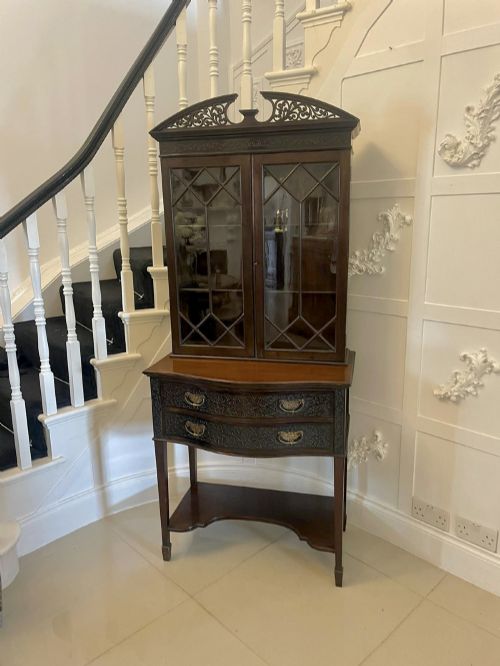
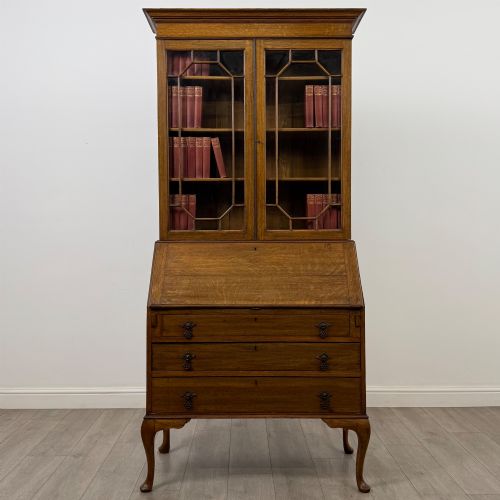
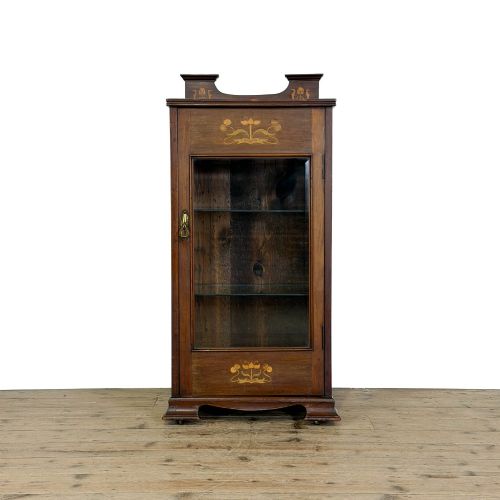
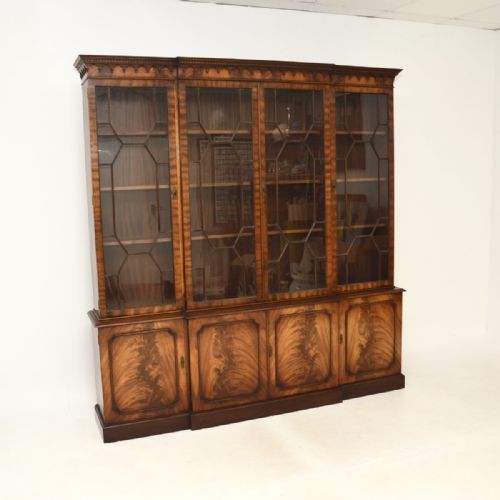
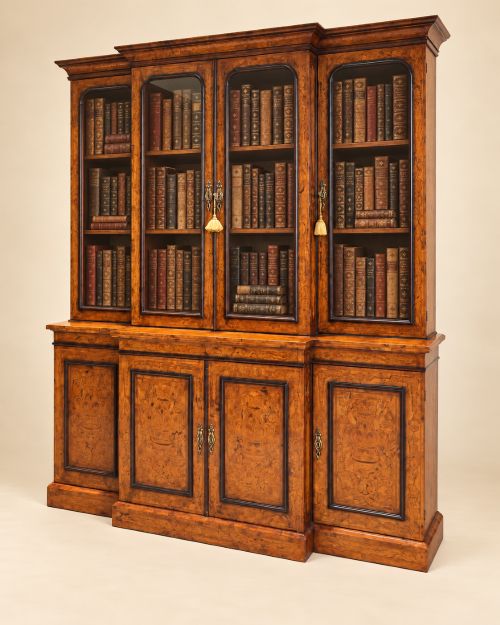
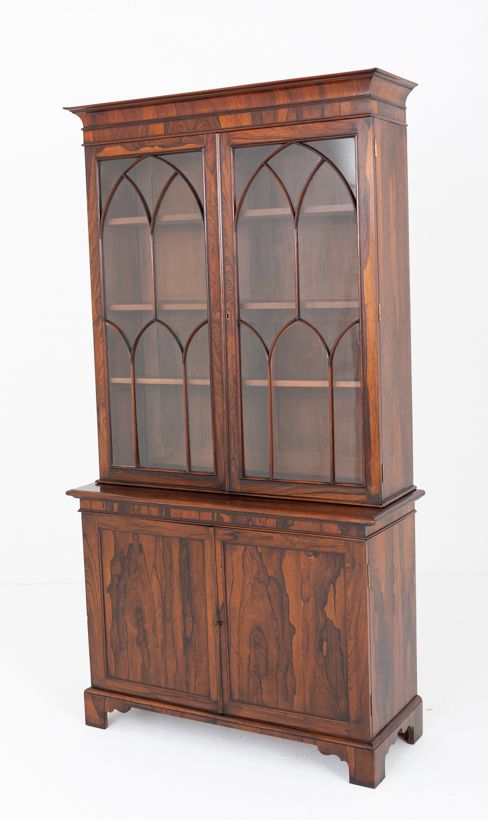
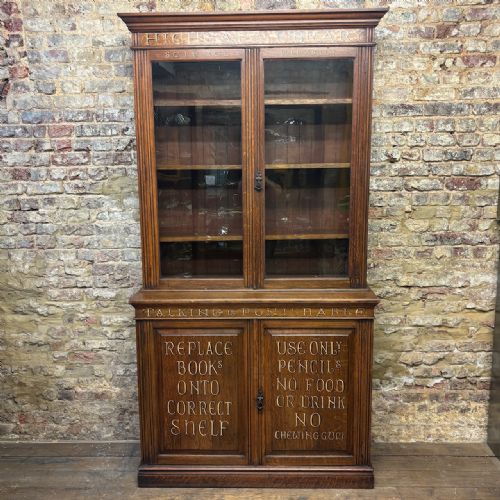
Glazed Door Cabinet
When you select a glazed door cabinet, you invite decades or centuries of craftsmanship and practical display into your room.
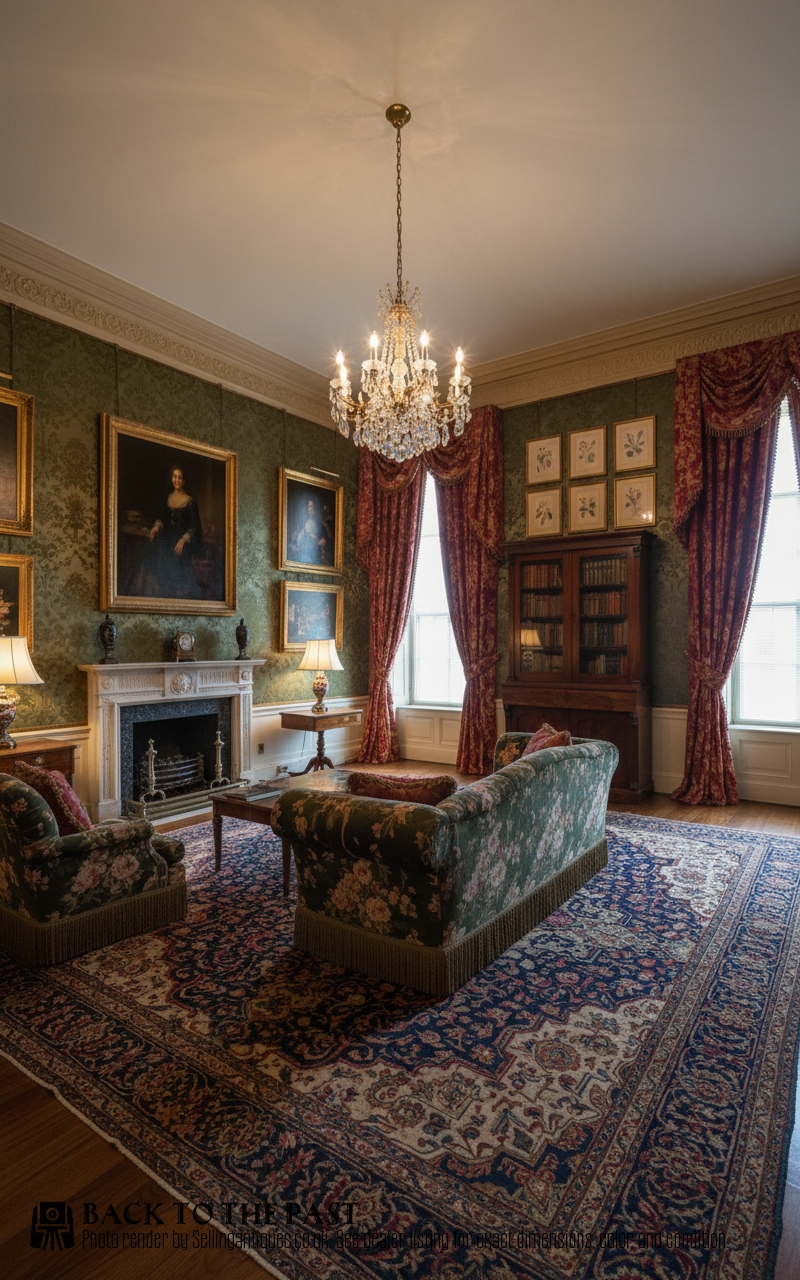
Glazed Door Cabinet
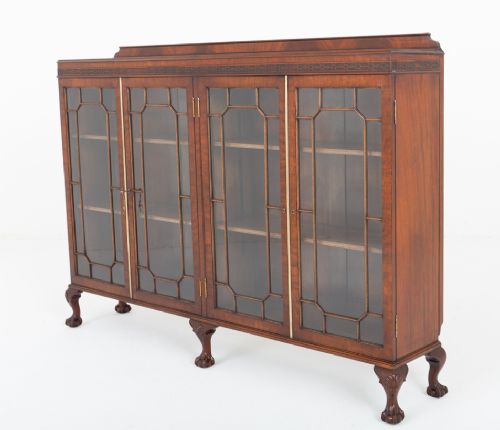
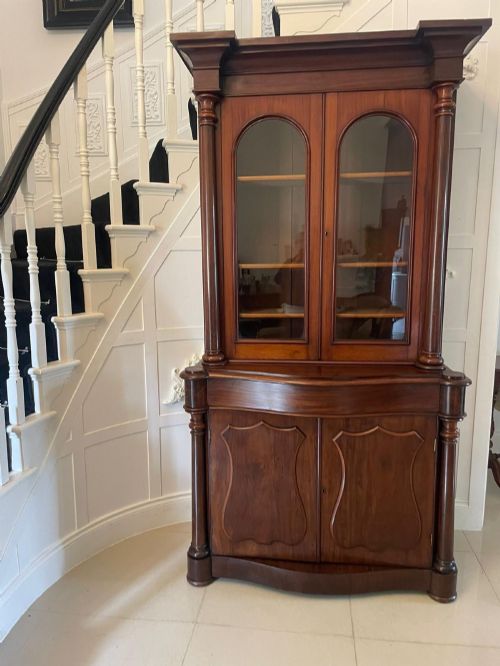
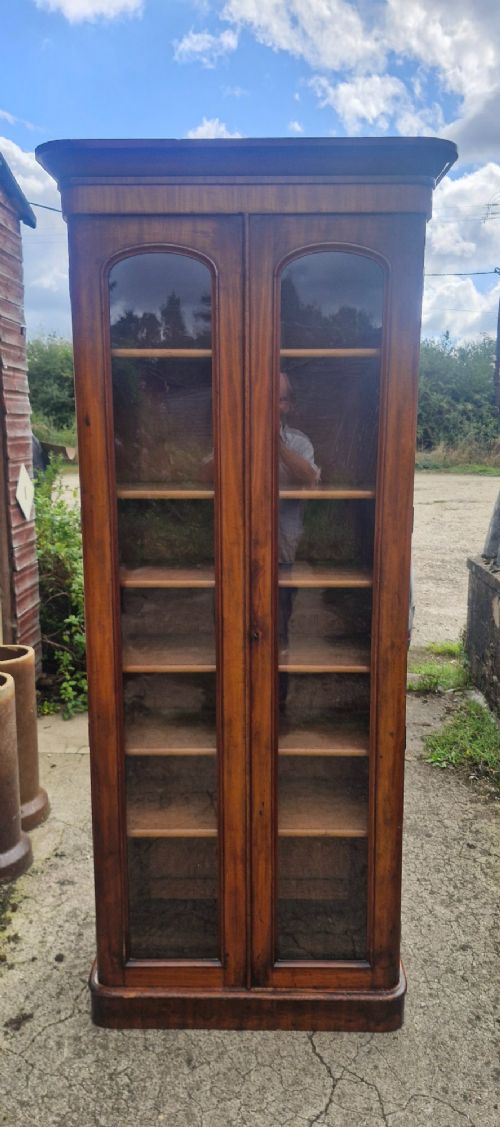
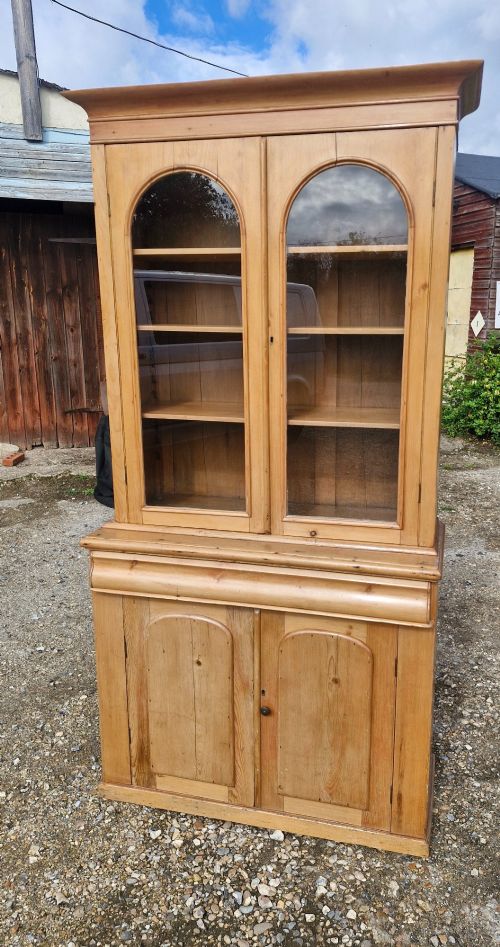
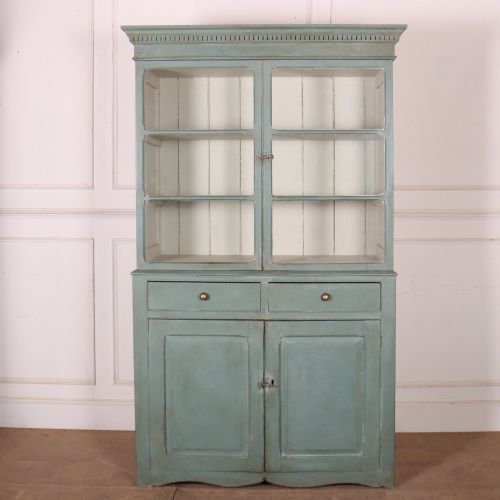
A glazed door cabinet serves as a dual-purpose piece for storage and display, appearing across dining rooms, libraries, and studies. These furnishings range from tall breakfront bookcases to compact wall-mounted cupboards and side units.
The selections span distinct periods, with Victorian and Edwardian examples appearing most frequently alongside later twentieth-century interpretations. Walnut, mahogany, and pine form the backbone of these surviving iterations.
Makers adapted the format for varying domestic needs, incorporating adjustable shelving, bureau drop fronts, and specialised compartments for music filing or pharmacy storage.

How They Were Made
Cabinetmakers relied on dense hardwoods such as mahogany, oak, and walnut, often accentuating surfaces with burr walnut veneers or satinwood inlay. Pine served widely for kitchen cupboards and regional painted pieces.
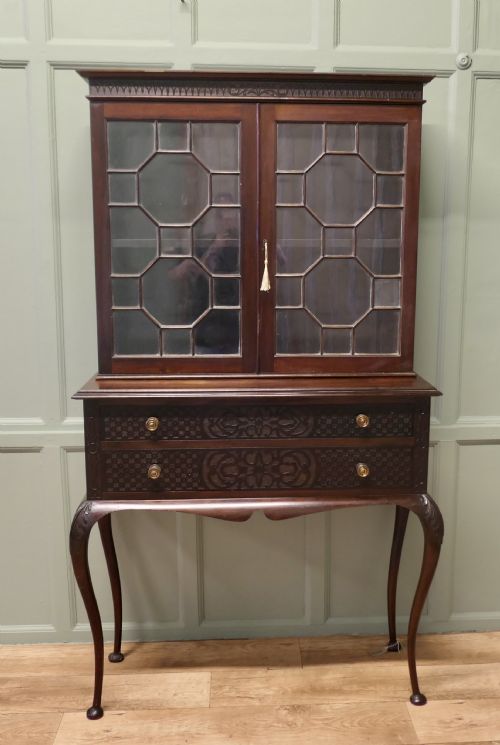
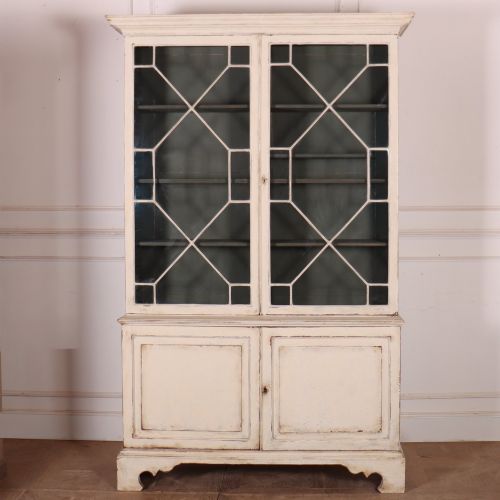
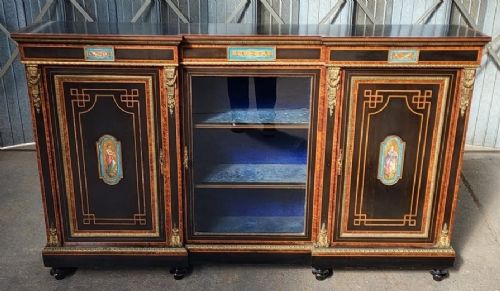
Glass panels were secured within wooden frames using astragal bars or lead cames, protecting contents while maintaining visibility. Brass hardware, ormolu mounts, and inlaid brass lines completed the structural detailing.
Glazed Door Cabinet Retail Price Guide 2026
Typical asking prices for glazed door cabinet among the pieces listed under this phrase on Sellingantiques today, from the lower quarter to the upper quarter. They describe what is for sale here now, not the wider market.
Among the towering libraries and sideboards sits a humble bamboo cabinet, proving that even Victorian botanising found its way behind glass.
What Varies in Quality
Construction methods dictate the integrity of each piece, distinguishing solid timber carcases and dovetailed drawers from simpler joined alternatives. The precision of the glazing bars and the matching of wood grains reveal the maker's original investment of time.
Surface finish and decorative additions create distinction within the range, from restrained classical mouldings to elaborate carved ornamentation, marquetry, and original painted decoration.
Hampton & Sons·Edwards & Roberts
The Glazed Door Cabinet Glossary
- Astragal
- The wooden or metal moulding that divides panes of glass within a door. These fine strips often form geometric or curved lattice patterns.
- Breakfront
- A piece of furniture where the central section projects forward from the flanking wings. This architectural arrangement creates depth and visual weight.
- Secretaire
- A cabinet or bookcase incorporating a pull-down writing drawer fitted with small interior pigeonholes and drawers. It combines desk functionality with enclosed shelving.
- Vitrine
- A glass-fronted display cabinet designed specifically for showing porcelain, curiosities, or decorative objects. They often feature glass sides to maximise illumination.
- Ormolu
- Gilded bronze used for decorative mounts and feet on high-status furniture. The technique was particularly favoured during the eighteenth and nineteenth centuries.
Glazed Door Cabinet: Frequently Asked Questions
What periods do these cabinets come from?
The inventory spans the eighteenth, nineteenth, and early twentieth centuries, capturing major stylistic shifts from the Georgian era through Victorian, Edwardian, and Art Deco periods.
Victorian and Edwardian versions appear most commonly, reflecting the high domestic demand for display furniture during those decades.
How were these cabinets originally used?
Owners utilised them primarily for housing library books, displaying fine china, or storing household linens and documents.
Specialised variants also served as music filing cabinets, pharmacy cupboards, and kitchen dressers for everyday provisions.
Are the shelves adjustable?
Many bookcases and display units feature adjustable shelving supported by wooden racks or brass studs. This adaptability allowed owners to accommodate volumes of varying heights.
Simpler regional cupboards and wall-hung cabinets more frequently feature fixed shelving.
What woods were commonly used?
Mahogany, oak, and walnut dominate the structural timbers, often selected for their strength and rich grain patterns. Burr walnut and satinwood veneers were applied for decorative effect on formal pieces.
Pine and deal served as practical alternatives for painted kitchen cupboards and regional furniture.