
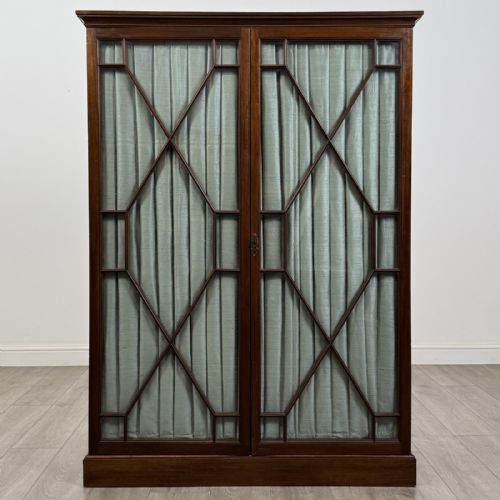
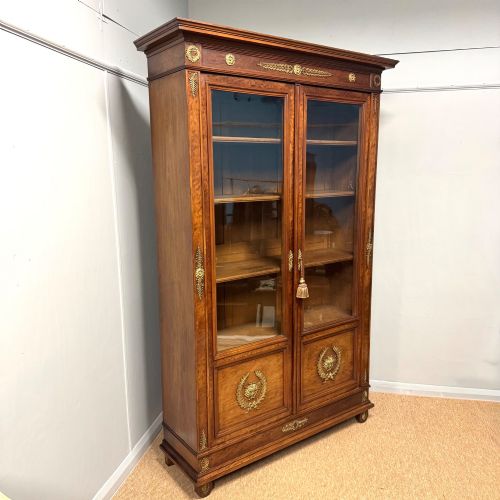
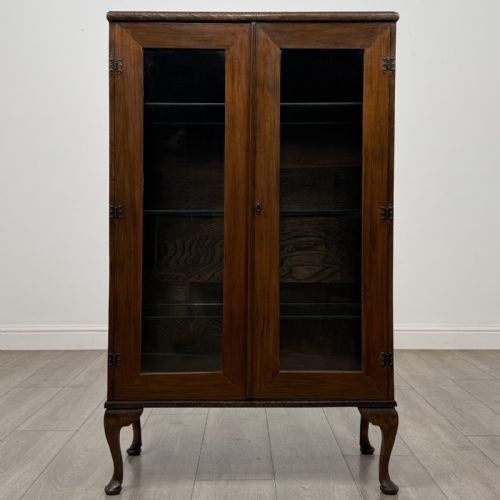
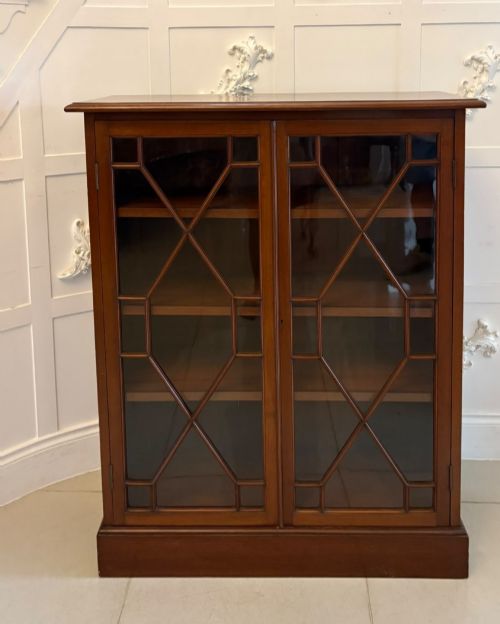
Mahogany Cabinet with Glass Doors
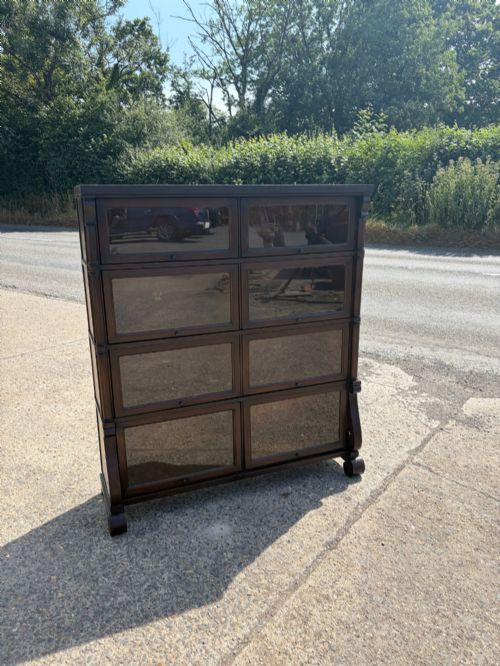
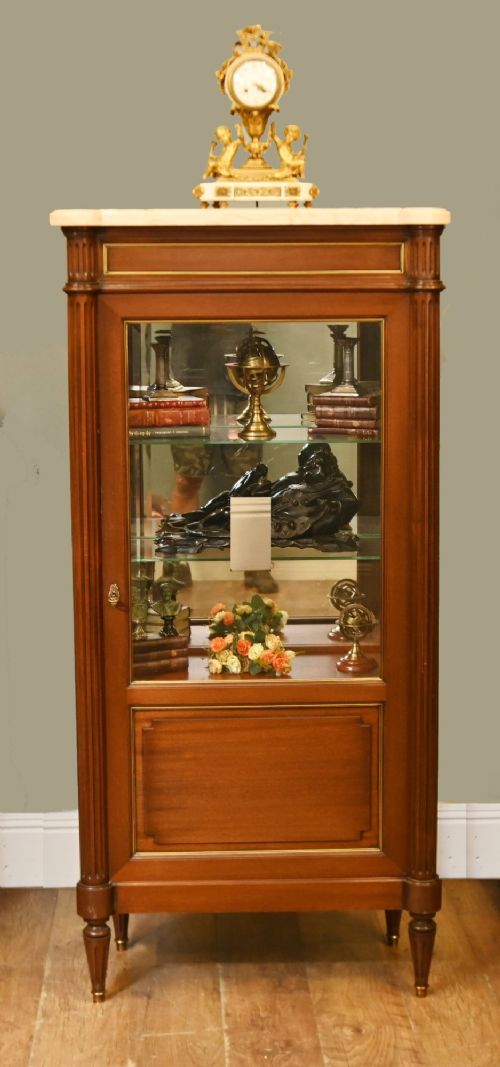
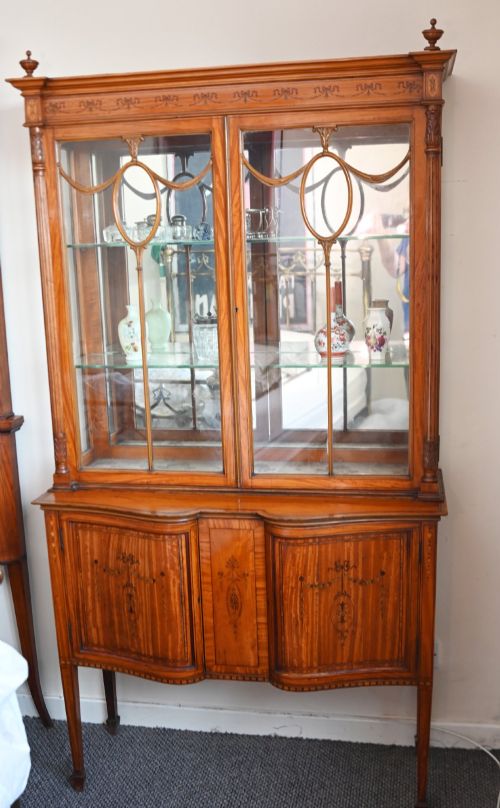
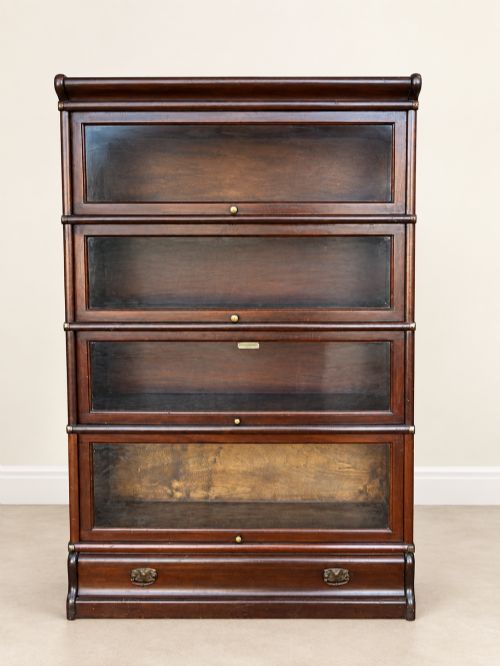
These mahogany cabinet with glass doors pieces combine rich timber with glazed fronts, offering a practical way to store books and display prized possessions.
Mahogany Cabinet with Glass Doors
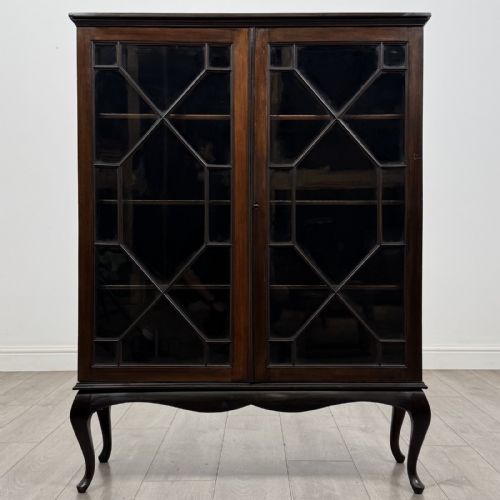
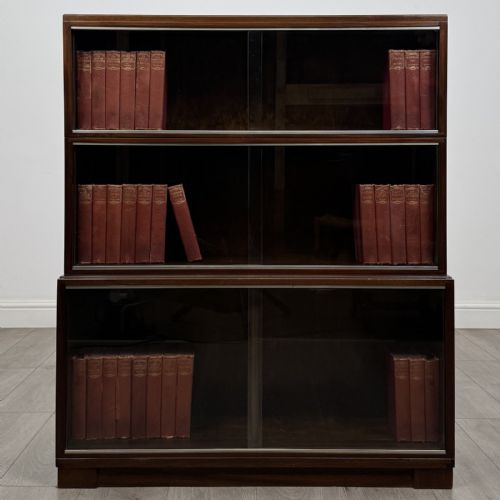
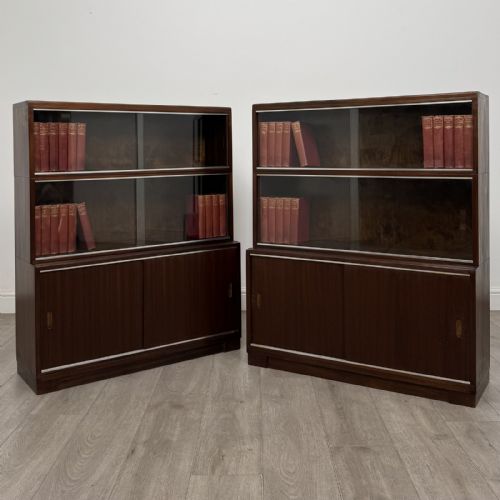
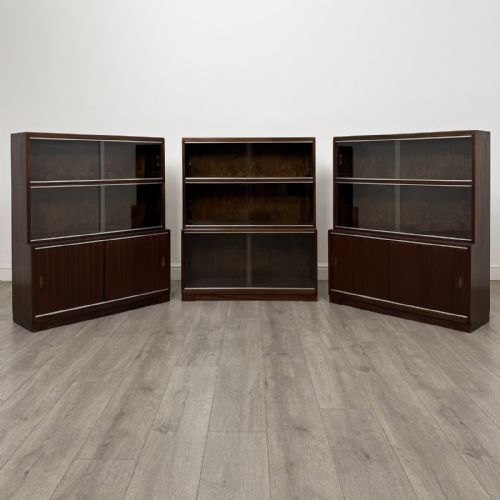
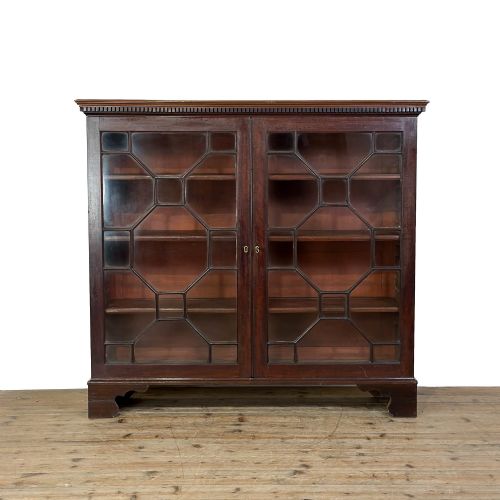
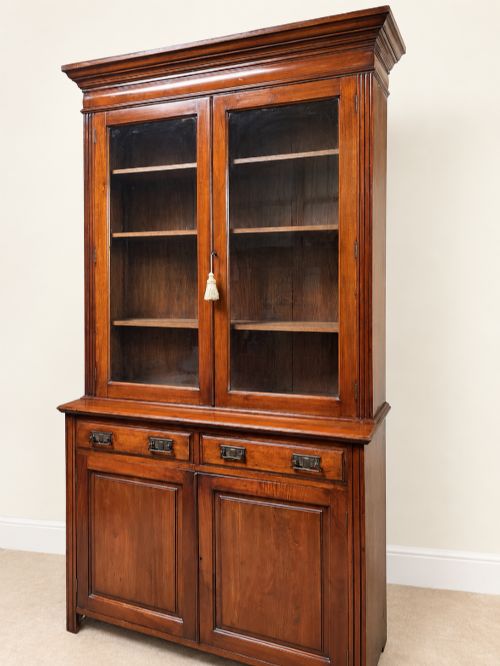
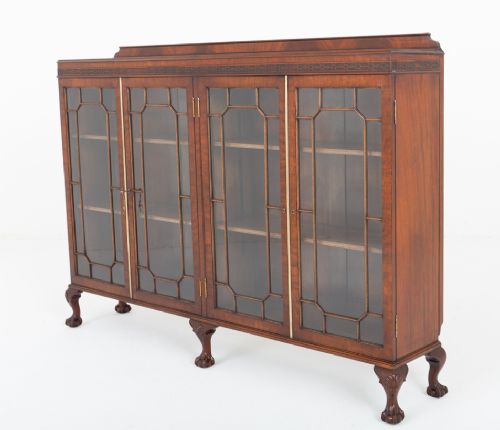
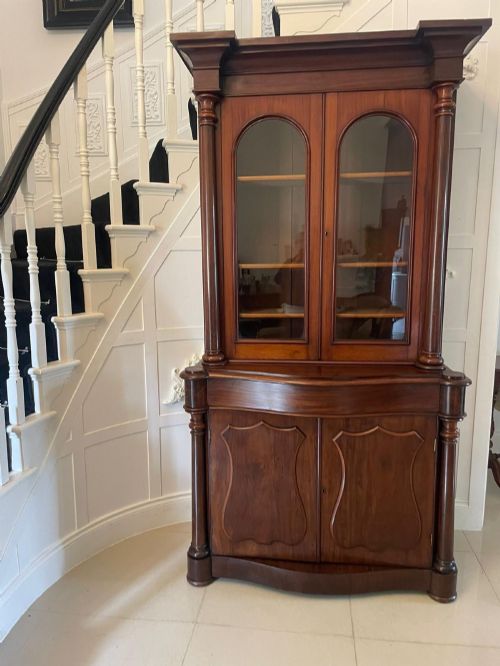
When searching for a mahogany cabinet with glass doors, buyers encounter an array of forms spanning the Victorian, Edwardian, and Regency periods, alongside Georgian and 1920s examples. The selections on this page range from tall library bookcases and bureau bookcases to compact corner cabinets, side cabinets, and shop display vitrines.
Edwardian and Victorian pieces dominate the selection, frequently showcasing styles such as Sheraton Revival and Chippendale Revival alongside plain utilitarian designs. These sturdy wooden housings were built to protect books and display ceramics behind transparent panes.
The objects serve multiple domestic roles, functioning as library repositories, corner storage units, and freestanding display cases for collections. Most versions combine a glazed upper section with solid wooden lower doors or drawers.
How they were made
Carpenters constructed the primary frames using solid and figured mahogany timber, sometimes adding satinwood inlay and brass hardware for decorative contrast. Interior elements incorporate adjustable glass shelves, fabric linings, and mirrored backs to enhance illumination.
Glazing techniques include traditional astral glazing bars and bowed glass doors that require careful shaping of wood and glass. Ornate touches such as carved motifs, ormolu mounts, and delicate stringing elevate the finish of specific regional and revival pieces.
One cheerful Edwardian display cabinet carries later sign-written perfume brand names on its glass.
What varies in quality
The grade of timber figure on the mahogany surfaces distinguishes standard utility pieces from exceptional ones, with highly figured grains and fine satinwood inlay marking out superior execution. The complexity of the joinery, particularly in curved bow front doors and detailed astragal glazing bars, also separates simpler workshop items from finer examples.
Proportion and scale dictate the visual success of each item, with smaller library bookcases and delicate display cabinets commanding attention for their refined balancing of glass and wood. Intricate carvings, original brass fixtures, and polished interior elements further elevate the standing of better-made pieces.
John Alexander
The Mahogany Cabinet with Glass Doors Glossary
- Astral Glazed
- Refers to glass doors divided into smaller panes by wooden glazing bars, a technique popular in Georgian and Victorian bookcases.
- Vitrine
- A glass-fronted display cabinet used primarily for showing porcelain, curiosities, or decorative objects.
- Secretaire Bookcase
- A tall cabinet featuring a pull-down writing desk drawer concealed beneath upper bookcase doors.
- Sheraton Revival
- A late 19th and early 20th century style inspired by the classical furniture designs of Thomas Sheraton, often incorporating satinwood inlay and slender proportions.
- Satinwood Inlay
- Decorative contrasting wood veneers set into the primary mahogany surface to create geometric or floral patterns.
Mahogany Cabinet with Glass Doors: Frequently Asked Questions
How do I date a mahogany cabinet?
Dating relies on observing construction methods, timber choices, and stylistic revival cues visible across the piece. Edwardian items often feature lighter satinwood stringing, whereas Victorian and Georgian pieces tend towards heavier timber proportions and deeper patination.
Examining interior shelving, backboards, and glass manufacturing characteristics helps narrow the decade of production. Documentation or maker stamps, where present, provide definitive historical context.
Can the shelves be adjusted?
Many examples include adjustable shelving systems, particularly shop display units and later Edwardian bookcases designed for versatile storage. Fixed wooden shelves remain common in older Georgian and early Victorian library pieces.
Checking the interior allows buyers to determine whether wooden support ratchets or modern metal pins facilitate movement.
Are these cabinets suitable for small rooms?
Compact forms such as corner cabinets, small side cabinets, and narrow Edwardian display cases fit easily into restricted spaces. Tall library bookcases require adequate ceiling height and wall clearance.
Measuring the floor footprint and door swing ensures the piece integrates comfortably within an interior layout.
How should I care for the wood?
Maintaining mahogany requires stable indoor humidity levels away from direct sunlight and heat sources to prevent timber splitting. Gentle dusting with a soft, dry cloth preserves the polished surface.
Waxing periodically nourishes the grain without building up heavy residue over time.