


Antique Glazed Display Case
When you search for an antique glazed display case, you are looking at centuries of timber framed around glass to protect and show off prized possessions.

Antique Glazed Display Case
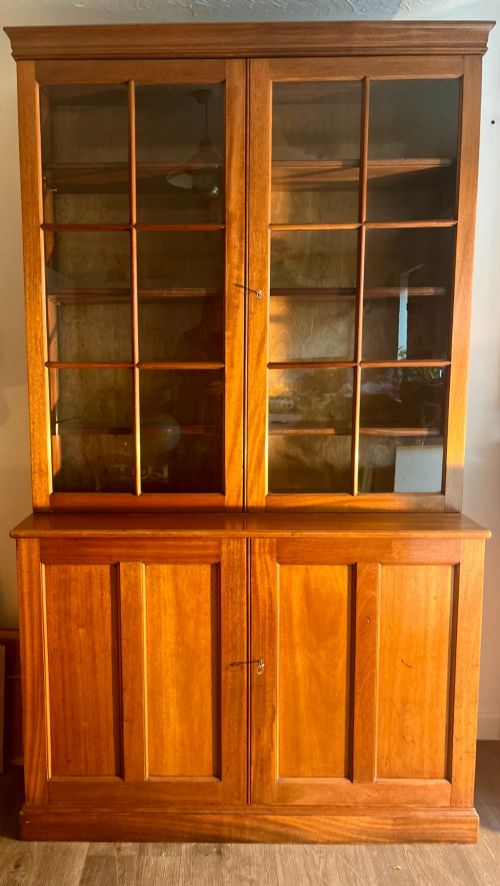
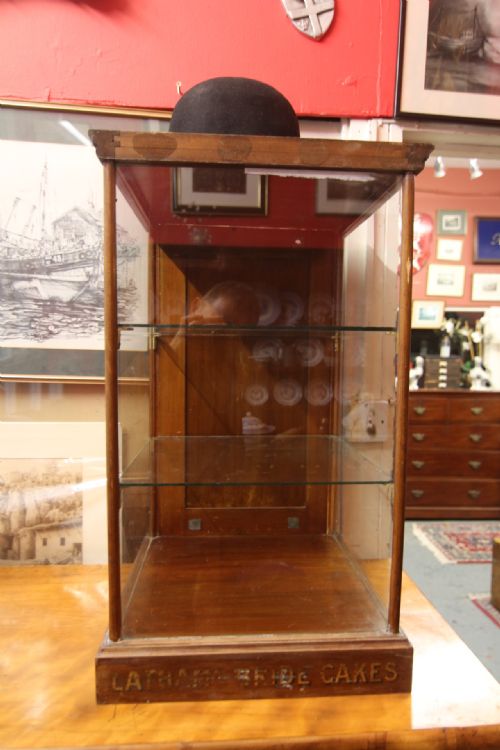
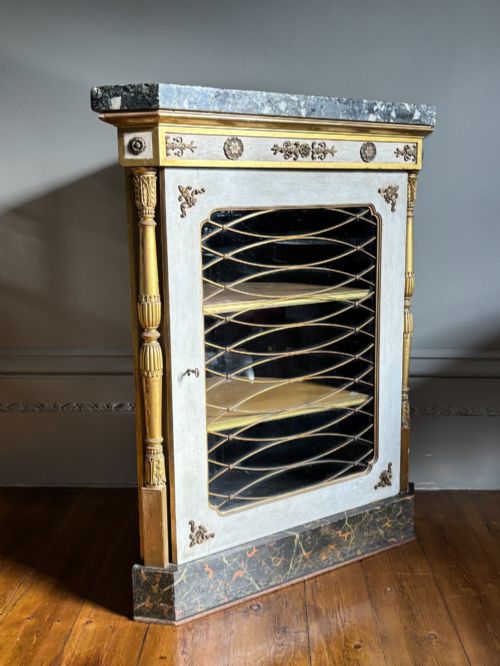
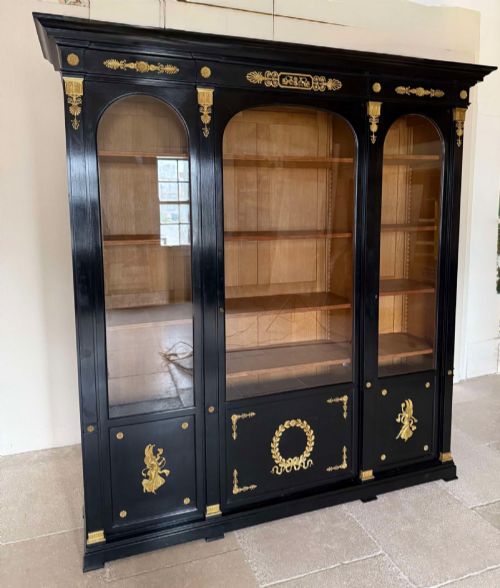
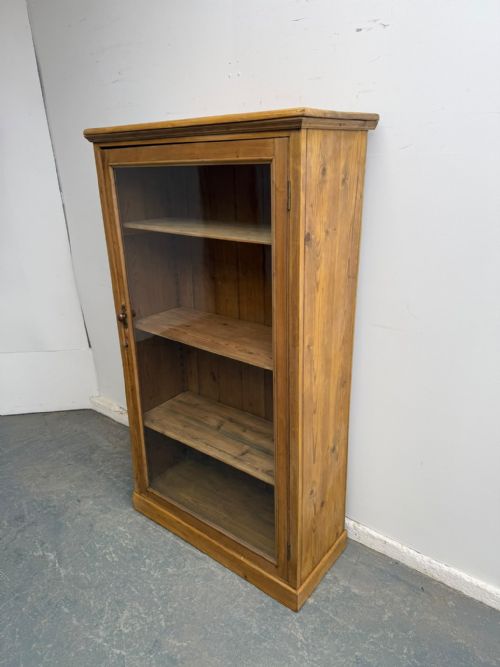
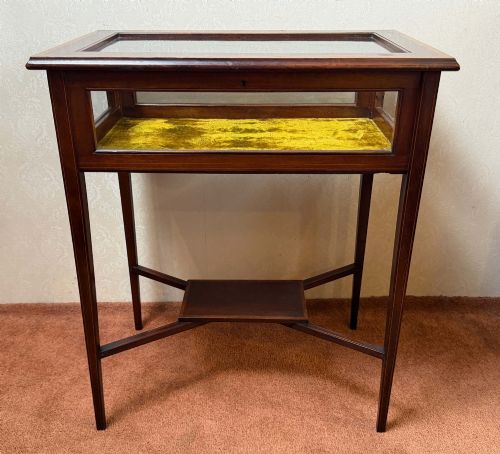
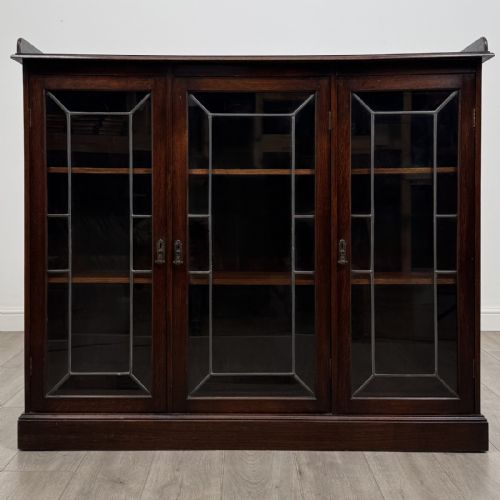
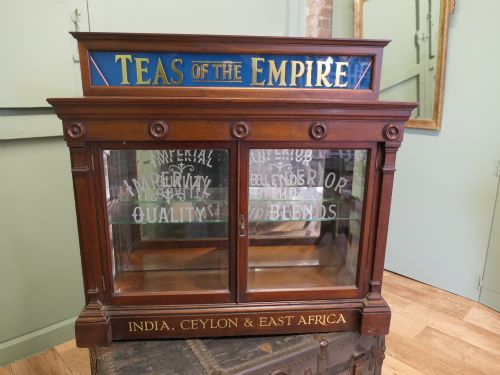
An antique glazed display case serves as a formal vessel for books, ceramics, and curiosities, bridging the gap between practical storage and decorative exhibition. The form ranges widely across the evidence from tall library bookcases and breakfronts to intimate tabletop bijouterie cases, pier cabinets designed for narrow wall spaces, and countertop shop vitrines.
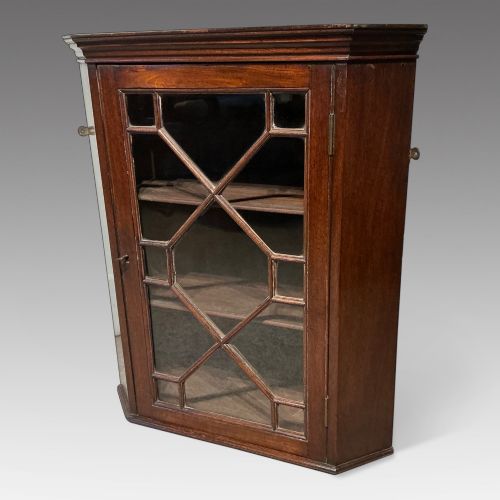
The pieces appearing most frequently span the Victorian and Edwardian eras, alongside earlier Georgian and Regency examples and later Art Deco designs. Cabinetmakers of these periods utilised diverse formats, including corner cupboards, side cabinets, and narrow glazed cupboards, tailored to the domestic interiors of their day.
Origins stretch from British workshops to French cabinetmakers and continental makers, incorporating stylistic revivals such as Sheraton, Louis XVI, and Chinoiserie. Whether freestanding on a plinth, mounted on a stand, or designed for a tabletop, each variation reflects the specific display needs of the period in which it was built.
How They Were Made
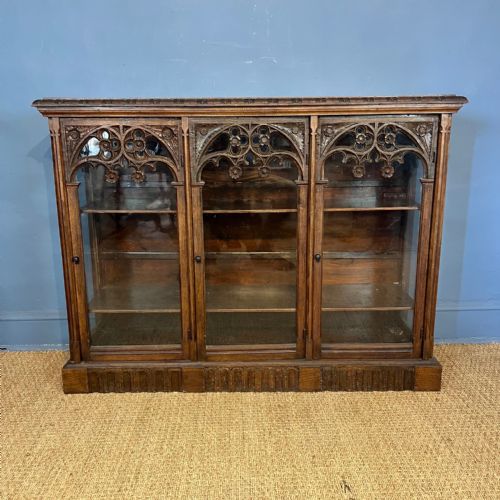
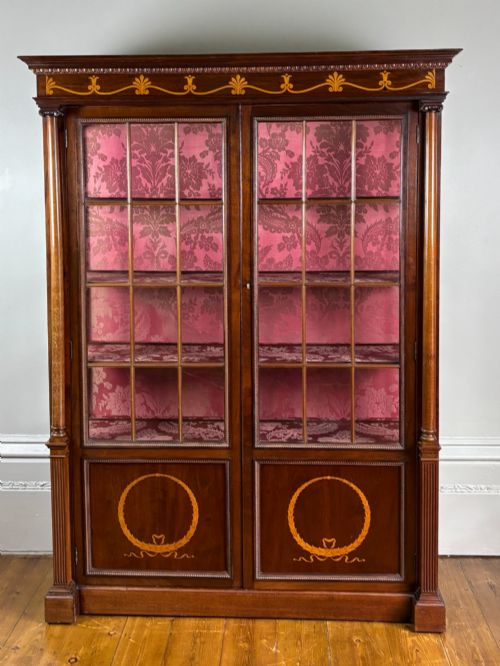
Construction relies heavily on cabinet timbers such as mahogany, walnut, oak, and satinwood, often enhanced by decorative veneers like burr walnut or kingwood. Glazing forms the primary visual element, held within wooden framework ranging from simple geometric panes to intricate astragal bars and leaded glass.
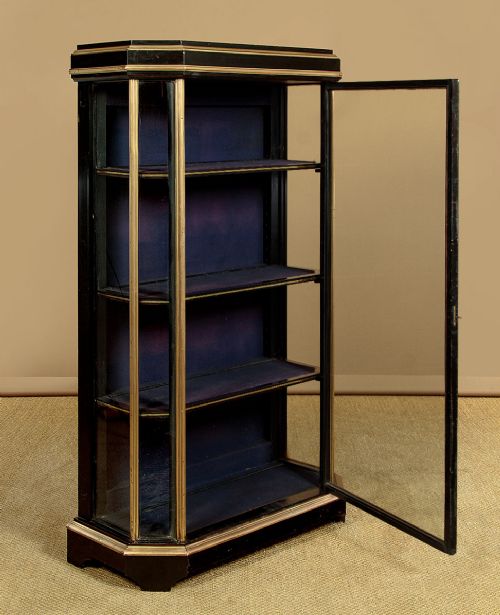
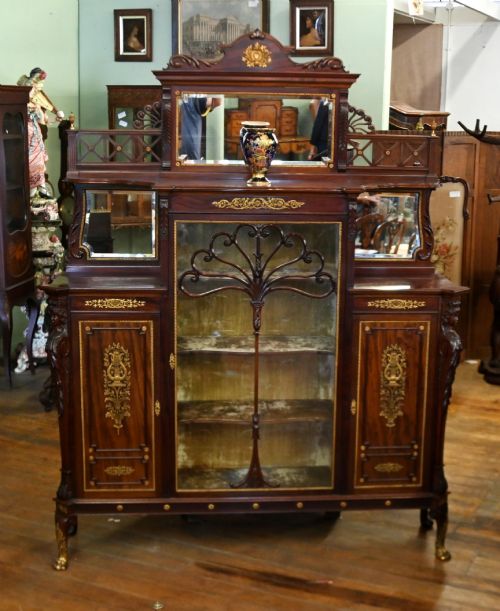
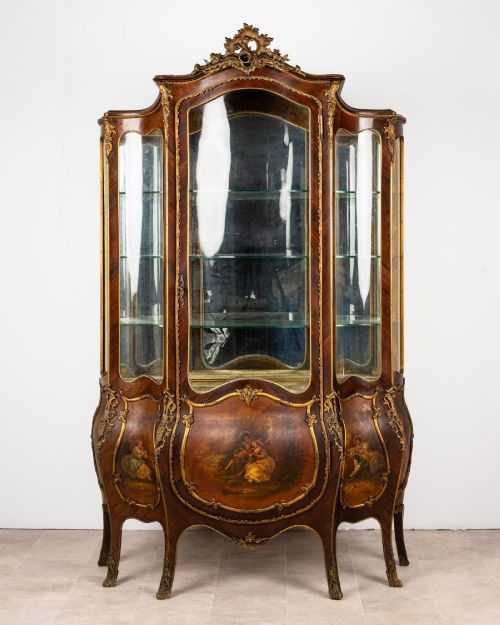
Detailing involves traditional cabinetmaking techniques including fine inlay, boxwood stringing, marquetry, and carved wooden ornamentation. Ormolu, gilt bronze, and brass mounts frequently accent French and Victorian vitrines, while fabric linings add interior depth to display shelves and bijouterie tables.
Antique Glazed Display Case Retail Price Guide 2026
Typical asking prices for glazed display case among the pieces listed under this phrase on Sellingantiques today, from the lower quarter to the upper quarter. They describe what is for sale here now, not the wider market.
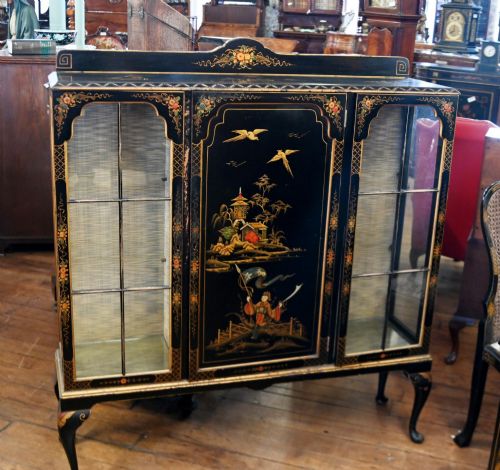
Japanese red lacquer and French Vernis Martin finishes bring unexpected flashes of vibrant colour to traditional timber rooms.
What Varies in Quality
Quality rests upon the selection of timber and veneer, where richly figured burr walnut, satinwood, or finely grained mahogany elevate a piece far above standard utilitarian construction. The precision of the joinery and the delicacy of the glazing bars, whether astragal, leaded, or curved, show the hand of a skilled workshop.
EDWARDS and ROBERTS·Wylie & Lochhead
The Antique Glazed Display Case Glossary
- Vitrine
- A glass-fronted display cabinet or case designed specifically for showing porcelain, glassware, and small ornaments. These pieces often feature glass on the sides as well as the doors to maximise light.
- Pier cabinet
- A tall, narrow cabinet built to fit the wall space between windows, common in Victorian and Regency drawing rooms. They frequently incorporate glazed doors and velvet-lined interiors.
- Bijouterie table
- A glass-topped display table, sometimes called a vitrine table, used for holding small valuables, jewellery, and curiosities at a comfortable viewing height.
- Astragal
- A moulding profile used to divide glass panes within a door frame. In finer bookcases and display cabinets, intersecting astragal bars create delicate geometric patterns.
- Marquetry
- The art of applying pieces of veneer to a structure to form decorative patterns and pictures. Makers utilised contrasting timbers such as satinwood and boxwood to achieve this effect.
Antique Glazed Display Case: Frequently Asked Questions
What is the difference between a bookcase and a display cabinet?
Bookcases were traditionally built with adjustable wooden shelves intended primarily for housing bound volumes and private libraries. Display cabinets and vitrines typically feature glass side panels and fabric-lined interiors designed to showcase porcelain, silver, and decorative objects.
Many examples in the evidence combine both functions, offering glazed upper sections for books alongside enclosed lower cupboards or display shelves. The distinction often lies in the transparency of the cabinet and whether it prioritises reading material or visual exhibition.
How do I date an antique display case?
Dating relies upon a combination of timber selection, structural proportions, hardware, and decorative styles characteristic of specific periods. Georgian and Regency pieces often show heavier architectural lines or fine astragal glazing, while Victorian cabinets frequently employ burr walnut and rich mahogany veneers.
Edwardian furniture often reveals lighter satinwood decoration, Sheraton Revival motifs, or Chinoiserie lacquering. Comparing the secondary woods inside the cabinet and examining the construction of the door frames further helps narrow down the era of manufacture.
Can I use a bijouterie table for everyday items?
Bijouterie tables provide a specialised surface with a glazed top and a shallow compartment beneath for displaying small valuables, medals, or collections. While they are sturdy enough for everyday domestic settings, their delicate legs and hinged glass lids require gentle handling.
Placing them away from heavy foot traffic protects the vintage timber and keeps the glass top safe from accidental impact. They remain ideal living room accent pieces for exhibiting compact treasures at hand height.