

Georgian Oak Cabinet
When you search for a georgian oak cabinet, you are looking at sturdy domestic storage spanning corner cupboards, dressers, and wall-mounted spice boxes.
Georgian Oak Cabinet
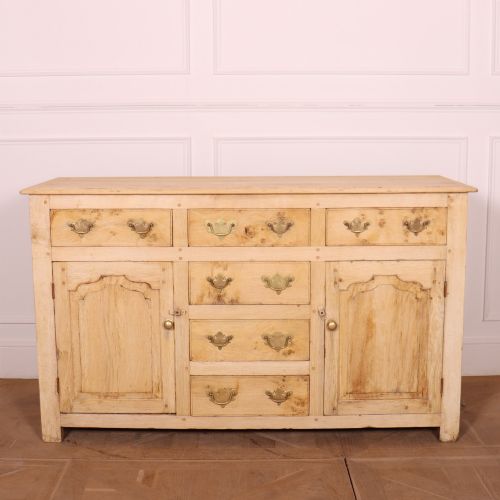
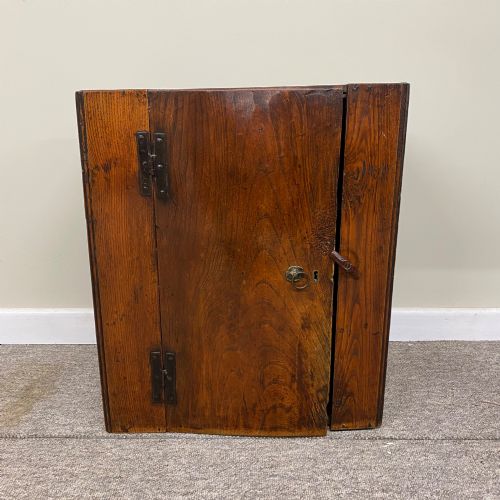
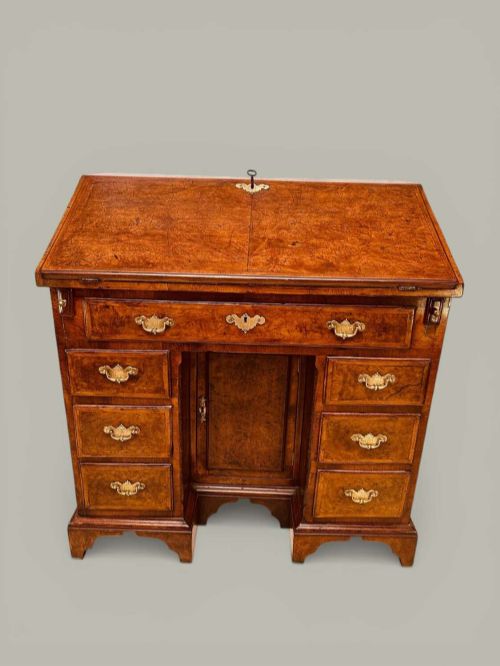
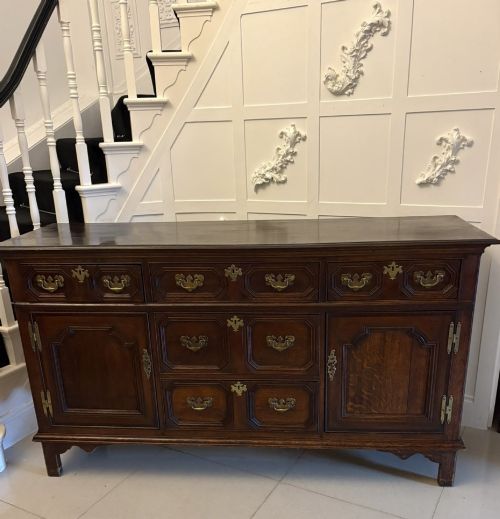
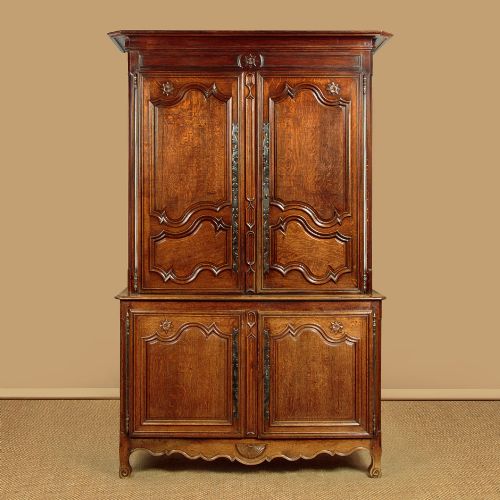
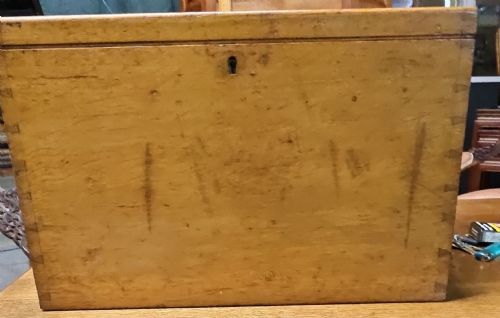
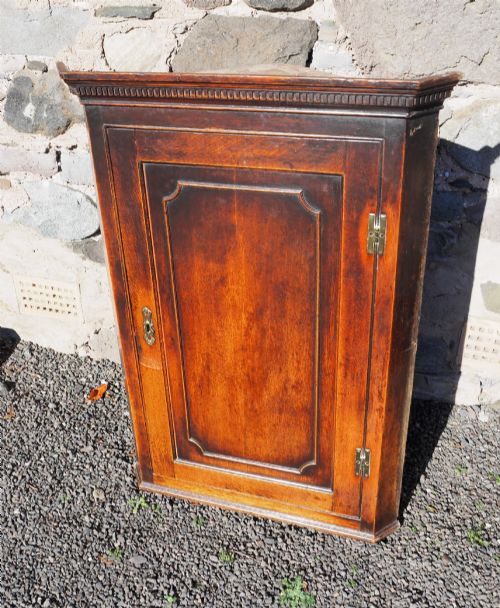
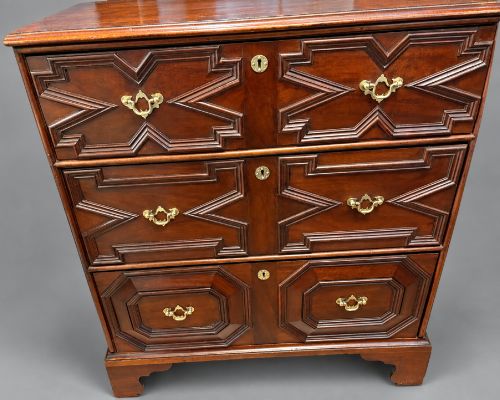
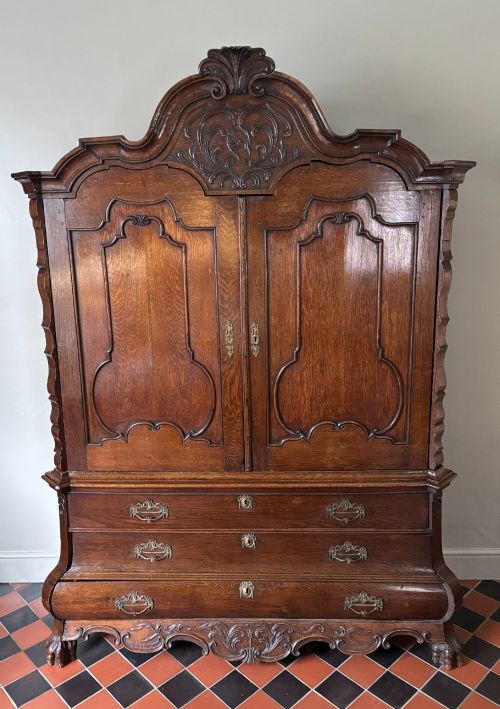
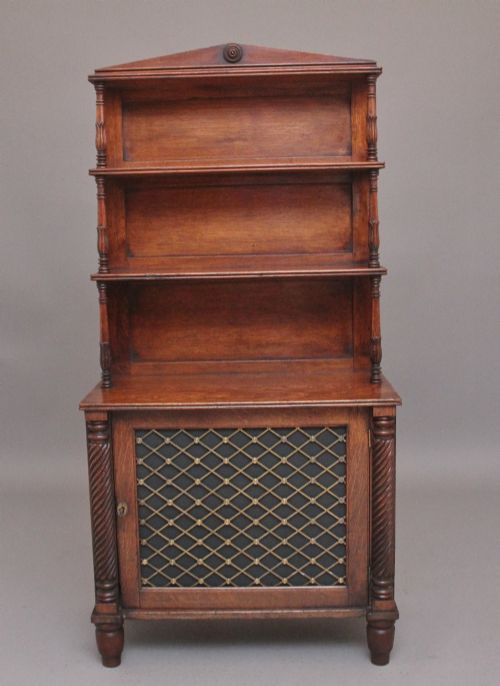
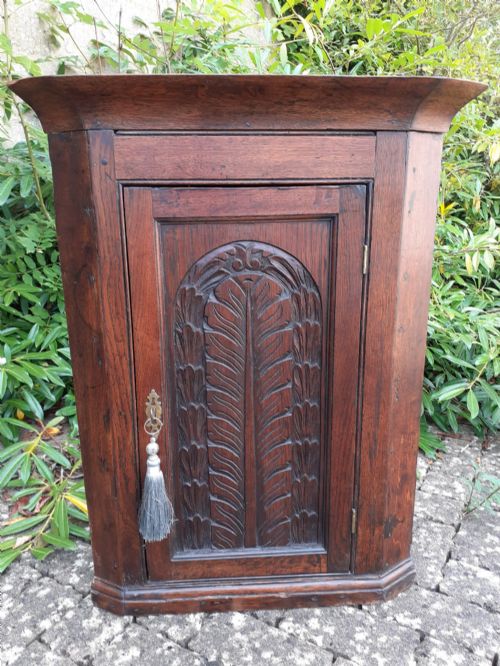
A georgian oak cabinet encompasses a wide variety of domestic storage forms produced across the eighteenth and early nineteenth centuries. Buyers frequently encounter wall-hanging corner cupboards, floor-standing corner units, dresser bases, and small spice cabinets on this page.
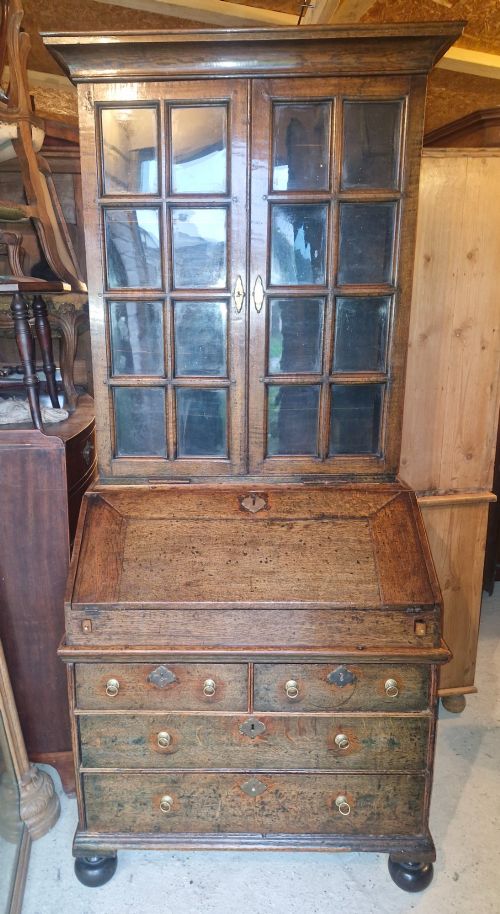
The regional diversity of these items reflects traditional country workshops, particularly from Welsh and English provincial makers. Pieces range from compact wall cabinets designed to save space to large bureau bookcases and linen presses intended for principal rooms.
Utility dictated the original design of these items, meaning many served specific household needs such as food storage, holding apothecary supplies, or keeping tableware. Surviving examples display the functional forms required by households before fitted kitchens and modern wardrobes became standard.
How they were made
Carpenters relied primarily on solid oak, frequently supplemented by secondary timbers such as pine or elm for interior shelving and drawer linings. Joinery techniques included panel-and-frame construction to accommodate the natural seasonal movement of timber without splitting.
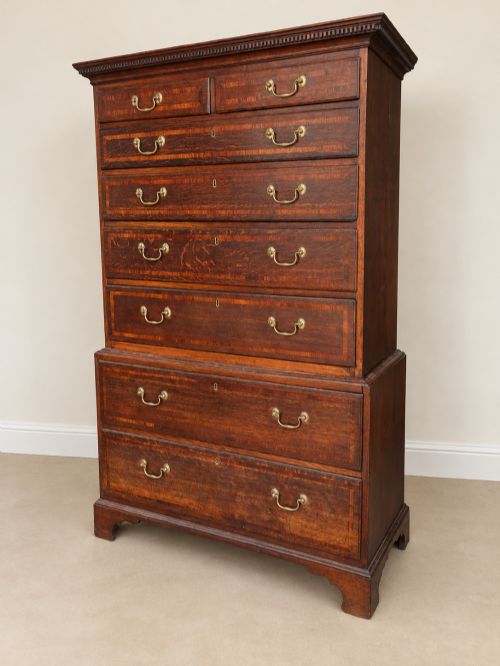
Surface decoration often involved simple carved geometric panels, brass H-hinges, and occasional inlay work utilising mahogany banding. Many surviving examples retain deep patination developed through centuries of daily use and waxing.
Georgian Oak Cabinet Retail Price Guide 2026
Typical asking prices for georgian oak cabinet among the pieces listed under this phrase on Sellingantiques today, from the lower quarter to the upper quarter. They describe what is for sale here now, not the wider market.
Listings feature oak alongside contrasting mahogany inlay, brass hardware, and secondary woods like pine and elm.
What varies in quality
The standard of a georgian oak cabinet is determined by the selection of timber and the restraint of subsequent alterations. Superior examples display well-figured grain, original brass hardware, and untouched interior shelving.
Proportion and structural integrity also separate ordinary utilitarian pieces from finer items made for country houses. Cabinets retaining original backboards, locks, and period hinges hold greater integrity than those heavily modified or stripped of their historic surfaces.
The Georgian Oak Cabinet Glossary
- Corner cabinet
- A storage unit designed specifically to fit into the internal angle of a room, saving floor space. These occur in both wall-hanging and floor-standing formats.
- Dresser base
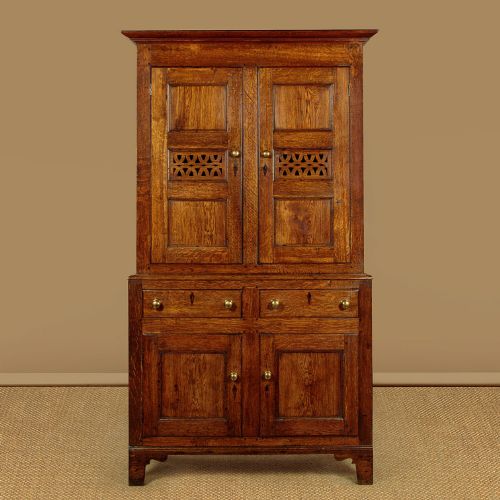
- A low sideboard-style cabinet featuring drawers and cupboards below a flat top surface, frequently used in country dining rooms and kitchens.
- Spice cupboard
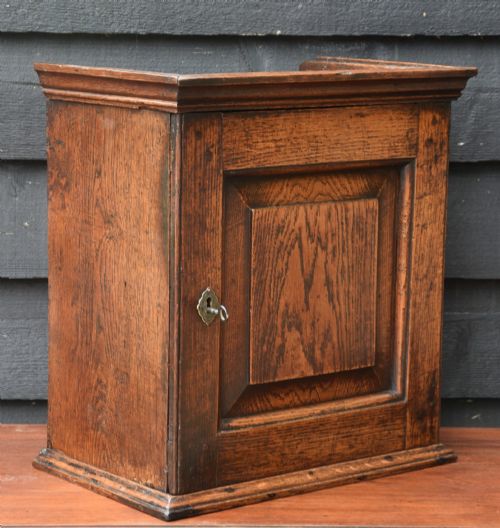
- A small, wall-mounted or table-standing cabinet fitted with multiple internal drawers for storing valuable culinary ingredients. These often feature panelled doors and small brass knobs.
- Court cupboard
- An early form of enclosed storage featuring stacked tiers, sometimes supported by turned balusters. They are frequently associated with seventeenth and early eighteenth-century vernacular design.
- Bureau bookcase
- A dual-purpose piece combining a sloping fall-front writing desk with shelving enclosed by doors above. The interior often contains small pigeonholes and secret compartments.
Georgian Oak Cabinet: Frequently Asked Questions
Where did people place corner cabinets?
Homeowners typically hung wall cabinets in parlours or dining rooms to display ceramics and glassware securely. Floor-standing versions occupied unused corners in hallways or sitting rooms.
Because houses of the period lacked fitted kitchens, these units provided accessible storage where floor space was restricted.
How do I identify a spice cabinet?
Spice cabinets are identifiable by their compact dimensions and a single small door opening to reveal an arrangement of internal drawers. They were designed to hang on walls or sit upon larger pieces of furniture.
Their primary function was safeguarding expensive household provisions rather than everyday crockery.
What is a dresser base used for now?
Modern owners utilise dresser bases as sideboards in dining rooms, living areas, or hallways for general storage. The deep drawers and lower cupboards accommodate tableware, linens, or media equipment.
Their flat top surfaces also provide practical display space for lamps and decorative objects.
Are these cabinets made of solid oak?
Primary visible surfaces and structural frames consist of solid oak, though secondary woods like pine or elm often form the internal drawer linings and backboards. This method of construction was standard practice for provincial cabinetmakers.
Examining the interior timbers and drawer construction helps determine the period and origin of the piece.