

Walnut Vitrine Cabinet
When you search for a walnut vitrine cabinet, you are looking for a glazed display piece designed to showcase porcelain and curios.
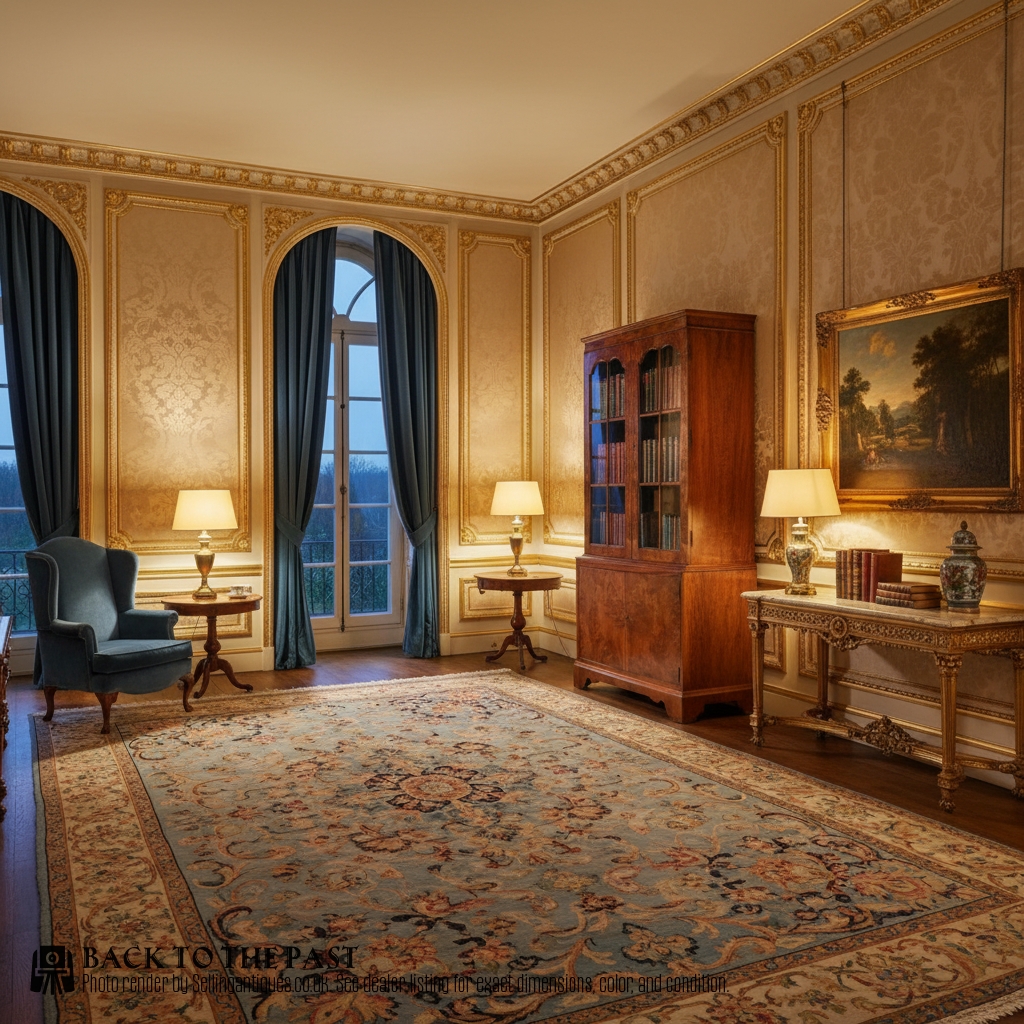
Walnut Vitrine Cabinet
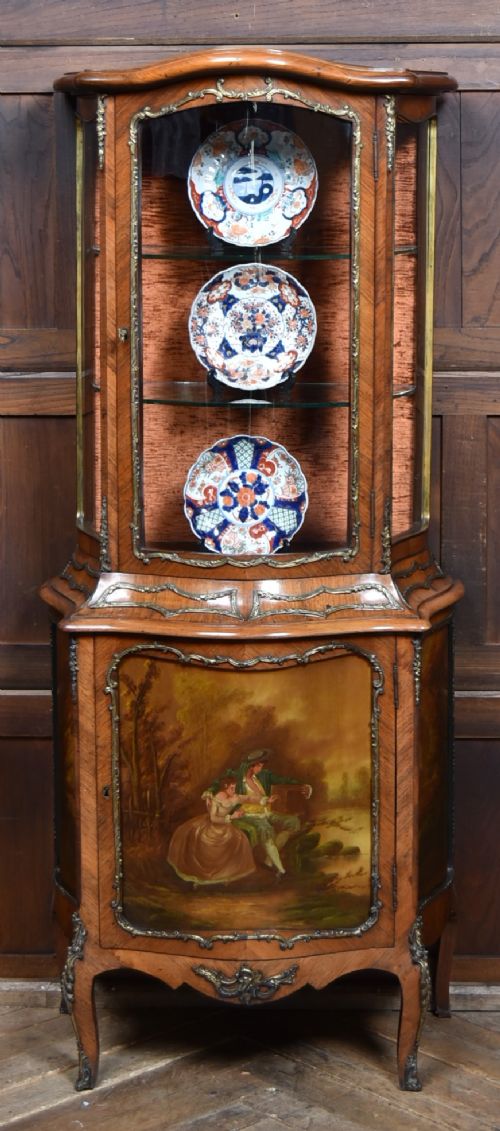
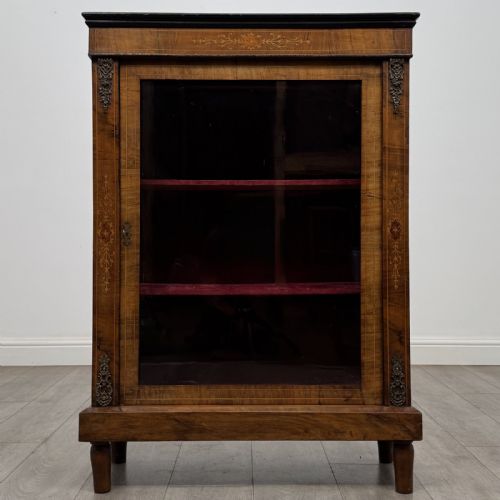
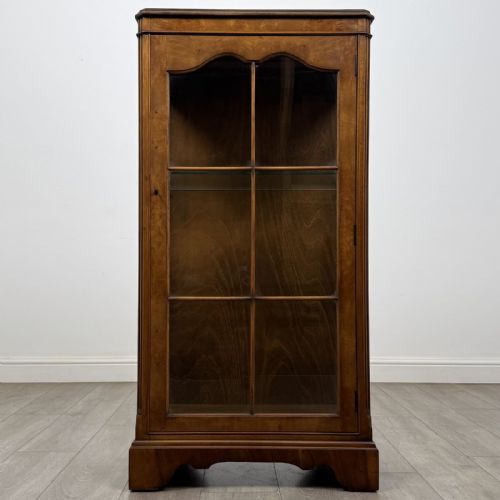
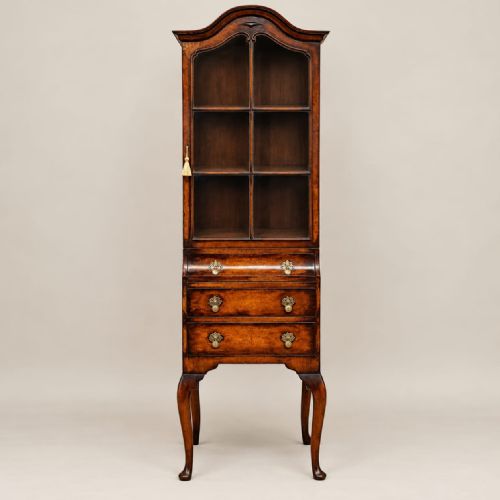
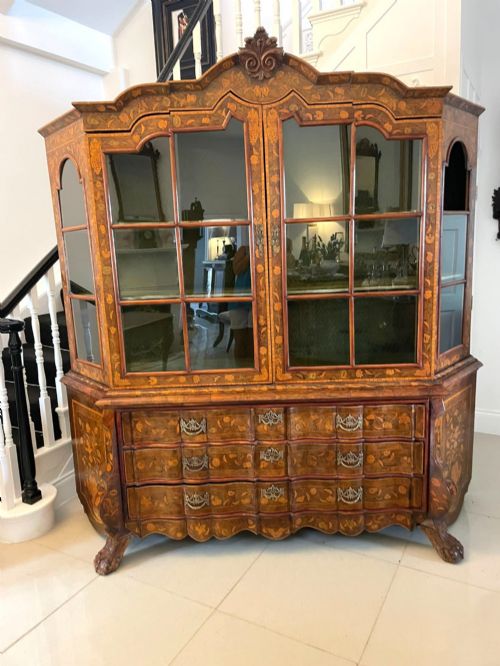
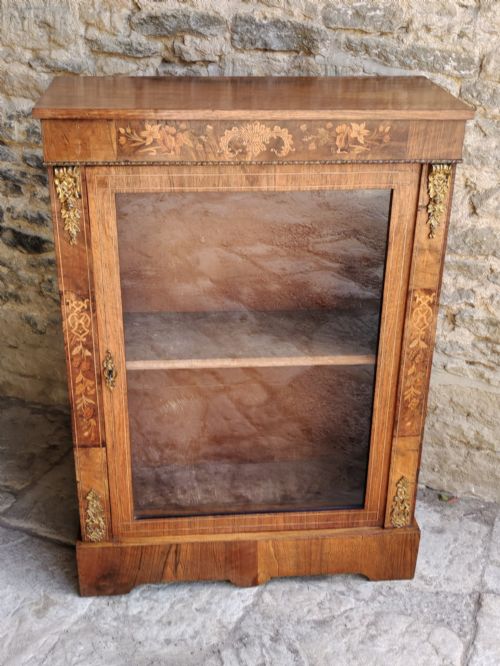
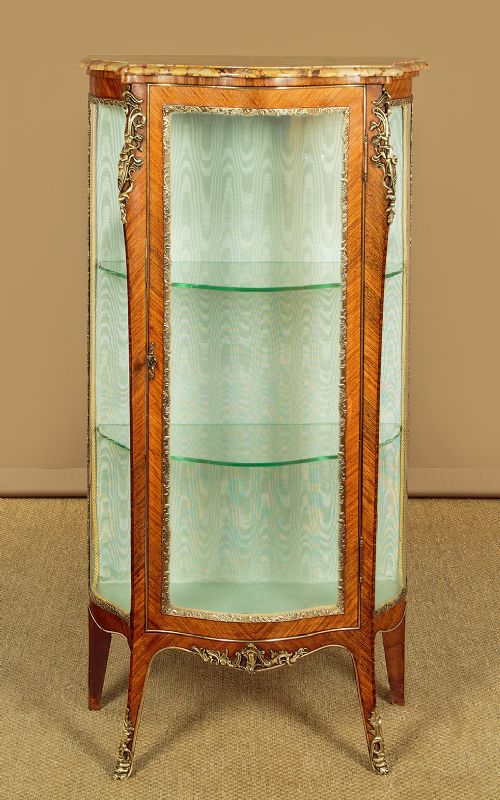
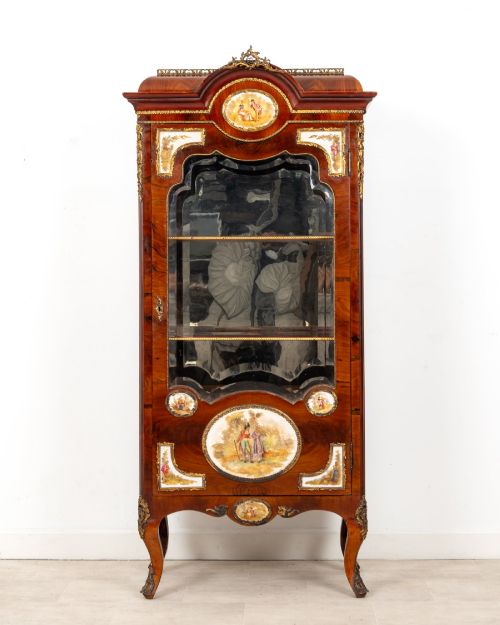
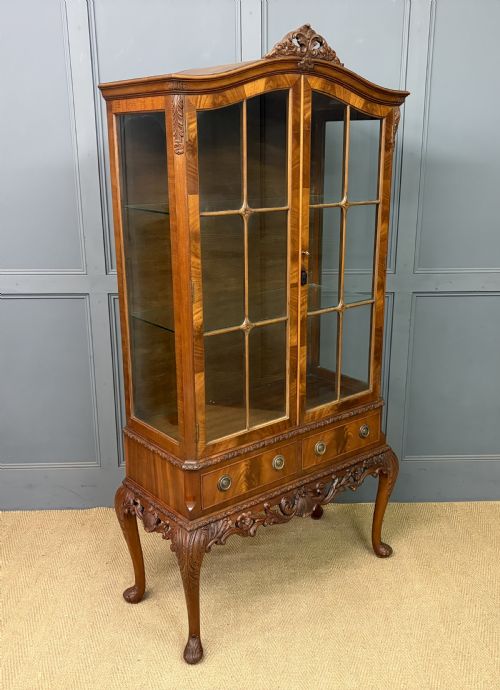
A walnut vitrine cabinet serves primarily to display prized possessions behind protective glass doors while introducing rich timber tones to a room. Buyers searching this phrase encounter forms ranging from compact Victorian pier cabinets to architectural Edwardian and Art Deco designs.
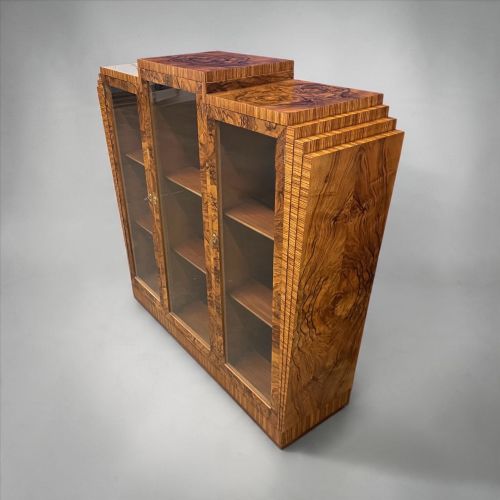
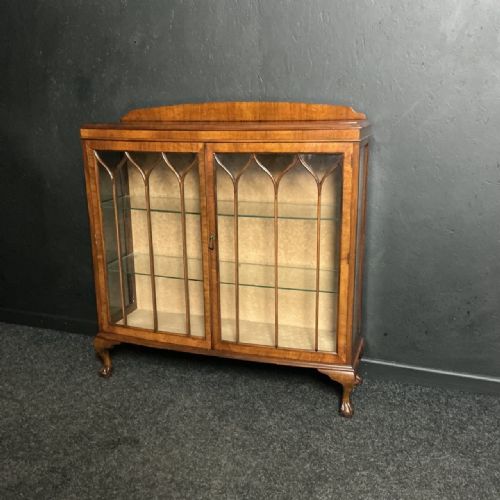
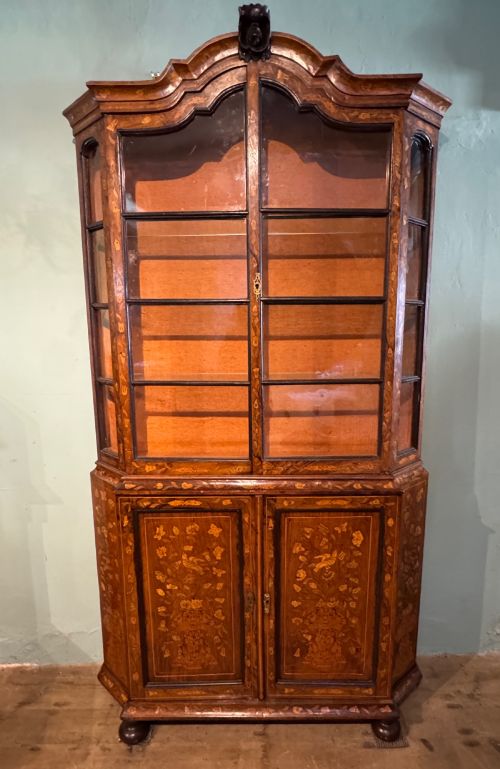
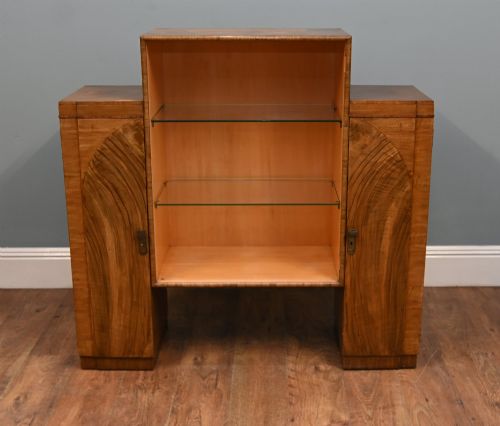
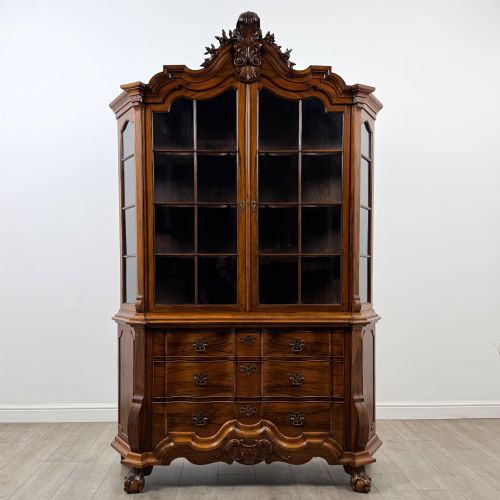
The most common examples on this page date from the Victorian period through to the 1930s, encompassing styles such as Dutch Baroque Revival, Louis XV Revival, and clean-lined Art Deco. Pieces originate from English, French, Dutch, and Italian workshops, reflecting diverse regional tastes in domestic display.
Beyond standard freestanding vitrines, the selection includes corner cabinets, wall-mounted display units, and combinations featuring lower chests or bookcases. Each form provides a specific spatial solution for housing ceramics, books, or small collections.
Materials and Techniques
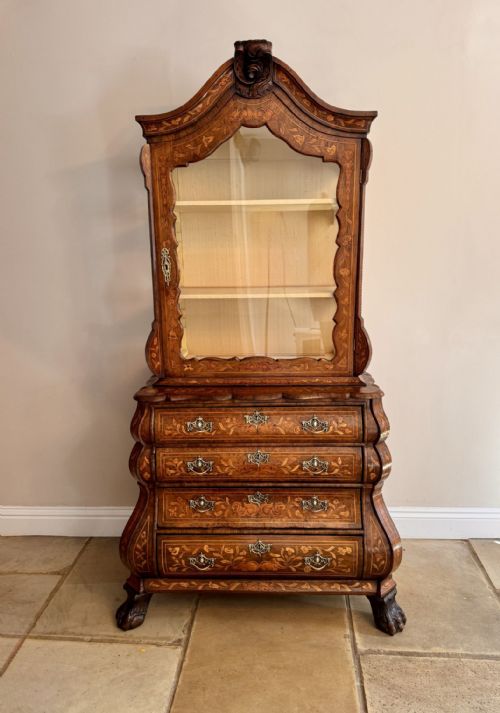
Makers utilised solid walnut alongside highly figured veneers such as burr walnut and burr maple to achieve striking decorative grain patterns across flat surfaces. Marquetry inlay, often featuring floral motifs in contrasting woods, frequently adorns 18th-century and revival Dutch pieces.
Structural elements commonly combine secondary timbers with walnut exteriors, while glass panels are fitted into timber frames or secured with brass glazing bars. Metal embellishments such as ormolu, gilt bronze, and gilt metal mounts accent the corners and door edges of French and Victorian examples.
Walnut Vitrine Cabinet Retail Price Guide 2026
Typical asking prices for walnut vitrine cabinet among the pieces listed under this phrase on Sellingantiques today, from the lower quarter to the upper quarter. They describe what is for sale here now, not the wider market.
Listings feature walnut vitrine cabinets spanning the 18th century, Victorian era, Edwardian period, and the 1930s Art Deco movement.
Judging Quality
Quality reveals itself in the selection and bookmatching of the walnut veneer, where harmonious grain patterns demonstrate careful cabinetmaking. Superior pieces display crisp carving, precise marquetry alignment, and substantial cast bronze or ormolu mounts rather than stamped metal alternatives.
The sophistication of the internal construction, including hand-dovetailed drawers, original glazed panes, and well-fitted doors, separates utilitarian storage from exceptional decorative work. Proportion and stylistic coherence also distinguish workshop-produced furniture from standard commercial output.
Maple & Co.·Edwards & Roberts·Epstein
The Walnut Vitrine Cabinet Glossary
- Vitrine
- A glass-fronted cabinet designed specifically for displaying porcelain, curiosities, or fine objects. These pieces often feature glazed sides to maximise light penetration.
- Burr Walnut
- A timber derived from the abnormal growth of a walnut tree, yielding a swirling, highly decorative grain pattern. Cabinetmakers prized this veneer for principal door panels and tabletops.
- Marquetry
- The art of applying decorative pieces of veneer to a structure to form intricate pictorial or geometric designs. It is particularly characteristic of Dutch furniture from the eighteenth century onwards.
- Ormolu
- Gilt bronze mounts applied to furniture edges and corners for decorative effect. The technique involves coating bronze with a mercury and gold amalgam.
- Pier Cabinet
- A narrow display cabinet traditionally designed to stand against the wall space between windows. Victorian examples frequently incorporate glazed doors and velvet-lined interiors.
Walnut Vitrine Cabinet: Frequently Asked Questions
What is a walnut vitrine cabinet used for?
These cabinets were originally built to protect and display delicate porcelain, silverware, and treasured personal collections away from dust. The glazed panels and shelves allow light to enter from multiple angles, highlighting the objects kept inside.
Today, they serve the exact same purpose in domestic settings while adding warmth and historical character to a room. Collectors utilise them to organise and exhibit everything from antique ceramics to contemporary curios.
How do I identify an Art Deco walnut vitrine?
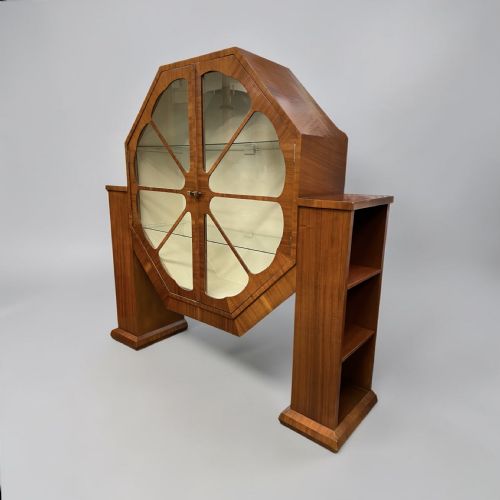
Art Deco pieces from the 1930s typically feature geometric shapes, symmetrical burr walnut veneers, and clean, streamlined silhouettes without heavy historical revival ornament. Forms like the rocket cabinet or circular display units showcase the era's fascination with modern industrial curves.
Unlike ornate Victorian or Dutch Baroque styles, these cabinets rely on the natural pattern of the wood and the purity of their architectural lines for visual impact. Glazing bars are often minimal or entirely absent to present an uninterrupted view of the interior.
Where were Dutch marquetry cabinets made?
Dutch marquetry cabinets originated in the Netherlands, where specialised workshops developed exceptional skill in floral and avian inlay using various exotic and native woods. These pieces span from the eighteenth century into revival periods of the nineteenth century.
Characterised by dense, multicoloured veneer work covering the entire exterior surface, they represent a distinct regional tradition separate from English or French furniture making. The interiors usually house adjustable wooden shelving behind glazed doors.
How do I care for antique walnut furniture?
Maintaining walnut furniture requires placing pieces away from direct sunlight and heat sources to prevent the timber from drying and the veneer from lifting. Consistent indoor humidity levels protect both the solid wood structure and the delicate marquetry inlay.
Dusting regularly with a soft, dry cloth keeps the surface clean without risking moisture damage to the finish. Avoid silicone-based polishes, as they can penetrate porous historic finishes and attract dust over time.