

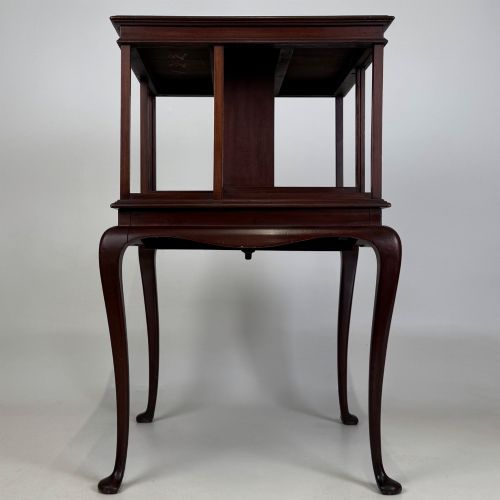
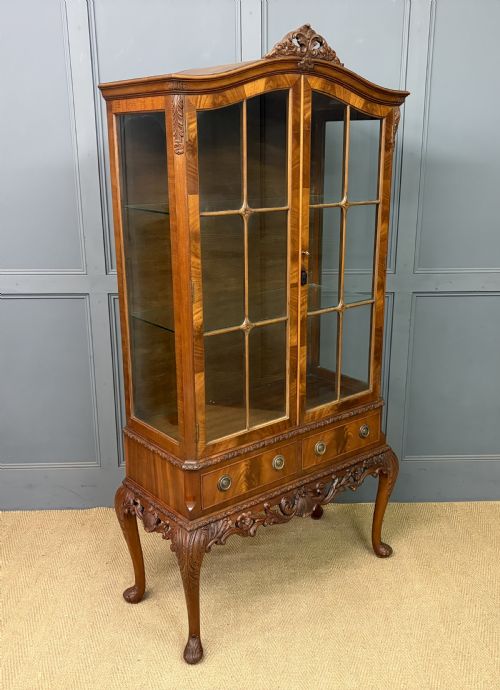
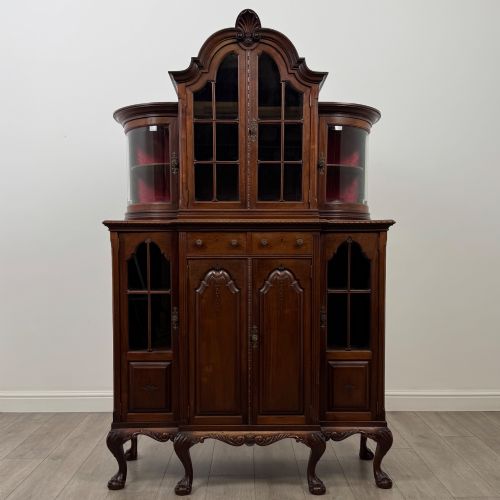
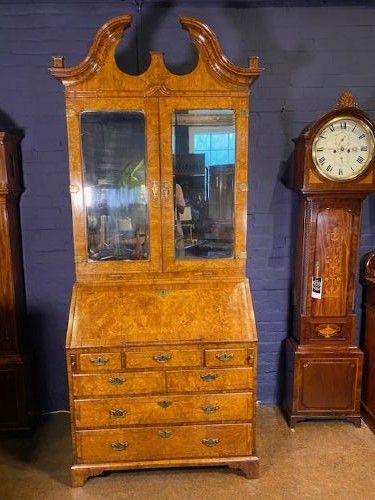
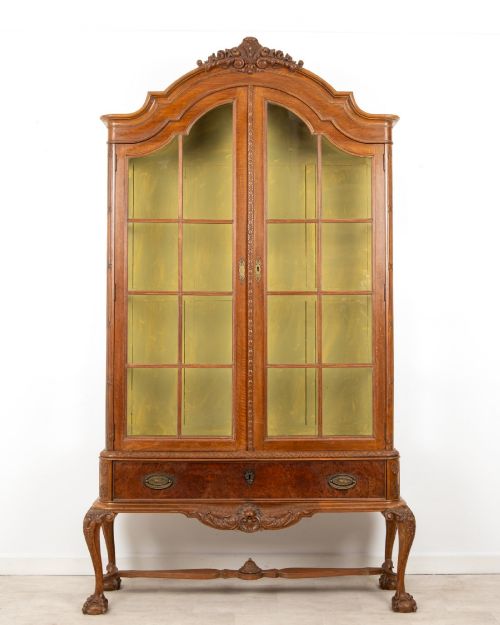

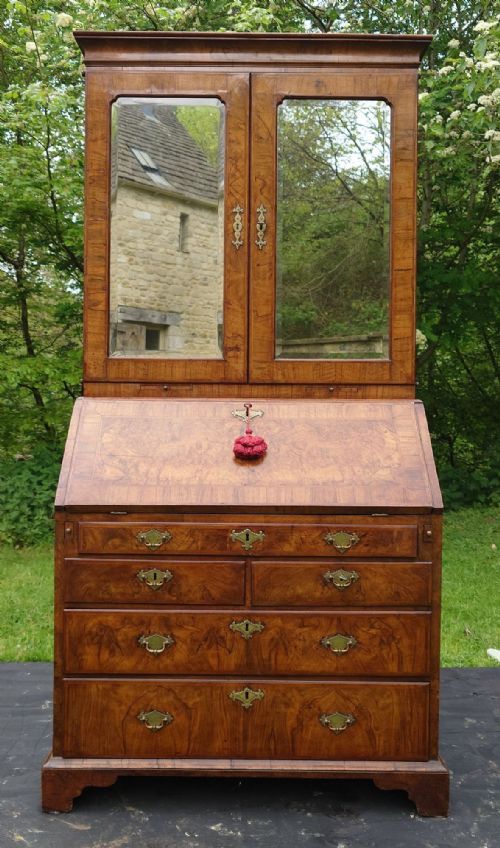
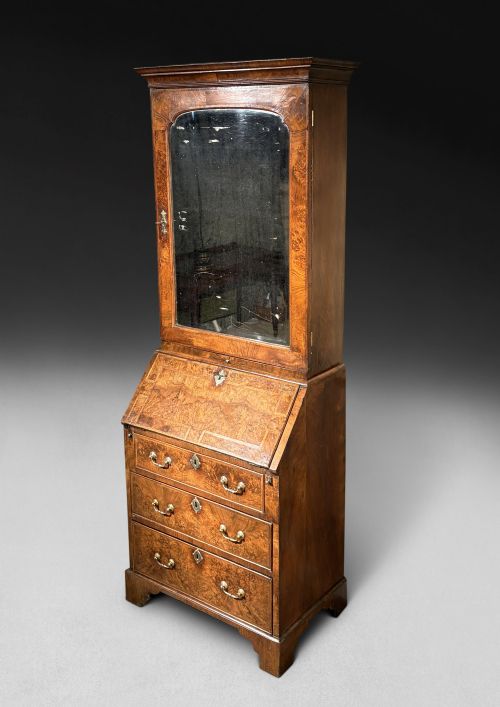
Queen Anne Bookcase
A queen anne bookcase brings figured walnut timber and fitted desk interiors into a room, offering functional storage with architectural presence.
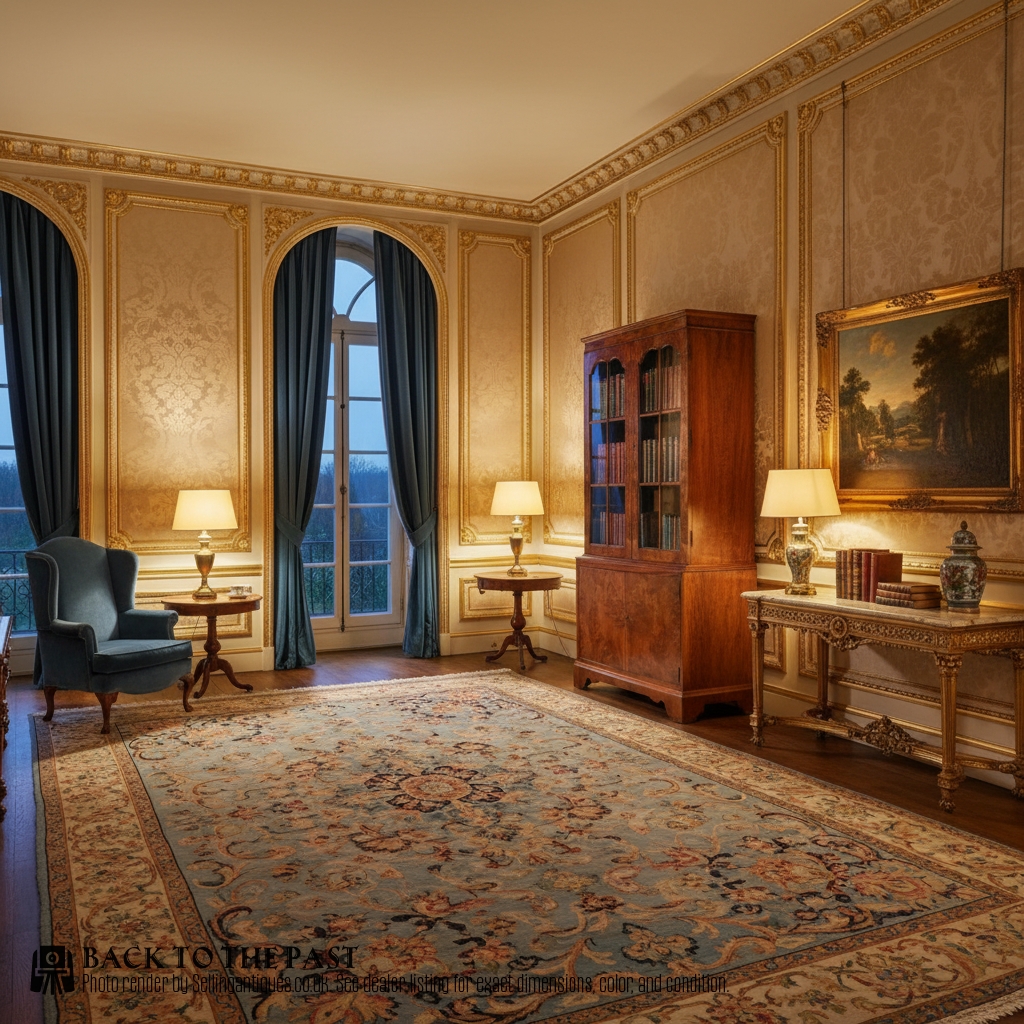
Queen Anne Bookcase
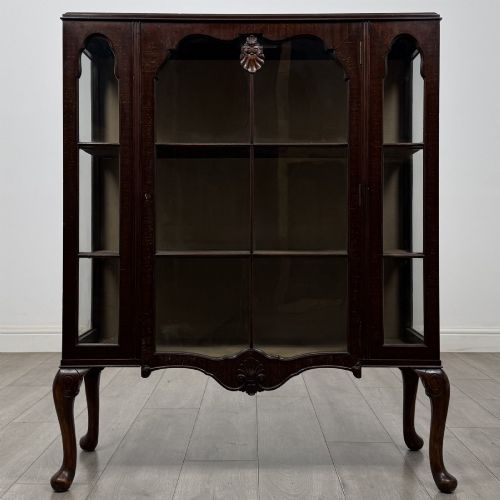
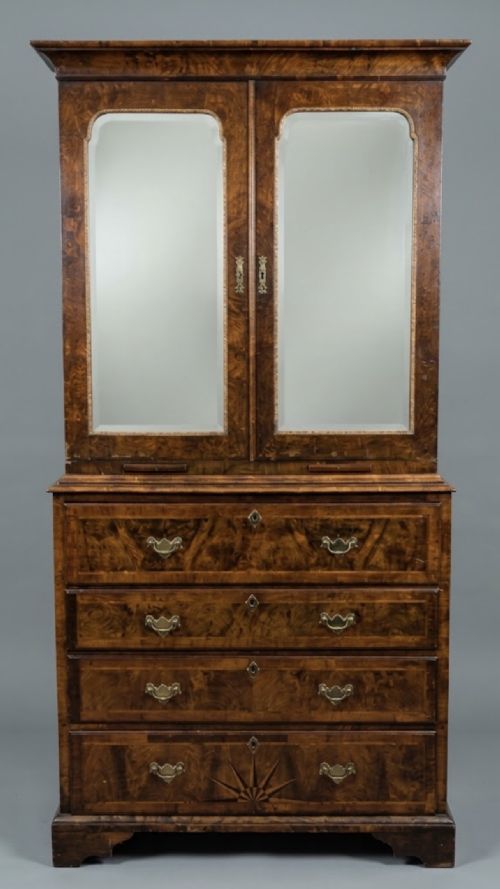
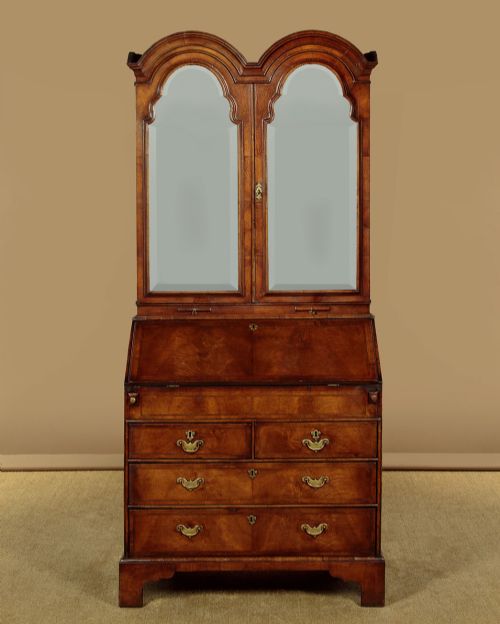
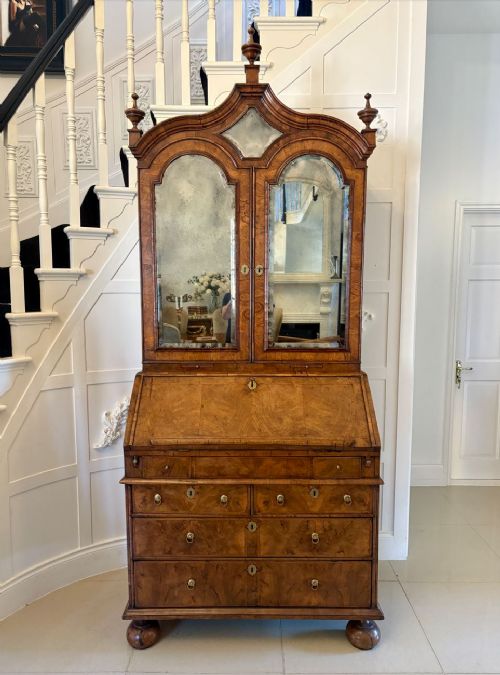
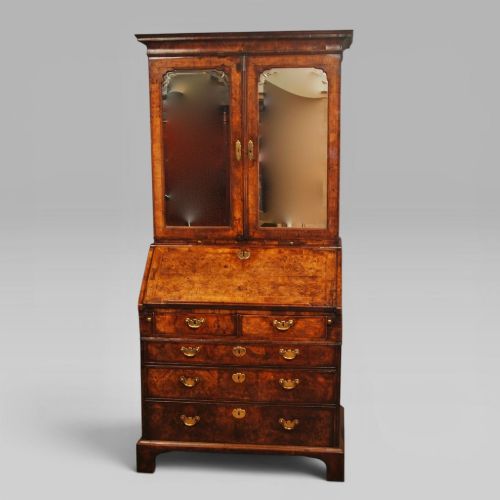
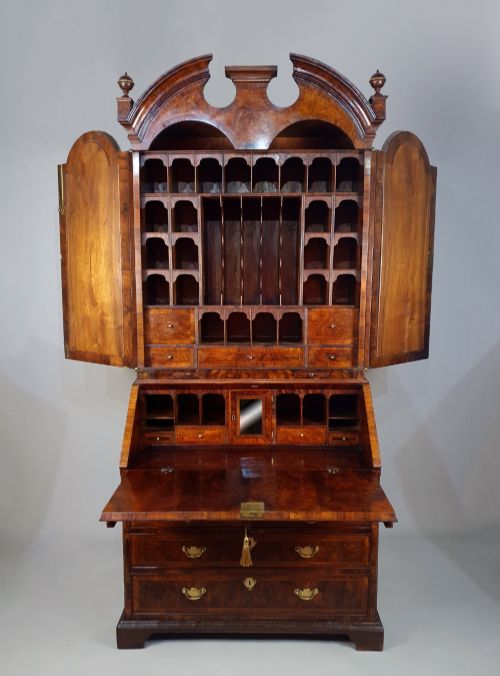
A queen anne bookcase combines display shelving with enclosed cabinetry, frequently taking the form of a bureau bookcase with a fall-front desk section concealed beneath upper doors. The most common version met on this page is the Queen Anne style revival piece from the early twentieth century, alongside original eighteenth-century examples.
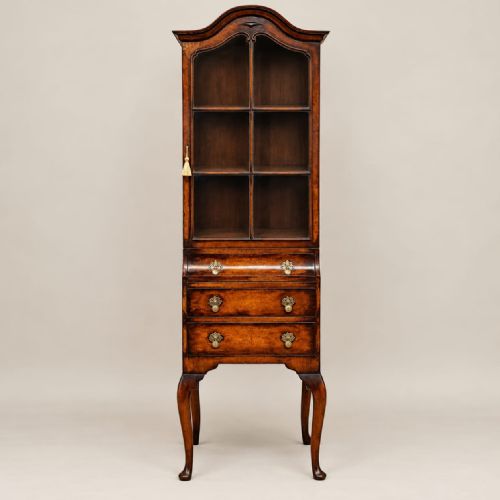
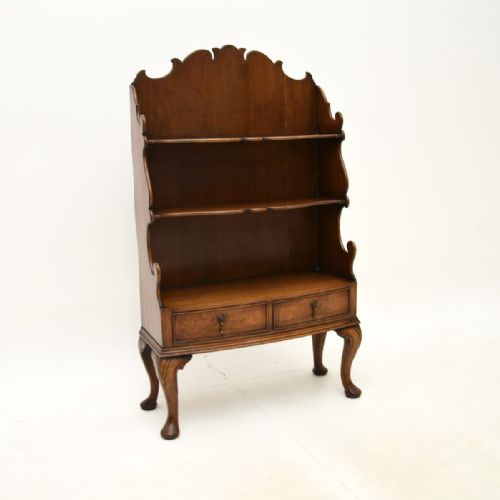
Makers designed these pieces as bureau bookcases, display cabinets, and corner cabinets using walnut and mahogany. They range from small proportions and double-dome tops to breakfront configurations suited for housing libraries and collections.
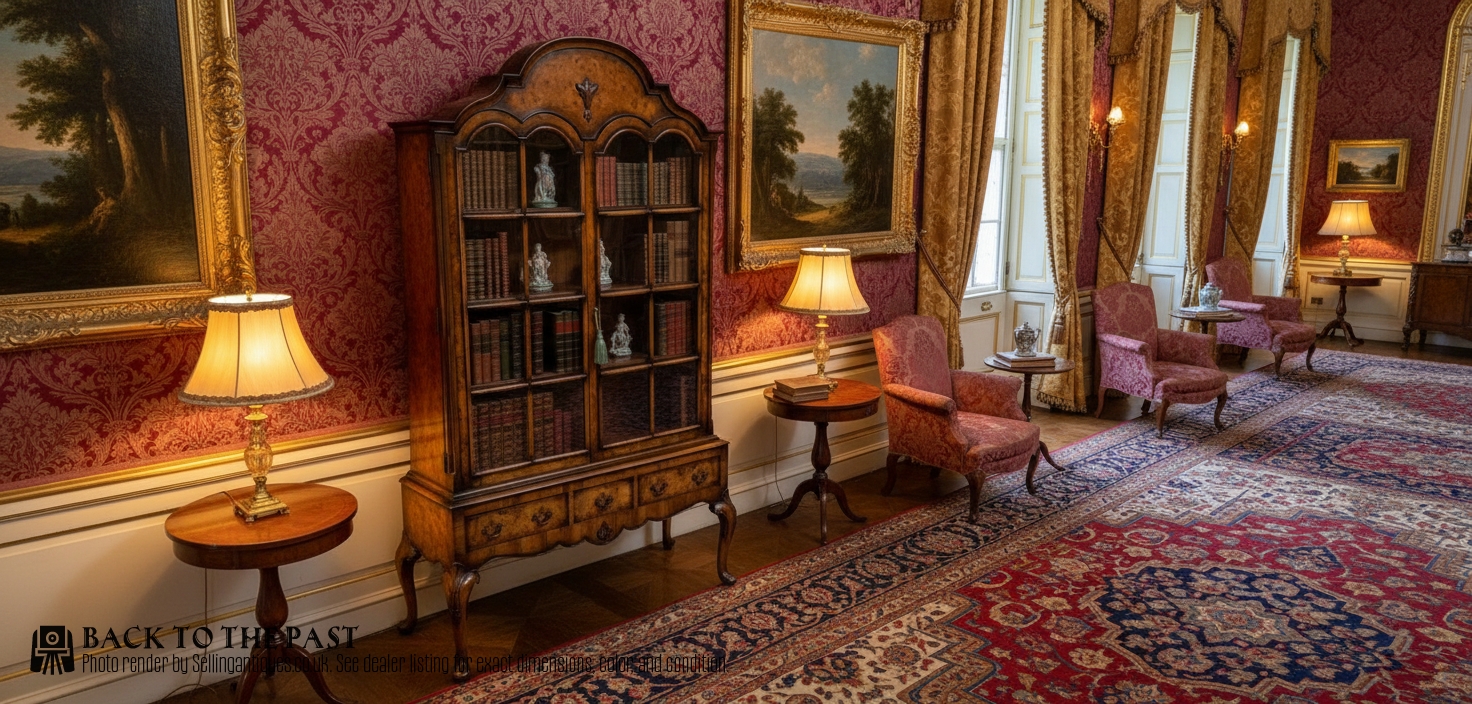
Materials and construction
Craftsmen built these pieces primarily using solid walnut and applied burr walnut veneer, complemented by featherbanding and crossbanding details to accent the grain. Glass panels, brass hardware, and occasional red lacquer finishes complete the construction of the upper cabinets and desk interiors.
Queen Anne Bookcase Retail Price Guide 2026
Typical asking prices for queen anne bookcase among the pieces listed under this phrase on Sellingantiques today, from the lower quarter to the upper quarter. They describe what is for sale here now, not the wider market.
Judging execution and timber
Quality rests on the selection of the burr walnut veneer and the precision of the matching grain across the facades. Finer examples display subtle featherbanding, original brass fittings, and patination that reflects age and handling.
Maple & Co.·Waring & Gillow·Epstein
The Queen Anne Bookcase Glossary
- Burr walnut
- A figured wood grain obtained from walnut tree growths, valued for its complex circular patterns. Cabinet makers prized this timber for veneering prominent exterior surfaces.
- Featherbanding
- A decorative inlay technique using small strips of veneer arranged in a herringbone pattern. This detail frames drawer fronts and cabinet doors on better pieces.
- Bureau bookcase
- A dual-purpose furniture form featuring a sloping writing flap that opens above drawers, paired with an upper shelving section. The interior typically contains small pigeonholes and secret compartments.
- Double dome
- An upper cabinet roof profile shaped into two adjacent rounded arches. This architectural top appears on larger pieces from both the eighteenth century and later revival periods.
- Crossbanding
- A border veneer applied perpendicularly to the surrounding grain direction. It creates a neat visual frame around panels and tabletops.
Queen Anne Bookcase: Frequently Asked Questions
How do I spot an original eighteenth-century piece?
Original period pieces show construction methods, timber maturity, and wear patterns consistent with early cabinet making techniques.
Examination of the secondary woods inside the drawers helps confirm the age of the piece.
What is the difference between original and revival pieces?
Revival pieces date mostly from the Edwardian era and the 1920s or 1930s, reproducing earlier forms using contemporary workshop methods.
Originals carry eighteenth-century provenance while sharing the same overarching architectural style and walnut materials.
How should I care for burr walnut veneer?
Keep the wood away from direct sunlight and maintain stable room humidity to prevent the veneer from drying or cracking.
Apply specialist wax sparingly to nourish the grain without building up heavy residues.
Where do bureau bookcases work best in a home?
These cabinets suit studies, living rooms, and libraries where their vertical height and enclosed storage prove practical.
The drop-front writing surface also provides a functional desk space in rooms with limited floor area.