

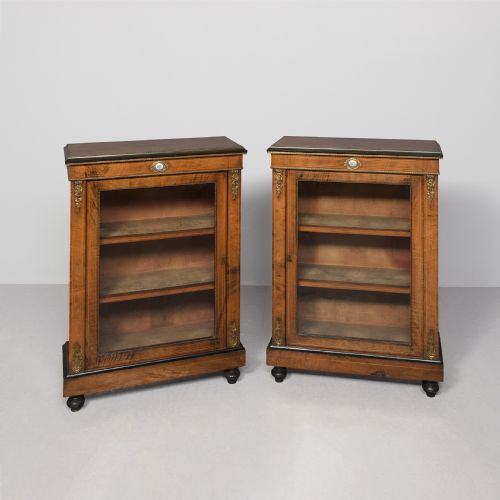

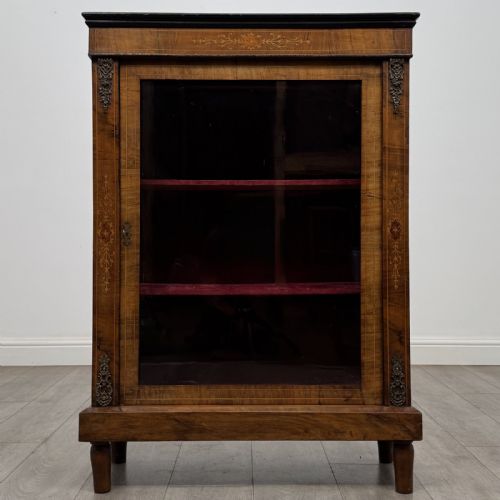
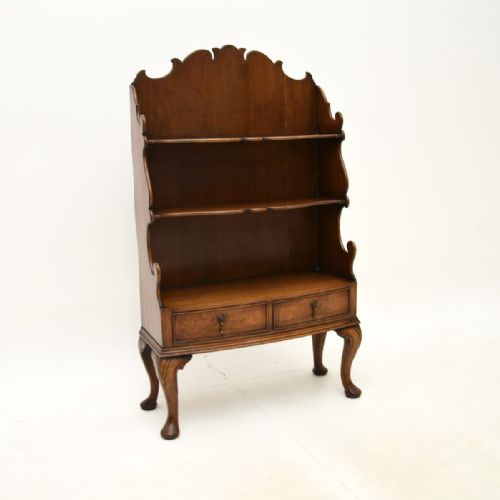
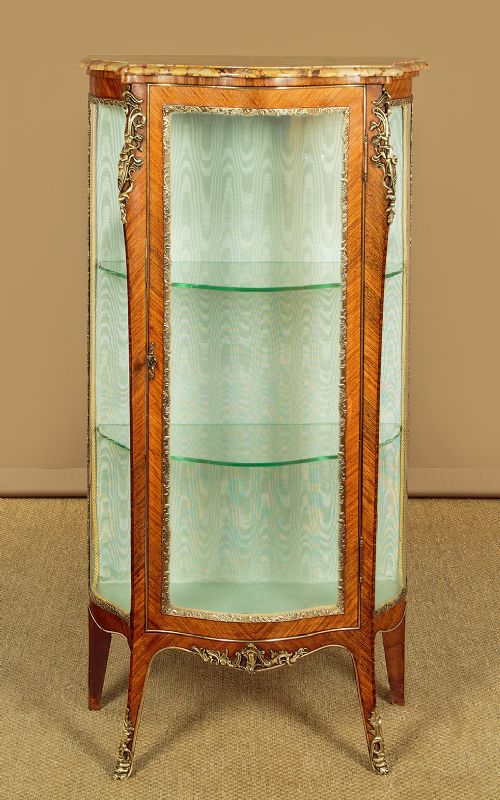





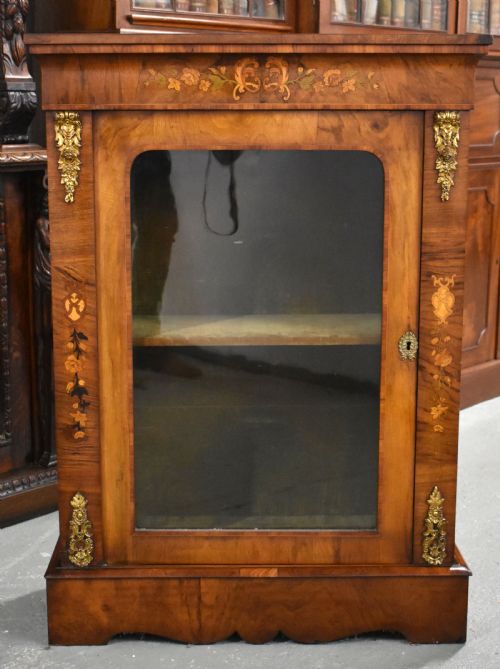
Small Walnut Bookcase
A small walnut bookcase brings warmth and practical book storage to a room without dominating the floor space.
Small Walnut Bookcase
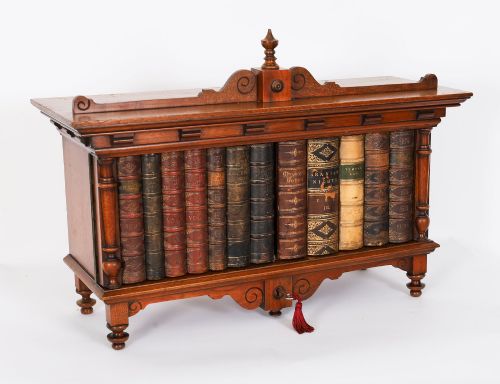
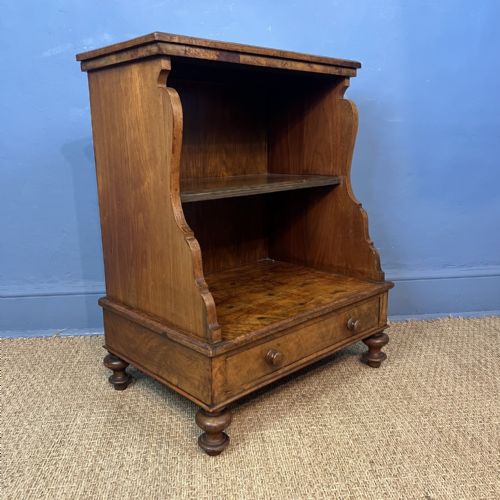
A small walnut bookcase serves as a compact storage unit for volumes and decorative objects, frequently appearing as an open shelf or a glazed display cabinet. Pieces meeting this description span the eighteenth century through to the art deco era, incorporating revival styles alongside period originals.
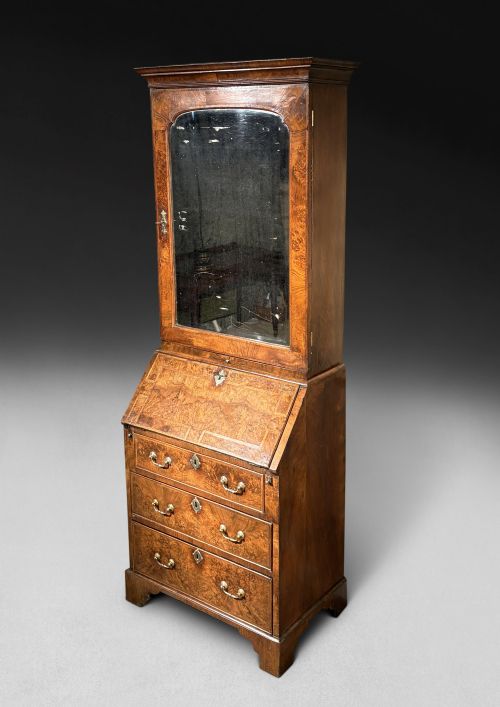
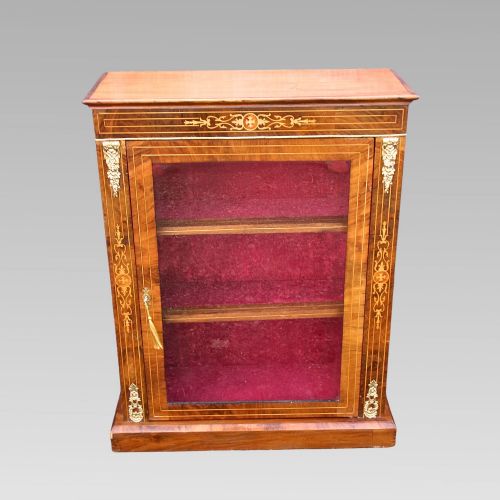
The selections include low open front configurations, bureau bookcases with fitted writing compartments, and tall pier cabinets designed for specific corners. Walnut timbers dominate these forms, often enhanced by burr figuring or marquetry details.
What varies in quality
The distinction between standard examples and the finest pieces rests upon the selection of timber and the precision of the joinery. Burr walnut veneer laid with symmetrical patterning requires advanced carpentry skill compared to plain sawn boards.
Proportion and decorative restraint dictate visual success, where subtle marquetry or original brass hardware elevates the piece. The survival of original glass panes and functioning locks also marks the upper tier of execution.
Small Walnut Bookcase Retail Price Guide 2026
Typical asking prices for small walnut bookcase among the pieces listed under this phrase on Sellingantiques today, from the lower quarter to the upper quarter. They describe what is for sale here now, not the wider market.
Listings feature walnut, burr walnut, glass, brass, ormolu, velvet, and fabric across Victorian, Edwardian, and eighteenth century pieces.
The Small Walnut Bookcase Glossary
- Burr walnut
- Timber taken from the wart or burl of a walnut tree, yielding swirling grain patterns prized for decorative veneer work. It appears frequently on doors and drawer fronts of better cabinets.
- Pier cabinet
- A narrow display piece built to stand against the wall space between windows. These often feature glass doors and velvet lined interiors.
- Bureau bookcase
- A combination furniture form featuring a sloping fall front desk above enclosed shelving or cupboards. They often include internal pigeonholes and small drawers.
- Marquetry
- Decorative patterns formed by fitting together thin slices of various wood veneers. Boxwood and ebony are typical contrasting materials used in these designs.
- Open bookcase
- A shelving unit without doors, designed for accessible book storage. Many versions incorporate adjustable shelf heights.
Small Walnut Bookcase: Frequently Asked Questions
How do I date a walnut bookcase?
Dating relies on observing construction methods, timber treatments, and stylistic details such as Queen Anne revival motifs or art deco lines. Secondary woods and backboards often offer clear clues to the manufacturing era.
Cabinet hardware, dovetail joints, and veneer thicknesses also help distinguish eighteenth century originals from Victorian and twentieth century interpretations.
Where should I place a small bookcase?
These compact units fit comfortably in tight alcoves, narrow hallways, or beside seating areas where larger furniture proves impractical. Low models additionally provide surface space for lamps or decorative items.
Placing the timber away from direct sunlight and strong heat sources protects the walnut finish and delicate veneers from drying out.
Are walnut shelves adjustable?
Many open and glazed variations feature adjustable wooden shelving supported by traditional wooden racks or metal pins. This adaptability allows storage for volumes of varying heights.
Earlier fitted interiors or fixed shelf configurations remain common in specific bureau and cabinet designs.
What is the difference between a pier cabinet and a bookcase?
A pier cabinet is typically narrower and enclosed with glazed doors, originally intended to display ornamental collections rather than working libraries. Standard bookcases prioritise open or shelved storage for reading material.
Many examples blur these boundaries by serving both display and book storage functions within a compact footprint.