

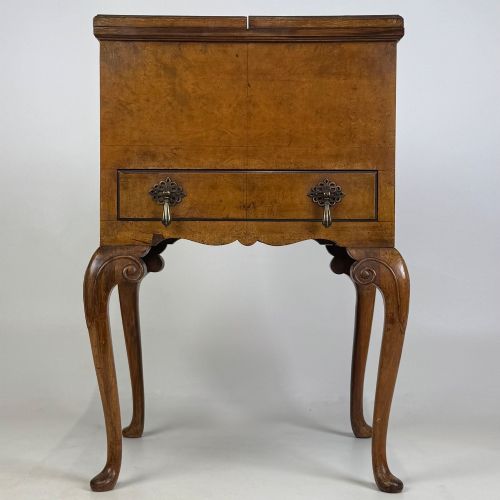
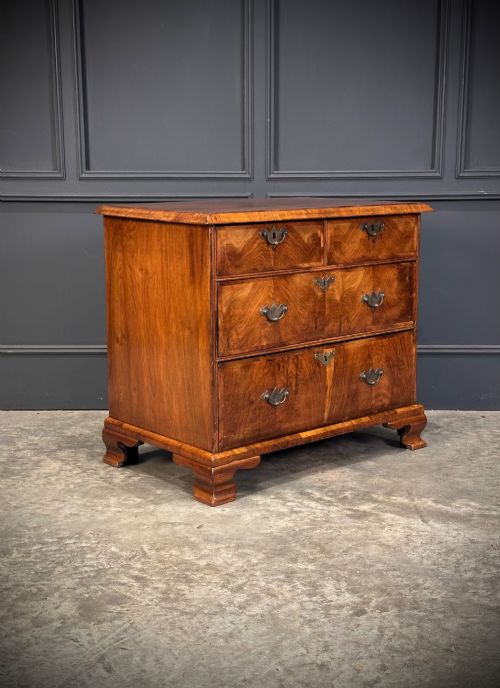
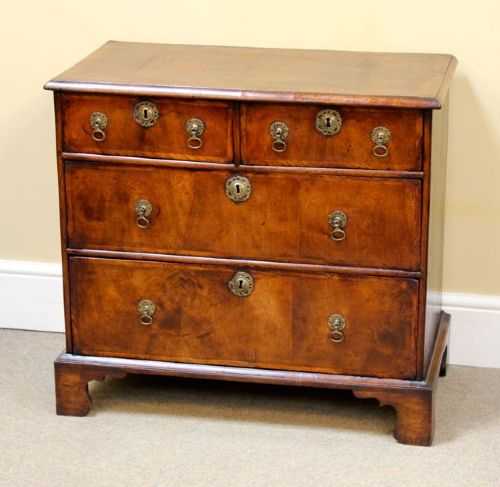
Burr Walnut Storage Cabinet
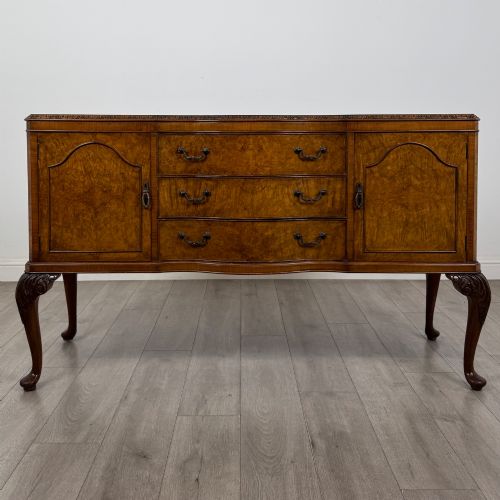
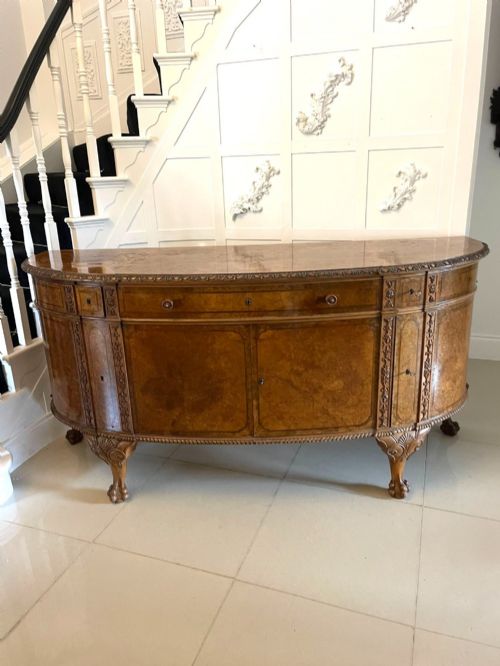
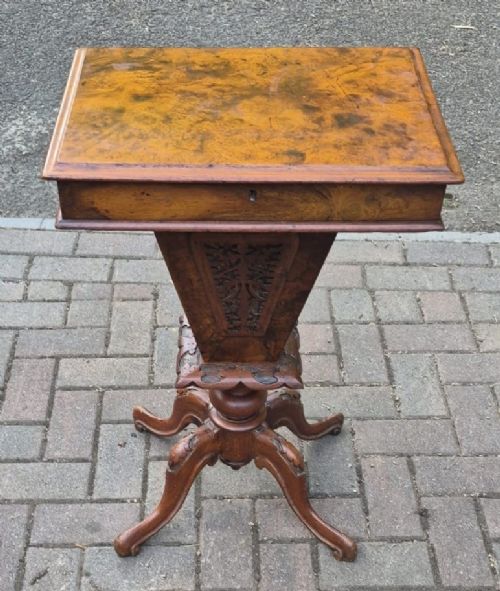
A burr walnut storage cabinet brings intense, swirling grain patterns and deep honey tones into a room.
Burr Walnut Storage Cabinet
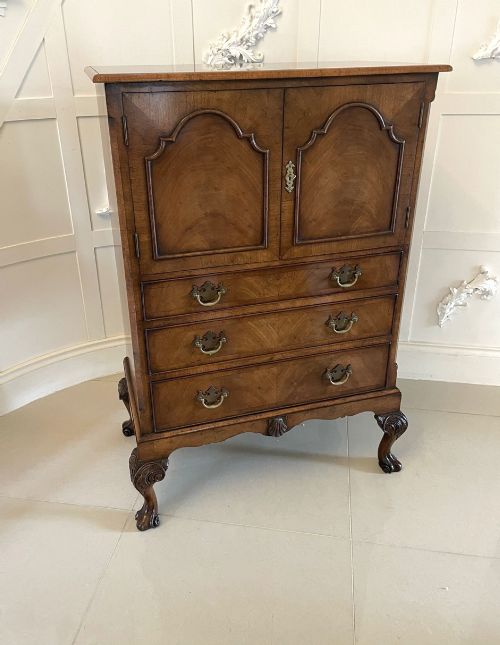
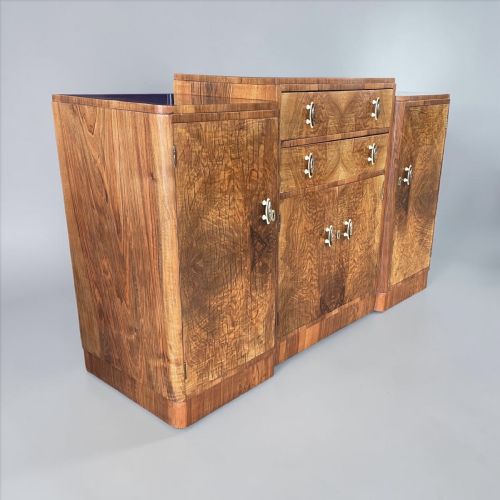
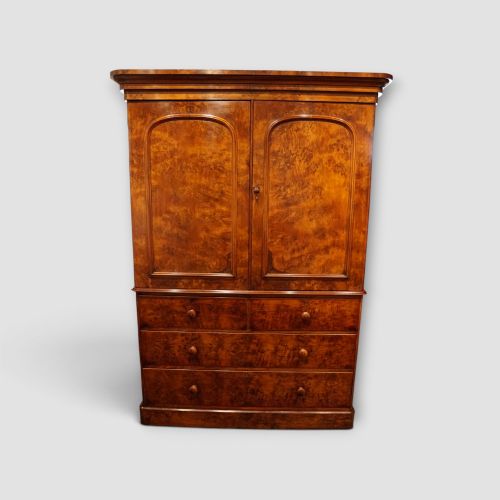
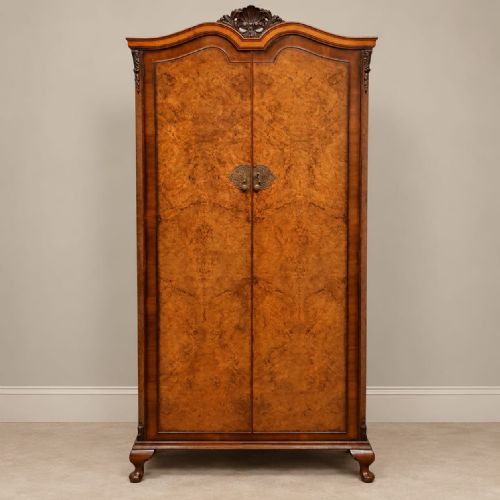
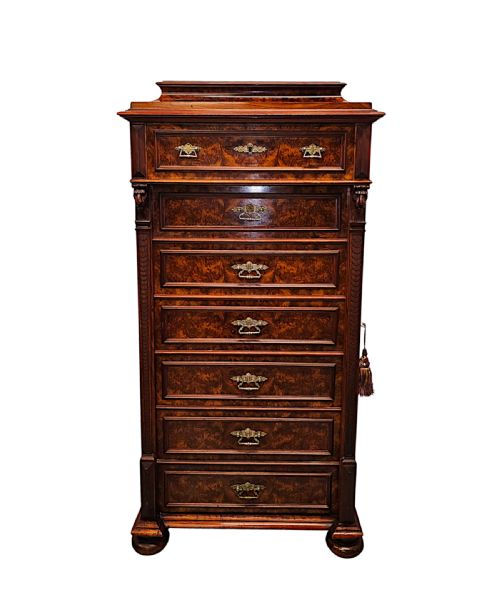
A burr walnut storage cabinet gathers pieces intended to hold clothing, books, and household goods, appearing in forms from tallboys and wardrobes to music cabinets and bedside cupboards. The selection spans the eighteenth century through the Victorian and Edwardian eras into Art Deco designs of the 1930s.
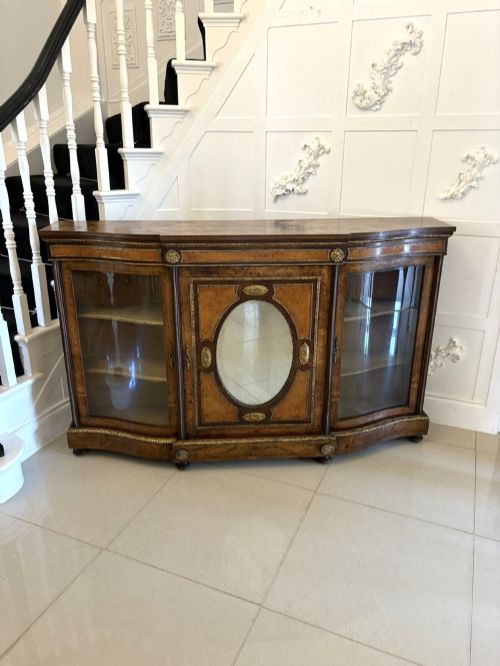
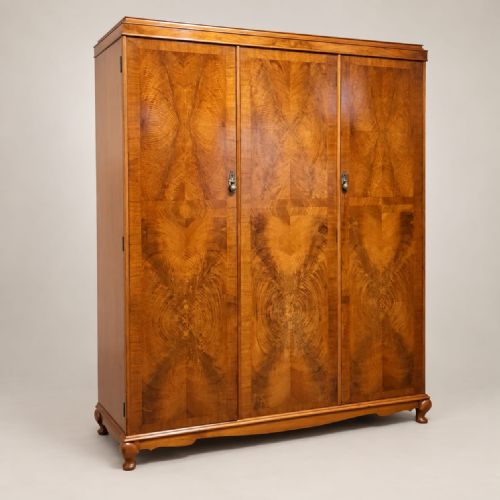
Victorian examples often take the form of credenzas, side cabinets, and linen presses featuring floral marquetry and ormolu mounts. Pieces from the 1920s and 1930s introduce compactums, fitted wardrobes, and clean-lined cabinets with distinct geometric silhouettes.
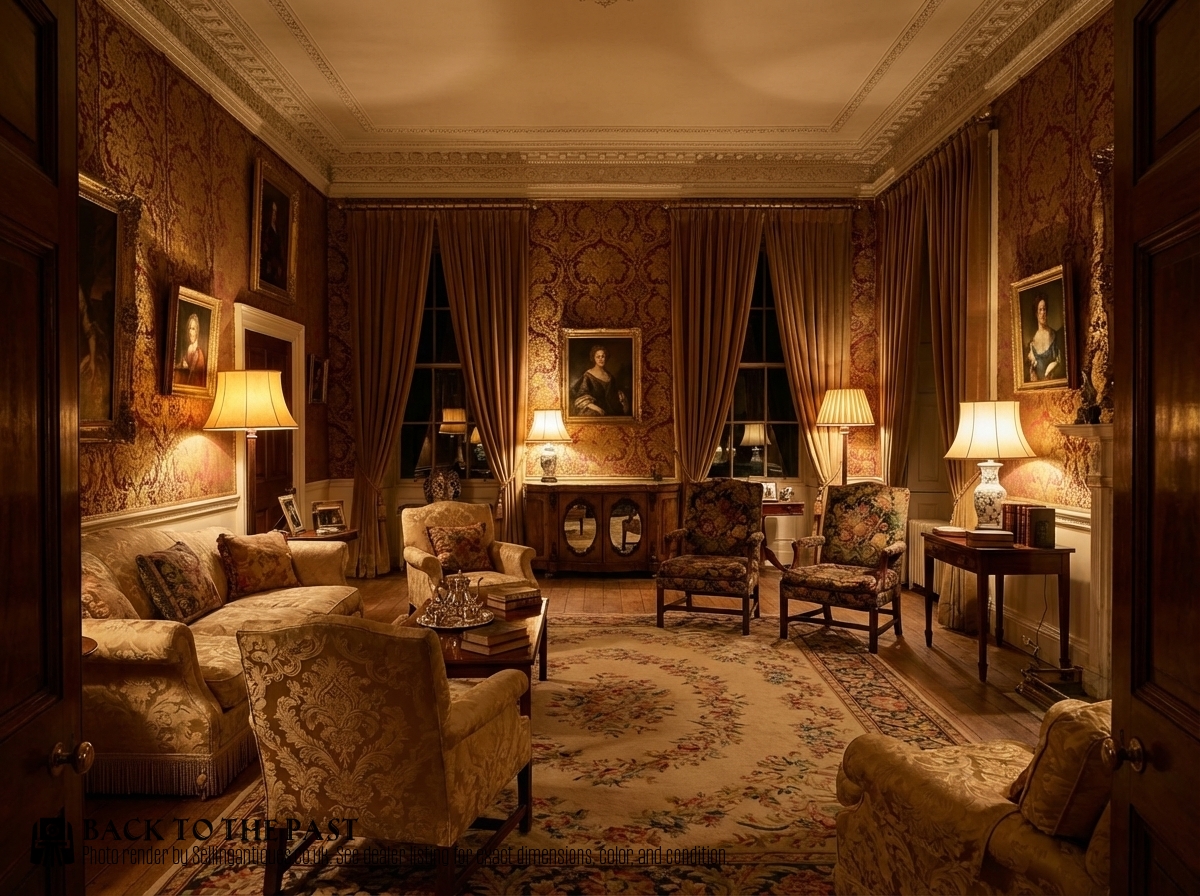
Materials and construction
Craftsmen applied burr walnut veneer over solid timber foundations such as oak or plain walnut, selecting growths with erratic knot formations to achieve dynamic grain patterns. Secondary timbers like oak appear in drawer linings and internal shelving.
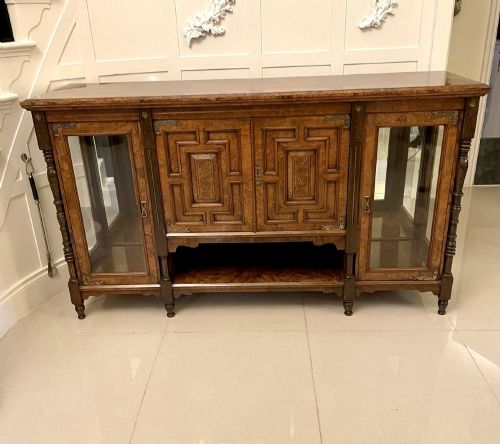
Brass hardware, glass panels, and occasional ormolu mounts provide structural and decorative contrast to the dark wood. Surface finishes rely on traditional polish to build depth and protect the figured timber.
Burr Walnut Storage Cabinet Retail Price Guide 2026
Typical asking prices for burr walnut storage cabinet among the pieces listed under this phrase on Sellingantiques today, from the lower quarter to the upper quarter. They describe what is for sale here now, not the wider market.
The listings span periods from the 18th century through Victorian and Edwardian eras to Art Deco designs of the 1930s.
Distinctions in execution
Quality rests on the selection and matching of the burr walnut veneer across the primary surfaces, where symmetrical grain alignment elevates the visual impact. The crispness of carved details and the integration of brass mounts or inlaid marquetry distinguish finer workshops from standard production.
Internal fitting and drawer construction reveal structural standards through solid timber secondary woods and smooth running mechanisms. The preservation of the original polished surface without heavy restoration maintains the integrity of the piece.
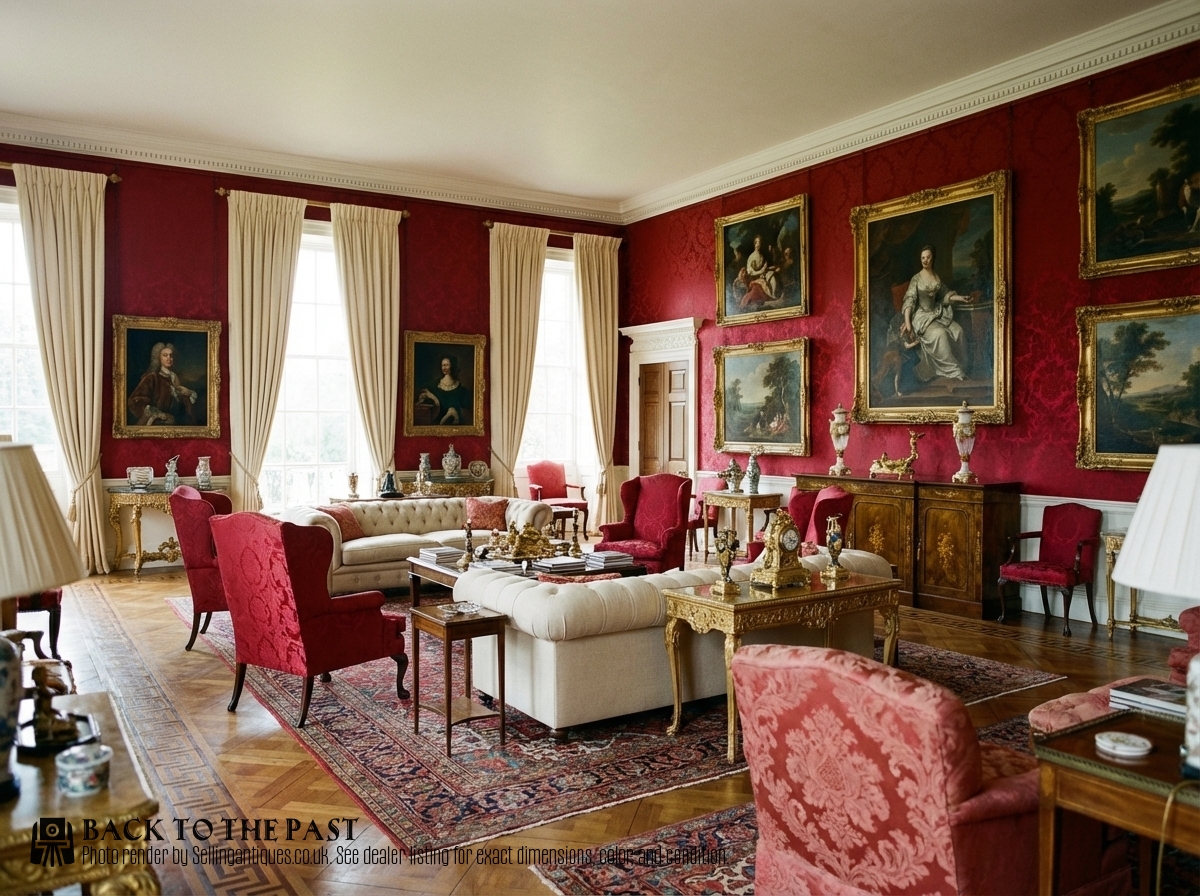
Harry and Lou Epstein
The Burr Walnut Storage Cabinet Glossary
- Burr walnut
- A veneer sliced from the deformed growth or burr of a walnut tree, prized for its swirling, highly figured grain patterns. It creates a decorative surface used on fine cabinets and chests.
- Ormolu
- Gilded bronze ornamentation applied to furniture, frequently seen on nineteenth-century credenzas and sideboards. It adds metallic contrast to the dark timber.
- Marquetry
- Decorative patterns formed by fitting pieces of coloured wood veneer into a background veneer. Floral motifs are common on Victorian cabinet doors.
- Compactum
- A large wardrobe or storage cabinet fitted with a combination of hanging space, shelves, and internal drawers. They emerged in the early twentieth century for efficient clothes storage.
- Tallboy
- A tall chest of drawers standing on a base or chest, designed to maximise vertical storage space. These pieces utilise various drawer configurations to hold linens and garments.
Burr Walnut Storage Cabinet: Frequently Asked Questions
How do I clean burr walnut?
Dust surfaces regularly with a soft, dry cloth to prevent dirt accumulation on the polished veneer. Avoid liquid polishes and silicone sprays that can damage the historical finish.
Apply a microcrystalline wax occasionally to nourish the wood and maintain a protective barrier against atmospheric moisture. Keep cabinets away from direct sunlight and heat sources to prevent the veneer from drying and lifting.
Can I use a music cabinet for modern items?
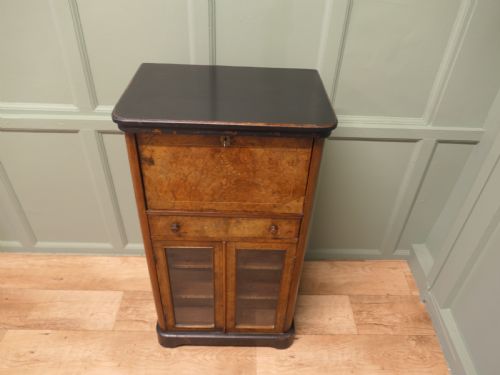
Music cabinets originally designed for sheet storage function well today for paperwork, small electronics, or accessories. The internal drop-down shelves and shallow drawers organise everyday clutter efficiently.
Their compact footprints allow them to fit easily into hallways, bedrooms, or home offices without dominating the floor space. The decorative burr walnut exterior ensures they serve as focal points while providing practical storage.
How do I date a burr walnut cabinet?
Examine the overall silhouette, construction methods, and hardware to determine the period of manufacture. Victorian pieces often feature serpentine shapes, marquetry, and ormolu, whereas 1930s examples display streamlined Art Deco forms.
Internal timber choices and drawer dovetails also help confirm age. Secondary woods like oak and pine vary across centuries, offering clues alongside styling details.
Where should I place a cabinet?
Position your cabinet on an interior wall away from radiators, fireplaces, and direct sunlight to protect the sensitive walnut veneer. Consistent room temperatures prevent the wood and glue from expanding or contracting.
Ensure the floor is level so doors and drawers operate smoothly without binding in their frames. Adequate clearance allows doors to open fully for easy access to the internal storage.