


Antique Music Chest
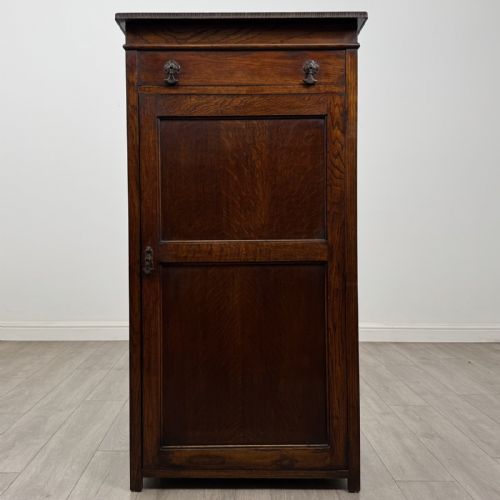
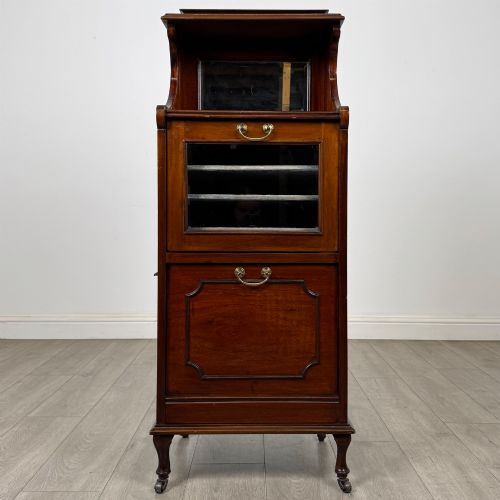
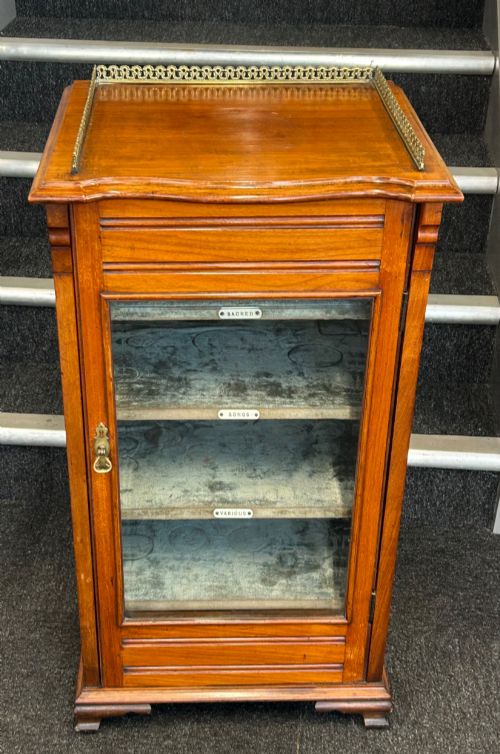
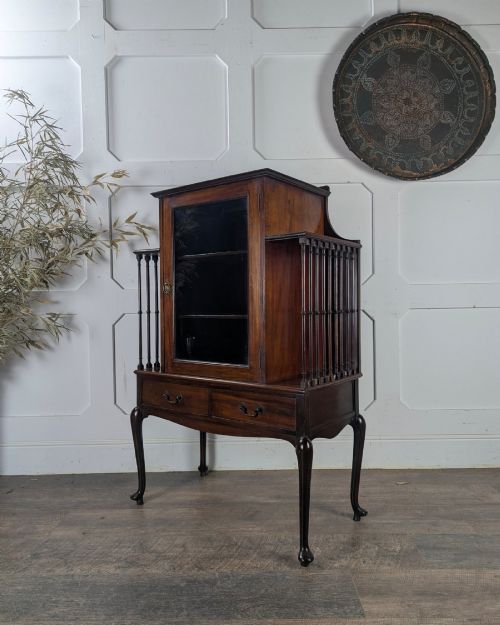
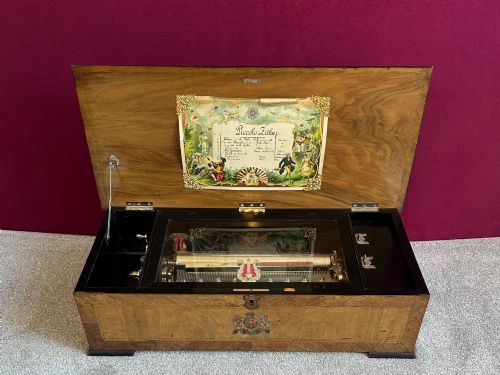
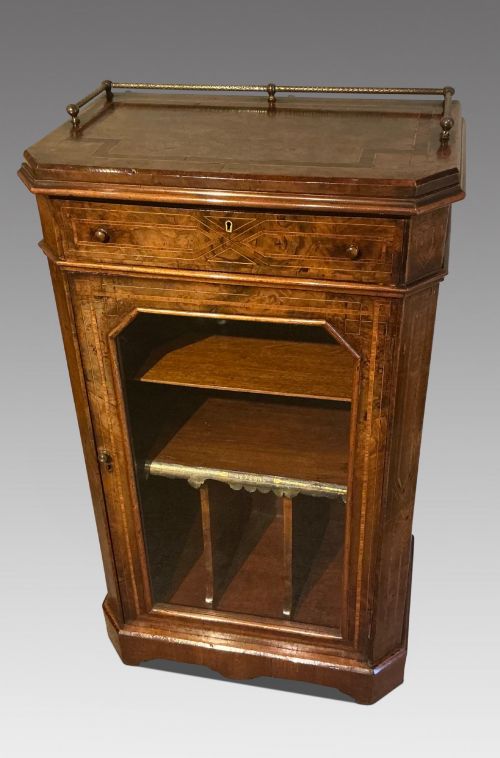
These antique music chests hold sheet music and mechanical boxes, offering upright timber storage designed for the Victorian and Edwardian parlour.
Antique Music Chest
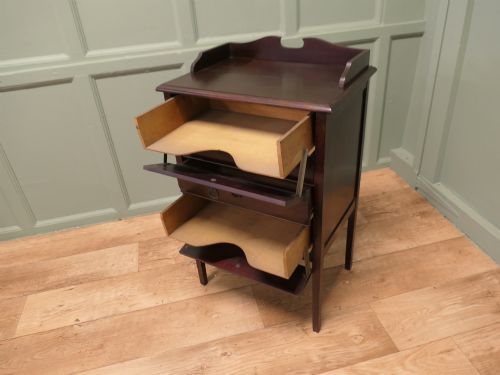
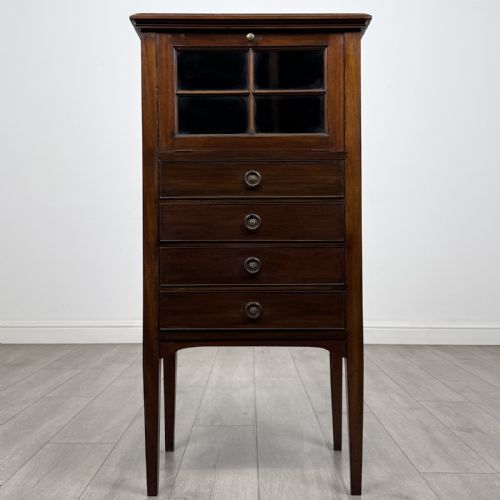
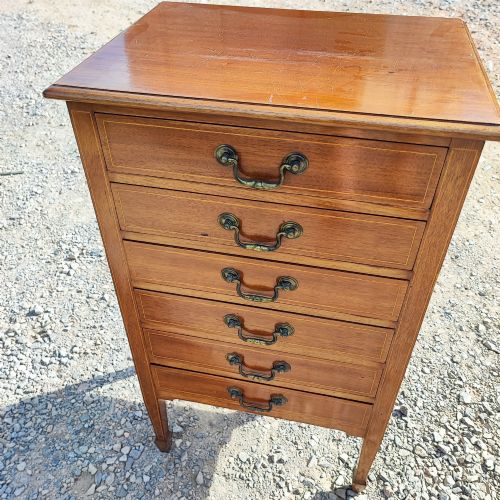
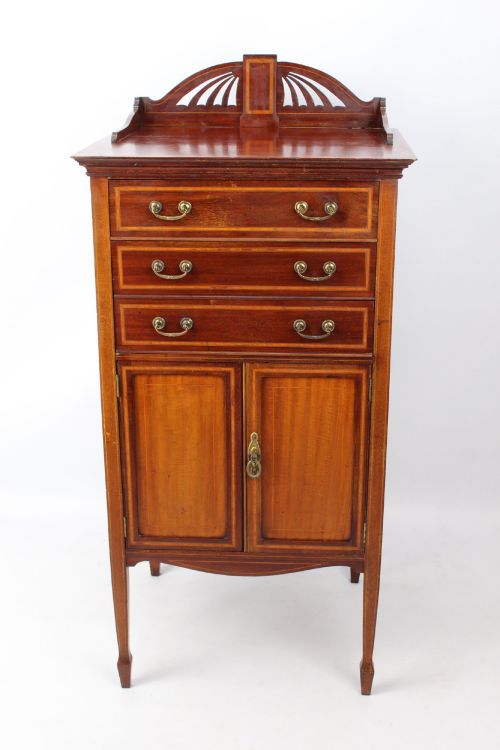
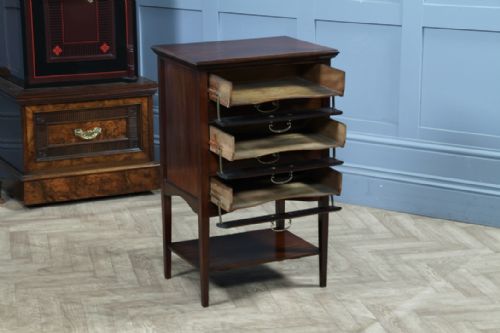
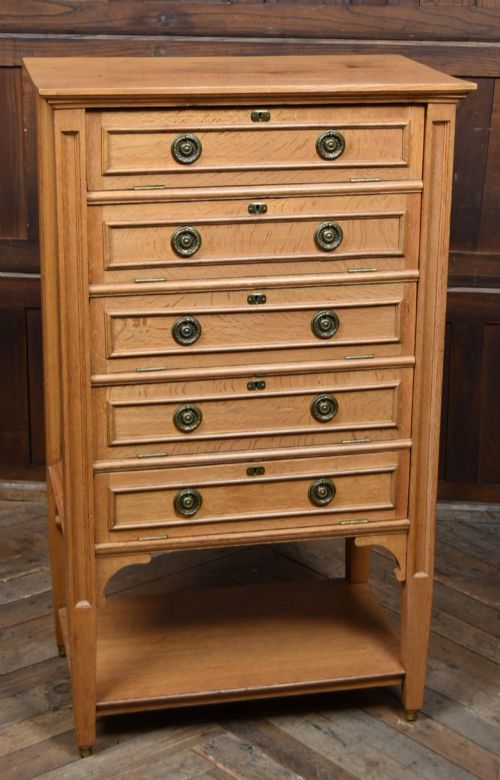
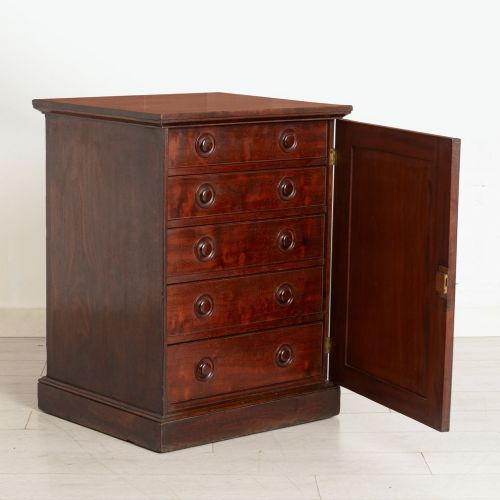
An antique music chest is a tall, narrow cabinet designed specifically to hold sheet music, scores, and occasionally mechanical musical boxes. When you search for this phrase, you encounter pieces primarily from the Victorian and Edwardian eras, spanning the late nineteenth and early twentieth centuries. The form typically presents as a stack of shallow drop-front drawers or a cupboard with internal shelving.
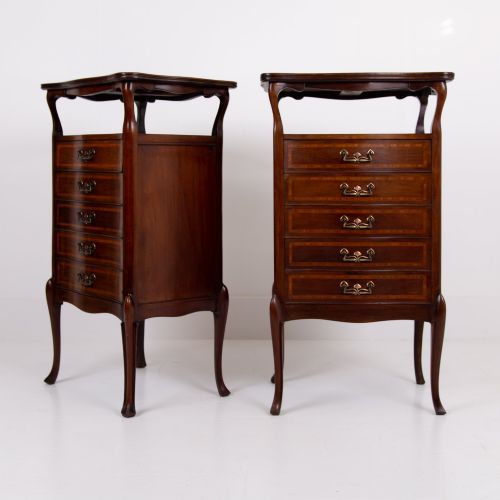
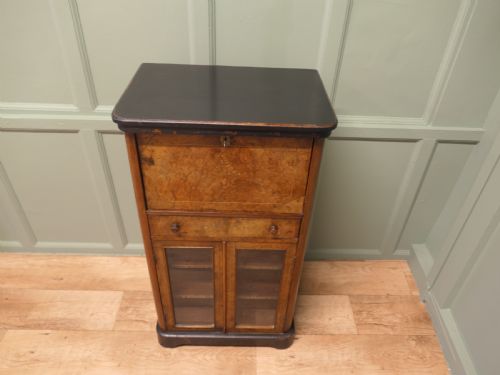
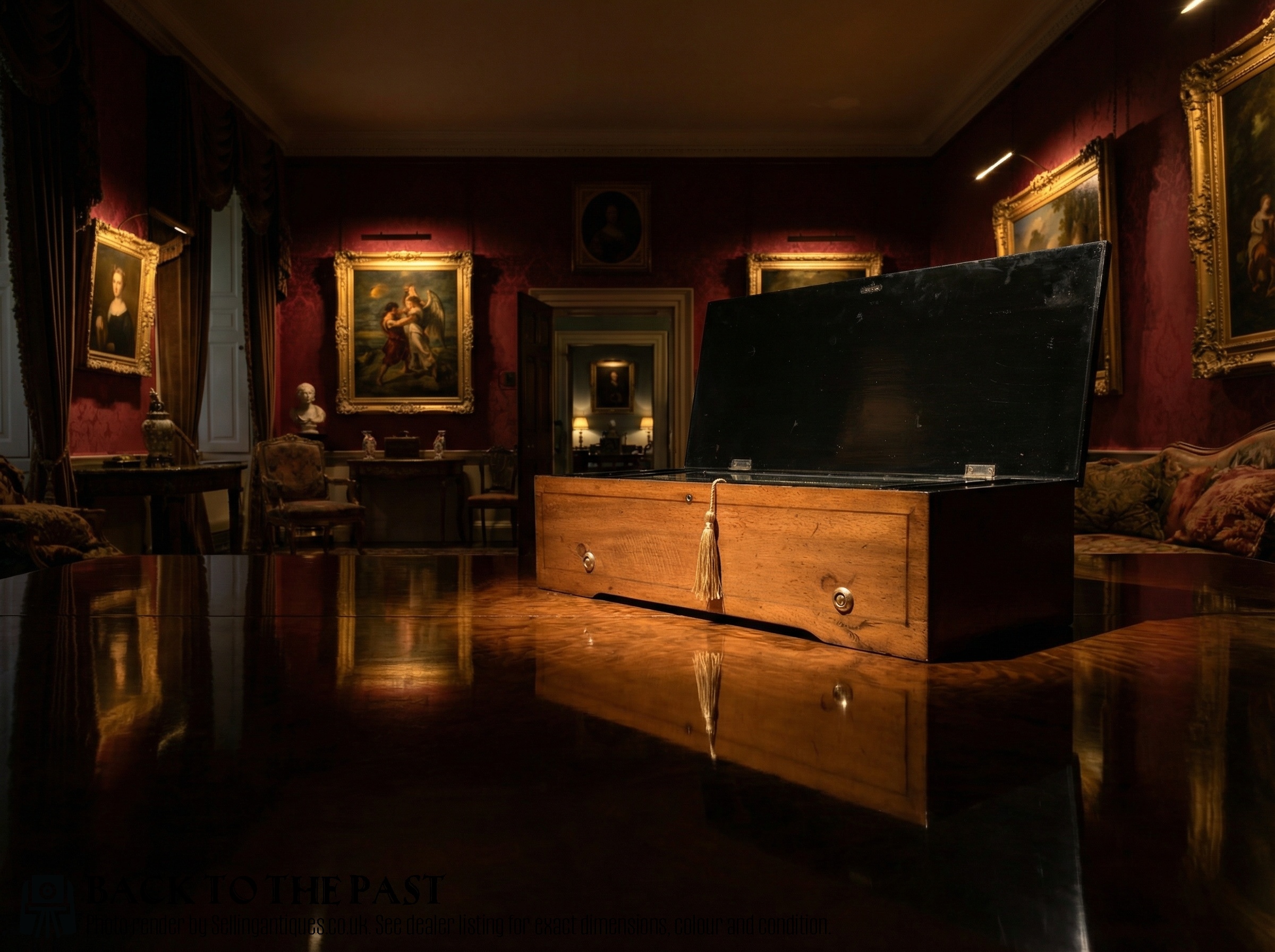
The versions most commonly met on this page are Edwardian and Victorian examples rendered in mahogany or walnut. Many incorporate inlaid stringing, marquetry, or fall-front mechanisms that tilt the drawers forward for easy sorting of folios. Alongside traditional cabinetry, the selection occasionally includes table-top mechanical music boxes and related filing or bedside variants.
How they were made
Cabinetmakers constructed these chests using solid timber frames and drawer linings, applied with rich veneers of mahogany, walnut, and burr walnut. Workshops frequently embellished the casework with satinwood inlay, brass drop handles, and escutcheons to suit contemporary drawing-room tastes.
Interior mechanics involved clever drop-front mechanisms or pivoting partitions designed to keep upright paper folios from slumping. External surfaces often received French polish to highlight the natural grain figures of the mahogany and burr walnut.
Antique Music Chest Retail Price Guide 2026
Typical asking prices for music chest among the pieces listed under this phrase on Sellingantiques today, from the lower quarter to the upper quarter. They describe what is for sale here now, not the wider market.
Listings feature items spanning the Victorian and Edwardian periods, constructed primarily in mahogany, walnut, and rosewood.
What varies in quality
The calibre of a piece depends heavily on the crispness of its marquetry, the selection of figured veneer, and the structural integrity of the drop-front drawer mechanisms. Finer examples display meticulous hand-cut inlay and robust interior dividers rather than plain timber and simple stacked trays.
Hardware and secondary timbers also distinguish workshop tiers, with superior pieces utilising substantial brass fittings and solid mahogany linings throughout rather than cheaper softwoods.
Keeble London
The Antique Music Chest Glossary
- Drop-front drawer
- A drawer featuring a hinged front panel that folds downwards when pulled out, allowing easy access to stacked sheet music without bending the paper edges.
- Marquetry
- Decorative woodwork where thin pieces of various coloured woods are assembled to form pictorial or geometric patterns on the cabinet surface.
- Burr walnut
- Timber taken from a tree growth or burl, prized for its swirling, highly figured grain patterns utilised on premium Edwardian and Victorian cabinet doors.
- Canterbury
- A low freestanding stand with partitions, originally intended for sheet music or folios, occasionally appearing in nineteenth-century forms alongside tall cabinets.
Antique Music Chest: Frequently Asked Questions
What is an antique music chest used for?
These cabinets were originally manufactured to store unbound sheet music, folios, and scores neatly beside a piano or in a Victorian parlour.
Today, collectors utilise them to organise contemporary papers, artwork, or small collections while serving as elegant bedside or hallway furniture.
How do I tell Edwardian from Victorian music chests?
Victorian models often feature heavier proportions, darker finishes, and dense marquetry or elaborate brass hardware typical of the mid to late nineteenth century.
Edwardian pieces generally present lighter mahogany frames, delicate satinwood stringing, and simpler geometric inlays reflecting a more refined aesthetic.
Can these chests hold modern sheet music?
Most standard music chests feature shallow drawers designed specifically for nineteenth-century folio sizes and standard sheet dimensions.
Larger modern songbooks may require the top surface or deeper lower compartments, but standard sheet music slides easily into the drop-front drawers.
How do I care for the wood finish?
Maintain the polished mahogany or walnut surfaces by keeping them away from direct sunlight and sudden changes in household humidity.
Apply a traditional beeswax polish occasionally to nourish the timber grain without building up heavy silicone residues.