




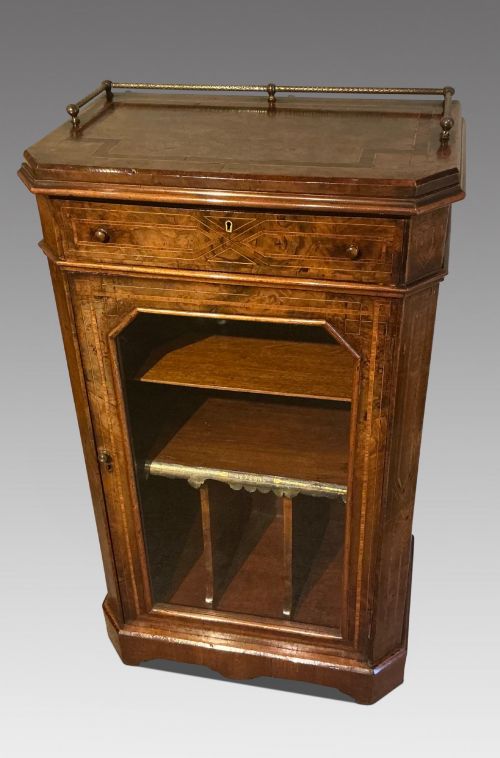
Walnut Music Stand
A walnut music stand brings functional elegance to a room, offering adjustable reading surfaces or partitioned storage for scores across Victorian and Edwardian forms.
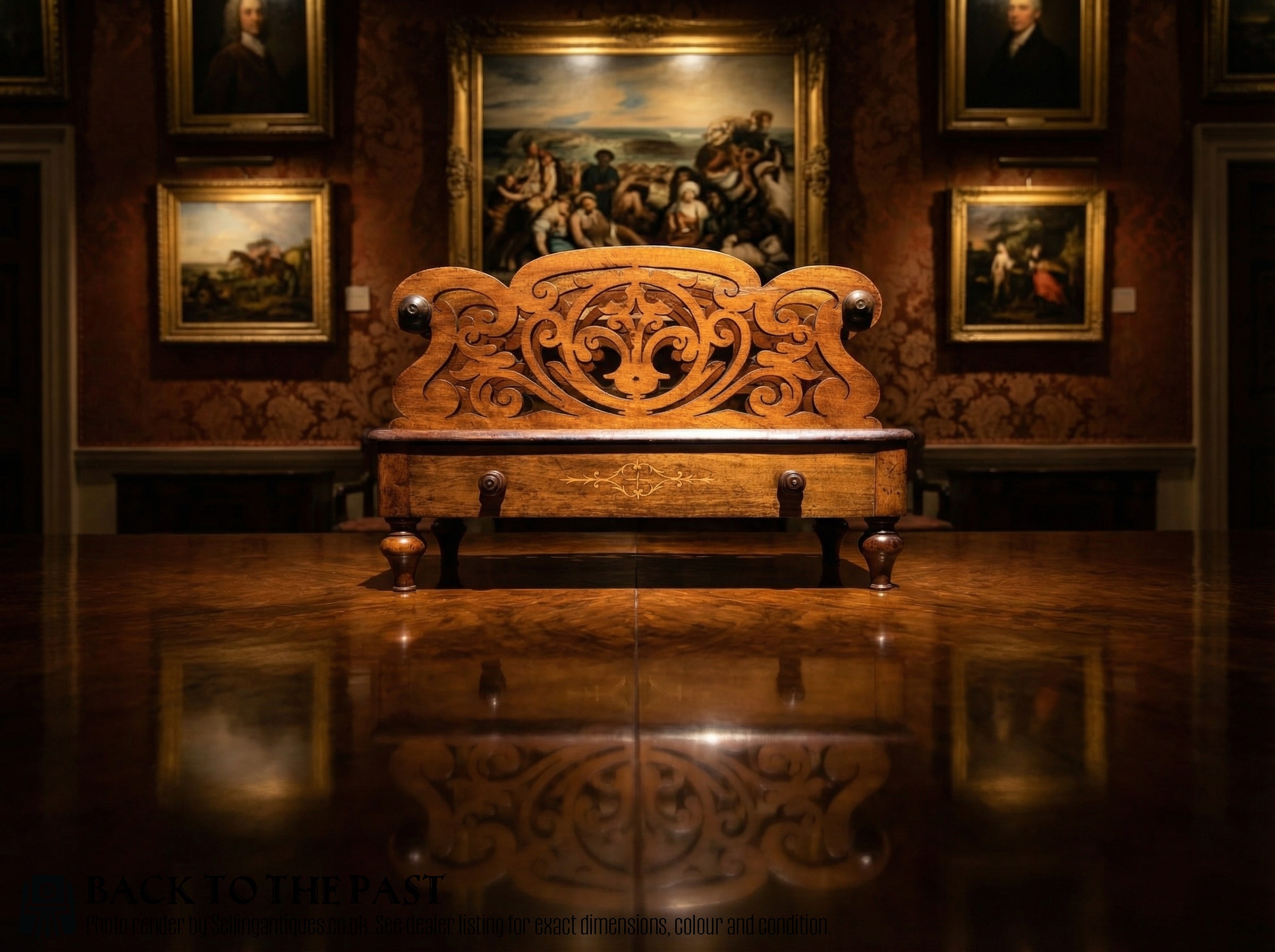
Walnut Music Stand
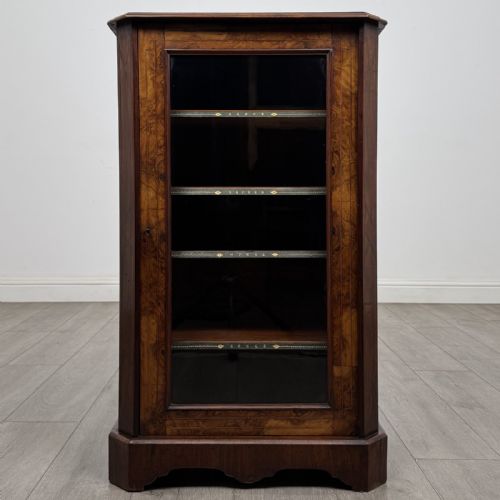
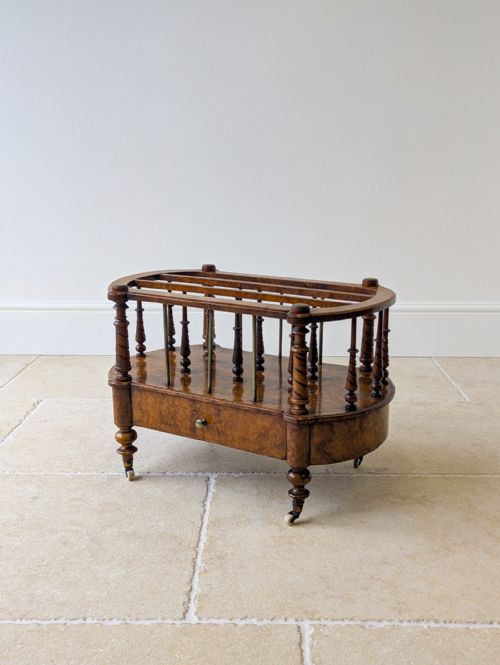
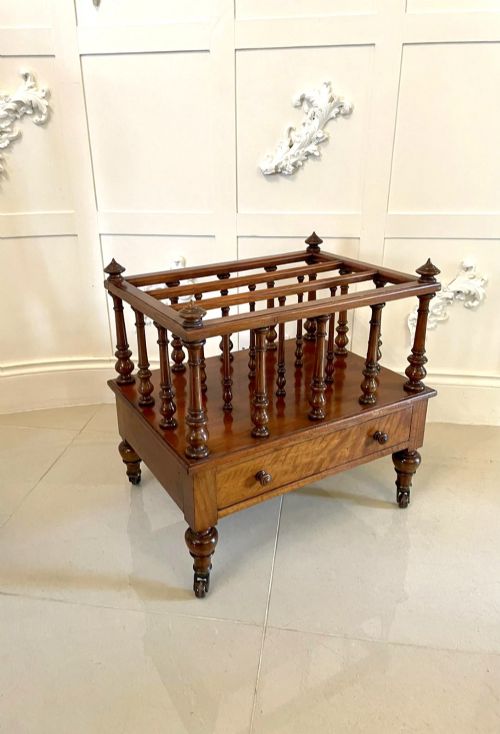
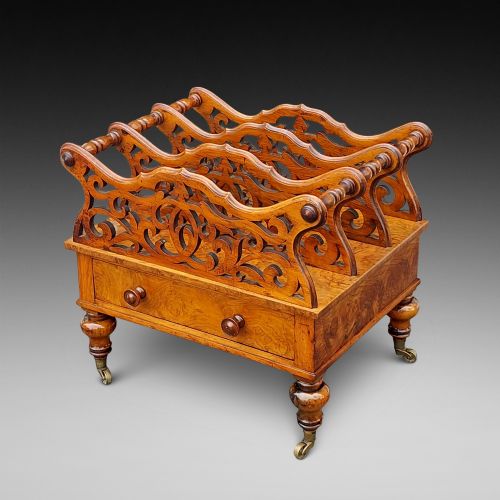
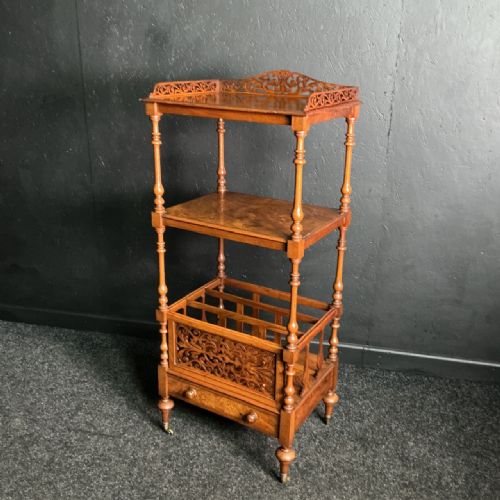
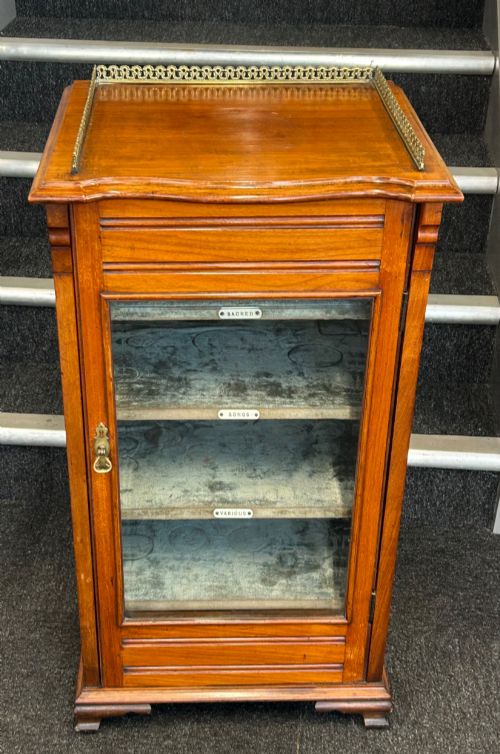
When you search for a walnut music stand, you encounter pieces designed primarily for holding scores, books, or periodicals in nineteenth- and early twentieth-century domestic interiors. The records show these items appearing across the Victorian, Edwardian, and Regency periods, spanning dates from eighteen-twenty to nineteen-ten.
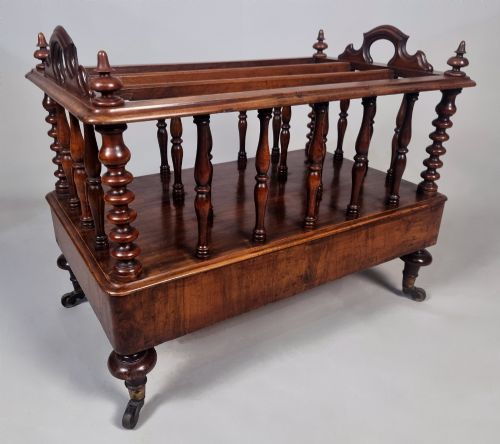
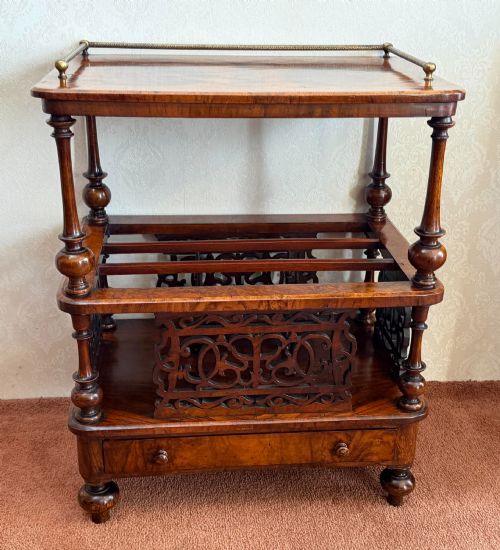
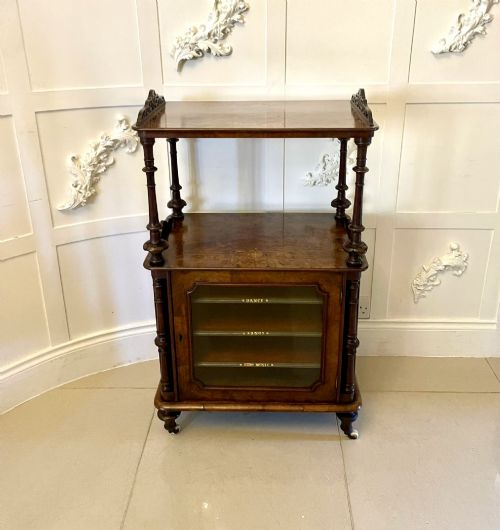
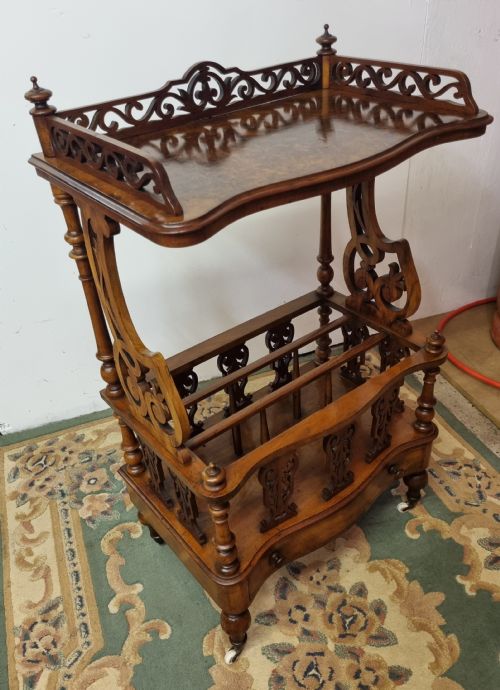
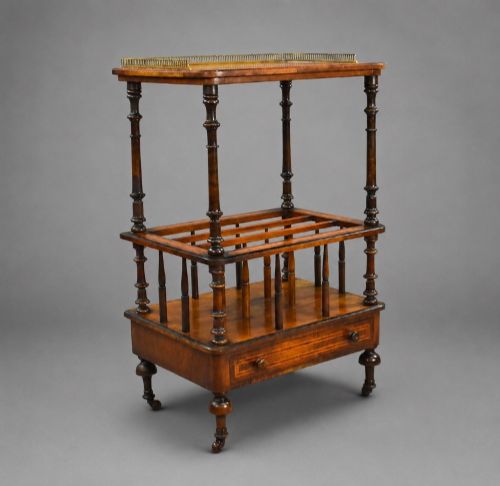
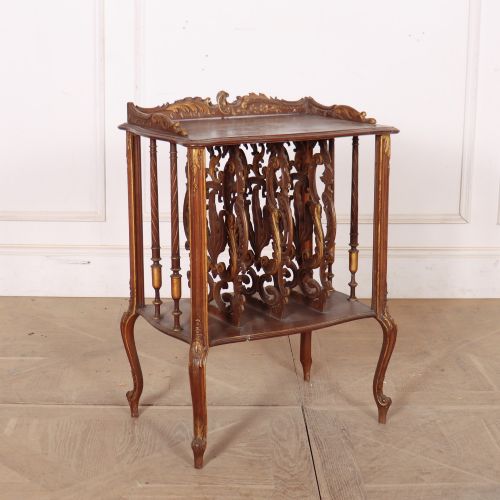
The most common formats on this page include freestanding adjustable lecterns, duet stands with dual reading desks, and multifunctional canterburys or whatnots that combine music storage with display tiers. Makers working in England and France produced these pieces, utilising burr walnut and black walnut alongside brass and ceramic components.
Judging Quality
Quality reveals itself in the choice of timber and the precision of the mechanics, particularly where adjustable stands are concerned. Figured burr walnut veneer with balanced grain patterns distinguishes finer pieces from plain walnut builds.
Hardware integrity separates standard items from exceptional ones. Original brass hinges, smooth ratchets, and intact ceramic castors indicate superior original manufacture and careful retention of components.
Walnut Music Stand Retail Price Guide 2026
Typical asking prices for walnut music stand among the pieces listed under this phrase on Sellingantiques today, from the lower quarter to the upper quarter. They describe what is for sale here now, not the wider market.
Certain Victorian stands double as newspaper tidies, proving that nineteenth-century musicians also struggled with clutter.
Gabriel Viardot·Edwards and Roberts·John Carter·Lochmanns
The Walnut Music Stand Glossary
- Canterbury
- A low piece of furniture with partitioned sections for holding sheet music, folios, or newspapers, frequently combined with a drawer or shelf below.
- Duet stand
- A music stand designed with two separate reading desks facing opposite or adjacent directions, allowing two musicians to read from the same score simultaneously.
- Etagere
- A set of open shelves for displaying small objects, often incorporated into the upper section of a walnut music stand or whatnot.
- Burr walnut
- Timber taken from a tree growth or burl, prized for its swirling, highly figured grain patterns when used as veneer.
- Lectern
- A freestanding reading desk with a slanted top designed to hold a book or manuscript at a comfortable angle for a speaker or musician.
Walnut Music Stand: Frequently Asked Questions
How do adjustable stands work?
Adjustable music stands utilise internal wooden stems or metal columns operated by thumbscrews, brass ratchets, or friction collars. These mechanisms allow the user to raise or lower the reading surface and tilt the desk to the preferred angle.
Many Victorian duet and lectern models rely on heavy iron or brass fittings concealed within the turned walnut pillar to maintain stability at various heights.
Where were music stands used?
These stands occupied drawing rooms, music rooms, and parlours where family members gathered for evening recitals or private practice. Canterburys and cabinets typically sat beside pianos or seating areas to keep scores close at hand.
Freestanding lecterns and reading stands were also placed near windows or desks to hold heavy reference books and folios.
How do I style a music stand at home?
A walnut music stand functions well as a focal point in a living room or study, either left bare to highlight the carved wood and brass hardware or used to display an open art book. Pieces with enclosed cabinets or partitions provide practical storage for magazines and modern periodicals while maintaining a traditional aesthetic.
Matching the rich burr walnut tones with neutral walls or placing the stand near period seating helps integrate the furniture into contemporary interiors.