






Glazed Door Music Cabinet
These glazed door music cabinet examples organise scores behind glass with rich timber grain, bringing period craft to modern living rooms.
Glazed Door Music Cabinet
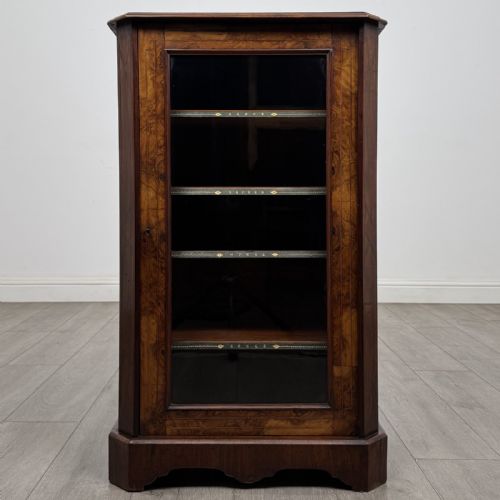
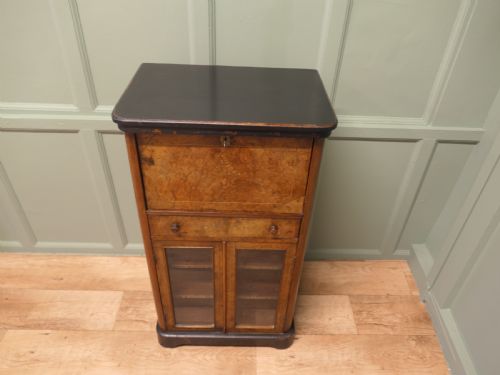
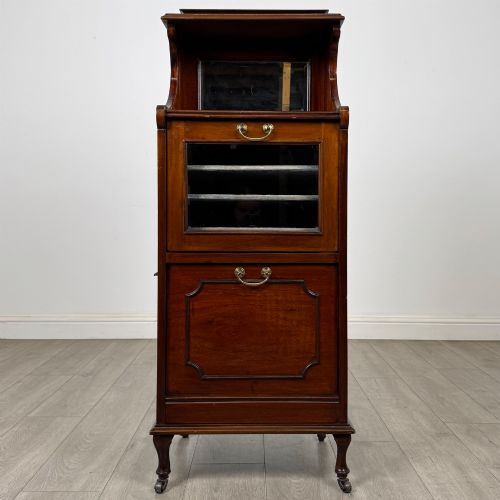
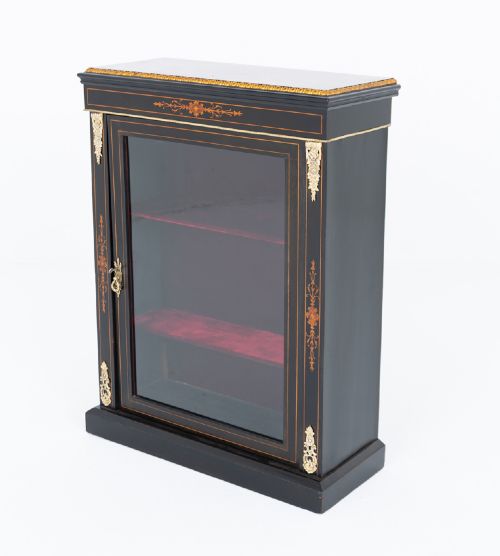
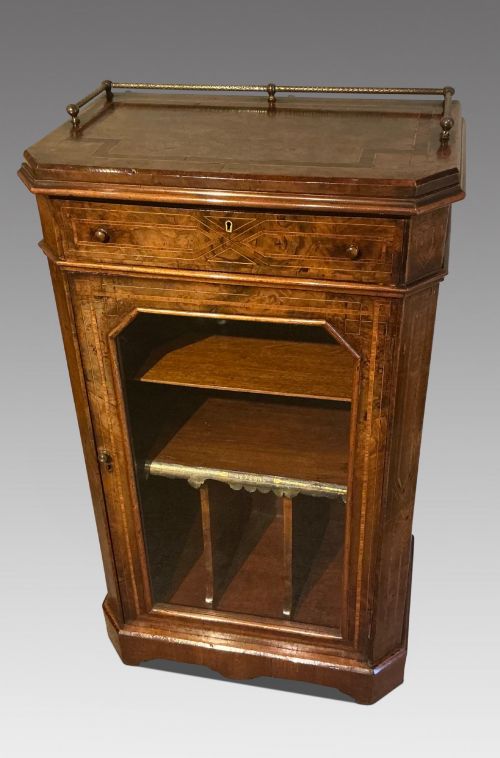
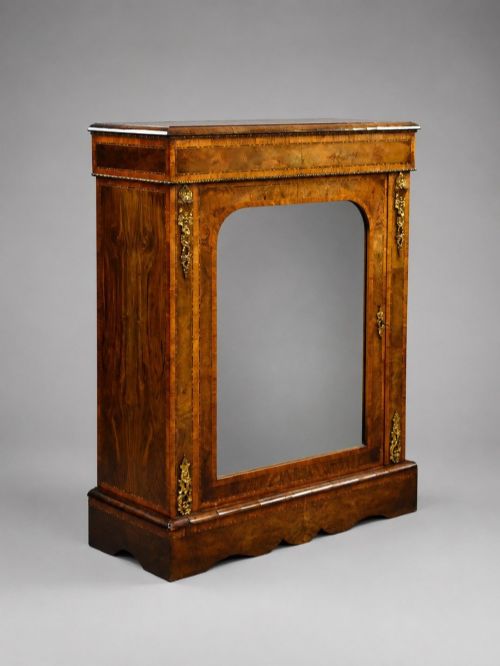
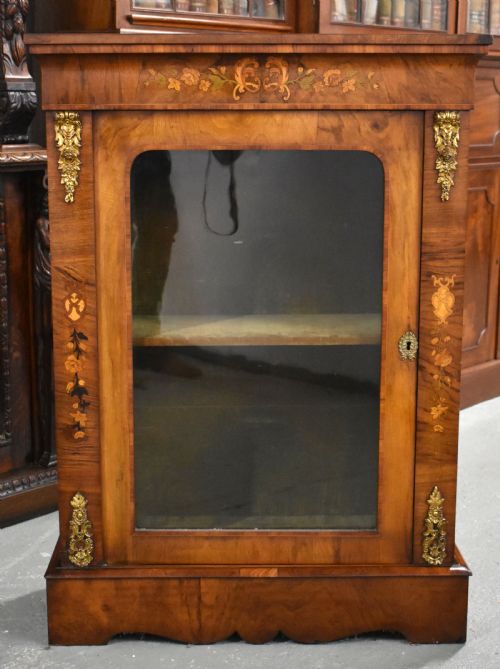
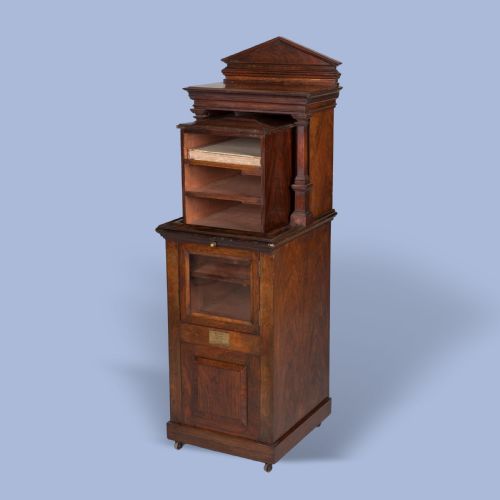
A glazed door music cabinet groups together pieces from the Victorian, Edwardian, and 1930 periods alongside Edwardian style items. These cabinets function primarily to store and display sheet music or records behind protective glass panels.
The form appears in several distinct timbers across the listings, ranging from mahogany and burr walnut to rosewood. Collectors encounter simple upright configurations alongside variants fitted with mirror glass or decorative marquetry inlay.
Victorian and Edwardian workshops produced the majority of these examples, employing traditional cabinet-making methods to house musical collections. Each piece combines functional storage with the aesthetic character of its respective decade.
Materials and construction methods
Joiners built these cabinets using solid timbers and decorative veneers such as mahogany, burr walnut, and rosewood. Brass hardware secures the doors and internal fittings, while glass panels protect the contents from dust.
Craftsmen applied surface decoration through marquetry inlay and gilt stringing to accentuate the timber surfaces. Mirror glass and polished finishes complete the exterior appearance of these storage units.
Glazed Door Music Cabinet Retail Price Guide 2026
Typical asking prices for glazed door music cabinet among the pieces listed under this phrase on Sellingantiques today, from the lower quarter to the upper quarter. They describe what is for sale here now, not the wider market.
Material records show widespread use of mahogany, burr walnut, and rosewood, augmented by glass and brass.
Assessing quality and craftsmanship
The standard of timber selection and veneer matching defines the upper tier of these cabinets. Rich grain patterns in burr walnut or figured mahogany indicate superior material choice by the original maker.
Refined execution in decorative details such as marquetry inlay and gilt stringing separates finer pieces from utilitarian storage. The integration of quality brass hardware and clear glass panels further elevates a cabinet's execution.
The Glazed Door Music Cabinet Glossary
- Burr walnut
- A figured timber harvested from walnut tree growths, valued for its swirling grain patterns. Cabinet-makers used veneers of this wood on prominent exterior surfaces.
- Marquetry inlay
- Decorative patterns formed by fitting contrasting pieces of wood veneer into a prepared surface. This technique creates geometric or floral designs on the cabinet front.
- Gilt stringing
- Thin lines of metallic leaf or yellow-toned inlay embedded into the timber to outline panels. It adds subtle linear definition to the cabinet structure.
- Edwardian style
- Design characteristics originating from the early twentieth century, drawing on earlier historical precedents. Pieces in this category reflect the domestic tastes of the period.
Glazed Door Music Cabinet: Frequently Asked Questions
What fits inside a music cabinet?
These cabinets originally held sheet music, scores, and related bound volumes within dedicated interior compartments. Modern owners frequently adapt the internal space to store vinyl records and other media collections.
The glass door protects paper items from dust and light exposure while keeping the contents visible. This makes the furniture practical for active use in a sitting room or study.
How do I date these cabinets?
Dating relies on observing the timber choices, decorative techniques, and overall stylistic markers present in the construction. Victorian examples often feature rich rosewood or burr walnut, whereas Edwardian pieces frequently utilise inlaid mahogany.
Evidence from dated pieces and archival records helps narrow the period of manufacture. Construction joints and hardware styles provide further physical clues to the decade of origin.
Where should I place a music cabinet?
These upright cabinets suit living rooms, studies, or music rooms where their compact footprint makes efficient use of wall space. Placing them away from direct sunlight protects vulnerable timber veneers and polished finishes.
The glass door allows for visual display of collections while keeping items secure. Matching the timber tone to existing room furniture helps integrate the piece into a modern interior.
Are these cabinets purely decorative?
While the marquetry inlay, brass mounts, and glazed doors offer strong visual appeal, these pieces remain functional storage items. The internal layout was designed specifically to keep paper documents organised and accessible.
Collectors appreciate the dual nature of the furniture as both a decorative cabinet and a practical container. They offer a tangible link to domestic musical traditions of the nineteenth and early twentieth centuries.