




Dark Wood Music Cabinet
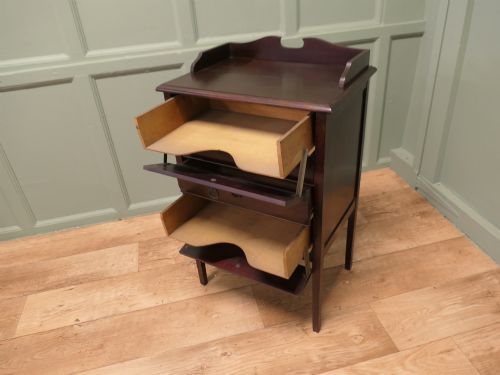
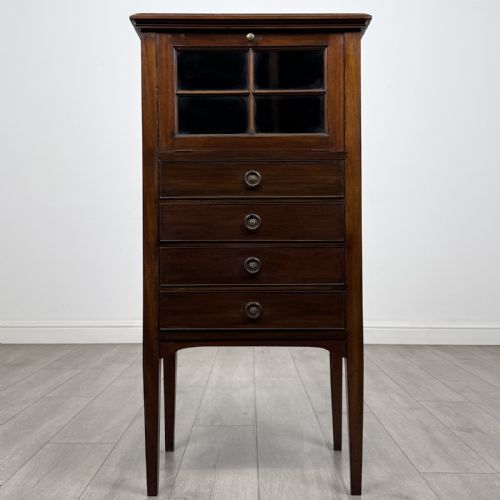
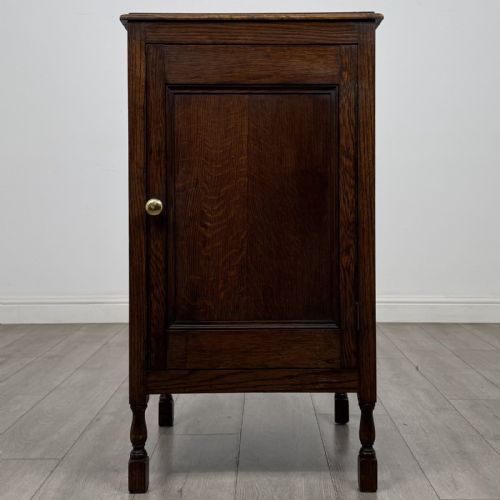
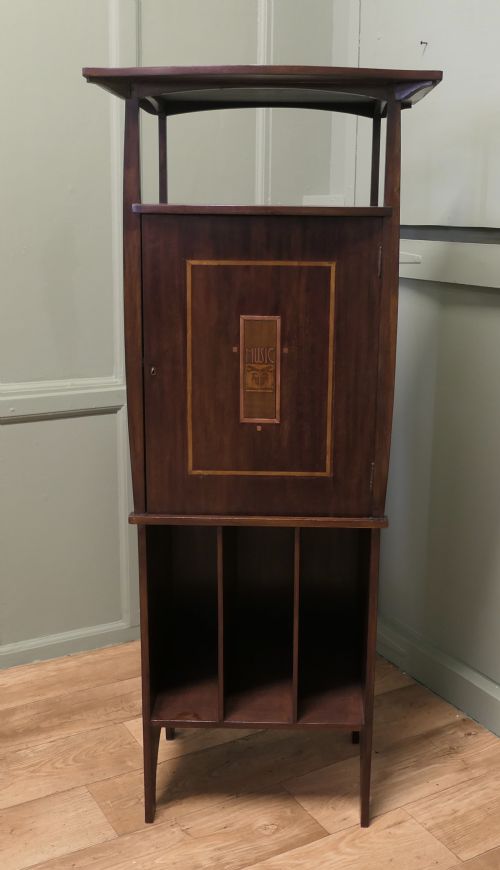
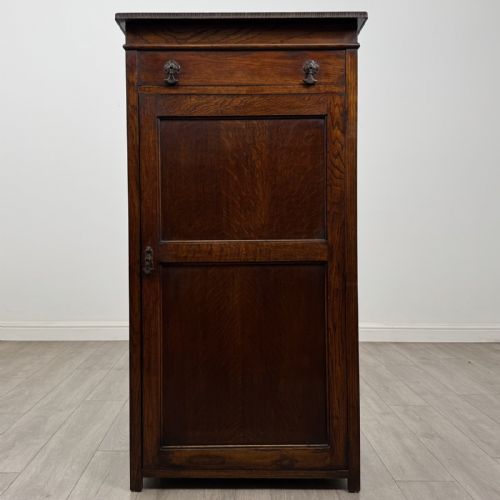
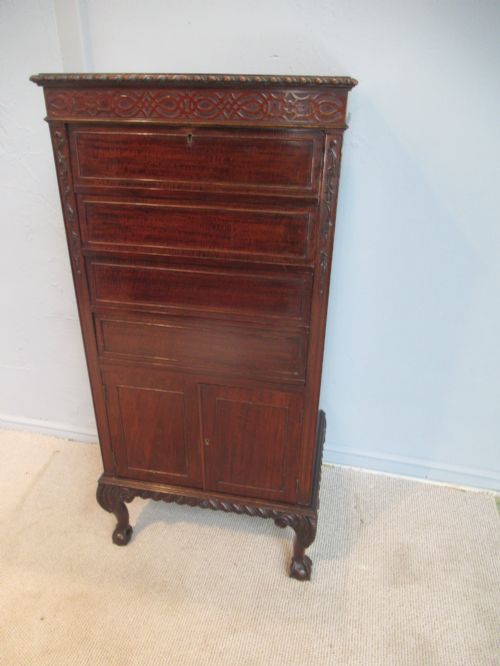
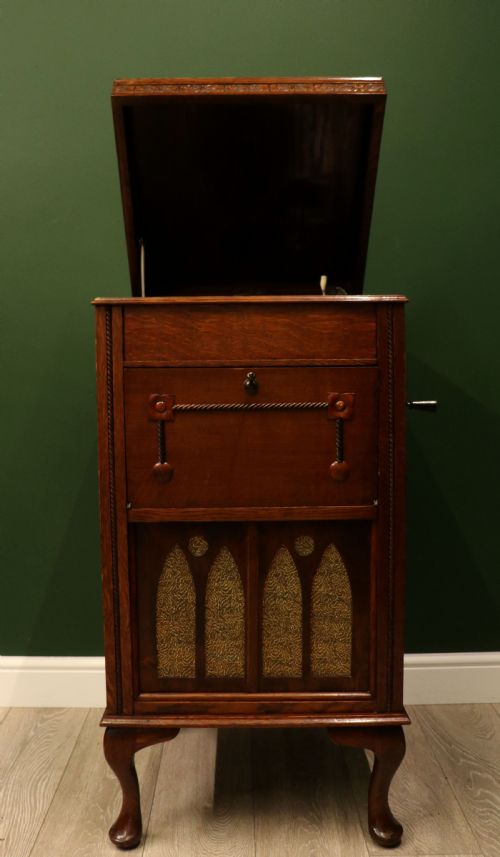
A dark wood music cabinet stores scores inside a tall, narrow frame, bringing period craftsmanship directly into a modern room.

Dark Wood Music Cabinet
These items originate primarily from English and French workshops, utilising rich timbers like rosewood and mahogany. Many examples stand on slender legs, featuring drop-down fronts or internal shelves tailored to organise paper scores.
Makers and designers of the era also produced related formats such as display cabinets, magazine racks, and filing cabinets. Each type serves the domestic interior by keeping paperwork and scores neatly enclosed.
How they were made
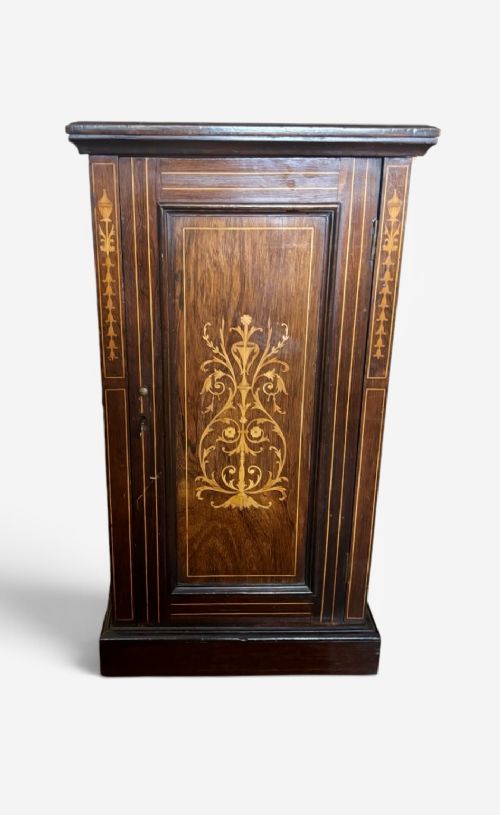
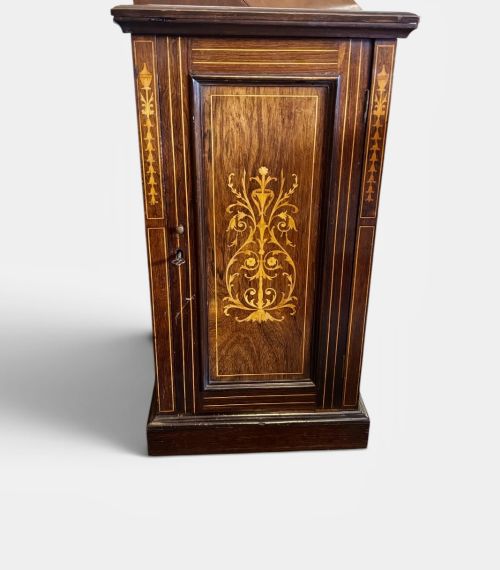
Cabinet makers constructed these pieces using dense hardwoods like mahogany and rosewood, frequently incorporating oak internals and satinwood details. Surfaces often display intricate wood inlay, contrasting veneers, and painted panels.
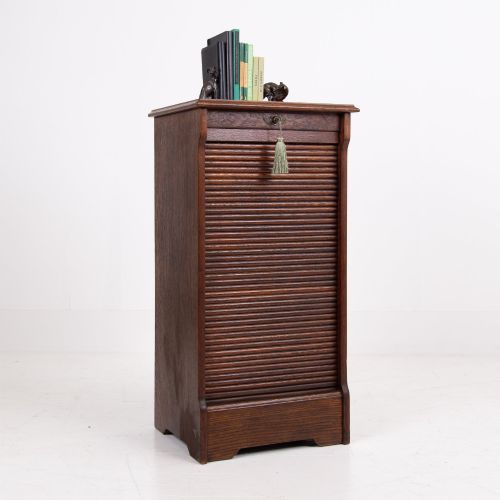
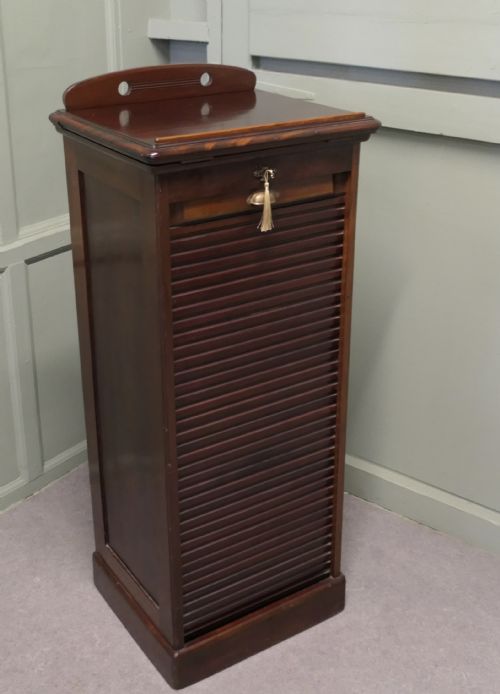
Metal components played a practical and decorative role, featuring brass handles, hinges, and mirror backs. Glass doors appeared on display variants, while tambour doors utilised flexible wooden slats running in tracks.
Dark Wood Music Cabinet Retail Price Guide 2026
Typical asking prices for dark wood music cabinet among the pieces listed under this phrase on Sellingantiques today, from the lower quarter to the upper quarter. They describe what is for sale here now, not the wider market.
Listings feature rosewood, mahogany, and oak across Victorian, Edwardian, and early twentieth century periods.
What varies in quality
The standard of a piece rests heavily on the depth of timber selection and the precision of its wood inlay. Fine examples display carefully matched grain patterns and crisp, deliberate carving rather than repetitive stamped ornament.
Hardware and interior mechanisms define the upper tier of the range. Smoothly operating drop-front drawers, solid brass fittings, and well-fitted internal dividers separate standard production items from master-built workshop pieces.
GM Elwood·JS Henry·Gabriel Viardot·U Phone of Leeds
The Dark Wood Music Cabinet Glossary
- Canterbury
- A low stand with upright divisions, originally designed for holding sheet music or newspapers. These pieces often incorporate a single drawer at the base.
- Inlay
- A technique where pieces of contrasting wood, such as satinwood, are fitted into a recessed surface to form decorative patterns. This method enhances the visual richness of rosewood and mahogany cabinets.
- Tambour door
- A flexible door constructed from narrow vertical strips of wood glued to a canvas backing, allowing it to slide smoothly around a curved track.
- Folio cabinet
- A specialised storage piece built with wide, shallow compartments designed to hold large, unbound paper sheets and musical scores flat.
Dark Wood Music Cabinet: Frequently Asked Questions
What fits inside a music cabinet?
These cabinets contain shallow shelves or drop-down drawers specifically sized for paper sheets, folios, and scores.
Modern owners often use the interior compartments to organise letters, notebooks, or flat paper collections.
How do I date a cabinet?
Victorian and Edwardian pieces show distinct stylistic clues, ranging from heavy carved rosewood to lighter inlaid mahogany.
Hardware styles, timber choices, and construction methods help narrow down the decade of production.
Are canterburys different from cabinets?
Canterburys feature open upright divisions for quick access to newspapers and active sheet music.
Cabinets provide enclosed vertical storage behind solid, glazed, or tambour doors.
Where should I place it?
The tall and narrow footprint suits living rooms, hallways, or studies where floor space is limited.
They pair well beside pianos, desks, or seating areas as functional display and storage surfaces.